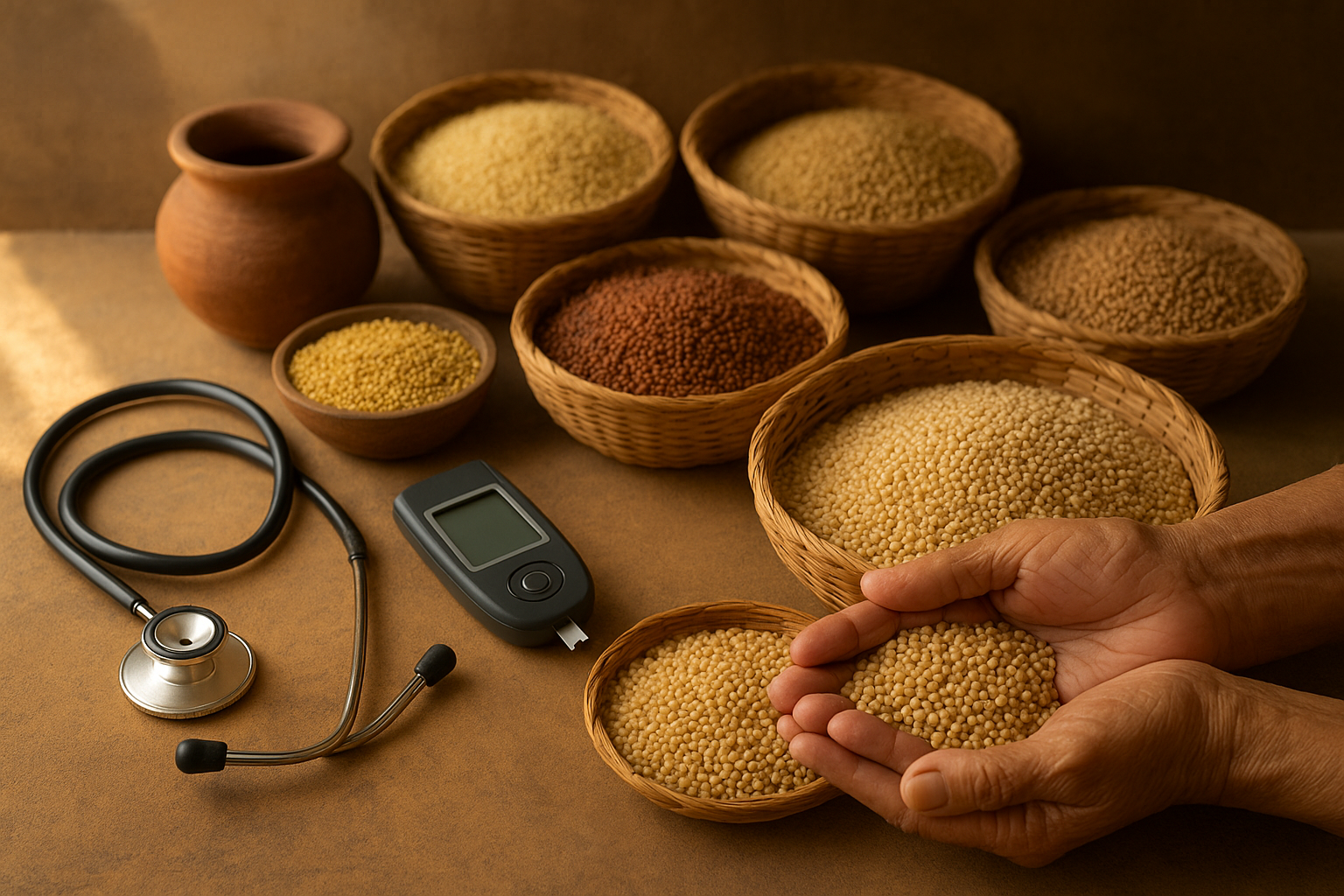
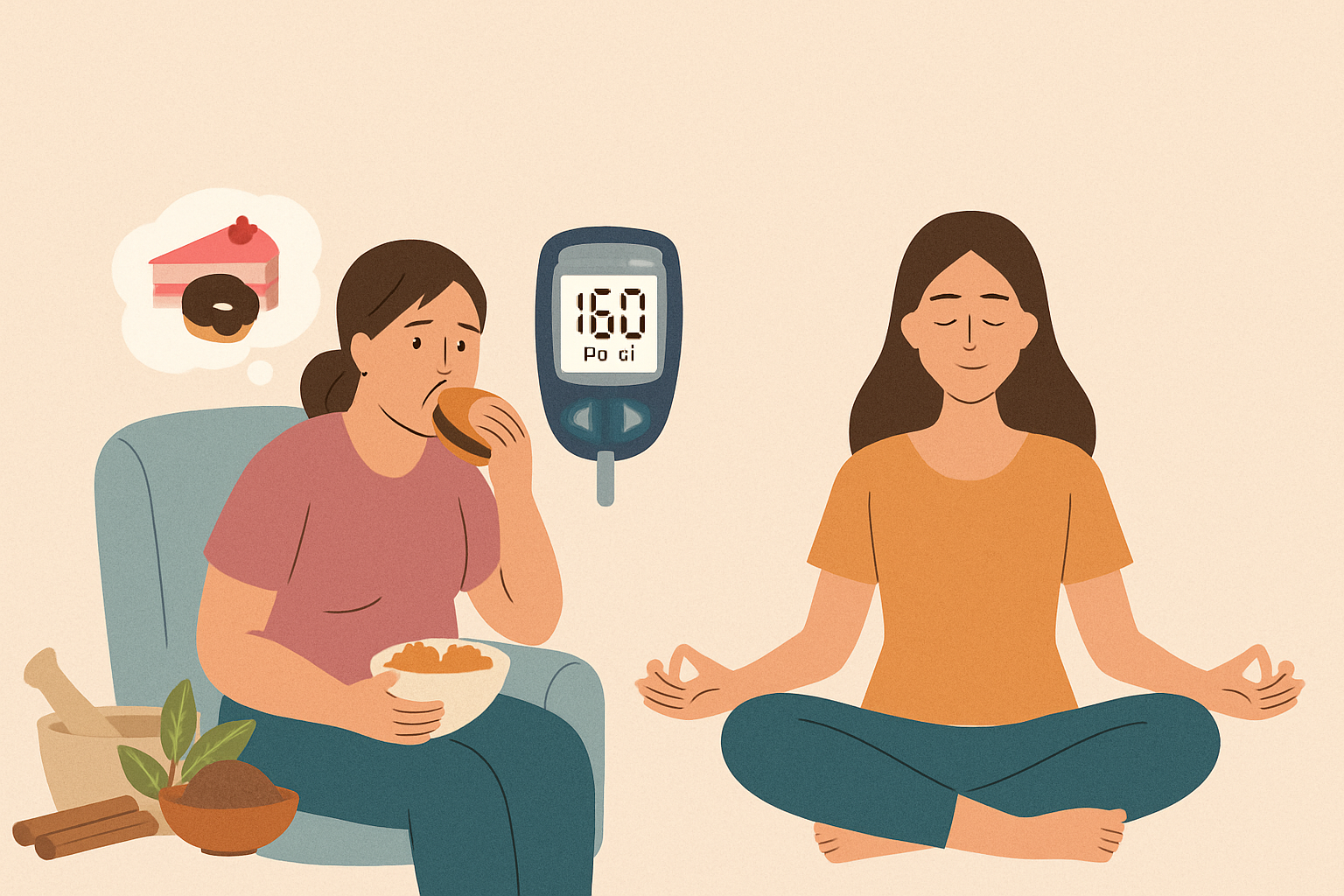
📈India is generally referred to as the diabetes capital of the world with more than 77 million diabetic patients. Even in a country as developed as the USA, the number of patients affected by diabetes is well over 37 million. Other than the regular insulin treatment for diabetes, there are natural treatment for diabetes that can also help keep diabetes under better control when used alongside insulin treatment. Due to the severity of the situation many seek how to reduce blood sugar naturally at home. Today let’s delve into home remedies for diabetes and Ayurvedic remedies for type 1 and type 2 diabetes.
🩺What are Type 1 and Type 2 Diabetes and What are the Main Differences?
Type 1 Diabetes is an autoimmune disease where the immunity system in the body destroys insulin-producing cells. It often occurs during childhood or adolescence and the main factor for such issues is genetic.
On the other hand, Type 2 Diabetes comes from insulin resistance due to lifestyle or diet factors that adults face at an older age. However, recently young people have also been diagnosed with Type 2 Diabetes which can be a major concern. Indian home remedies for diabetes can help control both Type 1 and Type 2 Diabetes.
🌿Ayurvedic Remedies for Type 1 Diabetes
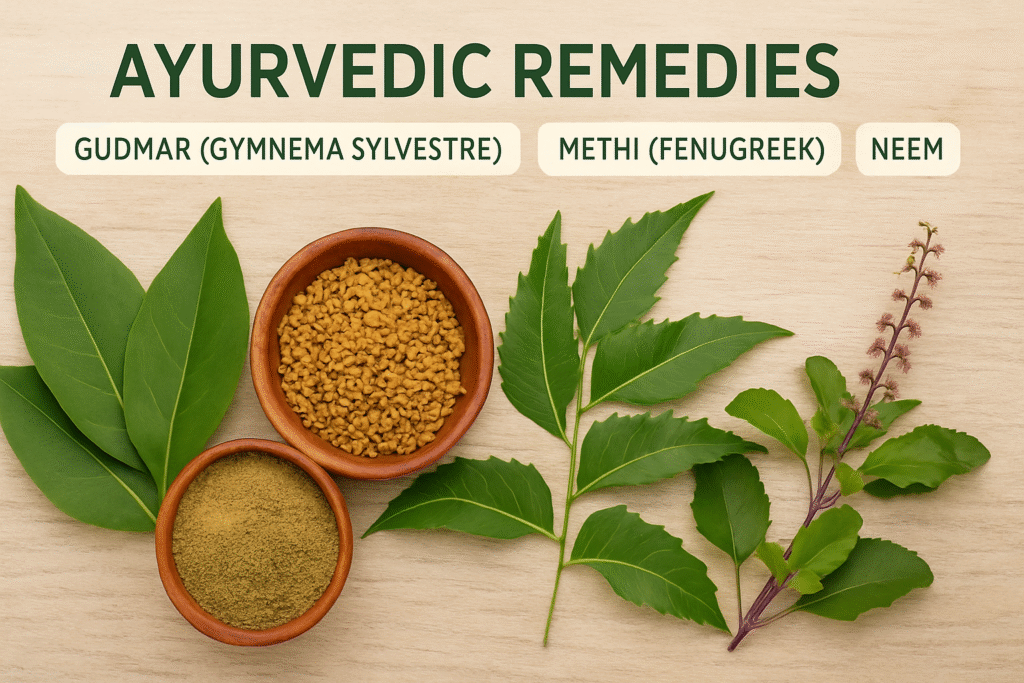
In Ayurveda, diabetes falls under the category of Madhumeha, one form of Prameha (urinary disorder). While Type 1 Diabetes is dependent on insulin, some Diabetes Ayurvedic medicine and preparations assist in managing sugar levels and well-being. Here are a few recommendations of Ayurvedic home remedies for diabetes.
Gudmar (Gymnema Sylvestre): Gudmar, the sugar destroyer, as it inhibits sweet taste receptors and reduces absorption of blood sugar and can be immensely helpful in keeping the effects of Type 1 diabetes in control.
Methi (Fenugreek): Also useful in Type 1, lowers fasting blood sugar and increases insulin release.
Neem and Tulsi: Both are detoxifying and enhance sensitivity to insulin.
Panchakarma treatment, under the guidance of professionals, is also indicated to detoxify and rejuvenate metabolic processes. Herbal remedies for diabetes such as Chandraprabha Vati and Madhumeh Nashini Vati can be used, but with expert advice to avoid any adverse effects.
🌿Ayurvedic Remedies for Type 2 Diabetes
Diabetes is sensitive to dietary modification and kitchen remedies that enhance insulin sensitivity and regulate blood sugar levels. Here are a few recommendations of Diabetes Ayurvedic medicine for Type 2 Diabetes.
🌾Fenugreek Seeds (Methi): Soak 1–2 teaspoons of fenugreek seeds overnight and have them on an empty stomach. High in soluble fiber, they retard sugar absorption and enhance glycemic control.
🧃Bitter Gourd (Karela) Juice: Have fresh bitter gourd juice in the morning. Its polypeptide-p acts like insulin, lowering blood sugar levels naturally helping with glycemic control.
🥄Cinnamon Water: Boil cinnamon sticks in water and have it every day. The active constituent cinnamaldehyde increases insulin sensitivity.
🍎 ➕ 🧴Apple Cider Vinegar (ACV): Have a tablespoon of ACV dissolved in water 15–20 minutes before food to control postprandial sugar rise.
🍃Neem, Tulsi and Aloe Vera Juice: Blend aloe vera gel with neem or Tulsi juice to cleanse the blood and support pancreatic function. These sugar control herbs for elevated blood sugar are safe, easily available, and function best when coupled with an appropriate diabetic diet plan and among the best ayurvedic herbs for type 2 diabetes management.
📋Diet Plan Based on Ayurveda & naturally to Control Diabetes
🥗Diet is a determining factor in controlling both forms of diabetes. Ayurveda suggests a Kapha-pacifying diet to harmonize metabolic processes. Include whole grains such as millets, barley, green leafy greens, pulses, and bitter foods and exclude refined sugar, white flour, fried and processed foods.
Prioritize warm, cooked food that is light to digest. Triphala powder, consumed at night, facilitates digestion and manage blood sugar naturally. A diet along an Ayurvedic diabetic plan guarantees improved glycemic control and pancreas function in the long run.
🕒Lifestyle Recommendations Based on Ayurvedic Principles
🧘♂️Alongside Ayurvedic remedies for type 1 and type 2 diabetes Ayurveda suggests following Dinacharya (daily regimen) and yoga to be in balance and healthy. Small lifestyle changes such as morning walks can increase metabolism and aid in burning fat. Pranayama methods like Kapalbhati and Anulom Vilom enhance oxygen supply and assist in lowering insulin resistance.
Particular yoga postures such as Vajrasana support digestion, Mandukasana stimulates the pancreas, and Dhanurasana (Bow Pose) improves overall metabolism. Mindfulness and meditation are also essential to support the control of stress, as a raised cortisol level can destabilize blood sugar.
These Indian home remedies for diabetes and Ayurvedic lifestyle practices help to manage blood sugar naturally and are considered a holistic approach for controlling and preventing Diabetes. Alongside herbal treatment these are also Ayurvedic lifestyle tips for controlling type 1 diabetes.
🔬Scientific Basis for Herbal and Ayurvedic Treatment for Controlling Diabetes
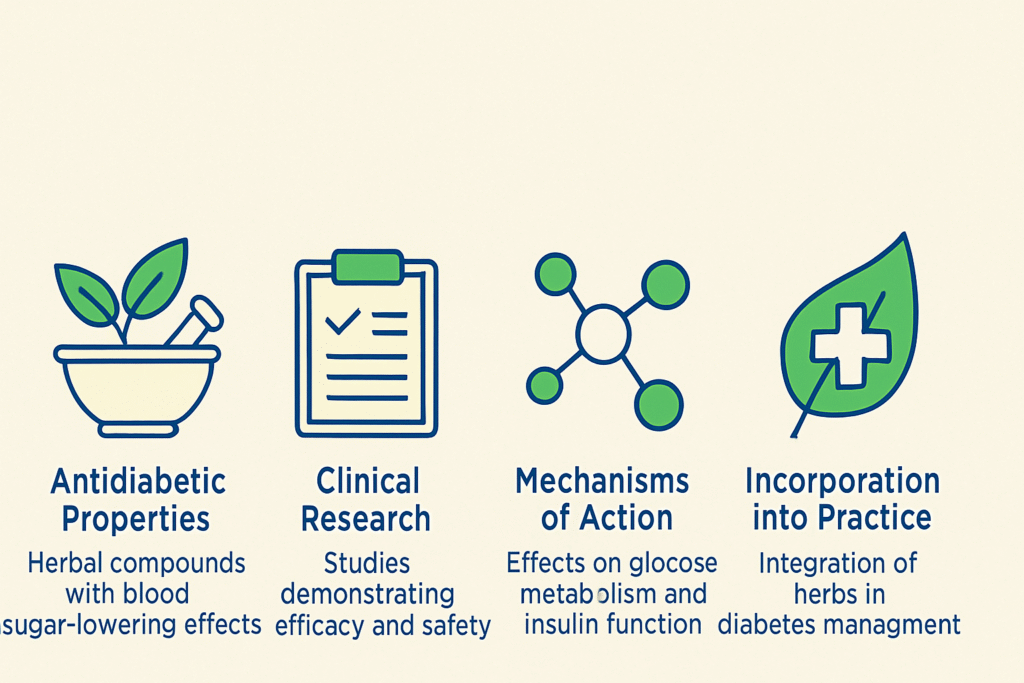
There is a scientific basis for home remedies for high blood sugar without side effects. Current research validates the effectiveness of various Ayurvedic herbs in diabetes management. Fenugreek reduces the blood glucose level during fasting, whereas cinnamon increases insulin sensitivity to support improved blood sugar regulation. Gymnema Sylvestre reduces absorption of glucose in the intestinal tract, further aiding diabetes management.
The World Health Organization (WHO) recognizes Natural treatment for diabetes from Ayurveda as a complementary health system, with approximately half a million practitioners worldwide, and with its ability to support chronic disease management such as diabetes. Comprehensive approaches merging Ayurvedic treatment with mainstream medicine are now strongly advocated for holistic treatment.
Clinical trials and several real-life accounts continue to support the efficacy of these natural remedies, underscoring Ayurveda’s potential as an aid in diabetes care in conjunction with contemporary therapeutic interventions.
🚫Avoid Self-Medication and Consult a doctor
Do not self-medicate with diabetes without consulting a physician. Never drop insulin or medications prescribed by your doctor without medical advice. Herbal treatments are not for everyone and can interfere with current therapies.
Blood sugar levels that fluctuate must be monitored carefully, so always consult an experienced practitioner before adjusting anything in your diabetes plan of care.
💬Final Thoughts
Though natural treatments can adequately complement diabetes control, some precautions should be followed for natural ways to improve insulin sensitivity. Never stop taking insulin or prescribed medications without a doctor’s recommendation. Some of these Ayurvedic herbs interact with medications a patient is already on, and thus professional consultation is imperative for those patients on multiple medications.
Mixing conventional therapy with herbal remedies for diabetes can cause hypoglycemia (low levels of blood sugar), and hence cautious monitoring is warranted. Regular monitoring of blood sugar is crucial to manage safely and optimally. One should consult a trained Ayurvedic doctor or diabetologist prior to initiating any herbal treatments to individualize the treatment and prevent the onset of complications.