Did you know that 80% of heart attacks can be prevented with changes in lifestyle and food habits? Changes in food habits, in particular, help reduce levels of cholesterol and minimize the chances of heart attacks. Contradictorily, changing lifestyle focusing on Ayurvedic intervention can significantly improve cardiovascular health and minimize the chances of future heart diseases.
Ayurvedic recommendations for foods to lower cholesterol naturally can further help improve the lifestyle of an individual, not only reducing the chances for heart attack but also increasing energy levels.
Let’s discuss how Ayurvedic remedies for cholesterol can reduce chances of cardiovascular diseases such as heart attack and improves overall health of an individual.
What is Cholesterol and Why It Matters for Heart Health?
Heart attacks do not just happen overnight and build up little by little over a long period affecting health. When years of plaque build-up in vain take effect, particularly the veins connecting to hearts to maintain steady blood flow, it causes severe cardiovascular diseases which can even be fatal.
Cholesterol is a fat-like substance in the human body that is actually required to make hormones, vitamin D, and bile for digestion. However, when the cholesterol levels go out of control and rise significantly it affects the human body instead.
Let’s Understand Cholesterol
LDL vs HDL Cholesterol
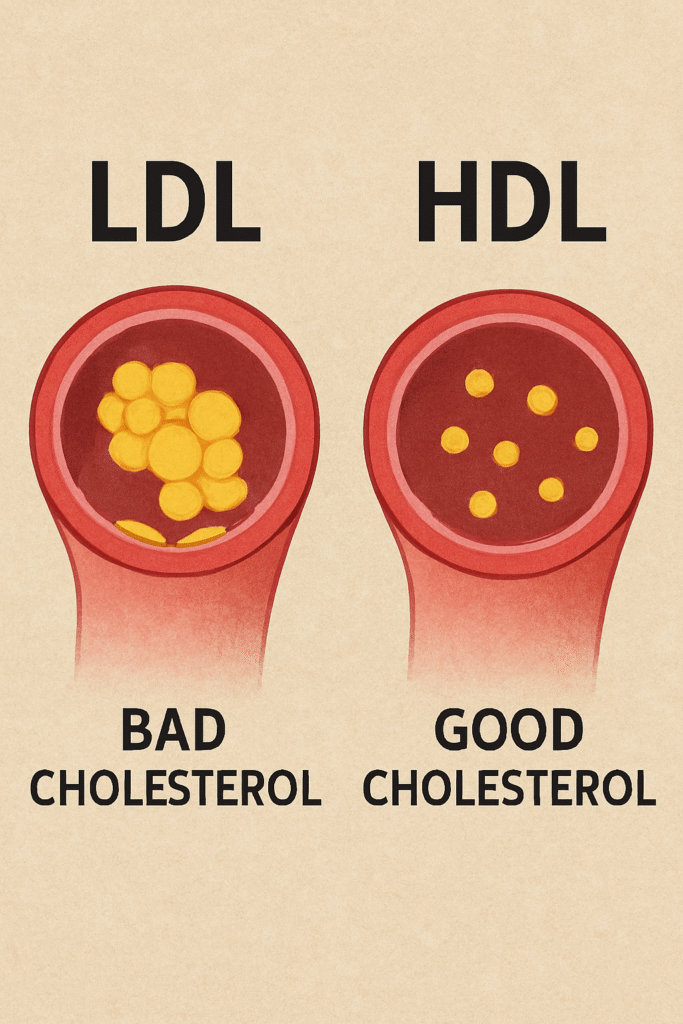
The main question here is, “Are all cholesterol bad?” and we come down to the discussion of LDL vs HDL. There are mainly two different types of LDL or Low-Density Lipoprotein (also known as bad cholesterol) vs HDL or High-Density Lipoprotein (also known as good cholesterol).
LDL (Low-Density Lipoprotein): Also referred to as “bad cholesterol”, LDL transports cholesterol to the arteries.
Extra LDL clings to the walls of arteries and builds up plaque.
HDL (High-Density Lipoprotein): “Good cholesterol”, HDL removes excess cholesterol from the blood and returns it to the liver to be eliminated.
The Role of Triglycerides
Triglycerides are blood-borne fats that most commonly arise from intake of excess sugar and fatty foods.
High levels exacerbate cholesterol-related harm by causing arterial plaque to become more unstable and potent.
This raises the risk of heart attack and stroke, making control of diet and lifestyle imperative.
Cholesterol and Heart Attack Connection
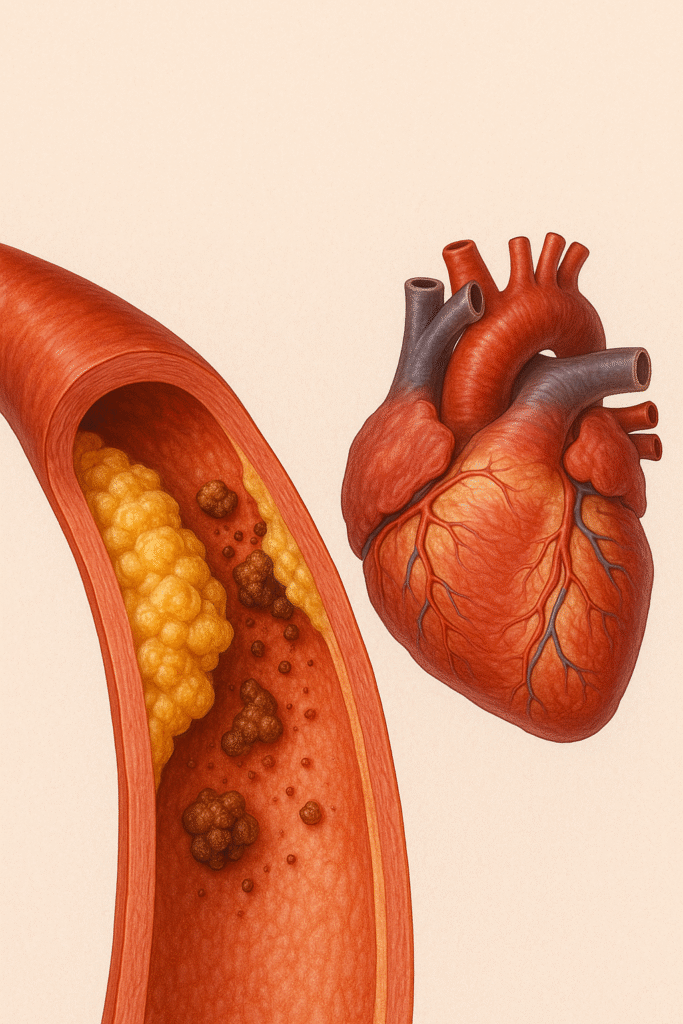
As LDL increases, HDL decreases, and triglycerides rise, fatty deposits harden and clog the arteries. This is known as atherosclerosis and it reduces blood flow and heart health. If a plaque breaks open, a blood clot can form, completely blocking circulation usually resulting in an unexpected heart attack or even a stroke.
How High Cholesterol and Triglycerides Cause Heart Attack
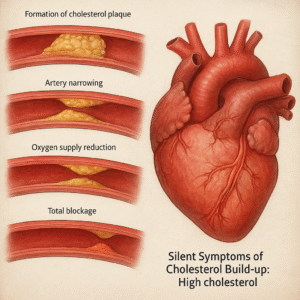
Formation of cholesterol plaque: The process begins silently when LDL cholesterol piles up along the walls of arteries. Fatty accumulations over the years attract other material like calcium and cellular waste. These later forms sticky plaque inside blood vessels, setting the stage for atherosclerosis, but with no early warning signs.
Artery narrowing: When plaque becomes hard, the arteries become rigid and narrow, impairing smooth blood flow. The narrowed space forces the heart to pump harder, overloading the cardiovascular system. Most individuals do not know as it only takes place when the blood flow is heavily obstructed or through heavy physical exertion.
Oxygen supply reductions: Constricted arteries bring a smaller amount of oxygen-rich blood to the heart muscle. This deficit typically causes chest pain or discomfort, referred to as angina, often with exertion or stress. Unchecked, this oxygen deficiency further deteriorates heart function, making it susceptible to more severe cardiovascular events like heart attacks.
Total blockage: When the plaque bursts, a blood clot can form over the damaged area. If this clot is a total blockage of an artery, blood supply to the heart muscle is suddenly cut off. Unless this is treated immediately, this condition results in a heart attack and permanently destroys heart tissue and, at times, instant death.
Silent Symptoms of Cholesterol Build-up: High cholesterol quietly injures arteries with LDL deposits, narrowing, and plaque formation. Triglycerides exacerbate risk factors when elevated, and low HDL decreases protection. Early indicators include lethargy, chest pressure, and dizziness after eating. Ayurveda prescribes medications such as Arjuna bark, garlic, turmeric, and flaxseed, in combination with diet, yoga, and lifestyle adjustments to naturally reduce cholesterol and maintain heart health.
Ayurvedic View on Cholesterol and Heart Diseases
Concept of “Medo Dhatu” and Ama (toxins) in Ayurveda: Ayurveda does not refer to “cholesterol” but describes heart disease in terms of Medo Dhatu (fat tissue) and Ama (toxins).
Ayurveda may not have the word cholesterol, but it describes heart disorders in terms of imbalances of Medo Dhatu and Ama.
Excess fat tissue and undigested toxins disrupt blood flow, clog channels. It weaken heart function and provides an analogy with modern understanding of cholesterol-mediated cardiovascular disease.
When digestive fire is weak, food is incompletely metabolized and produces Ama (sticky toxins). Weak digestive ability (Agni) is the main cause of low metabolism of food, as per Ayurveda.
This generates Ama, heavy, sticky toxins that move within the body. Ama obstructs channels of energy, disturbs the absorption of nutrients, and is the causative factor of most diseases, including premature cardiovascular diseases caused by faulty metabolism of fat and imbalance.
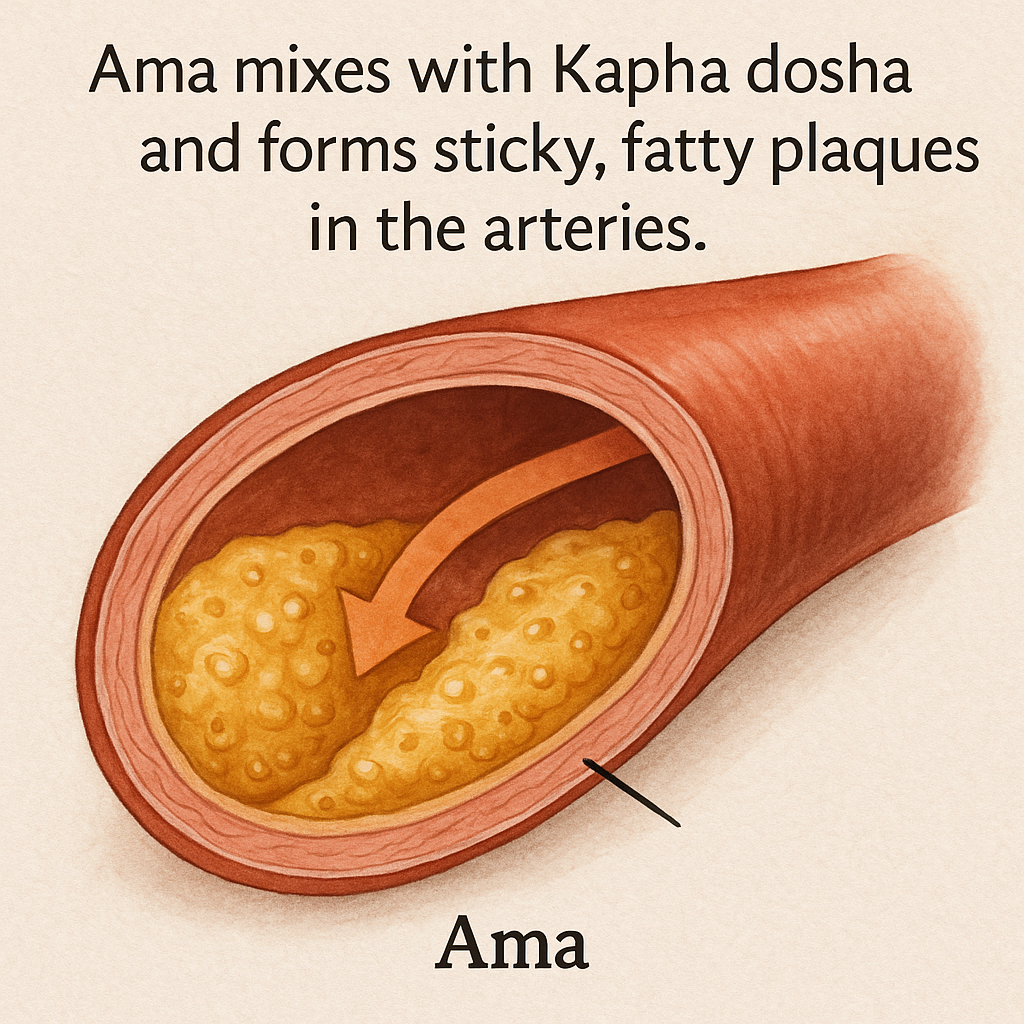
Imbalance of Kapha and Pitta: Ama mixes with Kapha dosha and forms sticky, fatty plaques in the arteries.
When Ama mixes with irritated Kapha dosha, thick, sticky, fatty plaques are formed. These block arterial walls, hampering smooth circulation of blood.
Ayurveda considers this as an expression of Srotorodha (channel blockage), which is directly related to arterial plaque formation, paving the way for increasing heart disease and atherosclerosis.
Over a period, this restricts blood flow, weakening heart function. With the thickening of arterial deposits, circulation of blood is hindered, starving tissues of vital oxygen and nutrients. This increasingly weakens heart muscles, reduces energy, and leads to diseases such as angina or heart attack.
Ayurveda stresses prevention of Ama formation in early life with herbs that enhance digestion, cleansing, and Kapha-balancing foods to maintain long-term heart health.
Ayurveda’s Holistic Approach
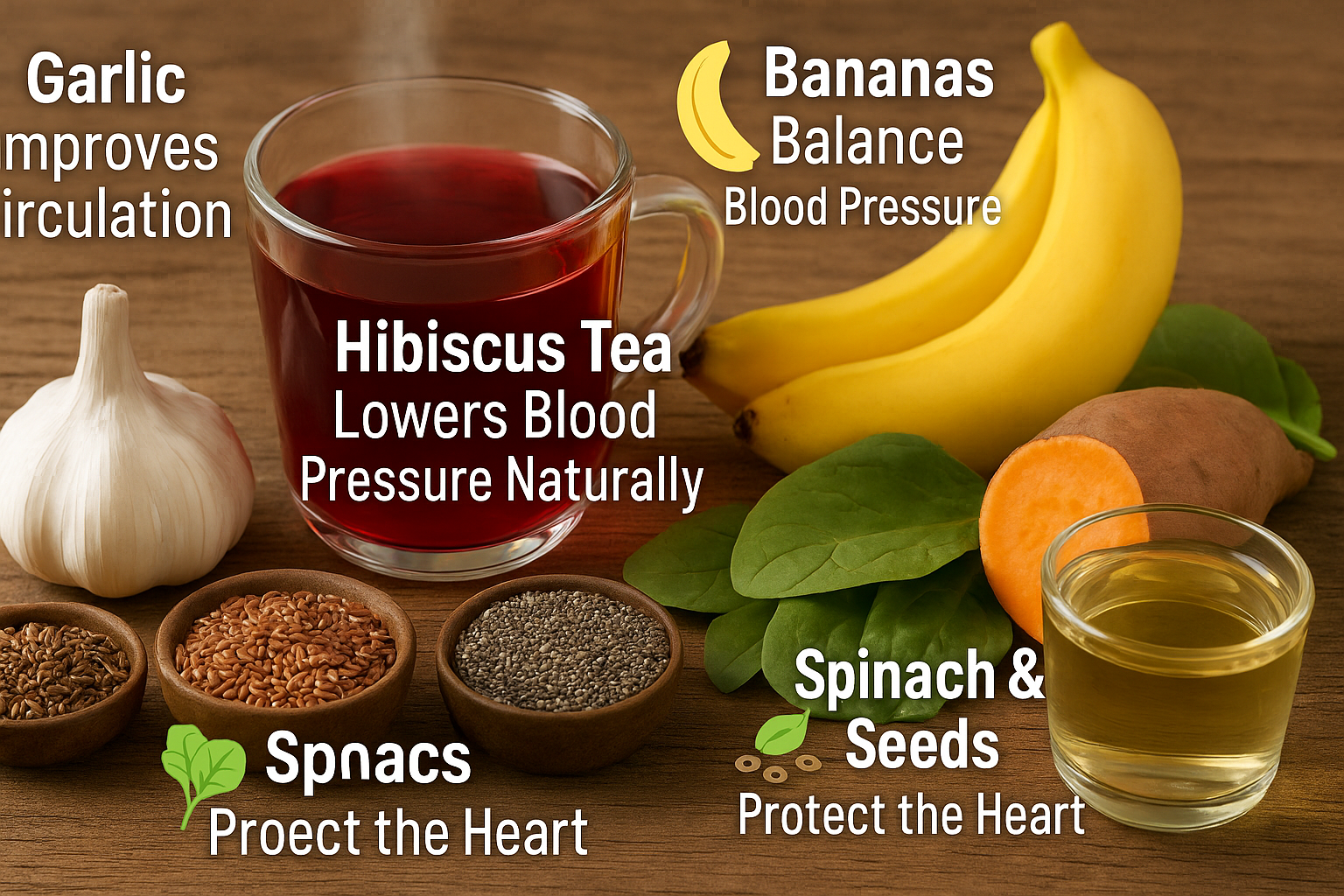
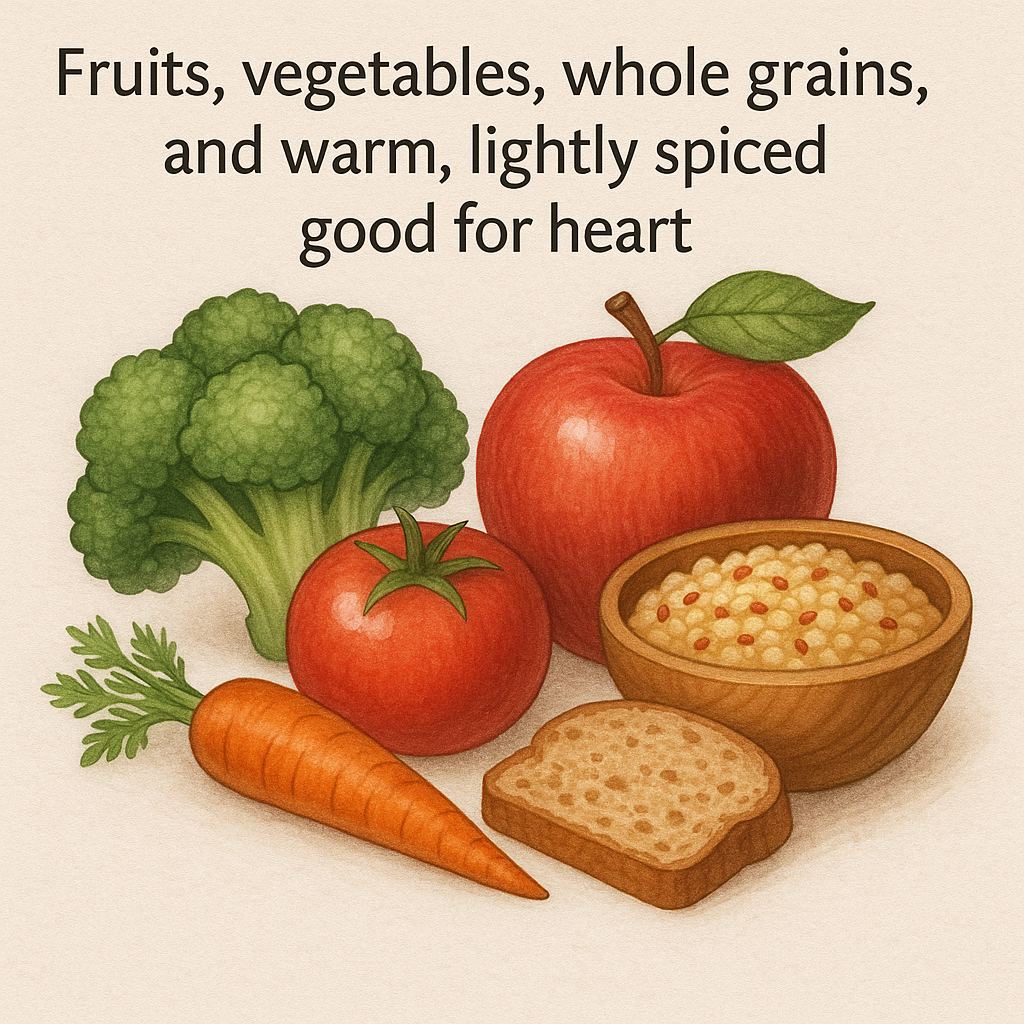
Diet: Ayurveda encourages a diet that nourishes Agni (digestive fire) and averts Ama formation. Fruits, vegetables, whole grains, and warm, lightly spiced foods are to be had. Fried, processed, and heavy foods are to be avoided to diminish Kapha accumulation and keep arteries clear for healthy cholesterol levels and strong cardiovascular function naturally.
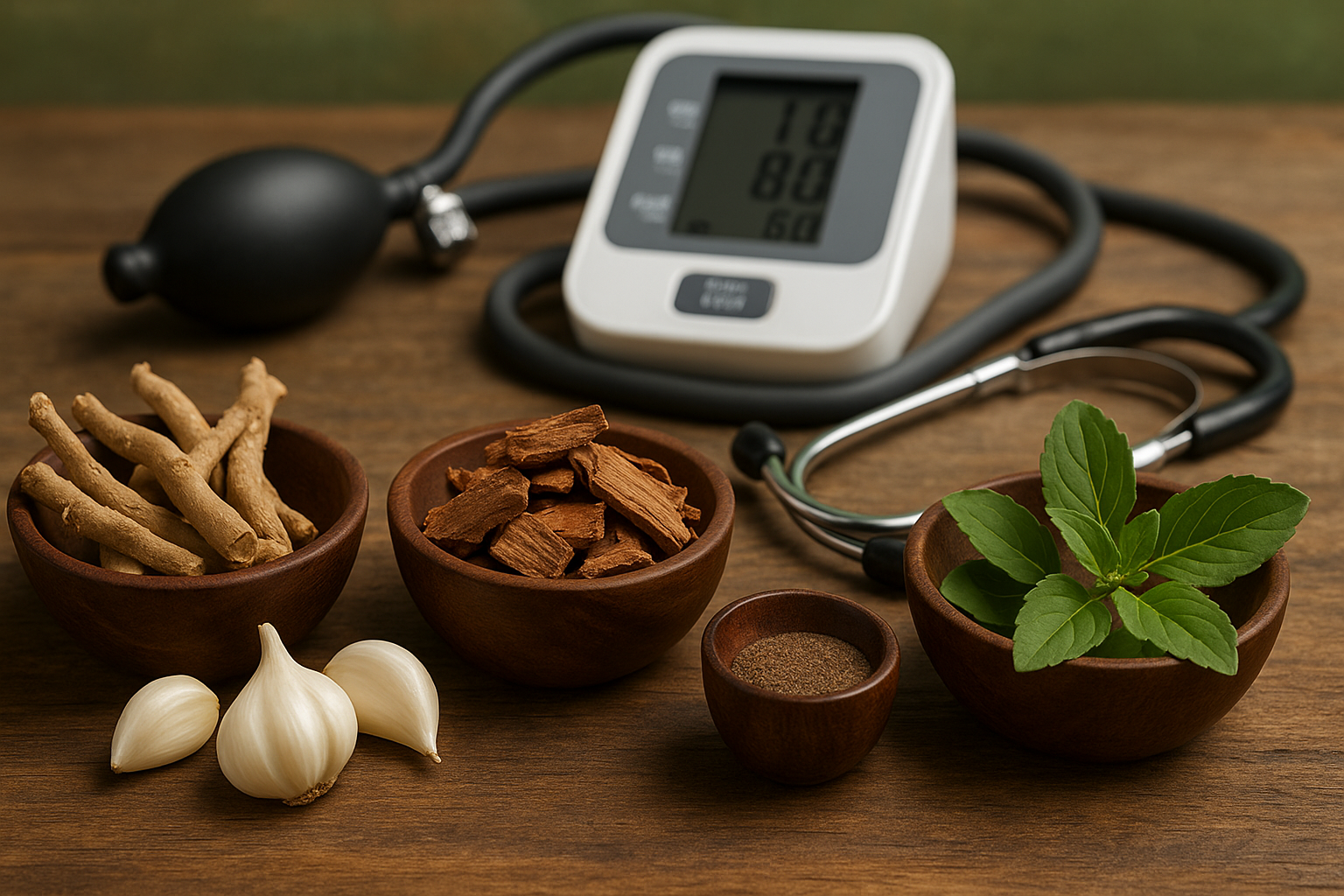
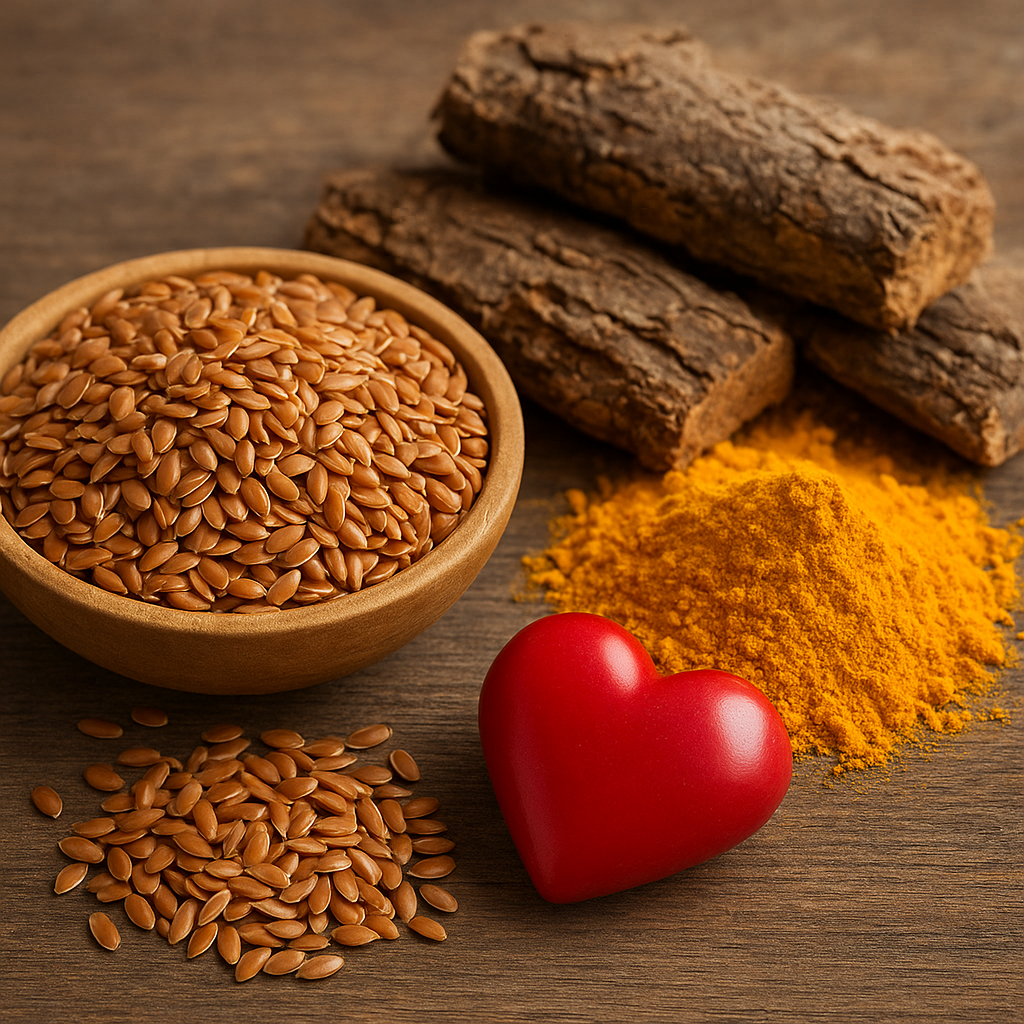
Herbs: Ayurvedic herbs are natural protectors of the heart and cholesterol balancers. Flaxseed delivers the omega-3s needed to lower triglycerides, turmeric combats inflammation, and garlic breaks down cholesterol plaque. Arjuna bark improves the health of the heart muscles and improves circulation. These herbs combined are mild, natural remedies that halt plaque build-up and promote long-term cardiovascular well-being.

Lifestyle: Ayurveda focuses on balanced living. Daily pranayama and yoga enhance oxygenation and circulation, while meditation alleviates stress, an unseen risk factor for heart disease. Detox therapies during the season such as Panchakarma aid in removal of toxins from the body. Such lifestyle habits improve digestion, balance the doshas, and maintain the heart’s vitality.
Natural Foods and Ayurvedic Remedies to Lower Cholesterol
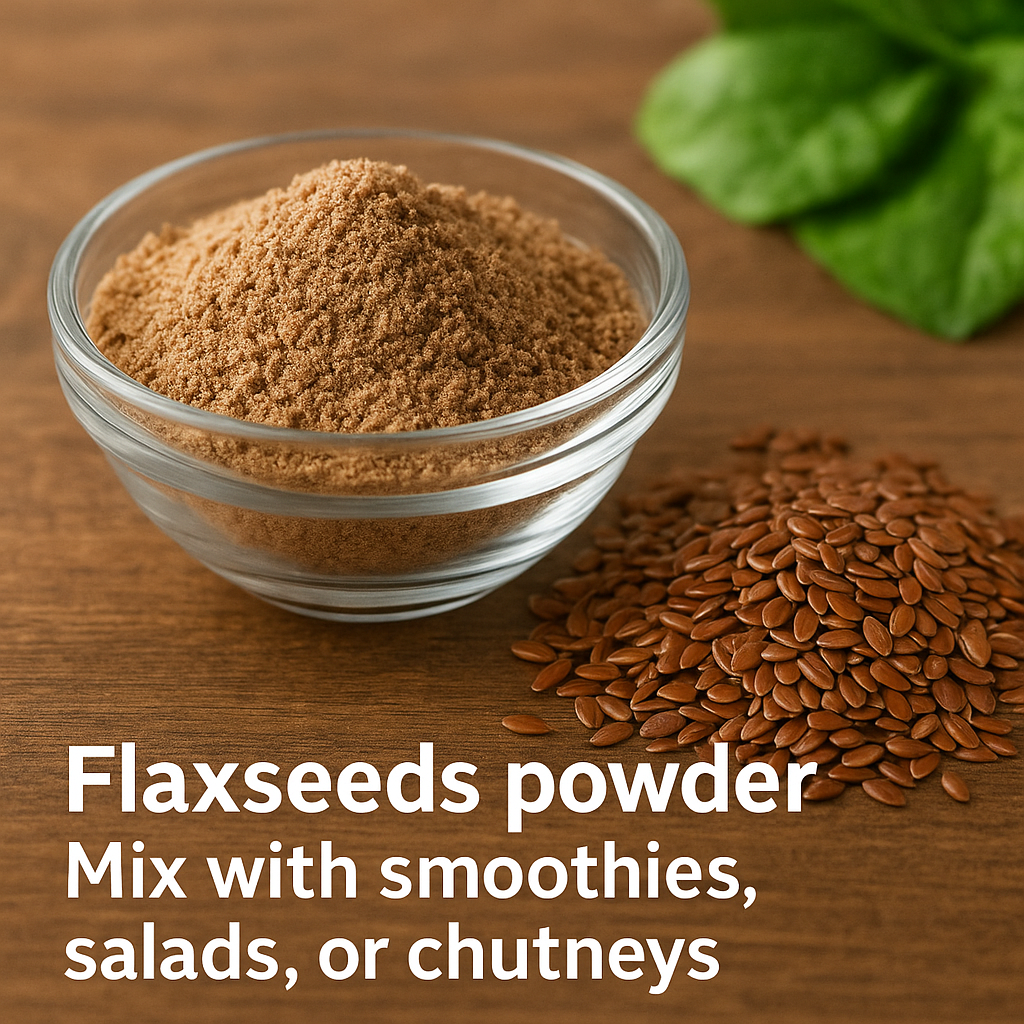
Flaxseed (Alsi) – Omega-3 for a Healthy Heart
Flaxseed is one of the richest plant sources of Omega-3 fatty acids (ALA).
These healthy fats lower LDL cholesterol and triglycerides and raise HDL, or “good,” cholesterol.
Its soluble fiber binds to cholesterol in the colon, so it can’t be absorbed into the bloodstream.
This double action makes flaxseed one of the best all-natural foods to lower cholesterol and maintain artery health
How to Use: Roast flaxseeds and grind into a powder. Mix with smoothies, salads, or chutneys. Only 1 tablespoon per day is needed.
Turmeric (Haldi) – Anti-Inflammatory Superstar
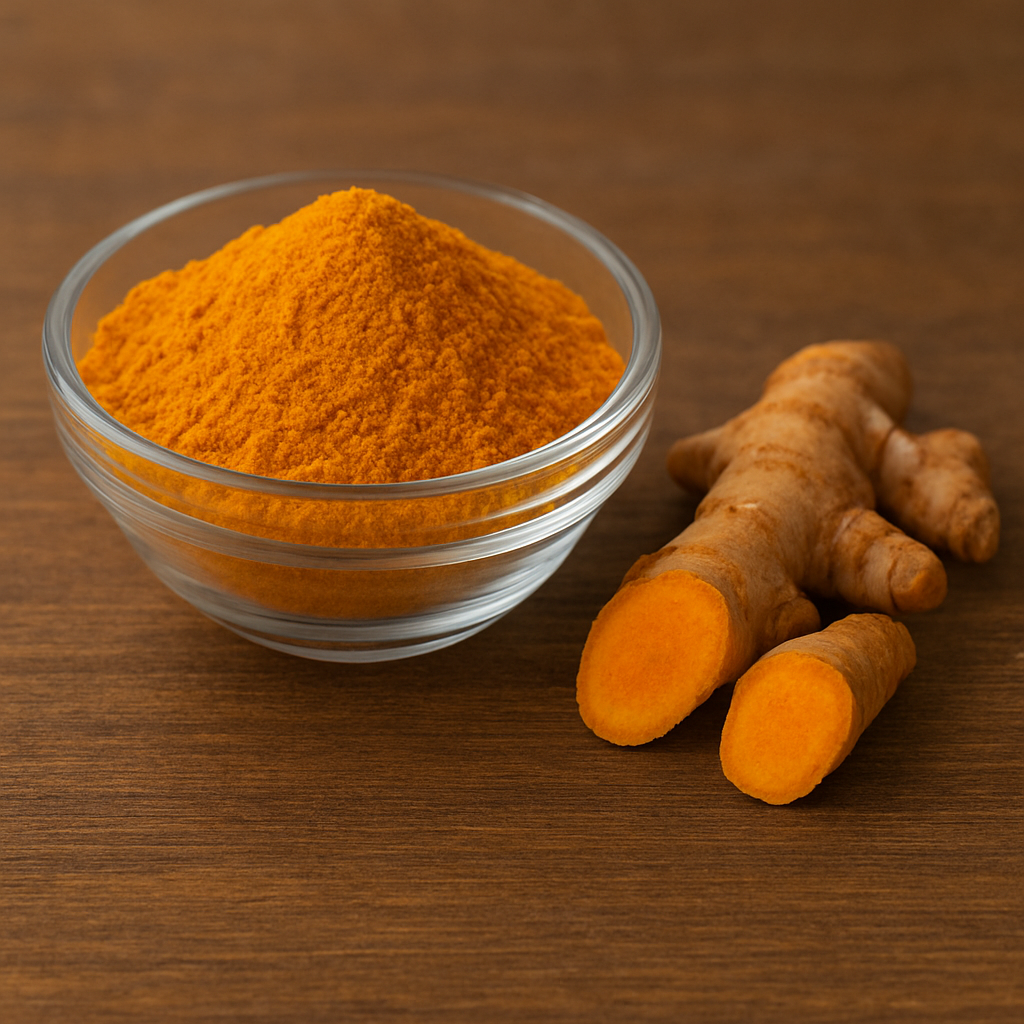
Turmeric’s bioactive substance curcumin is a powerful natural anti-inflammatory.
It inhibits cholesterol plaque accumulation and enhances the flexibility of arteries.
By lowering oxidative stress, turmeric wards off blood vessel damage and maintains overall cardiovascular health.
If used daily in the diet, turmeric ranks among the most convenient Ayurvedic cures for cholesterol and heart care.
How to Use: Mix ½ teaspoon into warm milk before bed, make turmeric tea or golden latte, or use it liberally in cooking.
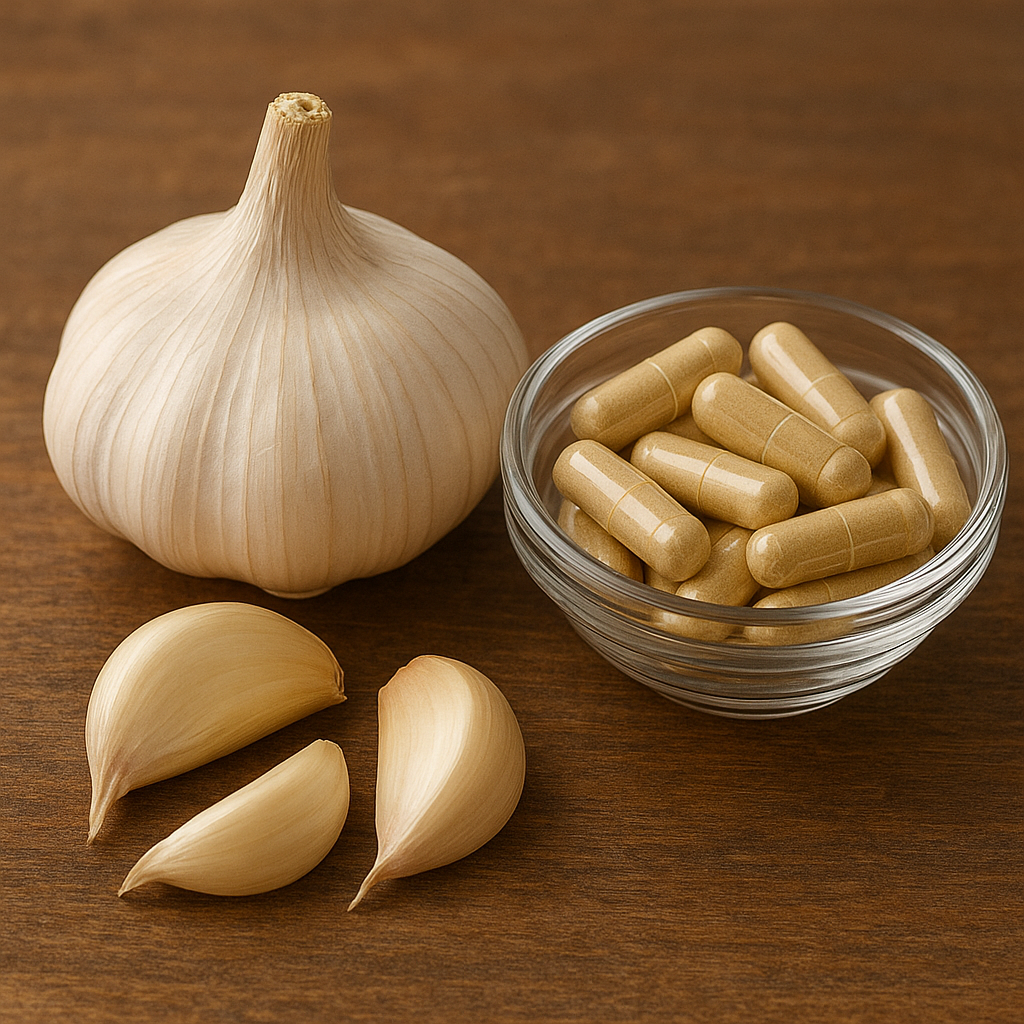
Garlic (Lahsun) – Natural Statin Alternative
Garlic is a natural cholesterol-lowering medication. Its active constituent allicin reduces LDL and triglycerides, improves blood flow and elasticity of arteries.
Garlic has been found to work like statins but without side effects and thus is a trust-worthy ingredient in Ayurveda for natural remedies for cholesterol and heart disease.
How to Use: Take 1–2 raw cloves once daily in the morning, or take garlic capsules if raw garlic triggers acidity. Take in liberal amounts in cooking for daily benefits.
Green Tea – Teeming with Antioxidants
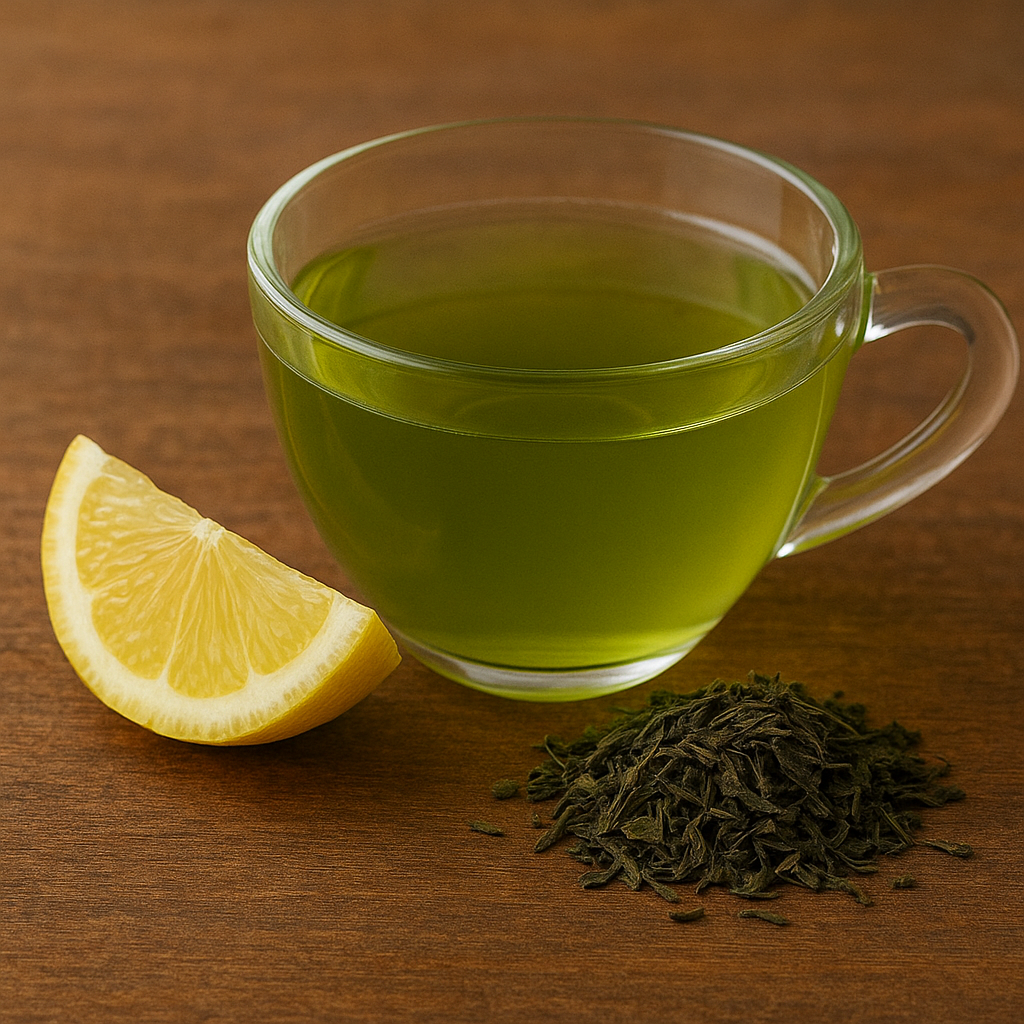
Green tea is loaded with active antioxidants known as catechins that burn fat, prevent LDL oxidation, and enhance metabolism.
Green tea, consumed daily, shields arteries, inhibits cholesterol accumulation, and ensures a healthy heart.
It’s an easy, daily drink that serves as a natural cholesterol-control treatment.
How to Use: Consume 2–3 cups Green tea per day, omit sugar, and squeeze in lemon for additional benefits.
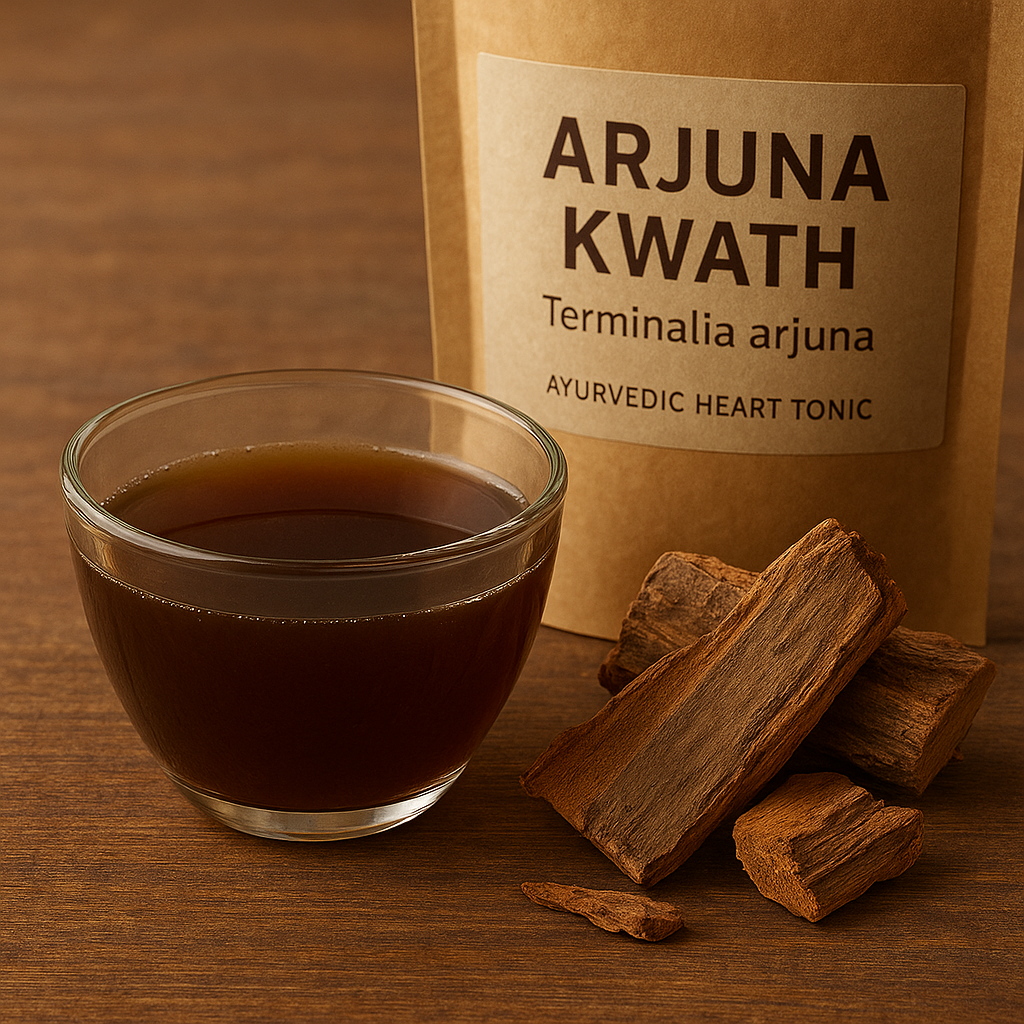
Arjuna Bark (Terminalia arjuna) – Ayurvedic Heart Tonic
Arjuna bark is one of the great Ayurvedic treatments, respected for more than 2,500 years as a cardio-protector.
It strengthens heart muscles, reduces blood pressure, and assists in lowering cholesterol plaque accumulation. High in natural antioxidants,
Arjuna improves circulation and acts as one of the superior Ayurvedic herbs for cholesterol and clogged arteries.
How to Use: Prepare Arjuna Kwath (boil bark powder in water, strain and drink).
Take capsules/tablets under Ayurvedic supervision, or blend powder with honey on a daily basis.
Lifestyle and Diet Tips for Cholesterol Control
Avoid fried food, refined carbohydrates, junk food, red meat while eating more fruits, vegetables, oats, legumes, nuts, and whole grains. Exercise for 30 minutes with brisk walking, yoga, or cycling daily.
Do Yoga and Pranayama such as Kapalabhati, Anulom-Vilom, for improved blood circulation. Stress Management needs to include meditation, mindfulness, and deep breathing exercises. When it comes to cholesterol control small lifestyle changes can make huge differences in cholesterol management.
Modern and Ayurvedic Combo – Balanced Approach
Regular lipid profile test: Monitoring the cholesterol levels by taking regular lipid profile tests is necessary.
Especially, for people at increased risk because of family history, diabetes, or high blood pressure.
Ayurveda aids prevention, but modern diagnostic techniques give precise information.
Being tested every 6–12 months ensures early detection, allowing proper integration of Ayurveda and allopathy.
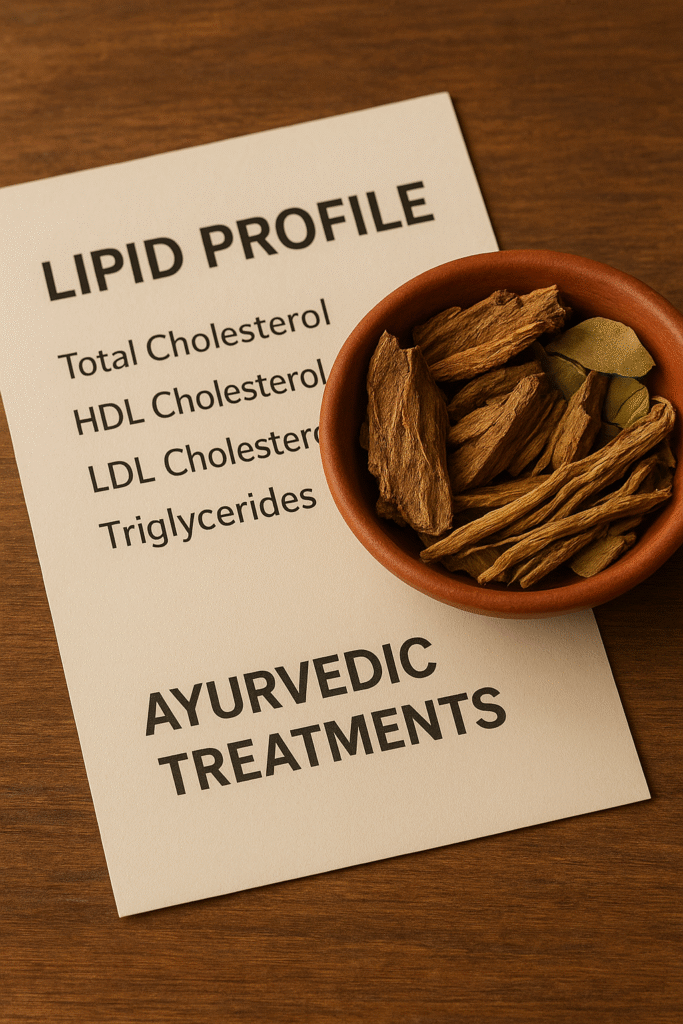
Ayurveda alongside Allopathy: Ayurvedic treatments such as garlic, turmeric, and Arjuna can add to statin medications prescribed by doctors.
It enhance long-term cardiovascular health.
But never, ever substitute life-saving drugs in a heart attack situation.
Blending modern medicine with Ayurveda enables patients to gain the benefits from both systems without risking safety or immediate treatment requirements.
Preventive role: Ayurveda is superior at preventing cholesterol deposits through diet, lifestyle, and digestion balance. Ayurveda’s herbs, detox routines, and stress alleviation therapies maintain heart health without any chemicals. Allopathy cannot match Ayurveda’s capability for long-term prevention, keeping arteries clear and the cardiovascular system strong against future threats.
FAQs
1. Can high cholesterol directly cause a heart attack?
Yes. Elevated LDL and triglycerides lead to build-up of plaques in arteries. If blood flow is blocked by a clot, it can induce a heart attack.
2. What are the best Ayurvedic remedies for cholesterol?
Flaxseed, turmeric, garlic, green tea, and Arjuna bark are established Ayurvedic treatments.
3. How long does it take to lower cholesterol naturally?
With proper diet and lifestyle, cholesterol levels can begin to improve in 6–12 weeks.
4. Is garlic as effective as medicine for cholesterol?
Garlic also reduces LDL, though in severe cases, it might also be treated with medications.
5. Which foods increase cholesterol the most?
Fried food, trans fat, red meat, processed snacks, and sweet desserts.
Call To Action
The moral of the story is that regardless of cholesterol being a silent killer, severely affecting cardiovascular health when lifestyle changes according to Ayurveda is implemented it can help minimize the risks associated with heart attack.
Make a small lifestyle change today by adding flaxseed, turmeric, garlic, green tea, and Arjuna bark to your daily routine. Want more Ayurvedic and natural heart health tips? Subscribe to our Heart Health Series and learn how to protect your heart naturally.