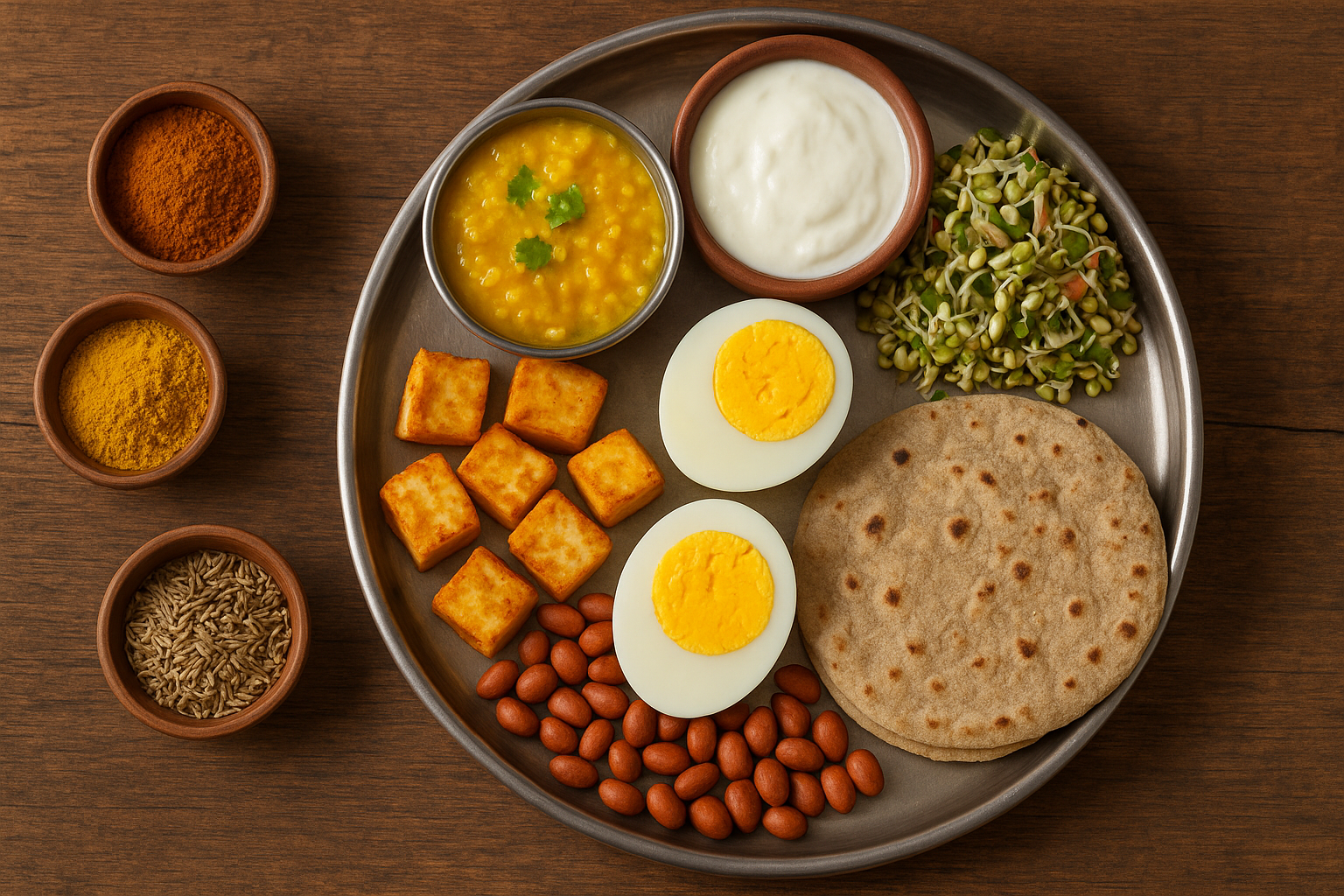
Why is India rediscovering millets as superfoods? As part of a global movement for healthy diets, the United Nations declared 2023 to be the International Year of Millets, and in 2025, the government continues to strongly support these ancient grains. At the same time, India has taken the lead as the global hub for millet promotion, with strong government campaigns in 2025 encouraging farmers, schools, and households to bring these grains back to the table.
Nutrient-dense millets for weight loss and diabetes are becoming more well-known for their capacity to counteract ailments associated with contemporary lifestyle choices.
Millets are a great option for managing weight since they are gluten-free, high in fiber, and rich in protein unlike refined wheat and polished rice.
They are a reliable food for managing diabetes because of their low glycemic index, which guarantees a gradual release of sugar.
Beyond their health benefits, millets are climate-friendly crops that grow well in arid climates.
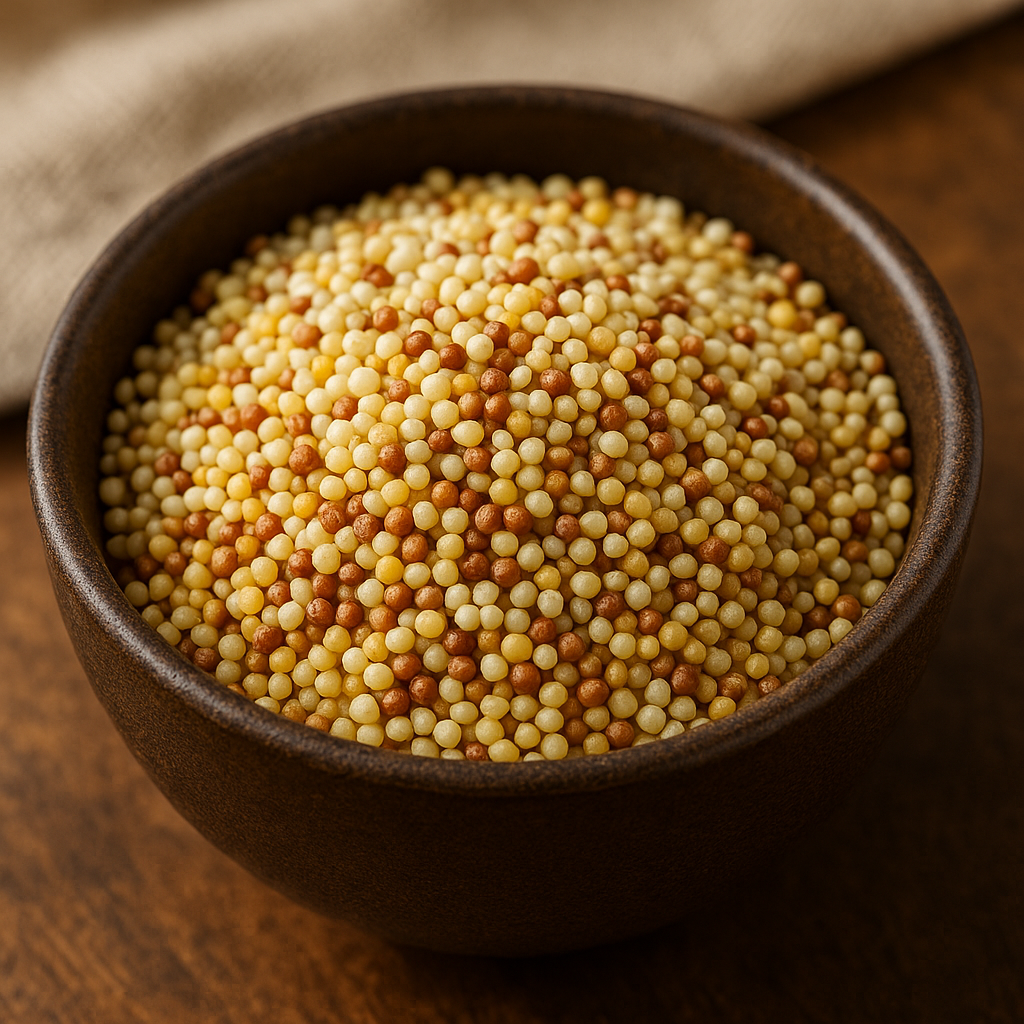
In this blog, we’ll look at 10 easy Indian millet recipes for weight loss and diabetes. Find out how these nutri-cereals can improve both your health and your plate.
Why Millets Are Called Nutri-Cereals?
Millets, sometimes referred to as the “grains of the poor,” have been a staple of Indian cuisine for thousands of years. Because of their exceptional nutritional content and health advantages.
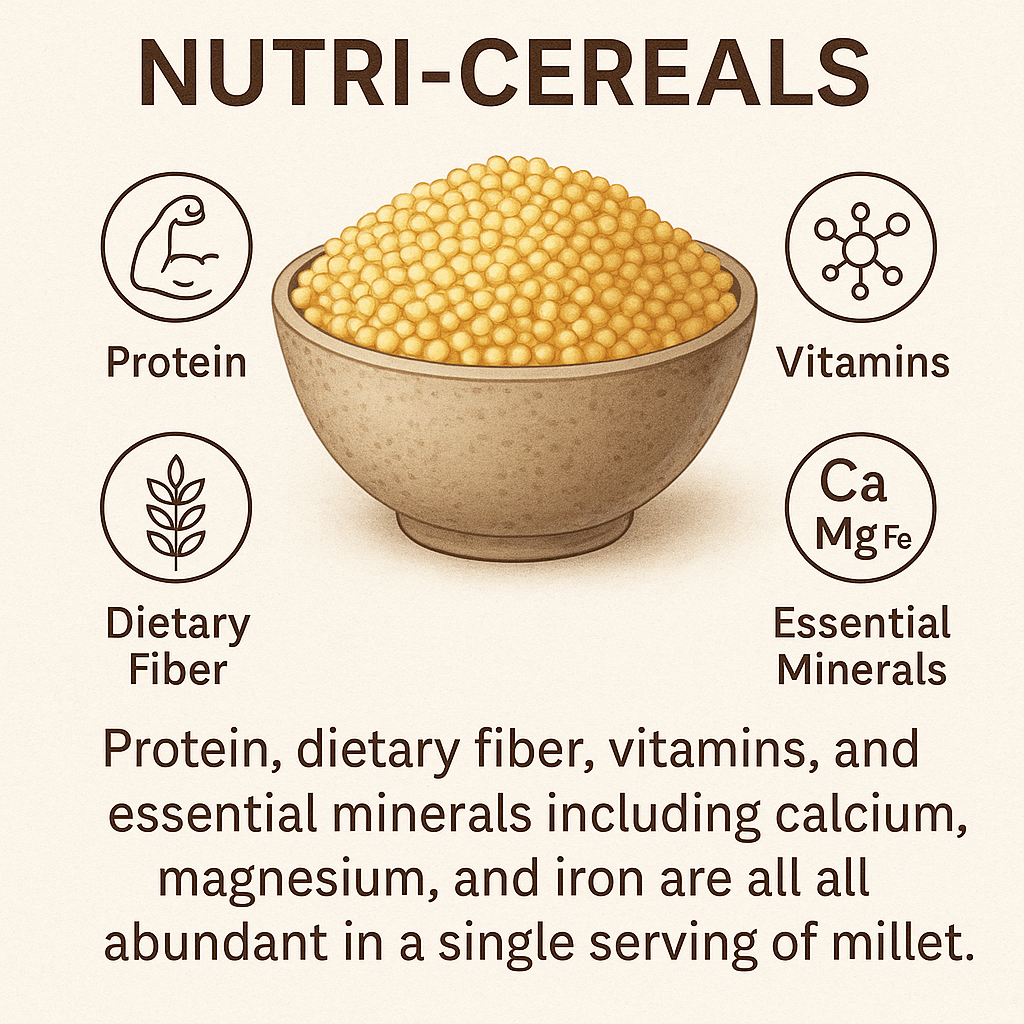
Certainly, they are now proudly making a comeback to kitchens as nutri-cereals. protein, dietary fiber, vitamins, and essential minerals including calcium, magnesium, and iron are all abundant in a single serving of millet.
Most significantly, they are among the greatest foods for managing diabetes because of their low glycemic index, which guarantees foods for diabetes management.
Millets are a natural ally for weight loss.
Their high satiety value and low-calorie density help you feel fuller for extended periods of time.
Energy balance, metabolism, and digestion can all be greatly enhanced by substituting millets daily for refined grains on a daily basis.
Acknowledging this, India has established itself as a global leader in millet promotion, positioning the crop as climate-resilient and crucial to long-term food security.
Millets are currently being reintroduced into contemporary diets through restaurants, schools, and health initiatives, with the help of government campaigns and nutrition legislation. To put it briefly, benefits of millets for diabetes and weight loss; they are an essential part of creating a healthy way of life and a more resilient future.
Best Millets for Weight Loss & Diabetes
Not all millets are the same—each variety offers unique health benefits. If you’re wondering which millet is best for weight loss and diabetes, here are the top choices backed by nutrition science:
Different types of millets have different health advantages. Here are the which millet is best for weight loss and diabetes that have been supported by nutrition science: You may eat great cuisine without sacrificing your health by include these top millets for diabetes and weight loss in your meals.
Diabetic Friendly & Weight Loss
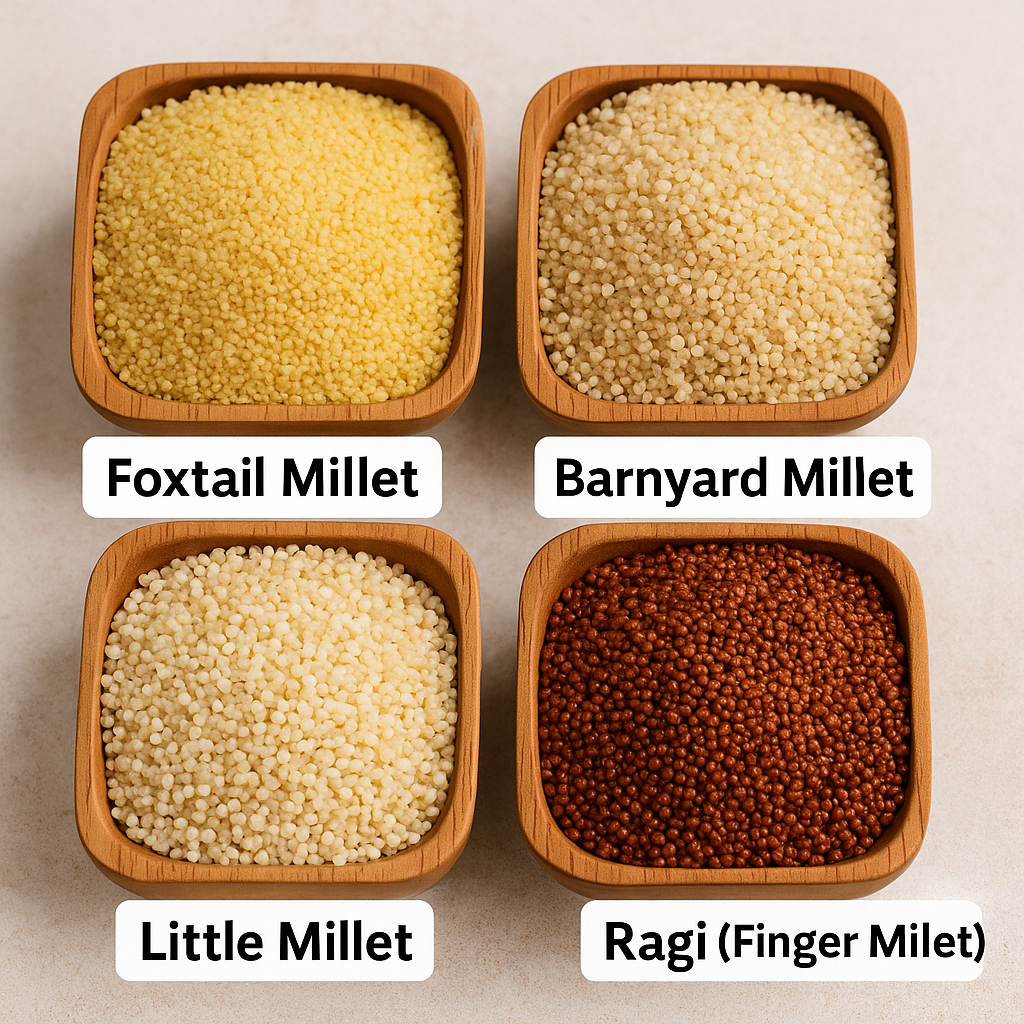
- Foxtail Millet: Foxtail millet is perfect for controlling diabetes because of its low glycemic index, which maintains diabetes control.
- Barnyard Millet: This millet is light on the stomach and full of fibre, which helps with digestion and weight management.
- Little Millet: Little millet is a great cereal substitute for those with diabetes because it is gluten-free and easy to digest.
- Ragi (Finger Millet): Ragi, which is high in amino acids and calcium, keeps you full for a long time. It is among the best millets for weight loss in India in India since it helps curb cravings.
10 Easy Indian Millet Recipes
It doesn’t have to be monotonous to incorporate millets into your regular meals! These easy Indian millet recipes are nutritious, delicious, and ideal for anyone trying to weight loss or diabetes management. Let’s explore:
Foxtail Millet Upma: A healthy take on the traditional upma from South India. This easy millet recipe for weight loss substitutes foxtail millet for semolina, making it light, fluffy, and high in fibre, making it a guilt-free comfort food.
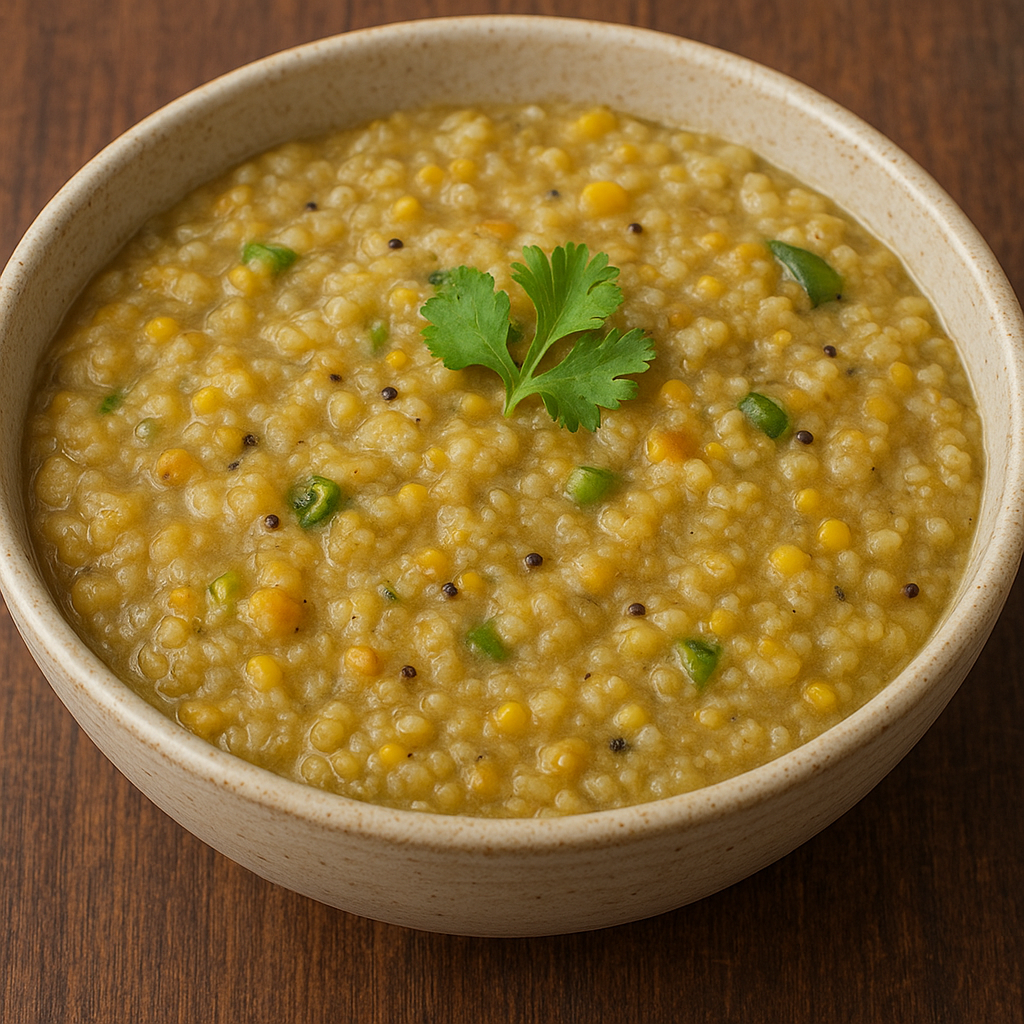
Pearl Millet (Bajra) Khichdi: A favourite throughout the winter! On chilly evenings, Bajra khichdi is incredibly satisfying, high in energy, and good for digestion. A solid option for controlling weight.
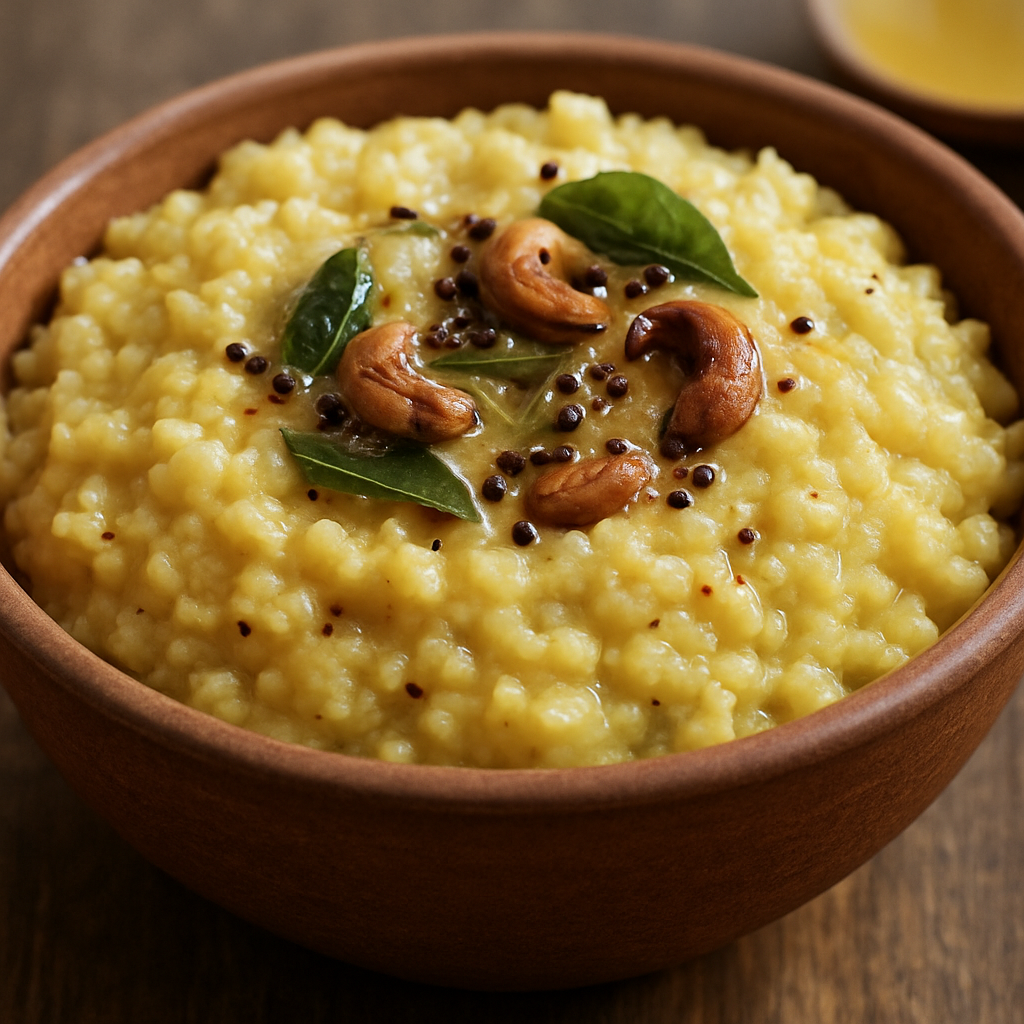
Millet Pongal: Millets, ghee, and mild spices combine to create this comforting dish. This well-balanced dish is good for breakfast or dinner and is calming for the digestive system.
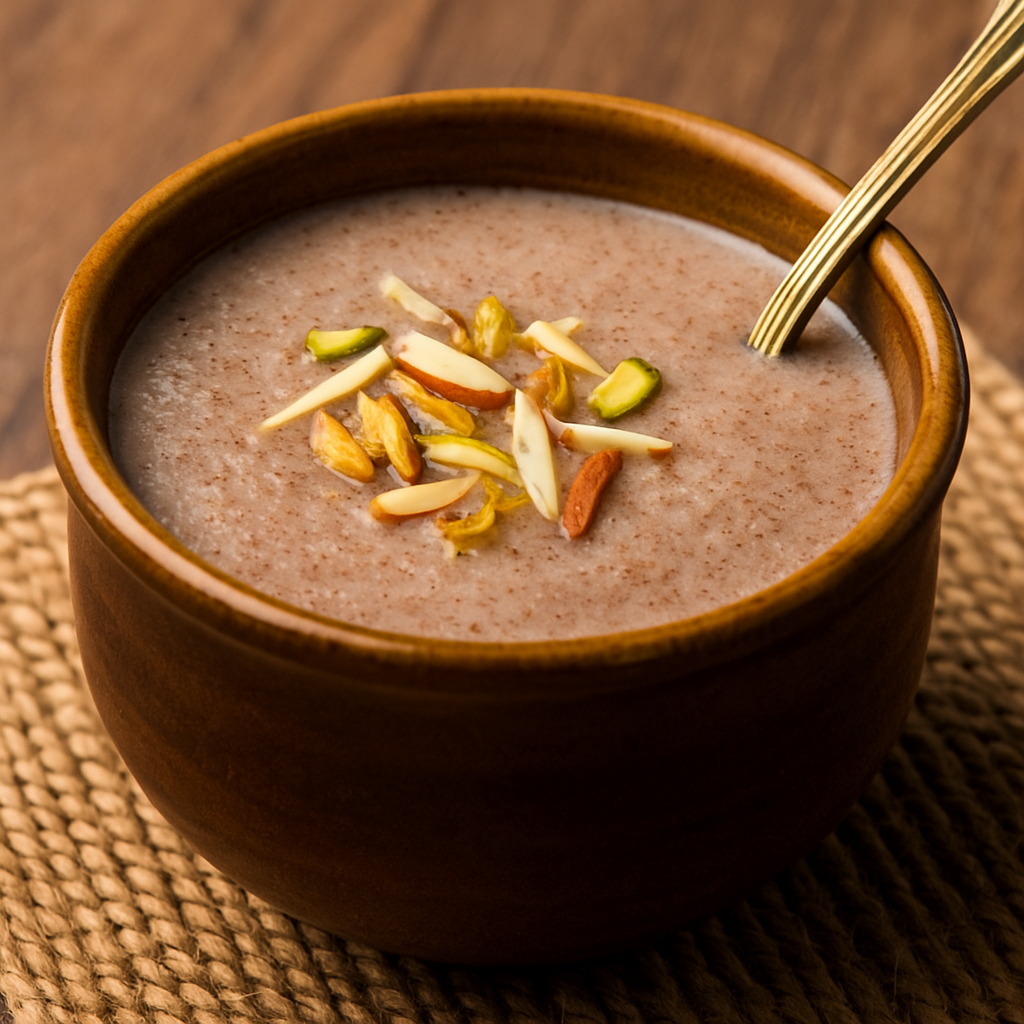
Ragi Porridge (Nachni Malt): A filling, hot breakfast that stabilizes blood sugar levels. Rich in calcium and iron, this diabetic-friendly millet recipe is ideal for mornings when you need sustained energy.
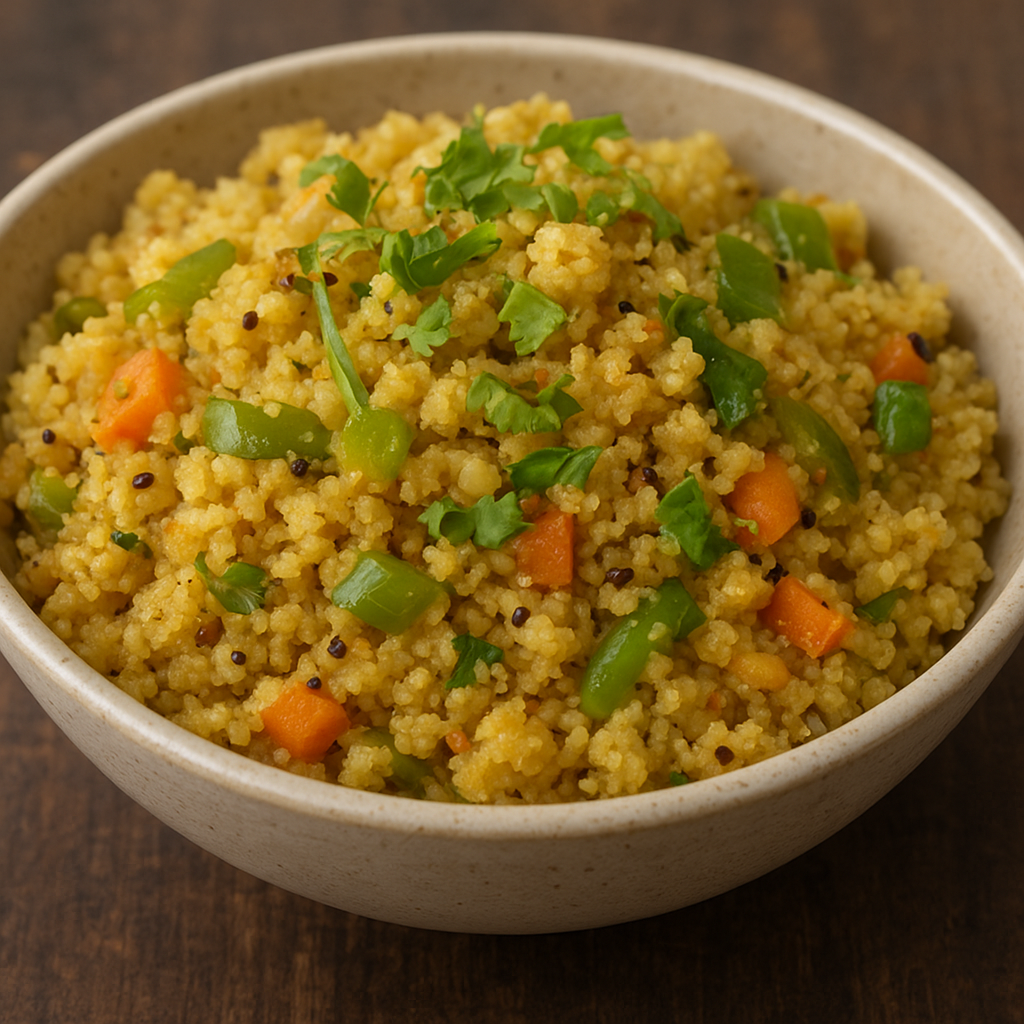
Kodo Millet Dosa: Rice-free, golden, crispy dosas! This gluten-free millet recipe is easy to digest, good for your gut, and goes well with sambhar or chutneys.
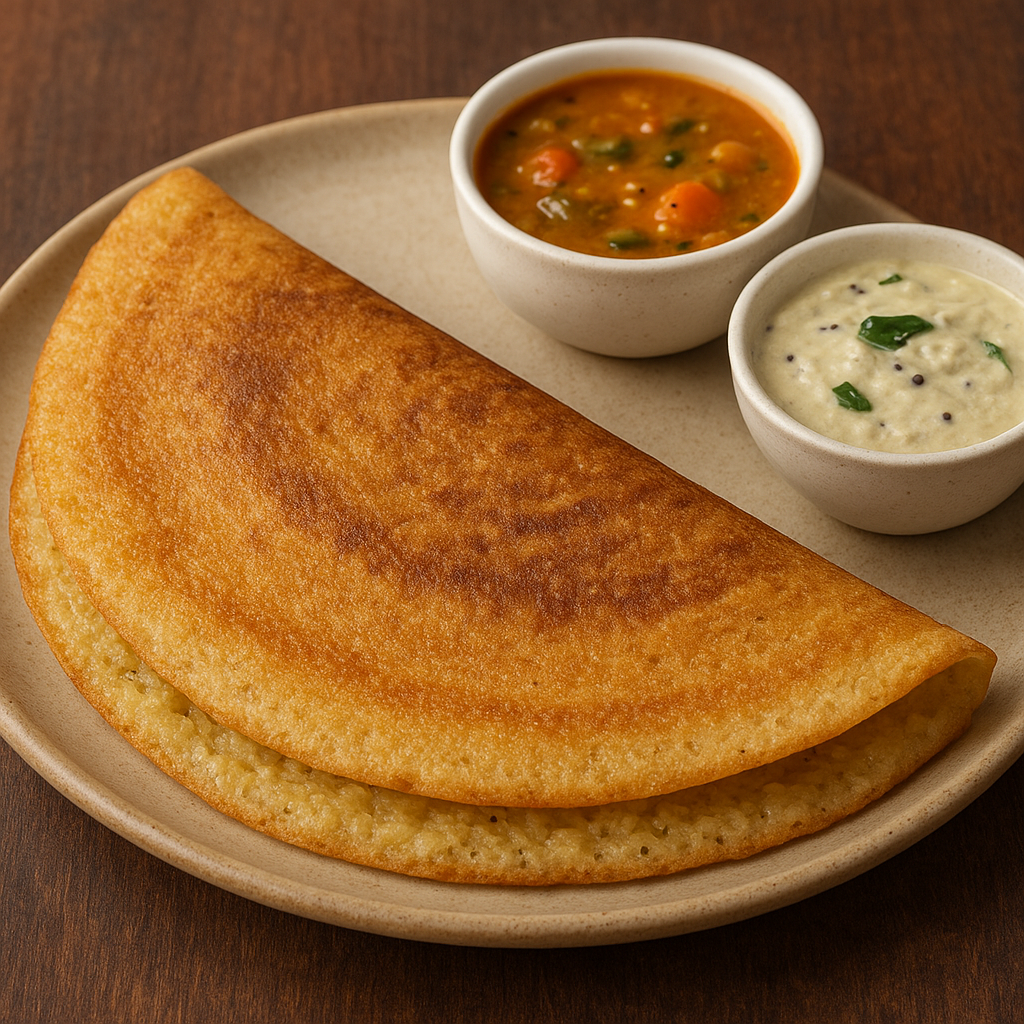
Millet Idli: Millet idlis are a fantastic alternative to traditional rice idlis for breakfast because they are soft, fluffy, and totally diabetes-safe. They are nutrient-dense, steaming, and oil-free.
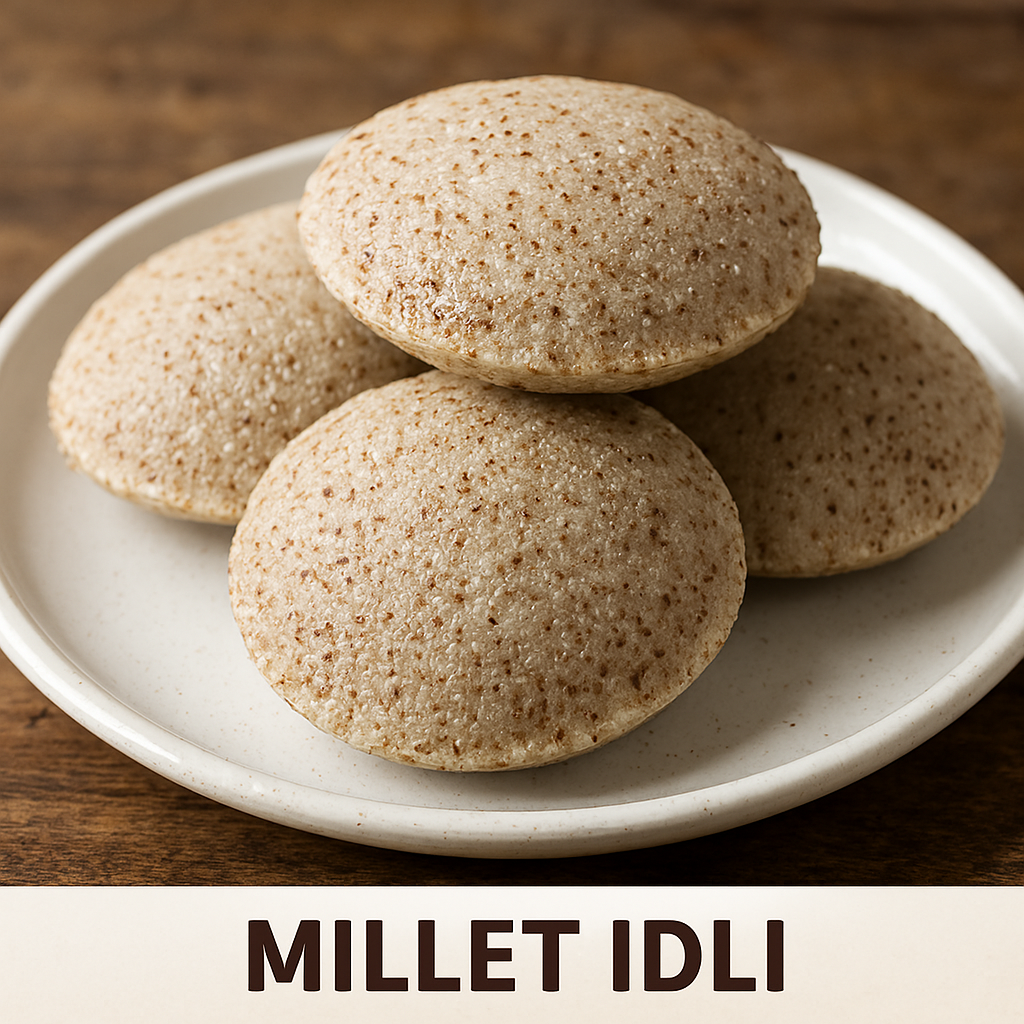
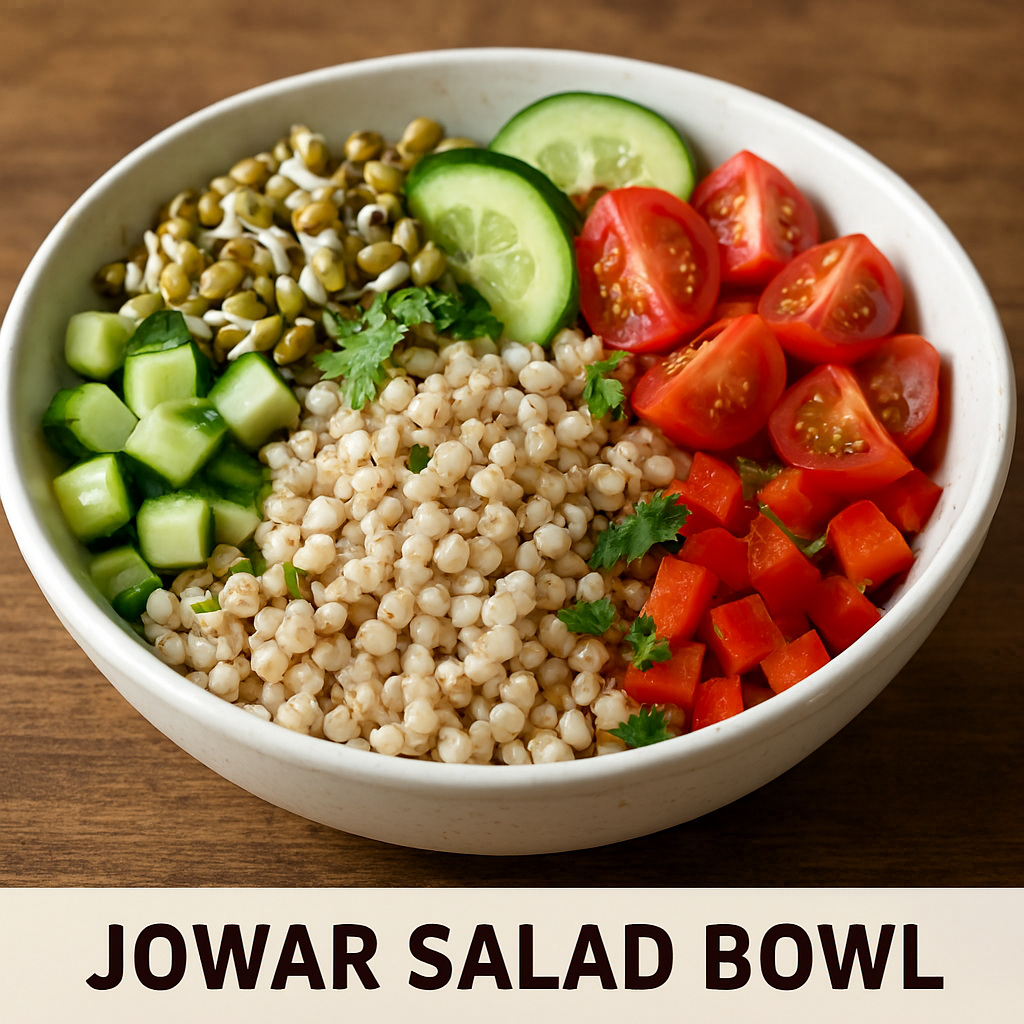
Jowar Salad Bowl: A modern twist! Toss cooked jowar grains with sprouts, fresh veggies, and herbs for a refreshing, high-fiber salad. Perfect for weight loss meal plans. A contemporary spin! For a cool, high-fiber salad, cooked jowar grains with sprouts, fresh veggies, and herbs. ideal for meal programs aimed at weight loss meal plans.
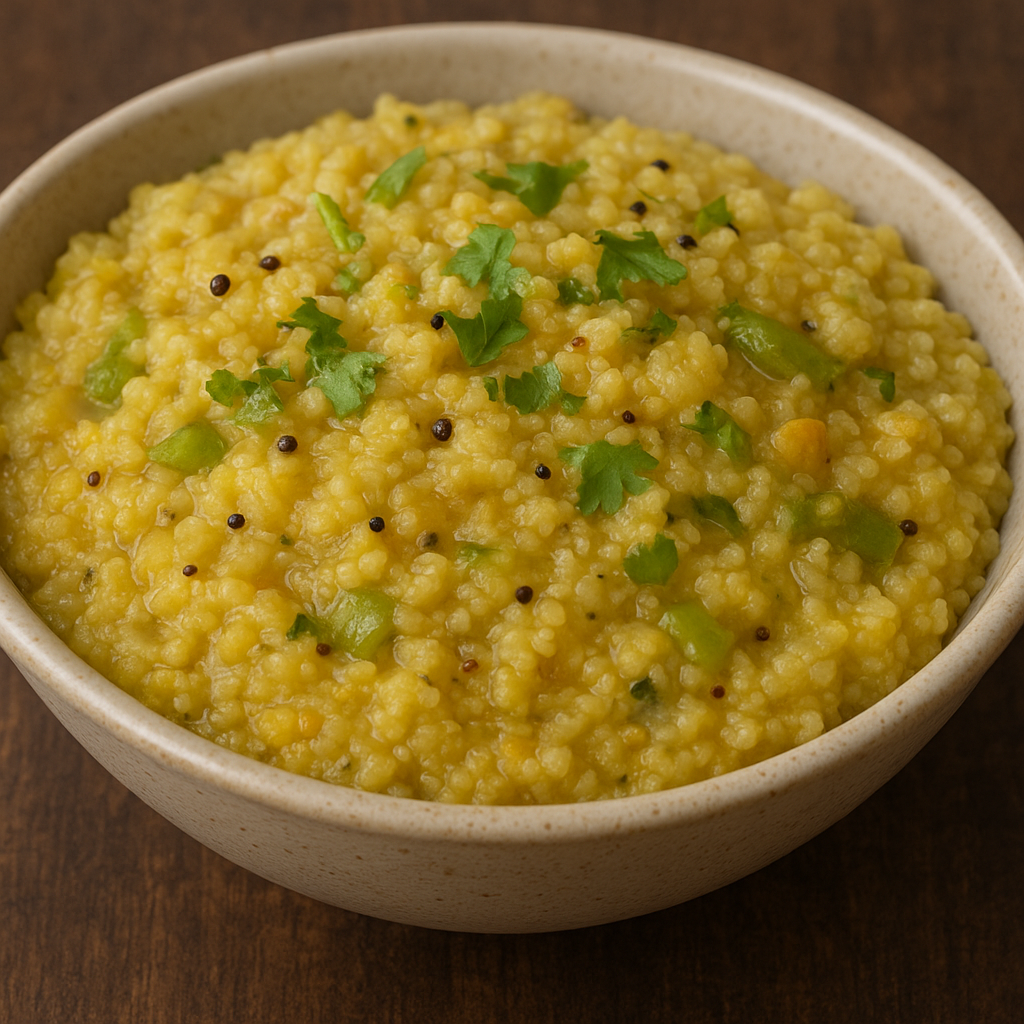
Barnyard Millet Khichdi: This recipe, which mixes barnyard millet with lentils for a low-glycemic index, high-protein meal, is perfect for light evenings or fasting days. diabetics and weight watchers will love this dish.
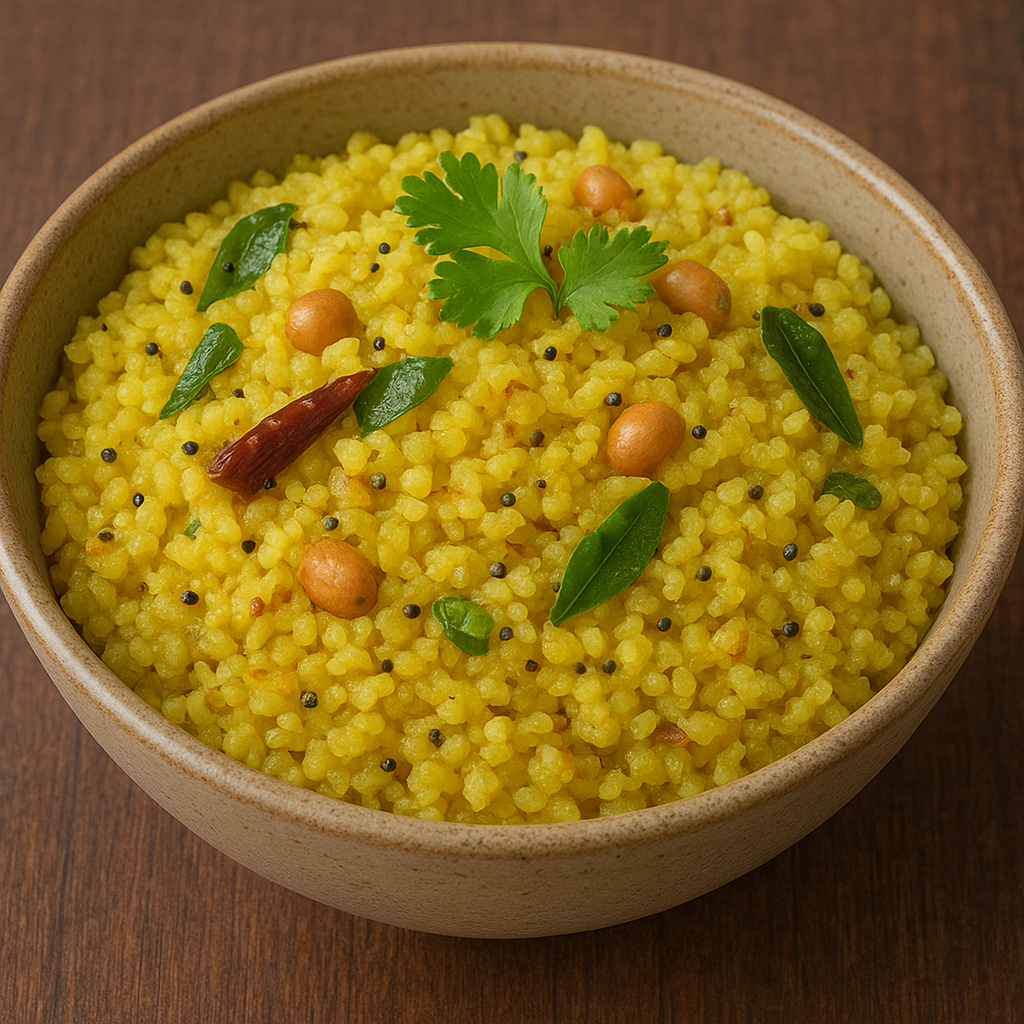
Little Millet Lemon Rice: A sour, spicy substitute for rice. This simple millet recipe for diabetes is a great lunchbox alternative and offers a constant supply of energy.
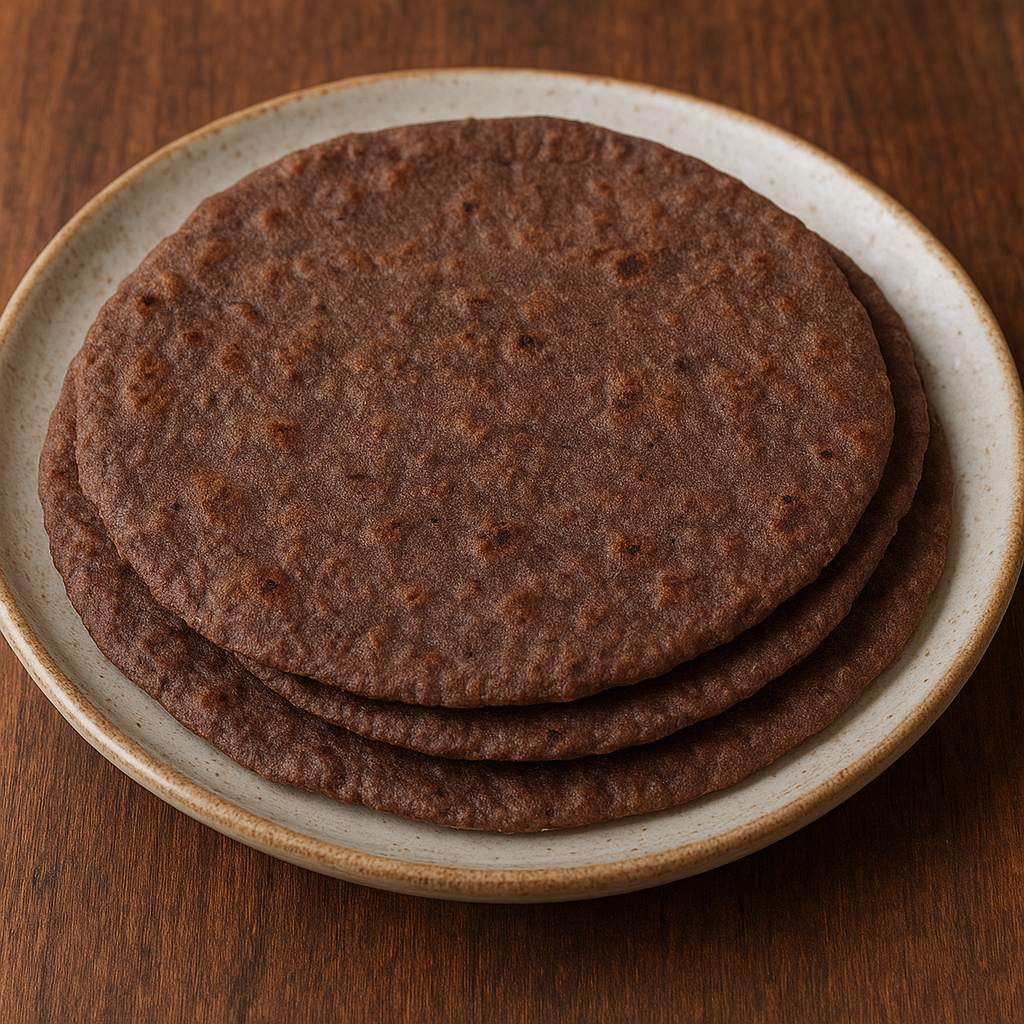
Ragi Roti (Nachni Roti): A high-fiber flatbread that pairs well with dal or sabzi. Weight loss millet recipe helps you curb cravings and feel fuller for longer.
👉 These easy Indian millet recipes demonstrate that flavour doesn’t have to be sacrificed for health. These millet dishes fit easily into everyday living, whether your goal is weight management or diabetes control.
How to Include Millets in Your Daily Diet
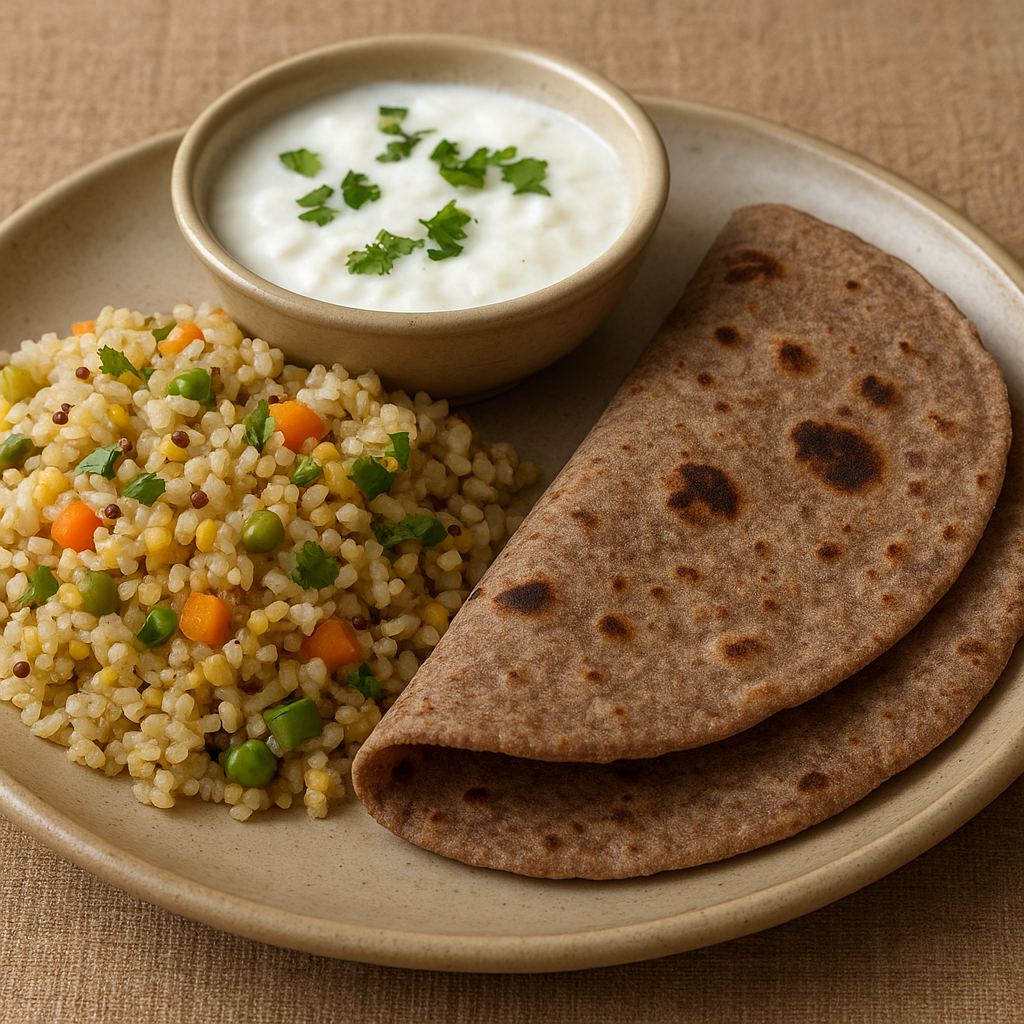
Do you want how to eat millets daily without making your meals more difficult? Variety and easy exchanges hold the key. Use a millet diet plan to replace one grain-based meal every day, such as rice with foxtail millet pulao or wheat chapati with ragi roti.
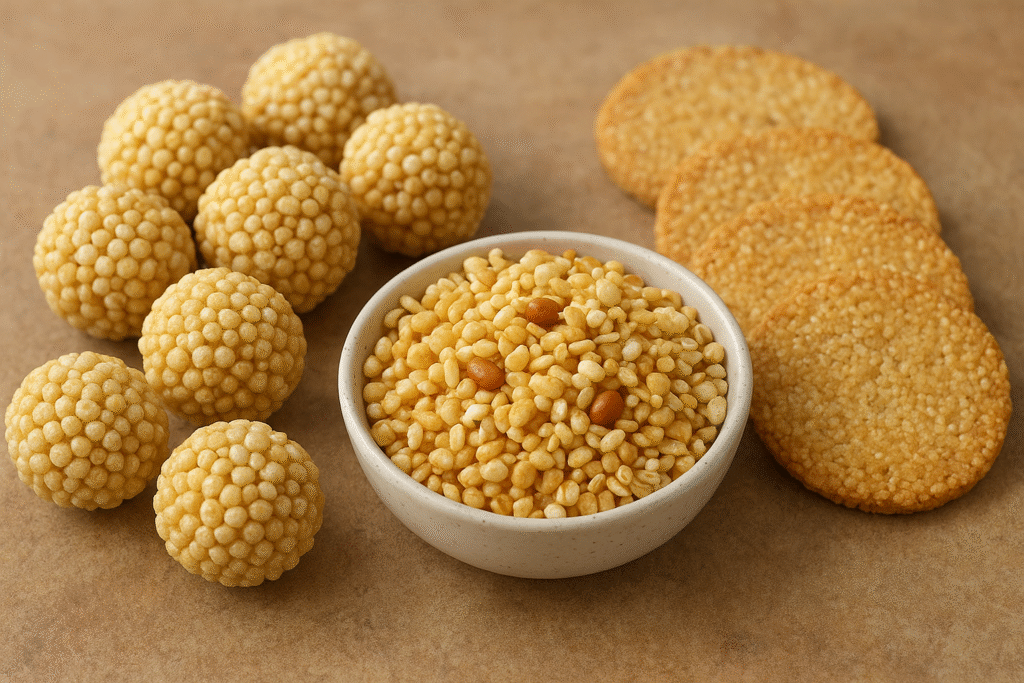
To make nutritious and well-balanced meals, you can also combine millets with dal, veggies, or curd. Try millet porridge, idlis, or dosas for breakfast, and khichdi or pongal for dinner. Puffed millet laddoos, millet crackers, or puffed millet bhel can all be used to make snack time healthy.
Start small—introduce 2–3 millet-based meals a week —and work your way up to daily inclusion to ease the transition.
This guarantees that your body adjusts properly as you benefit from these ancient grains’ ability to help you weight loss and diabetes management benefits.
Precautions & Who Should Limit Millets
Millets are safe for most people although moderation is essential.
Because some types contain goitrogens that might hinder the absorption of iodine, excessive ingestion may result in thyroid-related issues.
Always soak, sprout, or cook millets properly, to minimize these millets side effects. This improves digestibility and lowers anti-nutrients.
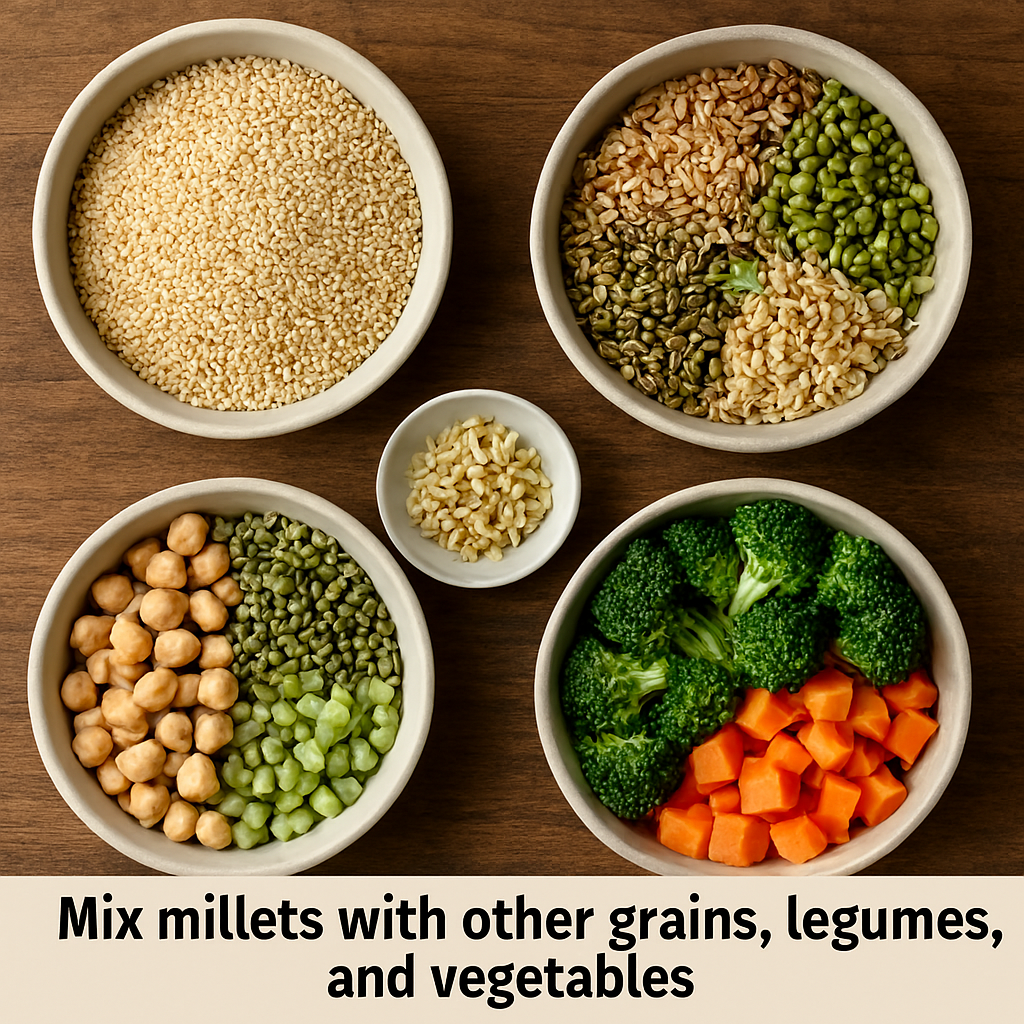
Before beginning a millet diet plan, people with certain thyroid disorders or gastrointestinal sensitivities should speak with a physician.
To guarantee full nourishment, mix millets with other grains, legumes, and vegetables. Balance is key.
Therefore, the answer to the question “are millets safe for everyone?” is to enjoy them in moderation, even though they are very helpful.
Conclusion & Call to Action
Millets are superfoods for weight loss and diabetes management, and they are more than simply conventional grains. These nutri-cereals promote long-term wellness, consistent energy, and healthy digestion because of their high fiber, protein, and low glycemic index. The recipes we looked at, which ranged from ragi porridge to millet khichdi, demonstrate that eating healthily can be both tasty and sustainable.
It’s your turn now! Try two or three of these easy Indian millet recipes this week to see how your energy and health improve. 🌿✨
👉 For more millet-based recipes, Ayurvedic diet tips, and healthy living ideas subscribe to our blog.
FAQs on Millets for Weight Loss & Diabetes
1. Which millet is best for weight loss?
👉 Ragi, foxtail millet, and barnyard millet are among the best millets for weight loss. They are rich in fiber, low in calories, and help keep you full for longer.
2. Which millet is best for diabetes control?
👉 Foxtail millet and little millet are excellent for diabetes as they have a low glycemic index that keeps blood sugar levels stable.
3. Can I eat millets daily?
👉 Yes! Nutritionists recommend including 1–2 millet-based meals daily as part of a balanced diet. This helps with weight management, better digestion, and improved blood sugar control.
4. Are millets safe for everyone?
👉 Generally, yes. However, people with thyroid issues should consume millets in moderation and always cook/soak them properly to reduce anti-nutrients.
5. How do I start a millet diet plan?
👉 Begin by replacing one meal daily (like rice with millet pulao or wheat roti with ragi roti). Gradually increase variety with millet idli, khichdi, or snacks.
Quick Takeaways on Millets for Weight Loss & Diabetes
- ✅ Millets are superfoods: rich in protein, fiber, vitamins, and minerals.
- ✅ They have a low glycemic index, making them ideal for diabetes control.
- ✅ For weight loss, millets provide high satiety with fewer calories.
- ✅ Best millets: Ragi, Foxtail Millet, Barnyard Millet, Little Millet.
- ✅ Easy swaps: Replace rice with millet pulao, wheat roti with ragi roti, or try millet idli and khichdi.
- ✅ Government policies continue to promote millets as nutri-cereals for a healthy future.
- ✅ Precaution: People with thyroid issues should consume in moderation and always soak/cook properly.
- ✅ Start small—include 1 millet-based meal daily and gradually expand variety.
👉 Millets are the perfect blend of health, taste, and sustainability—making them essential for modern diets.