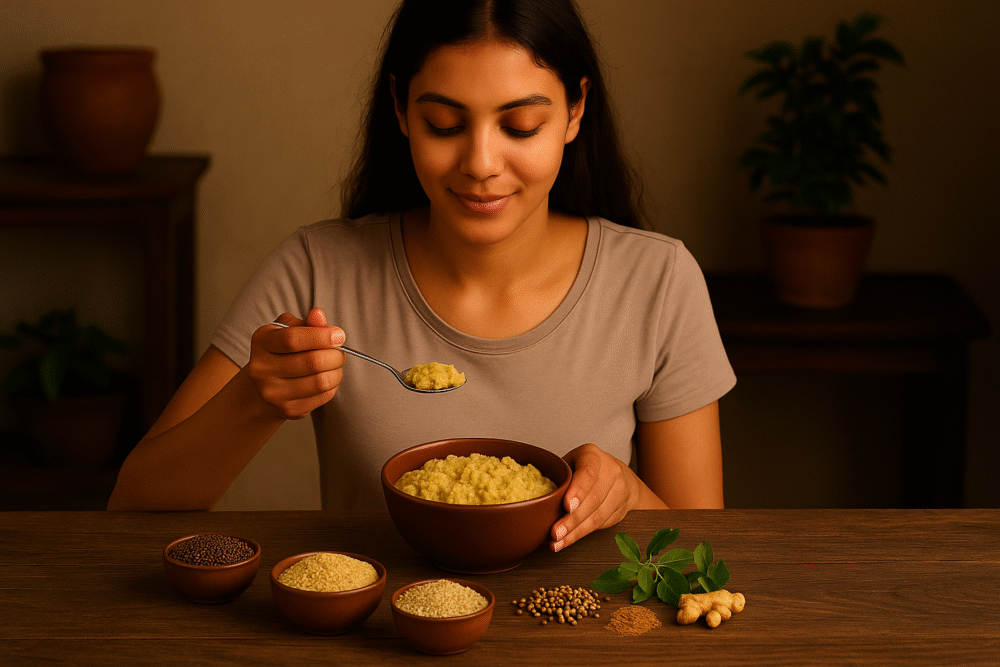
“Rice and wheat may rule your plate, but Ayurveda crowns millets the real grain heroes—ready to switch sides?”
The basis of most modern Indian meals are rice and wheat. The use of refined white rice and white wheat still dominate the state. As a result, millets have been pushed to the margins. The state’s reliance on these staples has been accompanied by a scary increase in lifestyle diseases like diabetes, obesity, and digestive disorders.
Though Ayurveda and the traditional food cultures have never regarded the rags bajra, ragi, foxtail, and kodo as less nutrient-rich foods that would have contributed to the health and happiness of the people. Here the discussion is mainly focused on millets vs rice benefits, millet vs wheat nutrition and ayurveda wheat vs millet.
What Are Ancient Grains & Why Do They Matter
Ancient grains for health refer to cereals that have been grown for hundreds of years with almost no change in their characteristics.
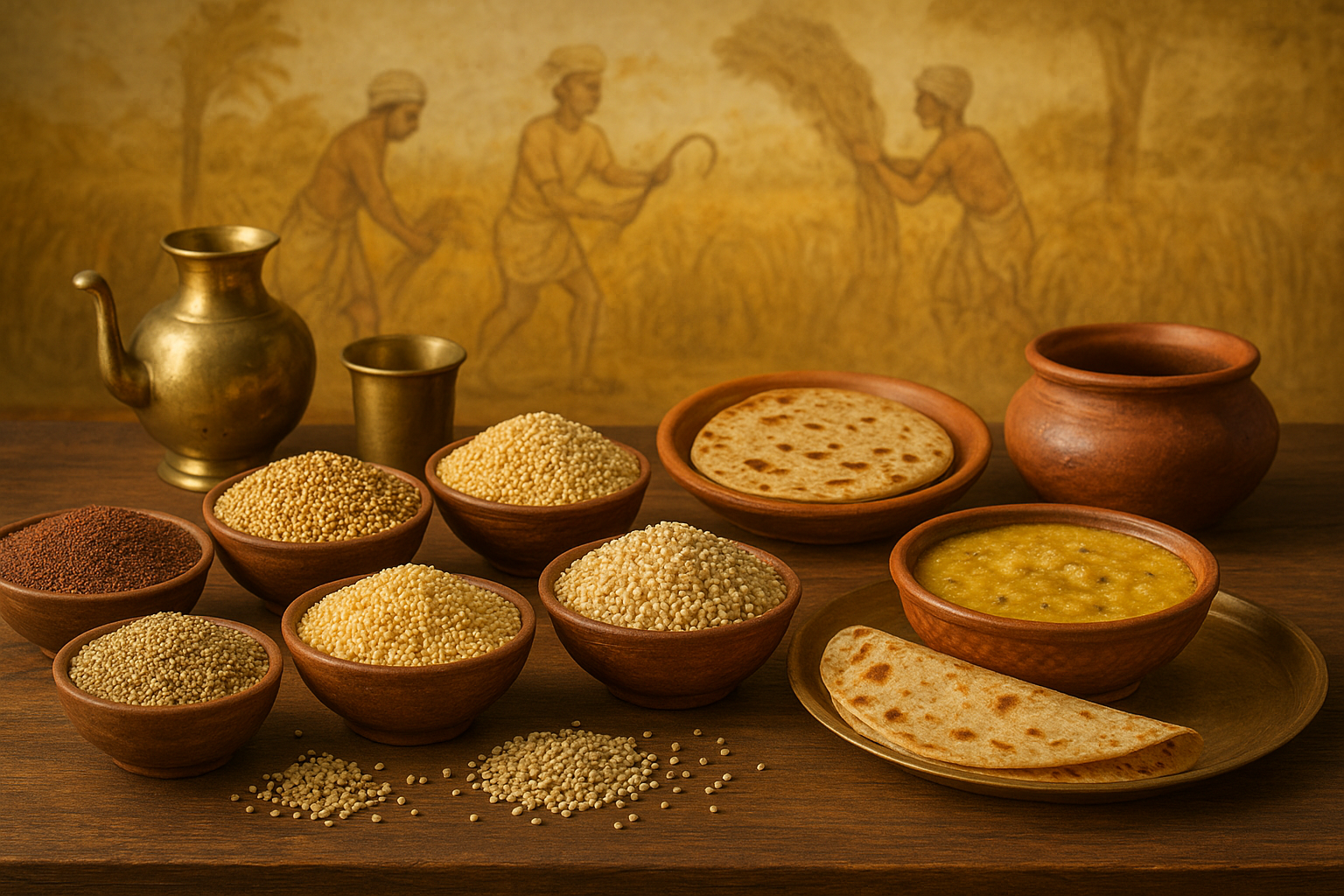
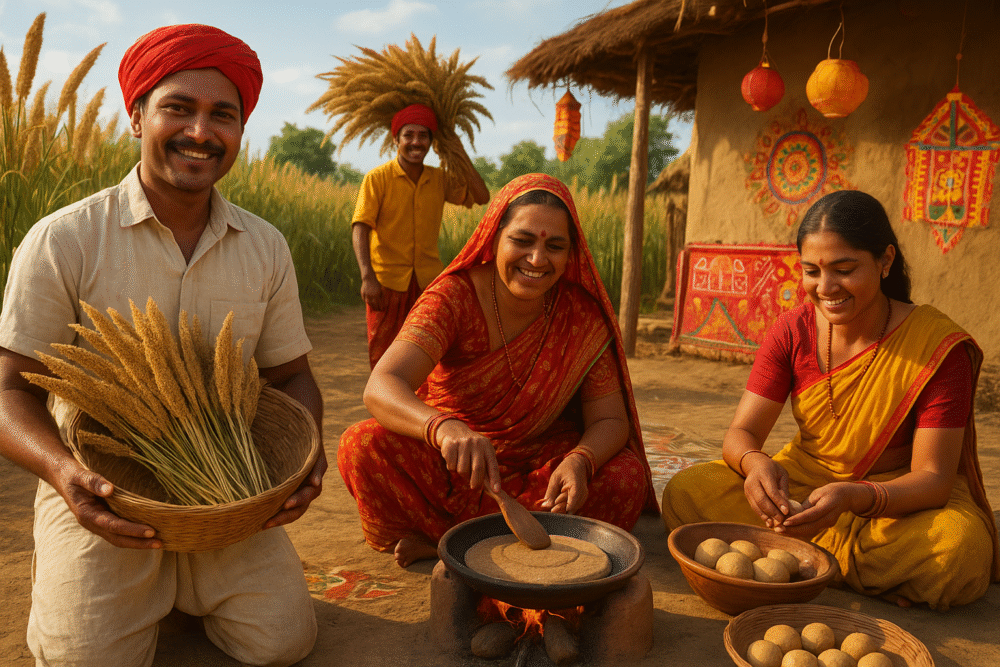
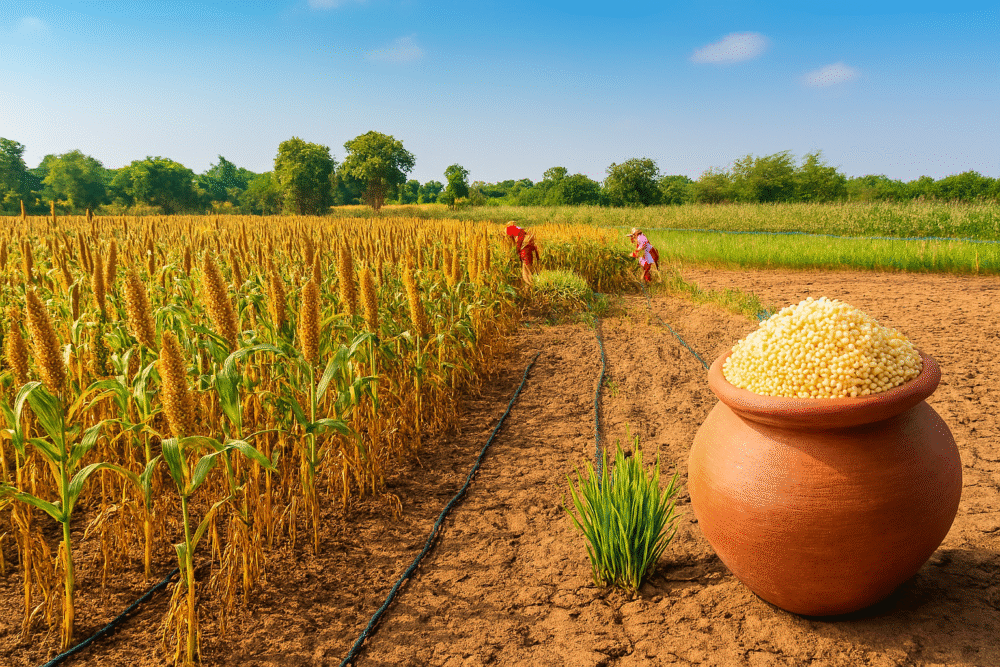
Millets were once the staple food of the whole India and were especially popular in the regions with dry climate.
That’s why they were used for their ability to withstand the harsh conditions.
These grains were considered to be balancing and nourishing when they were cooked in the right way according to Ayurveda.
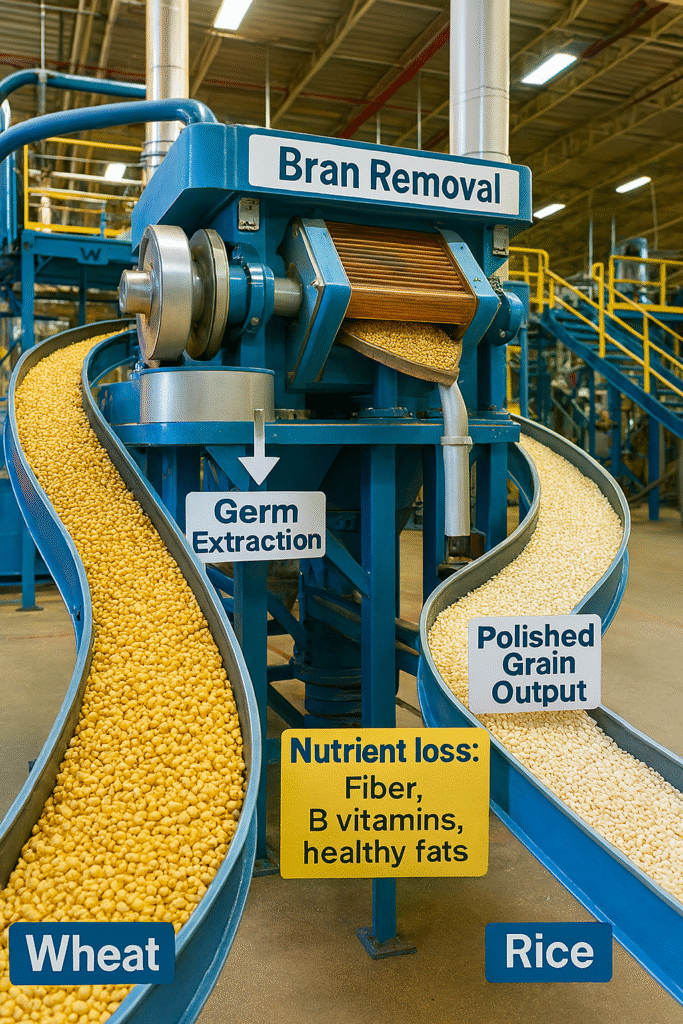
The industrial processing of wheat and rice, which removes the bran and germ, is a method that produces foods that can be easily digested but give very little nutrition.
Such processing leads to food with high caloric value but low in minerals, essential nutrients, and fibre.
Ayurveda explains this disorder as Ama or the formation of undigested toxins and weakening of Agni or the digestive fire.
Nutritional Comparison: Millets vs Rice vs Wheat
How Millets Compare Nutritionally to Rice & Wheat
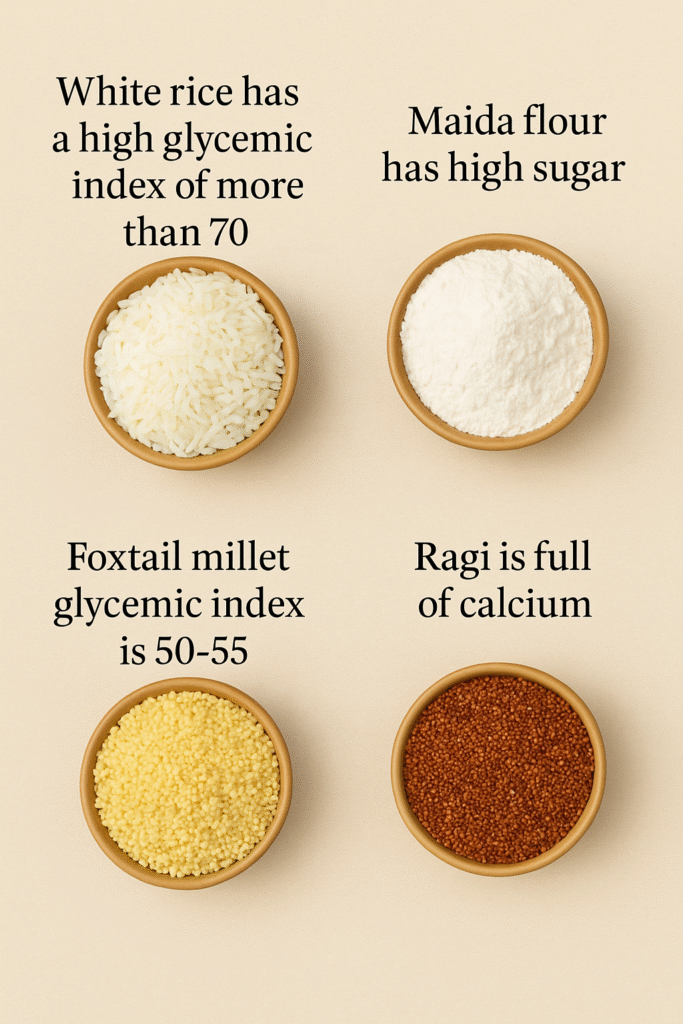
Scientific evidence confirms the Ayurvedic observations. It is known that white rice has a high glycemic index of more than 70, which leads to very quick blood sugar peaks. It is said that wheat is at the medium level but acts as sugar when it is processed into Maida flour.
The glycemic index of millets is low and their release is gradual. The glycemic index of foxtail millet is 50-55, and that of barnyard millet is 41.7, which is one of the lowest values. Besides, the excellence of millets is also present in their fibre content. Comparing millet vs wheat nutrition also shows millet is more nutritious.
It is known that white rice has less than one percent of fiber and refined wheat around two percent, while millets are often more than ten percent. Thus, they provide satiety, help to equalize cholesterol, and become a source of bowel function. The concentration of micronutrients is also different with these grains.
Ragi is full of calcium which is very important for bone structure, and bajra has more iron and protein than rice or wheat. From a nutritional point of view, millets are the most perfect examples of old high-fiber grains and they show more balance to have a healthy life in the long run.
Digestion & Ayurvedic Perspective
Ayurvedic View: How Grain Choice Affects Digestion & Doshas
In Vata persons who have a tendency for dry and diffused digestion, millets should be prepared with ghee, hot water, or steamed and then given a softened texture.
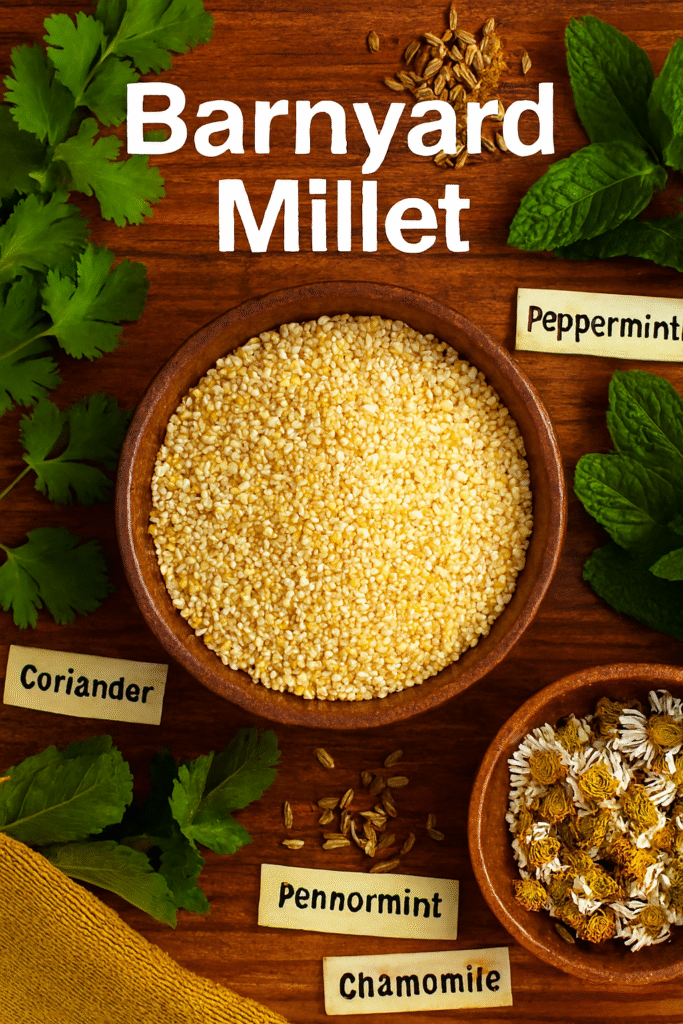
Barnyard millet is a cooling grain which along with cooling spices like coriander, fennel, peppermint, and chamomile helps to cool hot Pitta.
In Kaphas, the lightest varieties such as kodo or foxtail millet can help to lose fat and remove water retention, especially when used with hot spices.
Thus, through Ayurveda, the effect of the choice of grain on the balance and the health is seen directly.
According to Ayurveda, food is classified based on its impact on Agni and Vata, Pitta, and Kapha doshas.
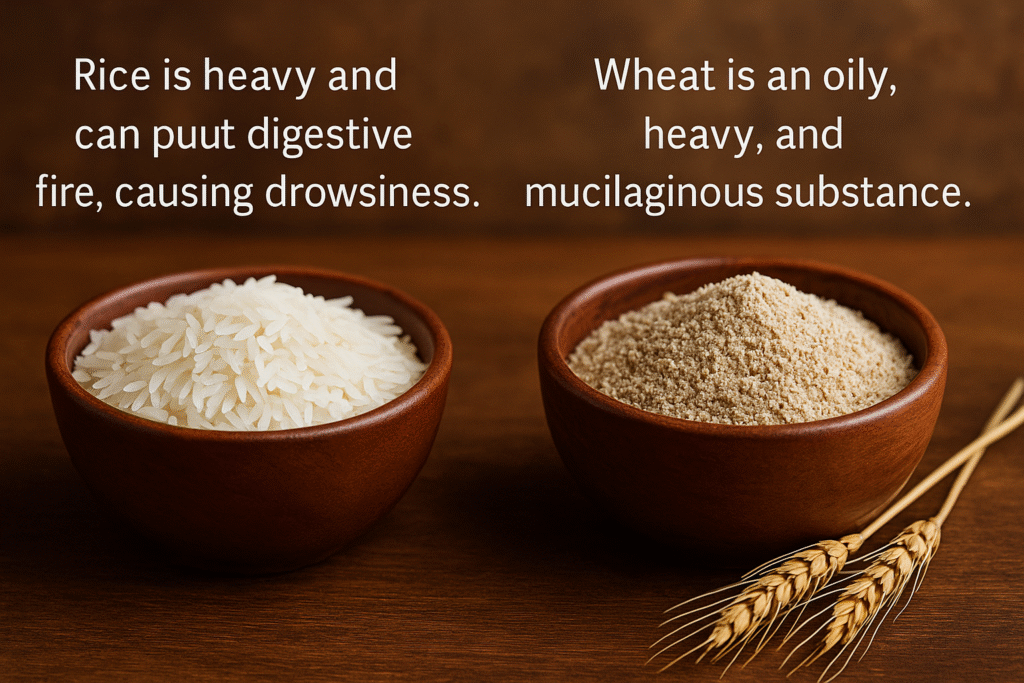
Unpolished rice is nourishing and has a cooling effect, while white polished rice is heavy and can put out digestive fire, thus causing drowsiness.
Wheat is an oily, heavy, and mucilaginous substance. When it is used for strengthening in small quantities, if more than required is used.
It will muffle Kapha resulting in mucus, weight gain, and the induction of lethargy. Millets are astringent and light in nature.
If they are properly cooked, they will balance all three doshas but bring different changes depending on the constitution.
Health Implications: Diabetes, Weight & Gut Health
Why Ayurveda Recommends Millets for Diabetes, Weight Loss & Gut Health
The prevalence of type 2 diabetes in India is one of the major health issues that can be linked to the consumption of refined wheat and white rice. Eating multiple servings of white rice every day leads to an increased glycemic load, and the processed wheat makes the situation worse due to the lack of dietary fiber and speedy absorption. Ayurveda indeed advises the use of moderation and proper digestion as the cure, and at the same time, it warns against the danger of monotony and excess.
Millets are a way out. Their low glycemic load effectively stops serum glucose from spiking.
The clinical trials have acknowledged their capability of reducing postprandial blood glucose levels, therefore, certifying they are safe in diabetes management.
Fiber also plays a role in weight maintenance because it causes satiety and thus, the person does not consume more food than necessary.
The gastrointestinal system is also strengthened by high fiber intake which supports normal defecation, nurtures the growth of beneficial gut microflora, and prevents bloating.
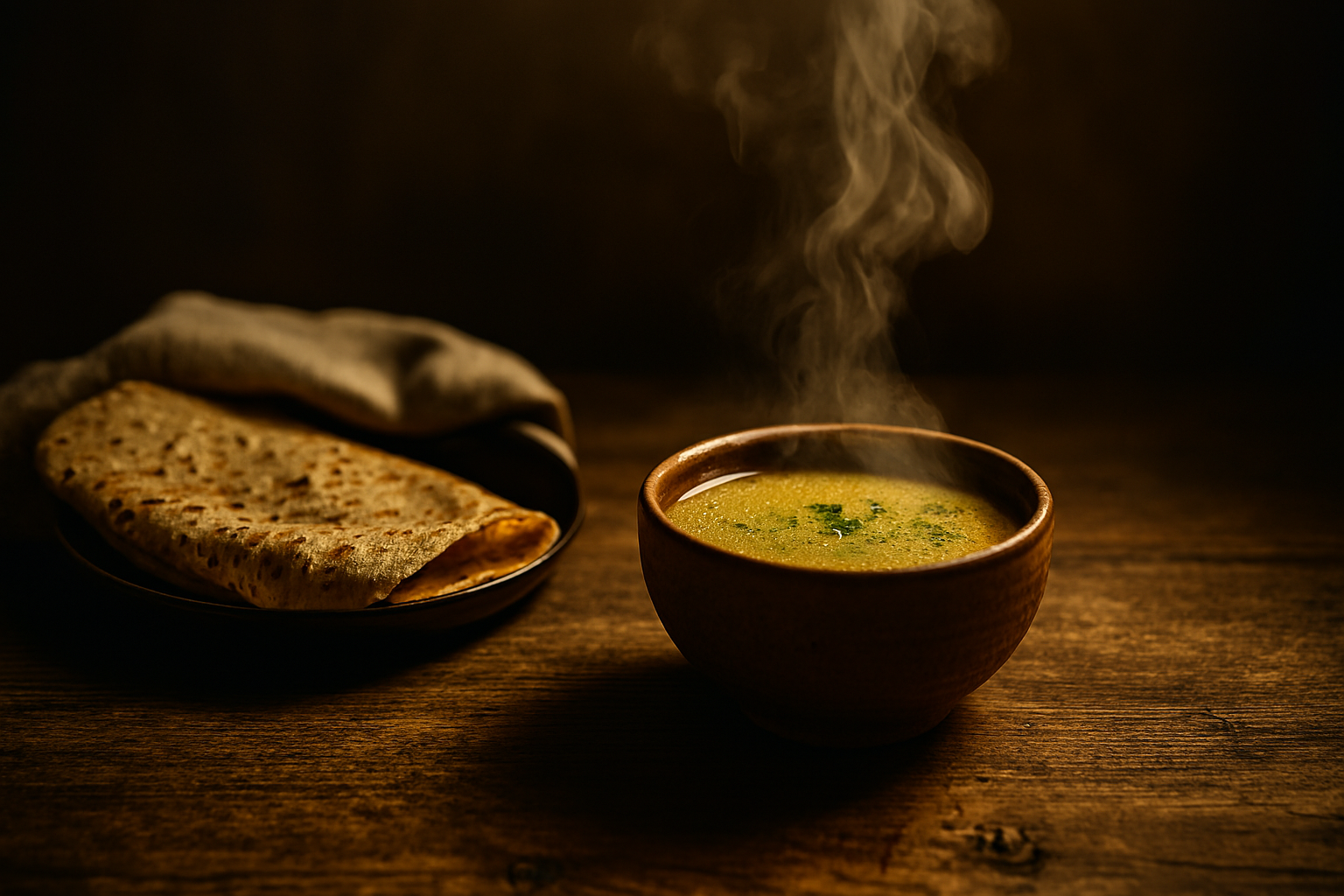
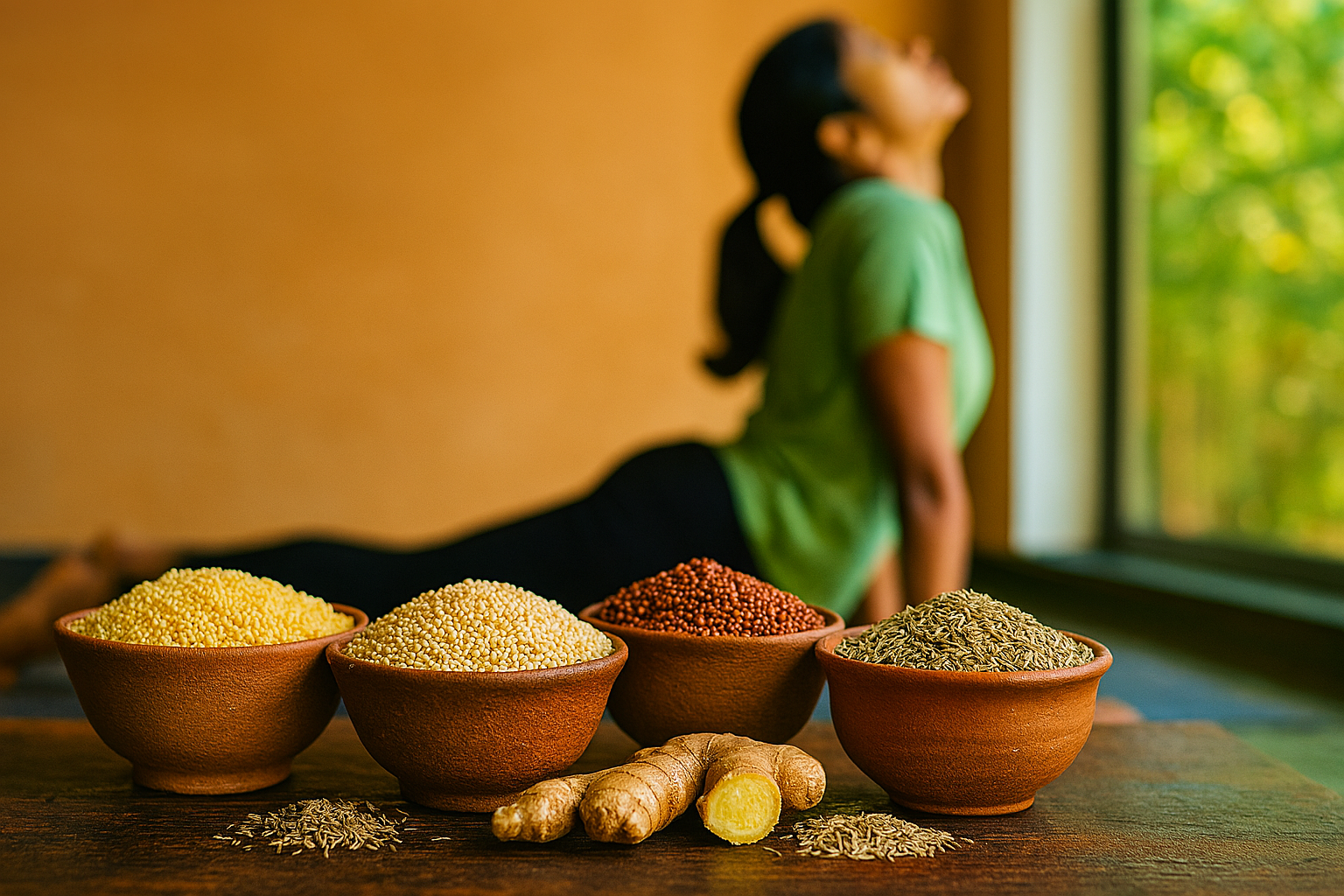
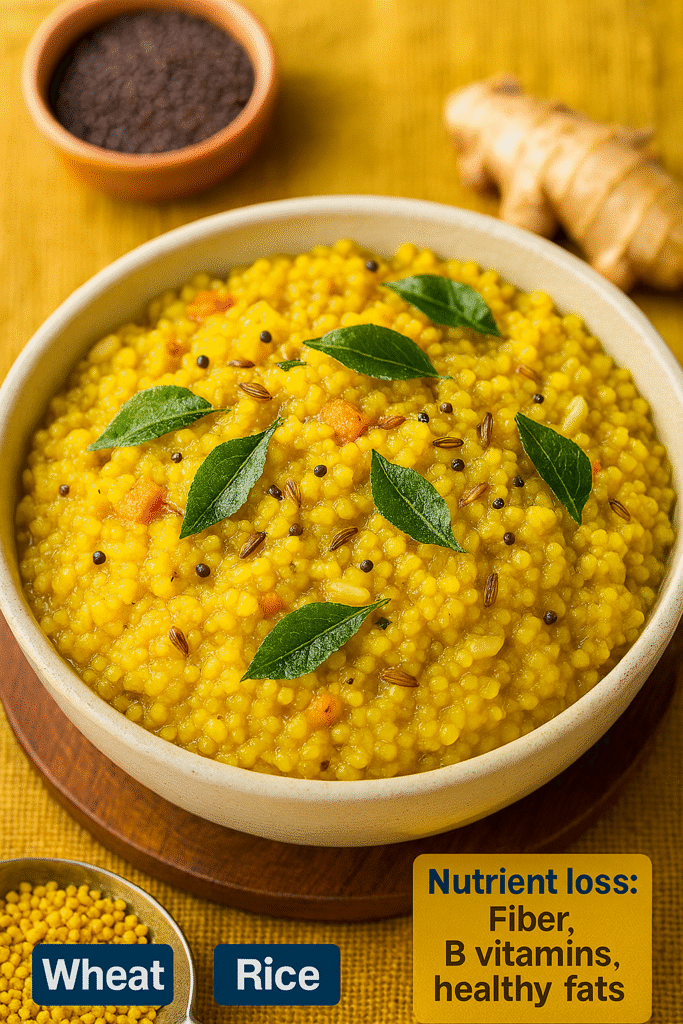
For instance, millet khichdi cooked with turmeric, cumin, and ginger is the perfect example of food-as-medicine, nourishing, revitalizing, and detoxifying the body concurrently.
Barnyard Millet and Foxtail Millet are the best millet for diabetes management and control.
Dosha Compatibility: Which Grain Fits Your Constitution
Wheat, Rice & Millets through the Lens of Doshas
According to the Ayurvedic system, categorization provides distinctions that are not easily visible. For example, wheat being fat and heavy, strengthens the physical body but if it is used in an excessive amount especially in the case of persons having the Kapha dosha, it will lead to the occurrence of congestion and stasis.
Furthermore, rice, in particular processed rice, is a cooling and calming agent but it has the tendency to weaken digestion when large quantities of it are consumed.
On the other hand, millets are dry and light which neutralizes Kapha and Pitta but they can vata-size if an excessive amount is consumed or if they are uncooked.
Millets are different from other grains because of their versatility.
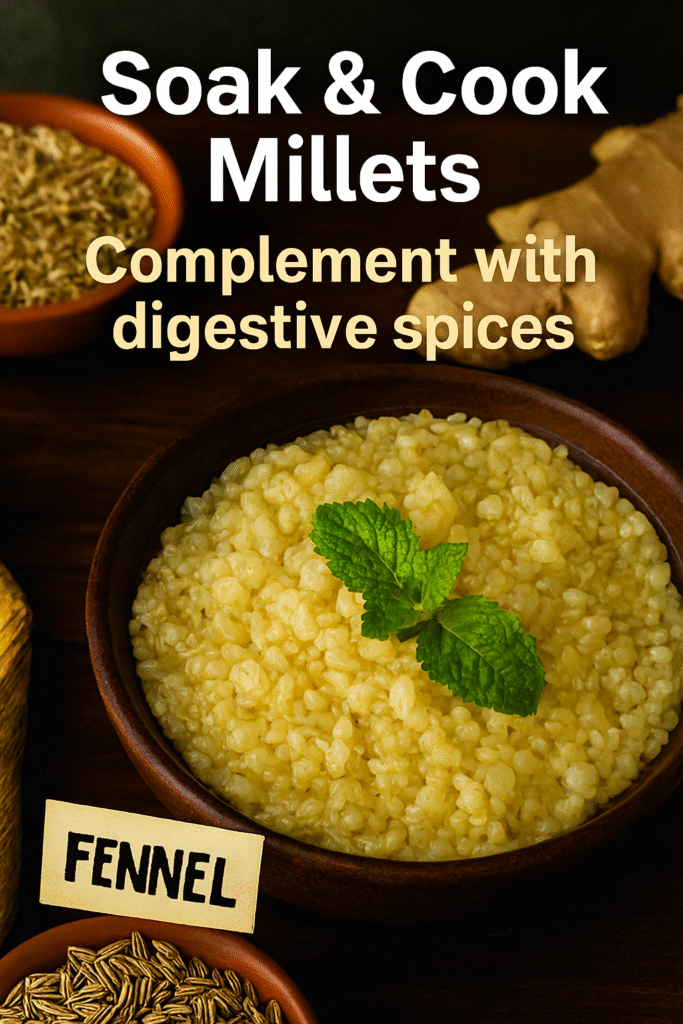
If they are soaked, properly cooked and complemented with digestive spices, they can be adjusted to fit everyone.
Ayurveda considers them as grains that can be rebalanced.
Therefore, they are described as grains with the potential to bring about a new equilibrium.
When they are chosen and prepared according to the requirement of the individual.
Practical Tips: How to Replace Rice & Wheat with Millets
Practical Ayurvedic Tips to Swap Rice & Wheat for Millets
It is better to change the diet gradually to millet. A simple method is to replace one portion of rice or wheat with a millet meal. Soaking and cooking remove antinutrients, while fermenting increases digestibility. Proper cooking ensures that the grains do not resist the digestive fire. Mixing millets with pulses, vegetables, and spices not only makes the meal more delicious.
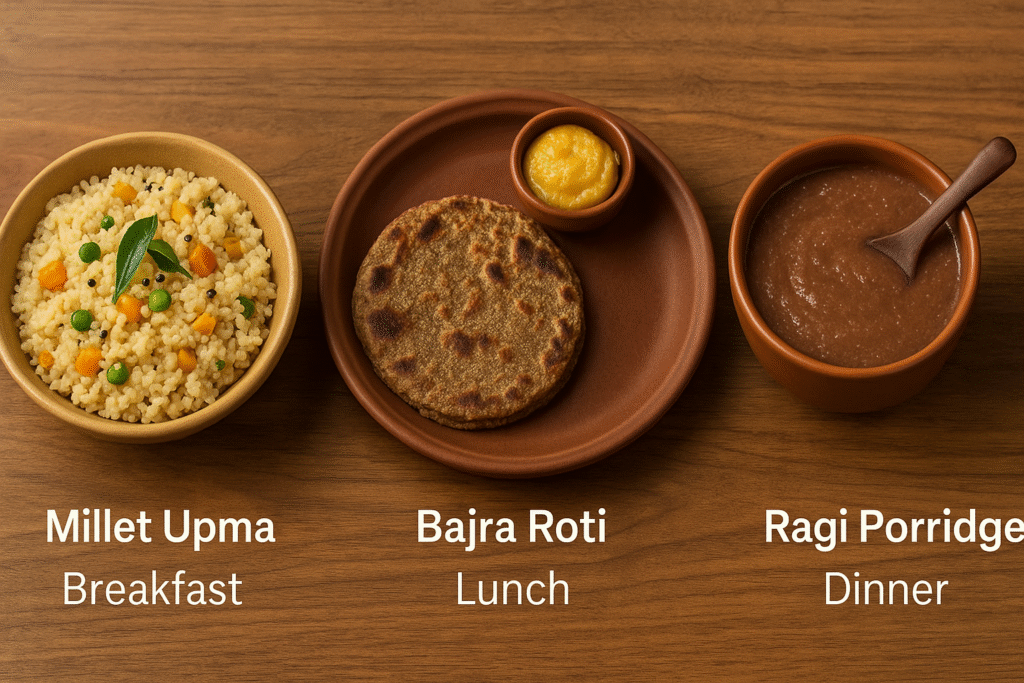
However, it complies with Ayurvedic recommendations for balanced meals. Millet upma for breakfast, bajra roti for lunch, and ragi porridge for dinner can add new flavors to your diet and show how high fibre ancient grains for health can be used in modern diets without any inconvenience.
Potential Precautions & Balanced Use
Precautions: When Rice or Wheat Might Be Useful & Balanced Use
According to Ayurveda, the preferred practice is to maintain equilibrium instead of absolute abstinence. Individuals having extremely weak digestion might initially feel some low GI millets India to be irritating and drying. In these cases, properly cooked rice is a safer option, especially when the body is recovering after an ailment.
Also, it is a fact that partly whole wheat with digestive spices as a side keeps the person energized. Low GI millets India may be somewhat flawed and need some attention but if one takes into consideration your constitution, season, and mode of preparation then the grains will be your friends instead of foes.
Summary
Comparing millet with rice and wheat is not limited to differences in nutrients only. It reveals differences in the culture, history, and philosophy of food consumption. The revival of refined grain has resulted in a range of lifestyle disorders in modern India, while Ayurveda and nutrition science agree on the use of high fiber ancient grains for health.
Millets are low in glycemic load, rich in fiber, and have a better micronutrient composition, besides being helpful in the Ayurvedic principles of dosha balance and proper digestion. The use of these grains in every meal not only results in better health, regained balance, and the recovery of food culture free from disorders of the past but also demonstrates the power of resilience and wellbeing.