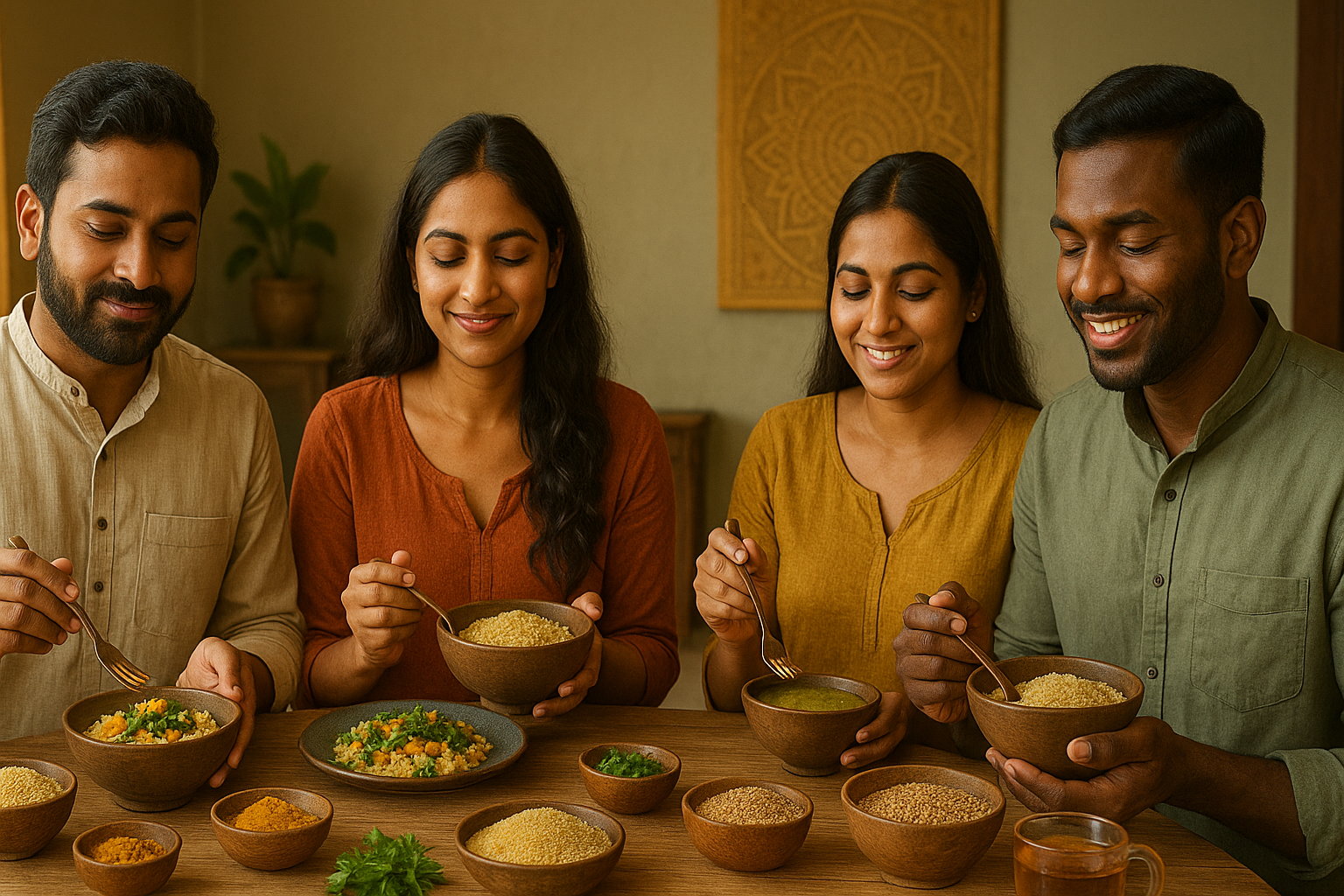
“Millets aren’t just food — they are India’s forgotten heritage grains, once woven into our festivals, rituals, and daily meals. Reviving them today is like rediscovering a piece of our cultural soul.”
For thousands of years, millets have been more than just grains in India and they have been part of rituals, folklore, and everyday meals. However, with the rise of rice and wheat after the Green Revolution, the cultural significance of millets in India has faded from mainstream food culture. Once woven into tribal festivals, wedding rituals, and community feasts, millets today are being rediscovered as heritage crops that symbolize resilience and sustainability.
Their revival is not only about nutrition but also about preserving ancient wisdom, ethnic traditions, and biodiversity. By exploring the historical significance of millets, their presence in festivals, and millets and ethnic foods India, we reconnect with a legacy that shaped India’s food culture for millennia.
Historical Roots of Millet in India
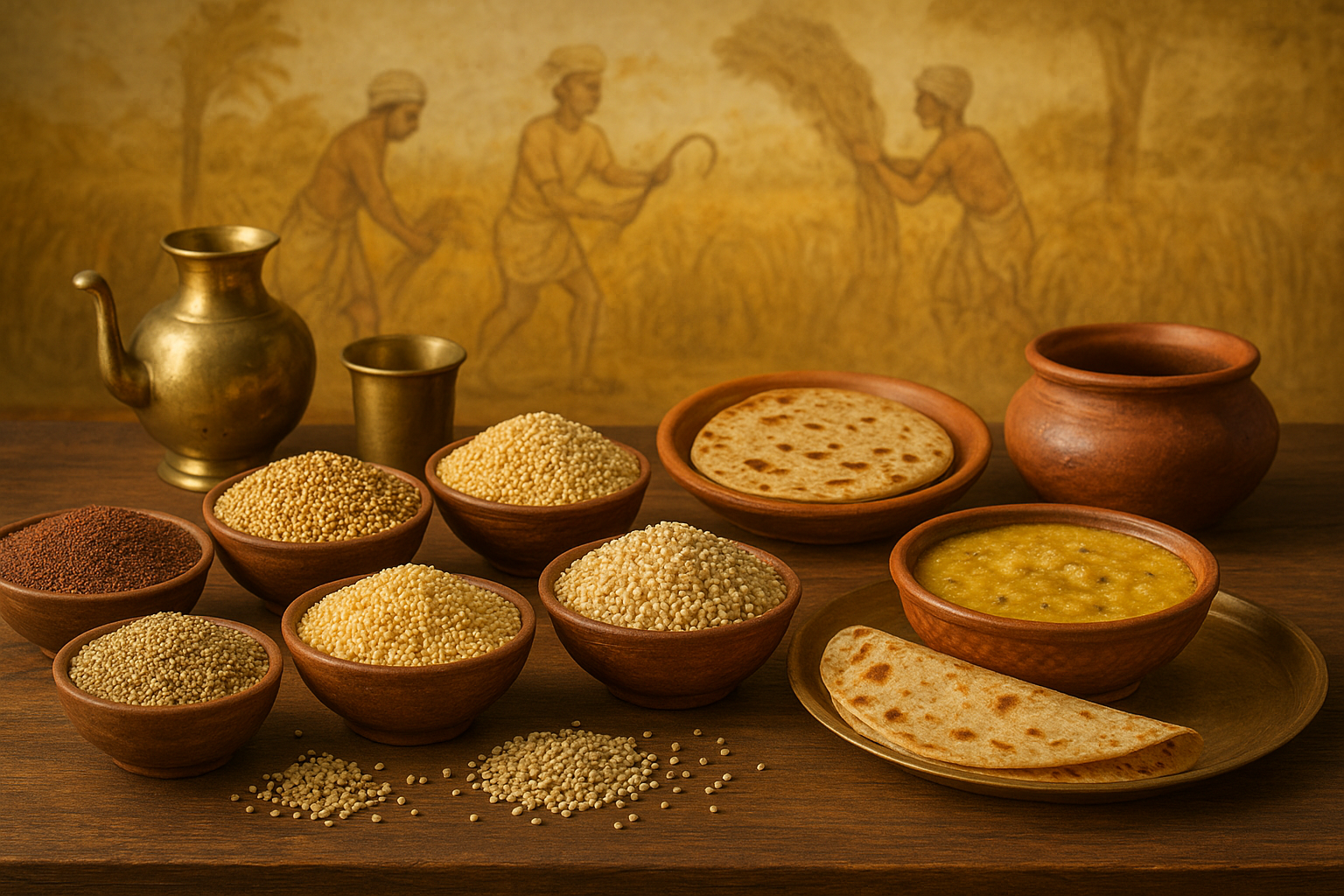
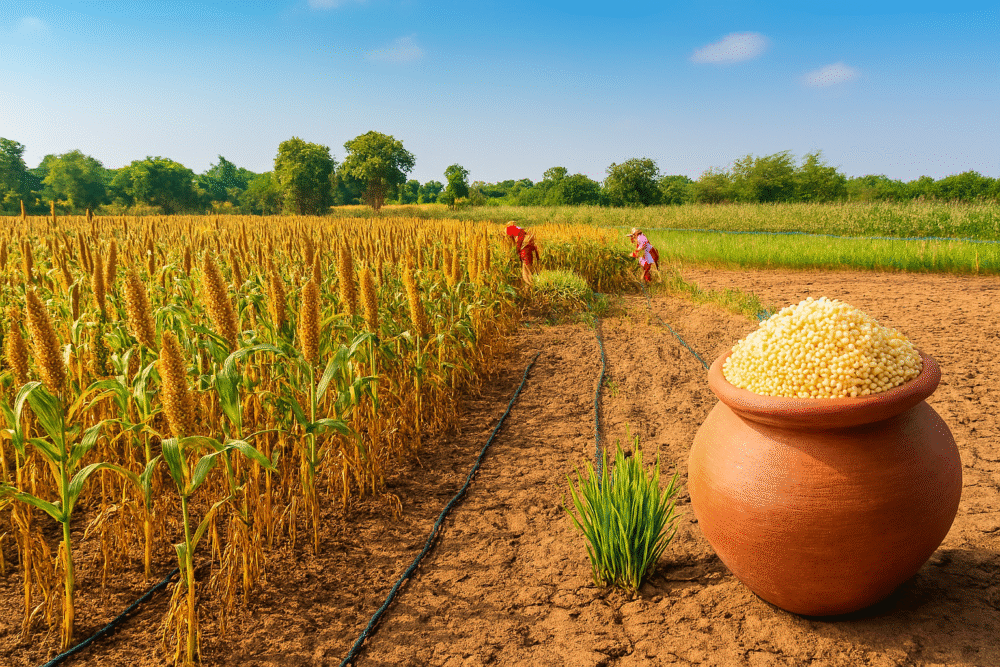
Prehistoric agriculture traces its roots to the deep historical significance of millets in India. Archaeological excavations from the Neolithic period (3000–2000 BCE) at sites like Harappa and Hallur in Karnataka reveal evidence of pearl millet and foxtail millet cultivation, making them among the earliest domesticated crops.
During the Indus Valley Civilization, millet grains—especially pearl millet—were a part of daily diets, sustaining communities long before rice and wheat became dominant. These hardy grains thrived in semi-arid climates, making them essential for food security.
In the Vedic period (1500–500 BCE), millets were elevated beyond nutrition to spirituality. Texts like the Yajurveda describe dishes such as yavagu (millet porridge), often prepared for sages and rituals. Millets were considered sacred food, symbolizing nourishment and purity.
By the time of early historic and medieval India (Maurya and Gupta dynasties), millet cultivation had spread across semi-arid regions. Valued for their resilience and nutrition, millets became staple grains that supported agrarian life and were celebrated in local traditions and community feasts.
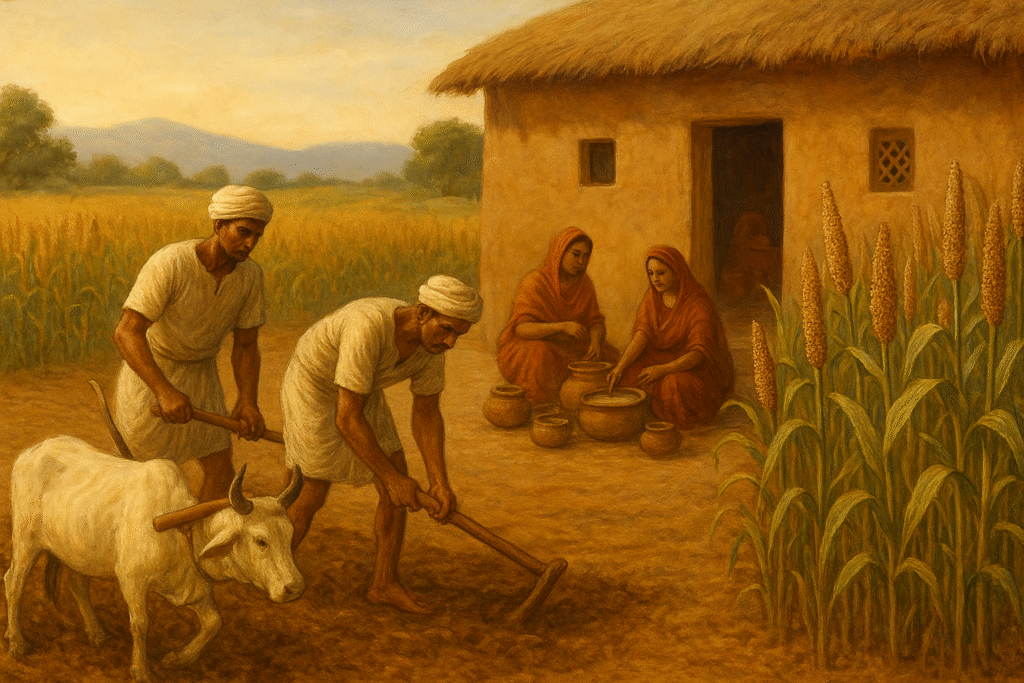
From the Indus Valley to Vedic India and medieval kingdoms, millets were never just subsistence crops. They represented resilience, abundance, and cultural continuity—an integral part of India’s agricultural heritage, biodiversity, and social life.
Millets in Religious Rituals, Festivals & Folklore
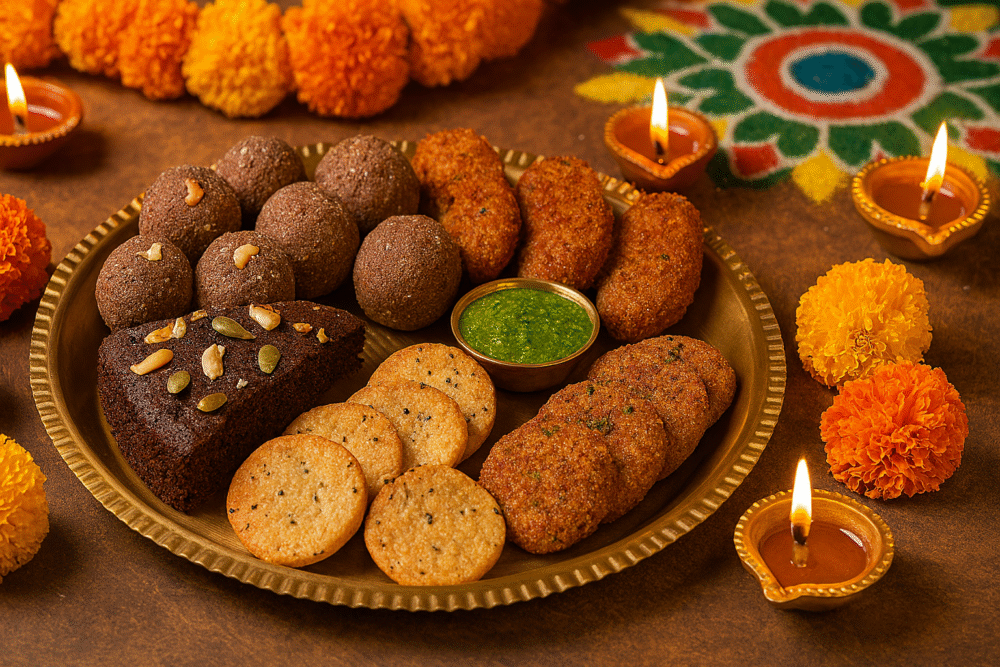
The cultural significance of millets in India is closely connected to religion, festivals, and folklore. Millets are considered holy within the context of harvest ceremonies in most communities. As an illustration, finger millet is served at Makar Sankranti in Karnataka which signifies prosperity. In Tamil Nadu, foxtail millet is part of pongal dishes made for the festival.
Tribal communities preserve strong millet traditions India, where these grains appear in weddings, birth celebrations, and local rituals.
For example, the how millets are used in Indian festivals and rituals is evident in Nagaland.
Where millet beer plays a central role in feasts of merit.
Similarly, in Rajasthan, barnyard millet is used in offerings during desert festivals.
Folklore also reflects millet’s symbolic role.
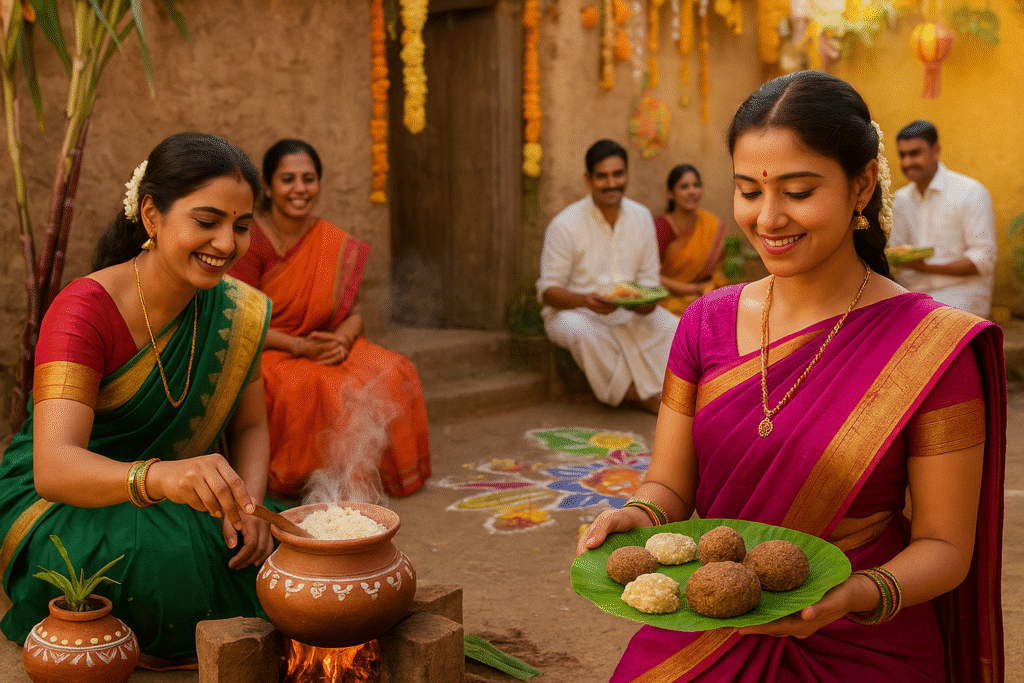
In rural Karnataka and Andhra Pradesh, folk songs celebrate millet festivals, rituals and farming cycles. Across India, millets were more than sustenance, they were woven into folk traditions, tribal cuisine, and ethnic food, representing abundance, resilience, and community bonding.
Ethnic Foods & Regional Millet Dishes
Millets are the foundation of diverse millets and ethnic foods India, with each region showcasing unique dishes.
For example, in Rajasthan, bajra roti made from pearl millet is paired with ghee and jaggery, forming a staple winter food.
In Nagaland, fermented millet beer is central to community gatherings, aligning with ethnic millet dishes from Rajasthan, Nagaland, Karnataka.
In southern India, ragi mudde (steamed finger millet balls) in Karnataka, and foxtail millet pongal in Tamil Nadu, are everyday staples with deep heritage value.
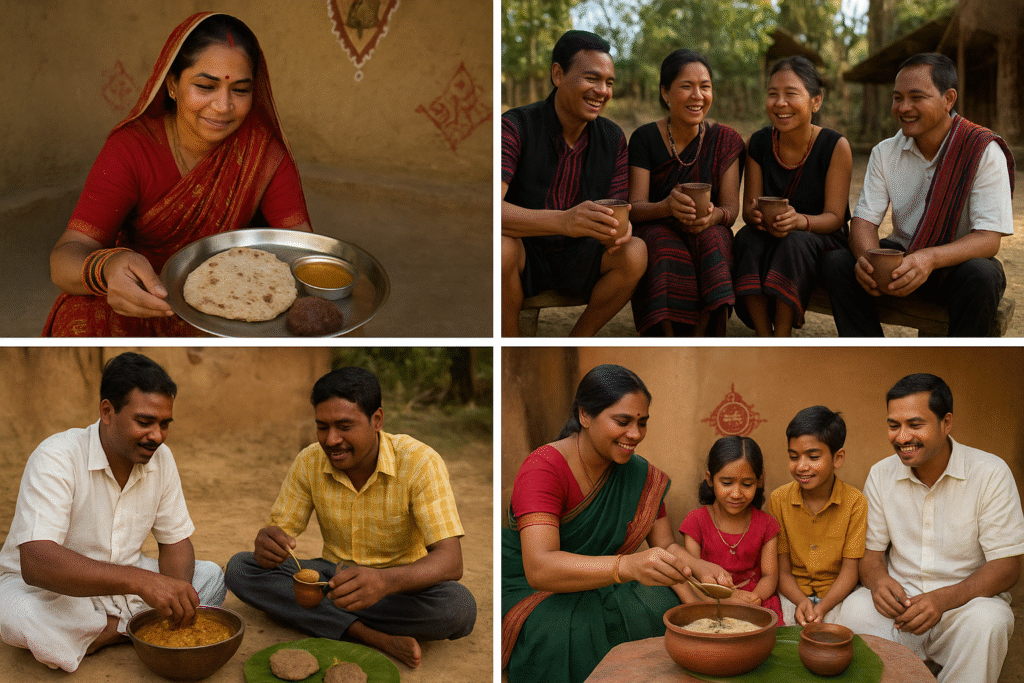
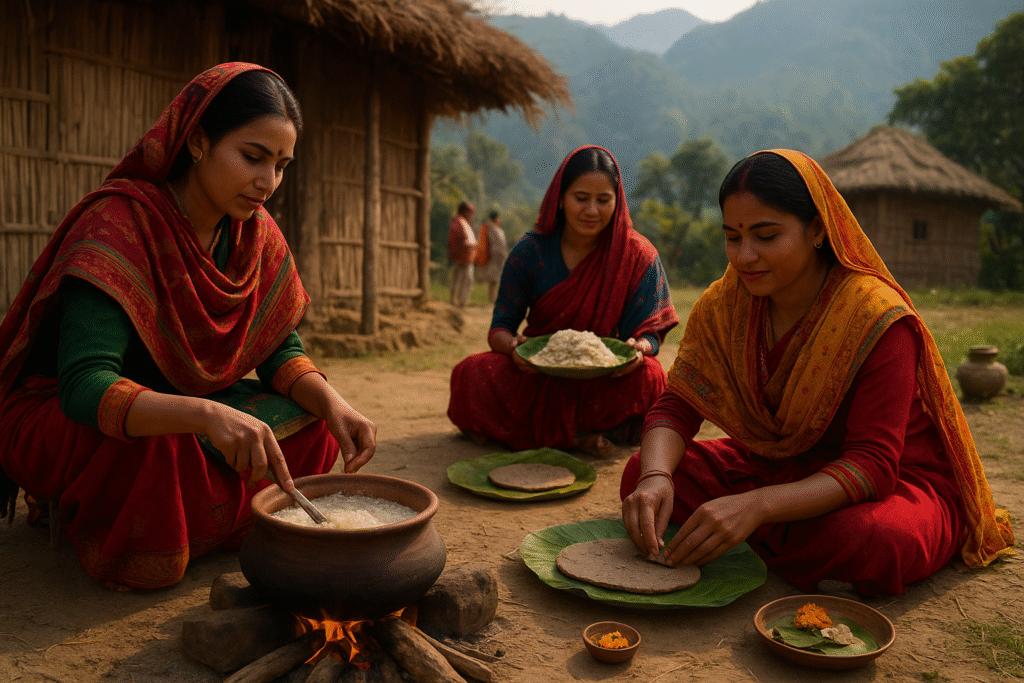
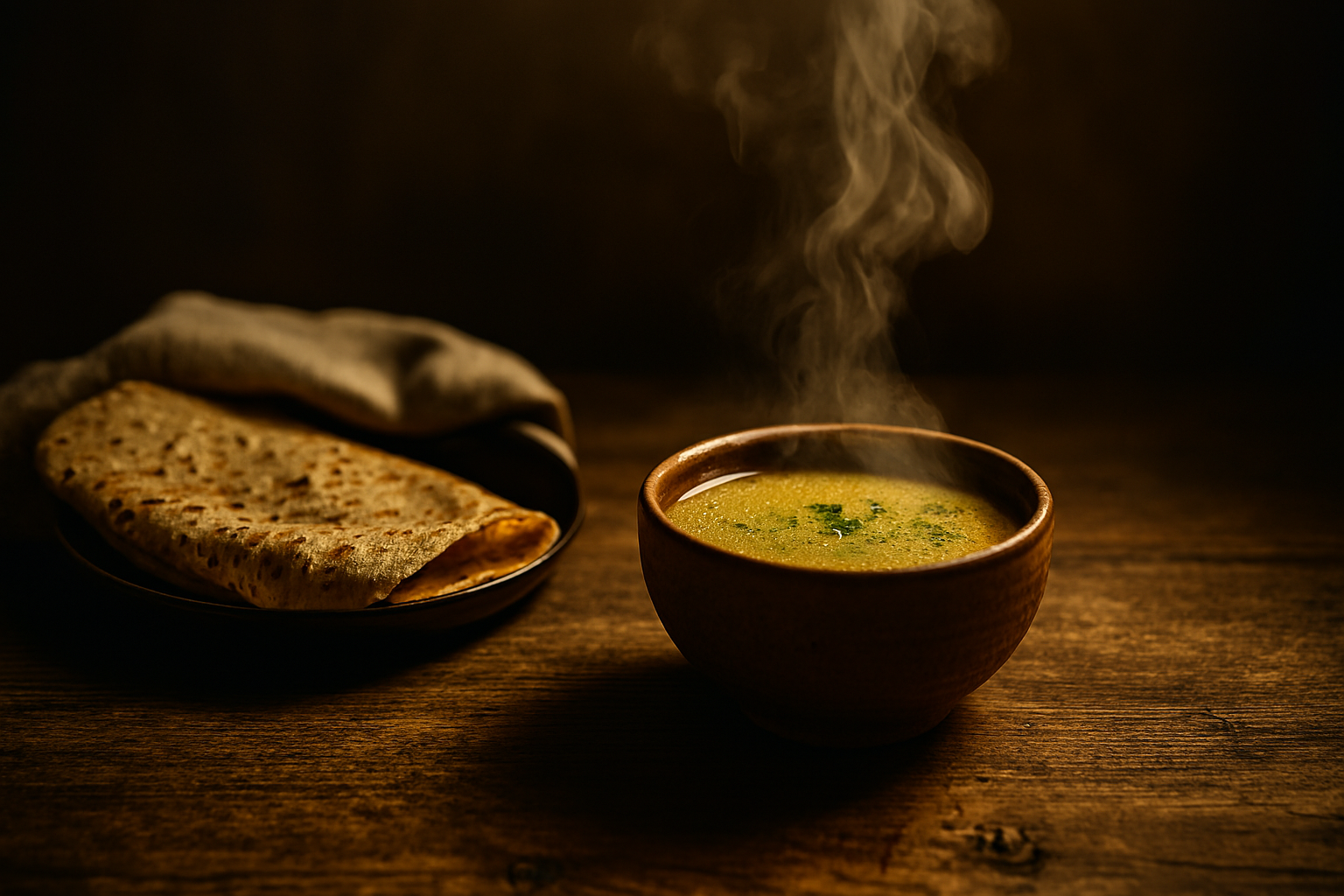
Andhra Pradesh features korra annam (foxtail millet rice), while tribal Odisha communities cook millet heritage dishes like mandia pej (ragi gruel).
The northeast highlights millet porridges and festive foods prepared during sowing and harvesting seasons.
In Himalayan regions, barnyard millet is cooked into kuttu rotis and offered during fasting rituals.
These ethnic food traditions show how reviving traditional millet-based foods among tribal communities India are not just about diet but cultural continuity.
From porridges to flatbreads, fermented drinks to festive sweets, millet heritage dishes showcase regional diversity, cooking wisdom, and cultural resilience that deserves revival.
The Decline & Loss of Millet in Modern Times
Although the history of millet is rich, its popularity fell in the 20th century. Colonial policies focused on cash crops whereas post-independent agricultural policies centered on wheat and rice. This movement was hastened by the green revolution wherein the government subsidies and irrigation projects put more emphasis on the high yield cereal varieties.
This resulted in reduced cultivation of ancient millet cultivation India and loss of germplasm conservation. The social perceptions too had shifted like people now looked at the millets as food of the poor man excluding its contribution to the urban diet. This led to the weakened millet traditions India, biodiversity and subsistence practices as a result of shifting towards resource-intensive agriculture.
The fall was not only the nutritional distance but also the loss of cultural significance of millets in India, where centuries-old rituals and traditions connected with millets almost vanished as a common food consumption.
Revival Efforts: Heritage, Policy & Grassroots Movements
The 21st century has witnessed revival of reviving millet traditions India. Having been declared by the UN as the International Year of Millets, awareness campaigns accentuated their use on sustainability, climate resilience and nutrition.
Government initiatives, including subsidies and millet promotion under India’s National Food Security Mission, encourage farmers to diversify.
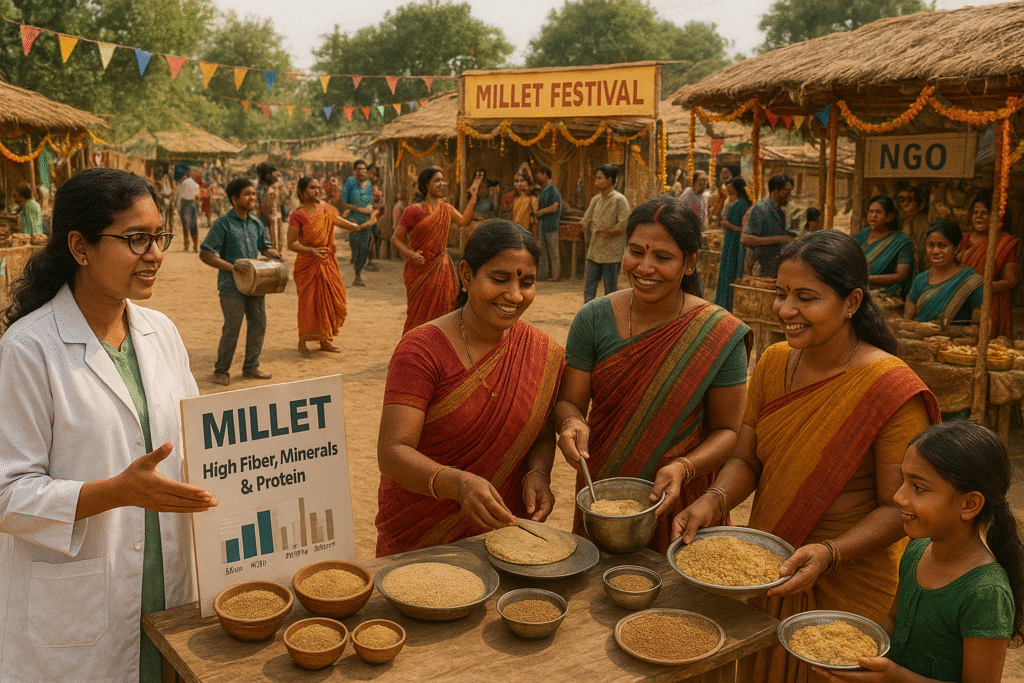
NGOs and grassroots groups are reviving millet festivals rituals, hosting food fairs, and reintroducing millet heritage dishes into urban diets.
In Karnataka, farmer cooperatives are restoring finger millet cultivation, while tribal communities in Odisha and Jharkhand are bringing back traditional recipes.
Efforts focused on reviving traditional millet-based foods among tribal communities India showcase how culture and agriculture merge to sustain heritage.
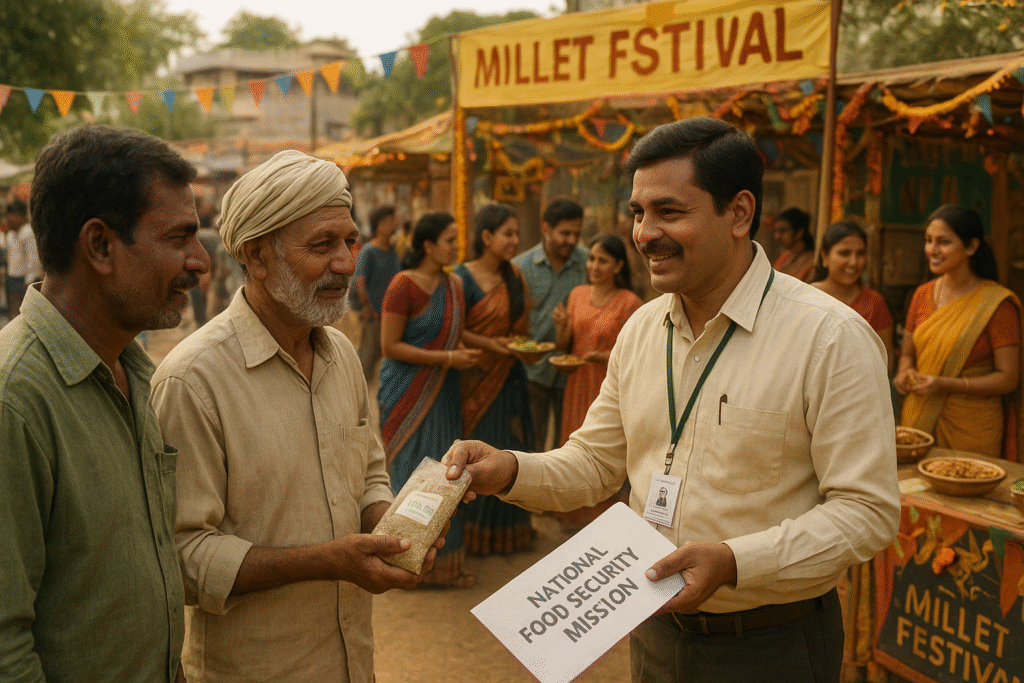
Policy support, biodiversity conservation, and culinary revival movements are ensuring that millets and ethnic foods India regain their rightful place as heritage crops, not forgotten grains.
Why Reviving Millet Traditions Matters
The cultural significance of millets in India extends beyond heritage, it connects to future sustainability. Millets are drought-tolerant crops, resilient to climate change, and crucial for agricultural heritage.
Reviving these grains preserves not only biodiversity but also ethnic food traditions that form the core of India’s culinary identity.
Nutritionally, millets offer high fiber, minerals, and protein, supporting food security and public health.
Culturally, rituals tied to millet festivals rituals preserve intangible heritage.
Socially, they empower tribal and rural communities by reviving local practices.
In essence, millet cultivation history Indus Valley to Mughal India continues to inspire a sustainable path forward.
How You Can Participate / Preserve Traditions
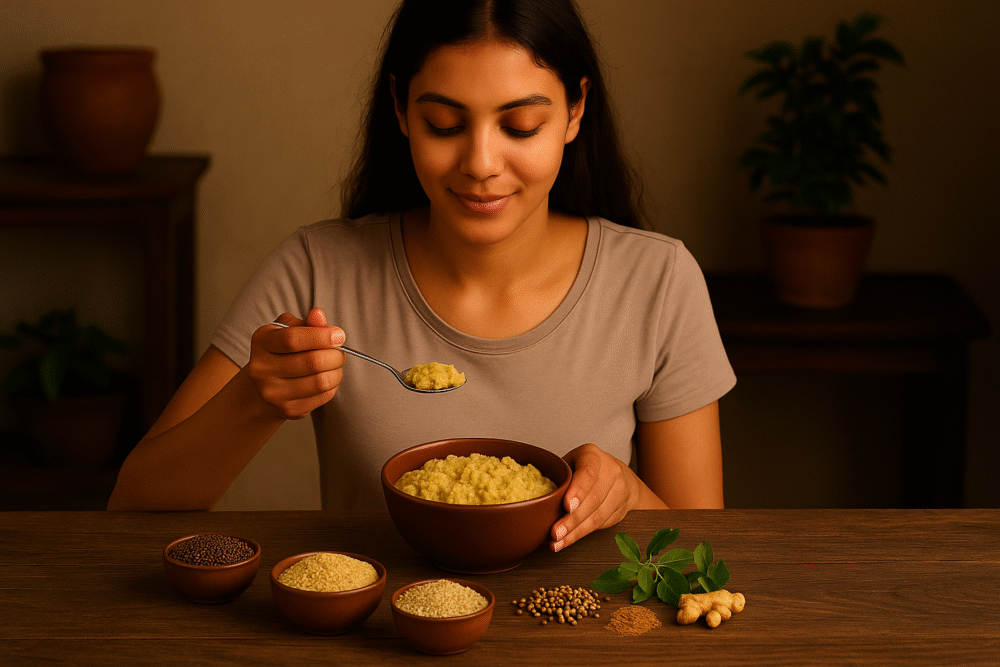
Revival starts at home. Try adding millet heritage dishes like ragi dosa, bajra roti, or foxtail millet upma to family meals. Learn recipes from different states, exploring ethnic millet dishes from Rajasthan, Nagaland, Karnataka. Support local farmers by buying traditional millet varieties and participating in millet festivals rituals in your community.
You can also incorporate millets in religious rituals, rediscovering how millets are used in Indian festivals and rituals. Small steps toward reviving traditional millet-based foods among tribal communities India help preserve culture while ensuring health and sustainability.
Summary
Millets embody India’s cultural significance, ethnic diversity, and historical significance. From their roots in the Indus Valley to Vedic texts and Mughal-era feasts, millets shaped India’s identity. Their decline left a cultural void, but revival efforts promise a brighter, sustainable future.
By embracing millets and ethnic foods India, celebrating millet traditions India, and supporting revival, we not only preserve our agricultural heritage but also honor our ancestors. Let us rediscover these ancient grains as symbols of resilience, community, and tradition.