
💡In 2025, many of us are sleeping less and worrying more. Between round-the-clock screens, work-from-everywhere pressure and obsessive sleep tracking, mental stress is quietly rewiring our nights.
💡Here learn the simple, Ayurvedic and home remedies you can start tonight to reclaim restful sleep leading to better sleep hygiene. Stress is the natural enemy of healthy life and affects many aspects of life. It including self-control, physical health and the immunity system in the human body. As modern as we are getting, many of us nowadays are prone to worry more and sleep less leading to burnout and insomnia.
💡Today let’s discuss the most common issues young adults and middle-aged people are suffering from all over the world that is high stress levels and stress-induced insomnia.
⚠️Why is Stress Such an Important Issue?
According to WHO at least 190 million people worldwide are suffering from stress which can lead to even worse issues. Another report from WHO also informs that 75% of deaths in 2021 that were not related to the pandemic came from noncommunicable diseases which is significantly increased by high levels of stress. In any case, mental stress and insomnia is prevalent in urban areas.
😴What is Burnout vs Sleep Anxiety?
Burnout is a state of ongoing workplace stress that is characterized by exhaustion, cynicism, and decreased efficiency. Sleep anxiety, also referred to as orthosomnia is the fear or concern of being unable to sleep, ironically making it impossible for you to do so.
They form a feedback loop: burnout raises stress hormones that make sleeping increasingly difficult, while poor sleep worsens fatigue, irritability, and mental disintegration. Research indicates that unresolvable burnout greatly heightens the likelihood of insomnia triggered by stress, with long-term health repercussions if left unresolved.
📱How Modern Lifestyle Triggers Hijack the Sleep Cycle?
If the workday has no end, the brain stays in problem-solving mode. Without transition rituals such as getting out of clothes, taking a walk, or cleaning up your workspace your mind has a hard time changing from high-alert to restful recovery.
Digital overwhelm & doomscrolling: Scrolling late at night floods the brain with blue light and constant novelty, both of which postpone melatonin secretion.
This overstimulation from digital overload sleep makes your brain think that it’s still daytime, making it more difficult to unwind and fall asleep normally.
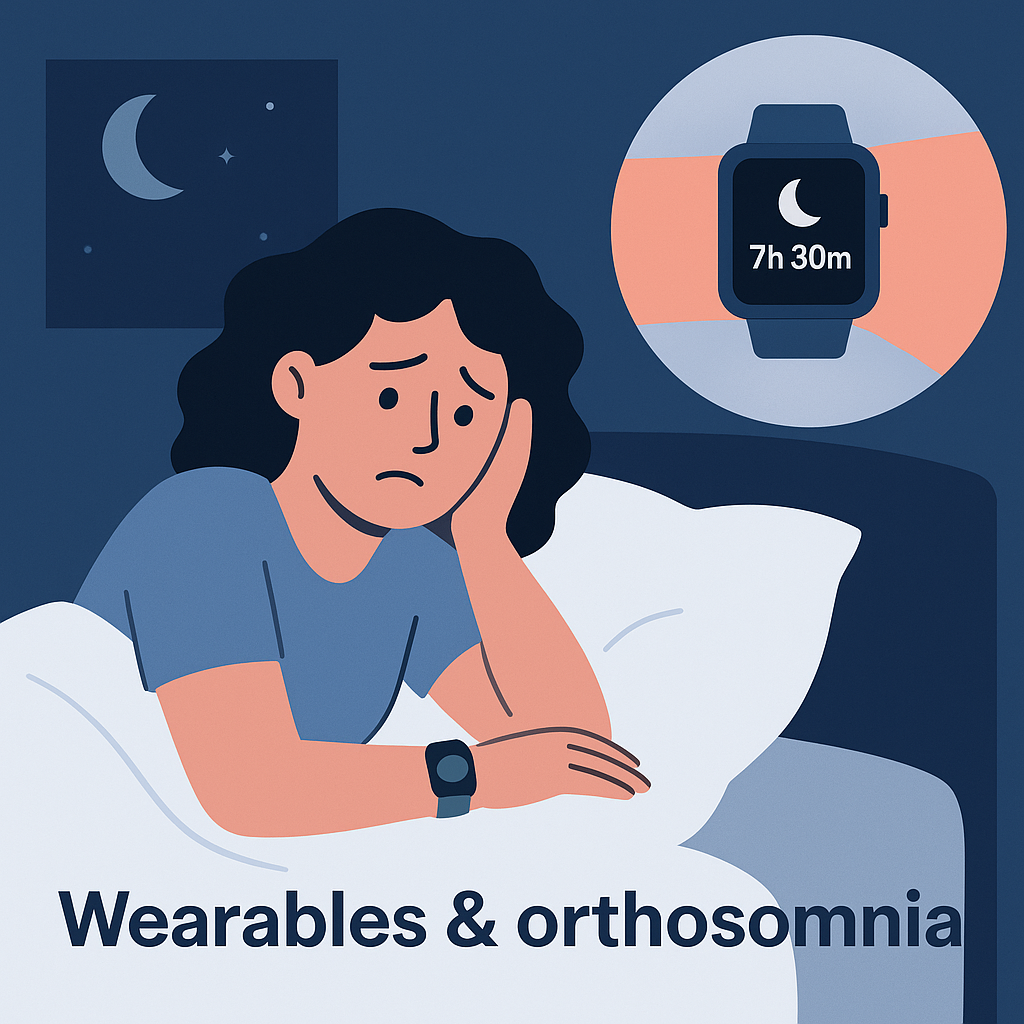
Wearables & orthosomnia: Although sleep monitors are helpful, getting stressed over bad grades typically causes tension.
This anxiety called orthosomnia ironically makes it even more difficult to fall asleep, forming a loop were monitoring your rest ultimately spoils it.
Work encroachment and blurred boundaries: Asynchronous conference calls, perpetual email, and fuzzy time zones make work bust into every waking moment.
Without sharp “clock-off” lines leads to increased secretion of cortisol and sleep is affected, stopping your body from entering the rest state required for good sleep.
⚕️Medical / Physiological Reasons
Cortisol & HPA axis activation: Repeated stress overstimulates the hypothalamic pituitary adrenal (HPA) axis, sustaining high evening cortisol and postponing melatonin secretion. Establish a “wind-down hour” with low lighting, slow breathing, or reading to communicate to the body that it’s time for sleep.
Hyperarousal: A worried mind remains in a sympathetic “fight-or-flight” state, becoming more difficult to transition into parasympathetic “rest-and-digest.” Use 4-7-8 breathing, restorative yoga, or progressive muscle relaxation to coax the nervous system into calm prior to sleep.
Circadian disruption: Irregular sleep schedules and exposure to nighttime light weaken the brain’s internal clock, causing sleep onset to occur later. Have a regular sleep schedule and wake-up time and avoid bright screens an hour before bedtime.
Behavioral reinforcers: Caffeine late in the day, irregular exercise, and nightcaps can disrupt sleep and limit restorative phases. Drink caffeine prior to noon, exercise during the morning or early afternoon, and replace nightcaps with herbal tea or water.
These problems can be avoided by knowing how to break the stress insomnia cycle naturally with the help of Ayurvedic methods.
🌿Ayurvedic & Natural Remedies
Before getting into the remedies, let’s understand scientifically our body about the reactions of these Ayurvedic and Natural remedies by clicking here,

Pranayama & 10-minute guided breathing: Perform Nadi Shodhana or the 4-7-8 breath for 10 minutes to decrease heart rate and enter parasympathetic mode.
When to combine with CBT-I / seek help: If insomnia continues for more than 3–4 weeks, add these remedies to CBT-I and see a sleep professional.
Abhyanga (self-massage): Self-massage with warm sesame oil into scalp, feet, and limbs for 10 minutes prior to bedtime calms nervous system and induces relaxation.
Golden Milk (turmeric + warm milk / plant milk): Heat 1 cup milk (dairy or plant-based) with ½ tea-spoon turmeric, pinch of black pepper, and honey/jaggery to taste a soothing adaptogenic nightcap.

Digital sunset & ritualized bedroom: Turn off devices 60–90 minutes before bedtime; employ dim lights and relaxing aromas such as lavender.
Daily rhythm: Rise and sleep at the same time every day; expose yourself to morning sunlight and get your body moving earlier in the day.
Herbal teas & tisanes: Chamomile, jatamansi, brahmi, or lavender tea consumed 30–60 minutes before bedtime for calming effect.
These are the few methods from Ayurvedic sleep remedies to avoid sleep anxiety 2025. These guidelines can also be followed to avoid burnout and insomnia. However, it is necessary to seek help when needed as mentioned. Ayurvedic remedies for stress-induced insomnia can also minimize mental stress and insomnia.
🌙7-Day Natural Sleep Reset Plan (practical checklist)
🫗Digital Detox: Turn off all glowing screens at least 90 minutes prior to sleep. Turn on the lights and select a soothing, screen-free activity such as reading, writing in a journal, or stretching to let your brain know that it’s time to unwind. digital detox for better sleep can also help avoid the sleep trackers anxiety as well as stress.
🍵Herbal Tea Wind-Down: About 30–40 minutes before sleep, prepare a caffeine-free bedtime herbal tea like chamomile, Tulsi, or lavender. Drink it slowly, allowing the heat and scent to ready your body for sleep. These are considered to be among the best herbs for sleep anxiety in India.
🧘Pranayama Breathing: Incorporate 10 minutes of slow, rhythmic pranayama for insomnia prior to bedtime for instance, alternate nostril breathing or the 4-7-8 technique to calm the mind and transition into parasympathetic rest mode.
👐Abhyanga Self-Massage: Do a warm oil self-massage (abhyanga) prior to your evening bath. Use almond or sesame oil, with light circular motions over joints and long strokes over limbs to soothe muscles and quiet the nervous system.
🚶♀️Midday Nature Walk: Take a 15–20 minute walk outside in midday sunlight. Natural light exposure resets your circadian rhythm, improves mood, and facilitates better nighttime sleep.
🥛Golden Milk Ceremony: Make a cup of golden milk at night. The golden milk recipe for sleep includes warm milk with turmeric, cinnamon, and a touch of black pepper. This soothing beverage is able to alleviate inflammation and create a relaxing effect before going to sleep.
😴Gentle Sleep Journal: Maintain a straightforward sleep journal pay attention to how you wake up feeling instead of keeping precise hours or numbers. This develops awareness without inducing performance pressure about sleep.
In summary, small, daily Ayurvedic habits along with more defined work-life boundaries can reset your sleep cycle naturally. The stress-insomnia cycle doesn’t last forever; you can break it one night at a time. If you want to share more information on this matter please let us know in the comments below. Follow us for more tips on how to lead a healthy lifestyle.
❓FAQs
Is it safe to use sleeping pills and herbs together?
Only with medical supervision.
How long before I’ll notice improvement?
Many people feel changes within 1–2 weeks of consistency.
Can I still use my sleep tracker?
Yes, but as a rough guide, not a nightly criticism.

