🔥 “Plant vs Animal Protein: What does Ayurveda say?”
The discussion of plant based protein vs animal protein India has been rising in India, as vegetarian customs are aligning with current trends in Indian fitness. Protein is an essential macronutrient that helps to grow and repair the body and fight infections, and the source of protein, whether plant or animal, has significant health, ethical, and sustainability consequences.
India has an ancient science of healing, Ayurveda, which provides a unique insight as to how to harmonize these proteins to achieve the best possible well-being. In this guide, we compare the benefits of vegetarian protein that we find in India against animal ones, clarify the rules of Ayurvedic principles, and give you the opportunity to choose the diet that best fits your type of body and lifestyle.
Understanding Protein & Ayurveda
What Is Protein and Why It Matters
Proteins consist of the amino acids used as the building blocks of the muscles, the enzymes, and hormones.
Complete proteins represent those that have all the nine essential amino acids whereas incomplete proteins do not have one or more of them.
The differences between these become the basis of both the advantages and disadvantages of both animal protein vs plant protein.
Protein supports growth, tissue repair, immunity, and energy, making it essential for everyone—from growing children to athletes.
Ayurvedic Perspective on Food & Protein
Ayurveda classifies foods not only by nutrients but also by their qualities (guna) and effects on the three doshas—Vata, Pitta, and Kapha.
Protein-rich foods are considered balya (strength-giving) when they enhance ojas (vitality).
Legumes (shimbi dhanya), milk (kshira), nuts, and seeds are traditional Ayurvedic protein sources.
Digestion (agni) is key: Ayurveda values how well food is absorbed and how it harmonizes with your constitution rather than focusing only on grams of protein.
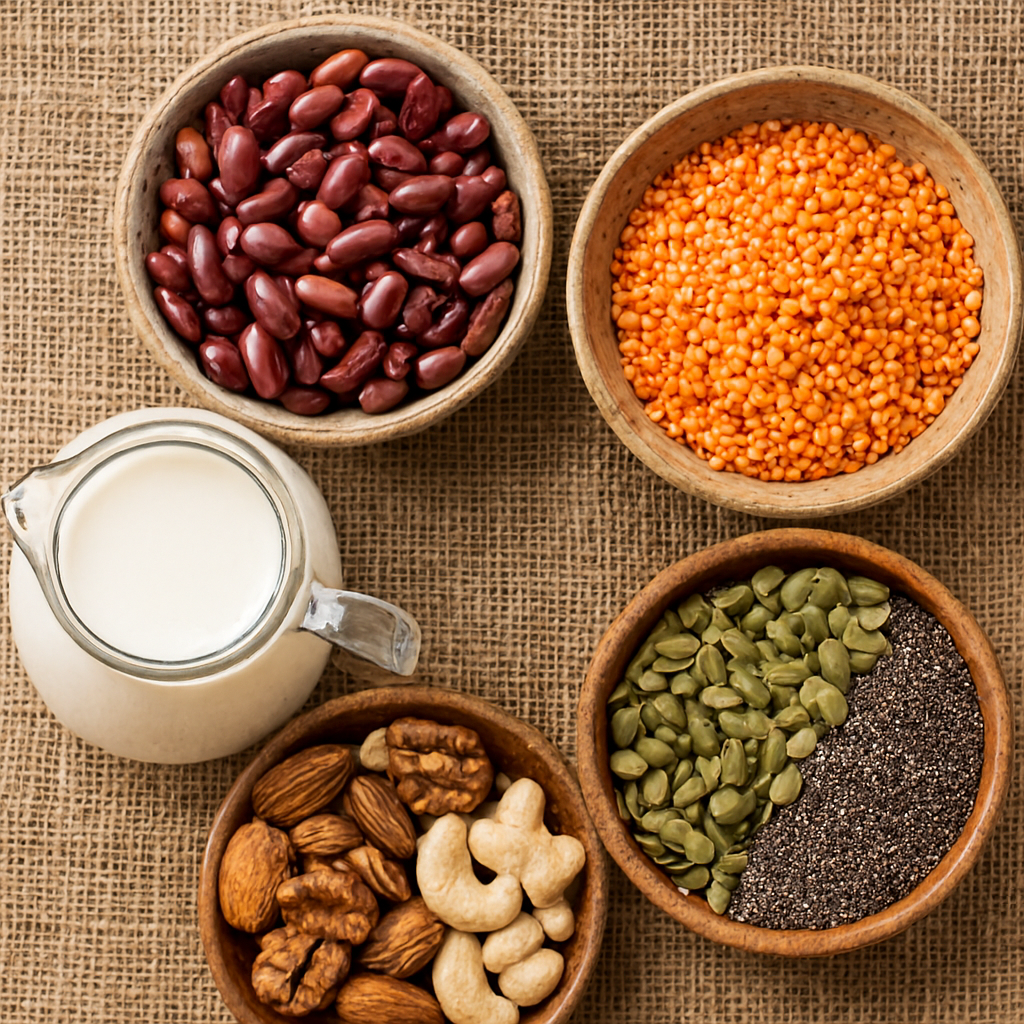
Plant-Based Protein: Pros, Sources & Ayurveda’s View
Pros of Plant-Based Protein
- Choosing plant protein offers several health and ethical benefits.
- Diets rich in legumes, whole grains, and seeds are naturally lower in saturated fat and cholesterol, helping reduce the risk of heart disease and diabetes.
- Environmentally, plant proteins use fewer resources, making them more sustainable.
- Ayurveda supports a sattvic (pure, calming) diet, where vegetarian meals nourish body and mind—aligning with the Ayurveda plant protein benefits sought by many Indians.
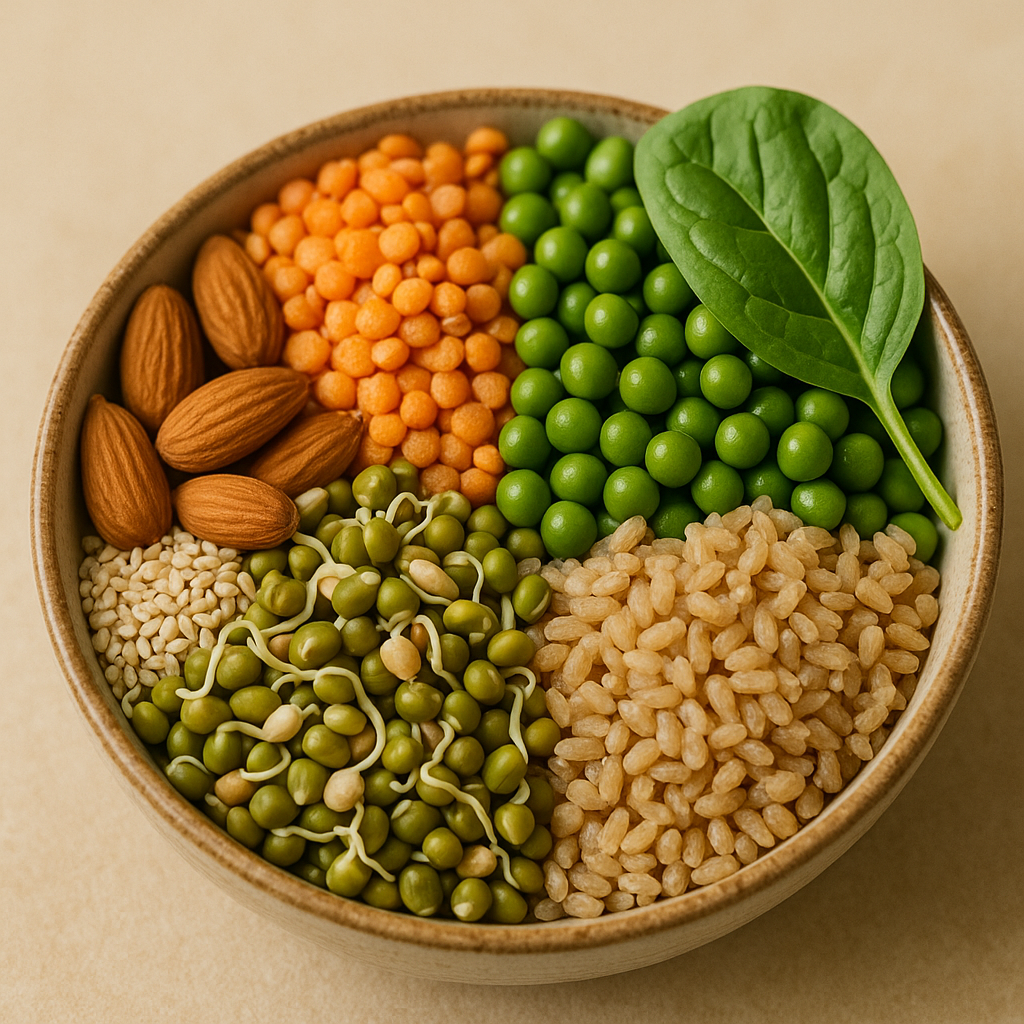
Ayurvedic Plant Protein Sources in Indian Diets
- Traditional Indian meals are naturally protein-rich when combined properly. Ayurvedic staples include:
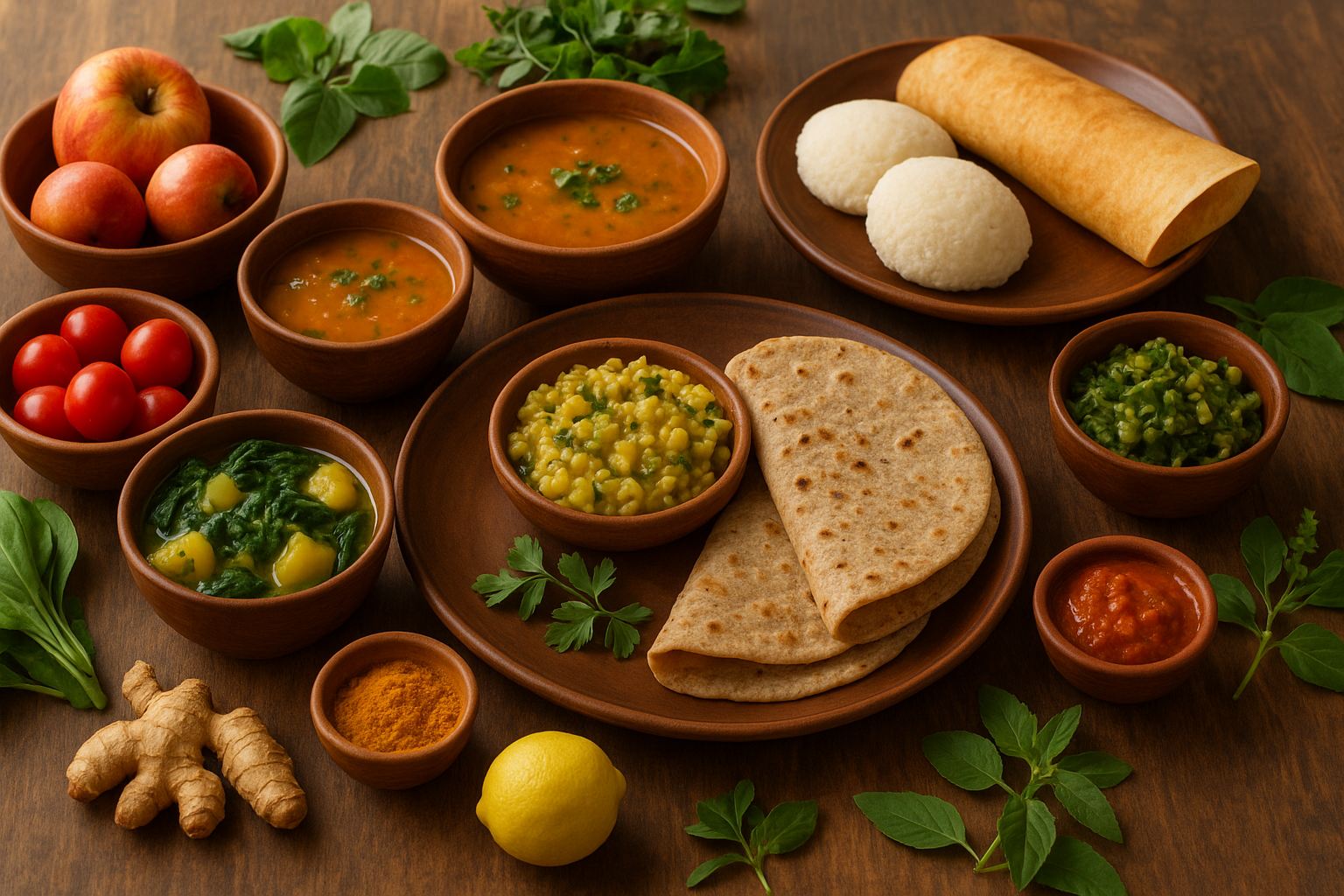
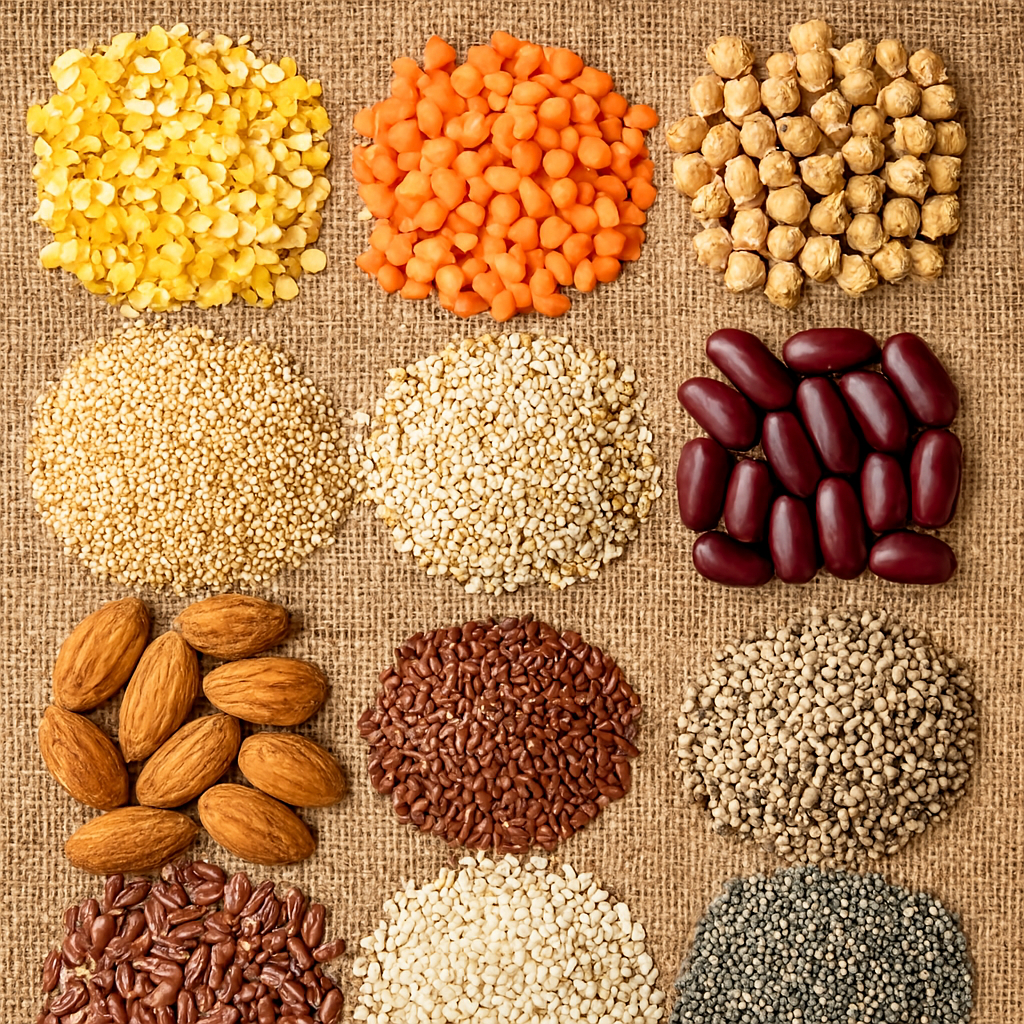
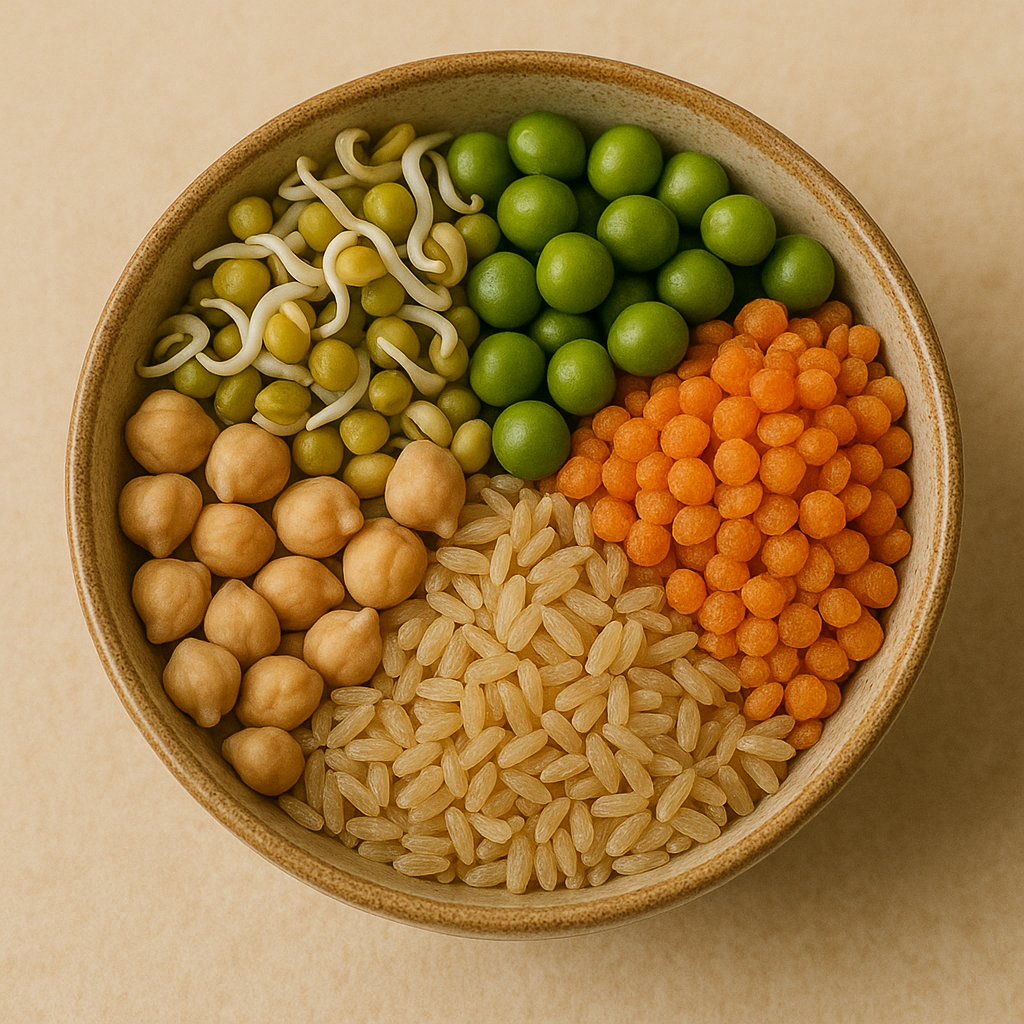
- Legumes and pulses: Moong dal, masoor, chana, and rajma are classic plant protein sources Ayurvedic households rely on.
- Whole grains & pseudocereals: Amaranth (rajgira), quinoa, and buckwheat provide a good amino acid profile; amaranth is considered a near complete protein in plant sources.
- Nuts, seeds, and millets: Almonds, flaxseeds, sesame, ragi, and bajra supply protein, minerals, and healthy fats. Ayurveda recommends soaking or sprouting to improve digestibility and reduce anti-nutrients.
Challenges with Plant Protein
- Some plant sources lack one or more essential amino acids, raising concerns about completeness.
- Smart combinations—like rice with dal or wheat with chickpeas—create a full amino acid profile.
- Anti-nutrients such as phytates can reduce mineral absorption, but soaking, sprouting, or fermenting grains and legumes enhances bioavailability.
- People aiming for bodybuilding or intense workouts should plan carefully to meet protein targets, but even best plant proteins for muscle India like soy, lentils, and peas can suffice with variety.
Animal Protein: Pros, Risks & Ayurvedic Insights
Pros of Animal Protein
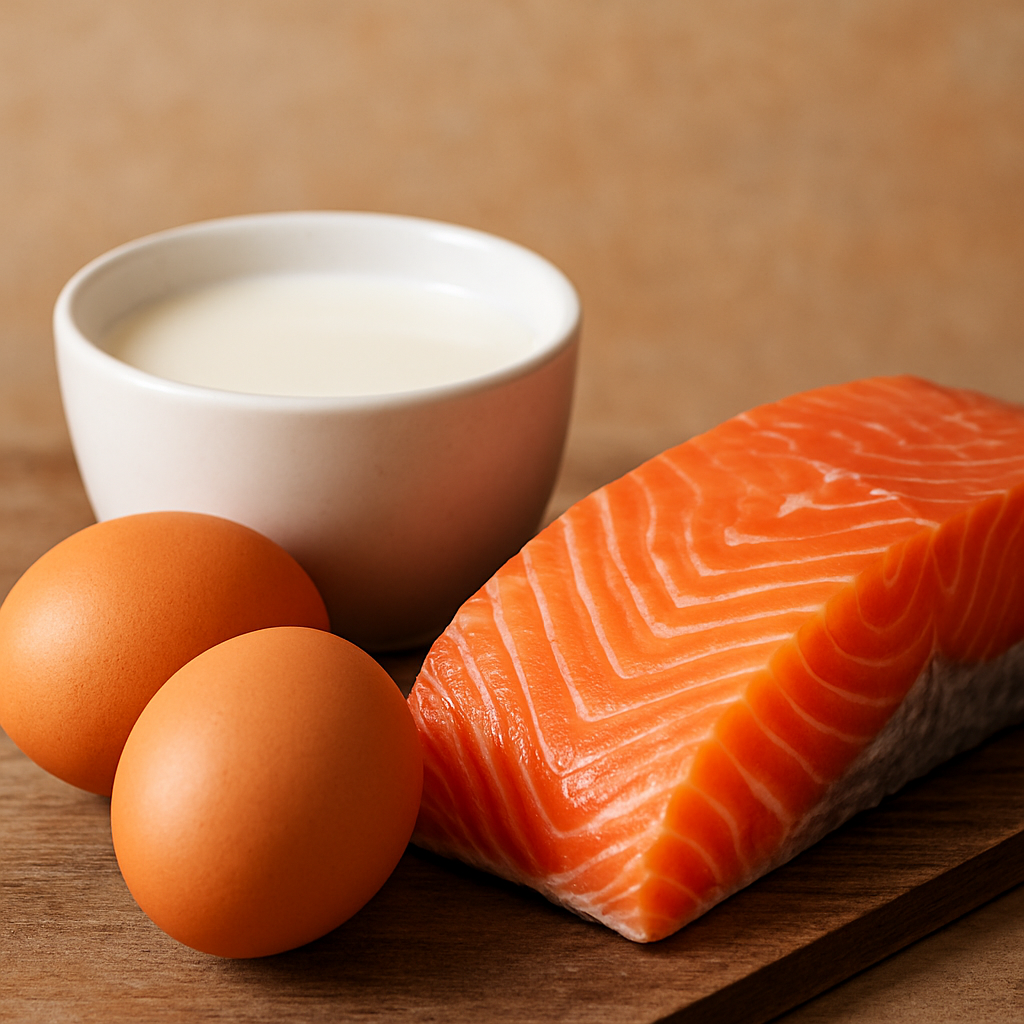
- Animal foods such as milk, eggs, fish, and lean meats are naturally complete proteins with high bioavailability, making them effective for quick muscle repair and strength.
- For athletes or those recovering from illness, small amounts of high-quality animal protein can be beneficial.
- Classical texts mention kshira (milk) and occasionally meat as strength-building when prepared correctly.
Risks or Concerns with Animal Protein
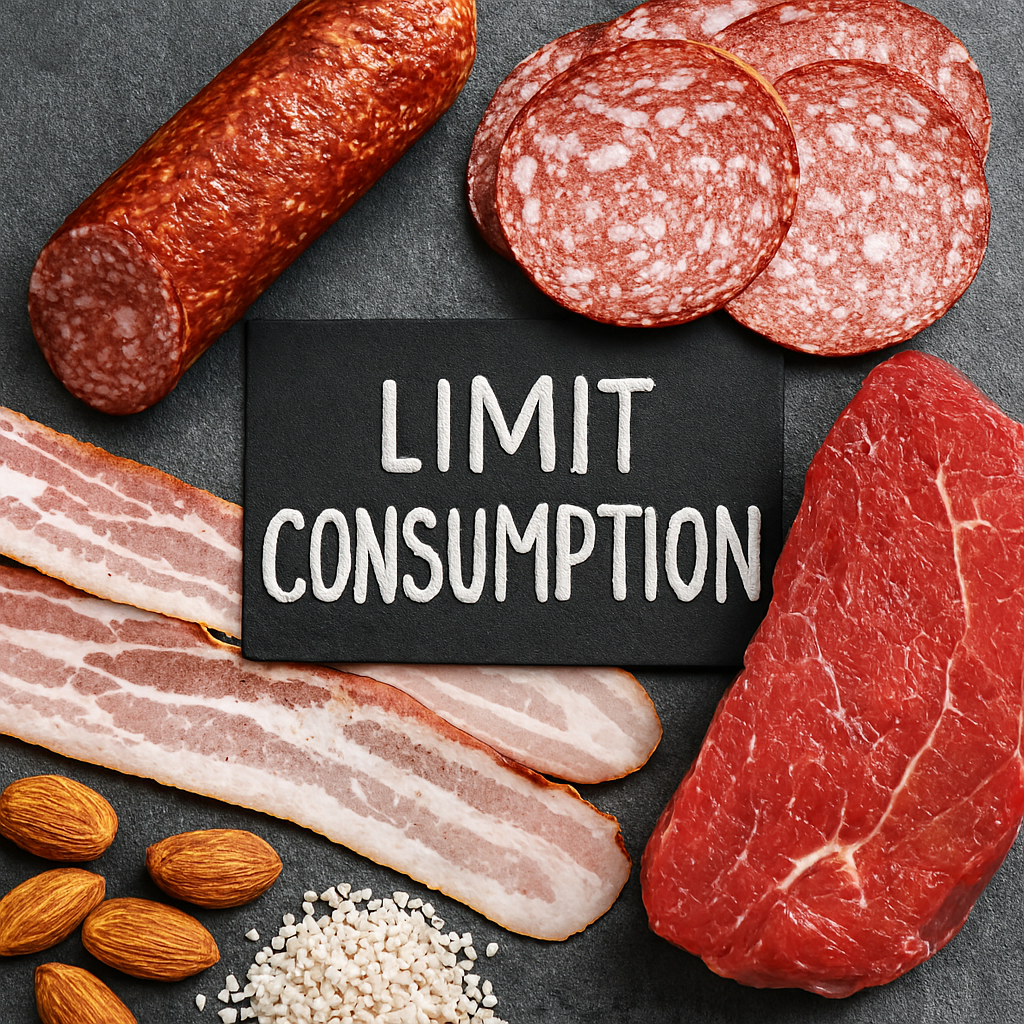
- Despite their nutritional profile, animal proteins carry potential risks. Overconsumption of red meat or processed meats can increase saturated fat intake, raising the risk of heart disease and certain cancers. Ayurveda highlights animal protein digestion issues in individuals with weak agni or certain dosha imbalances, particularly Pitta, which can aggravate heat and inflammation. Contemporary research also reports increased concerns about animal protein dangers to India, such as androgenic residues and improper agricultural methods.
Ayurveda’s Moderation & Balance Advice
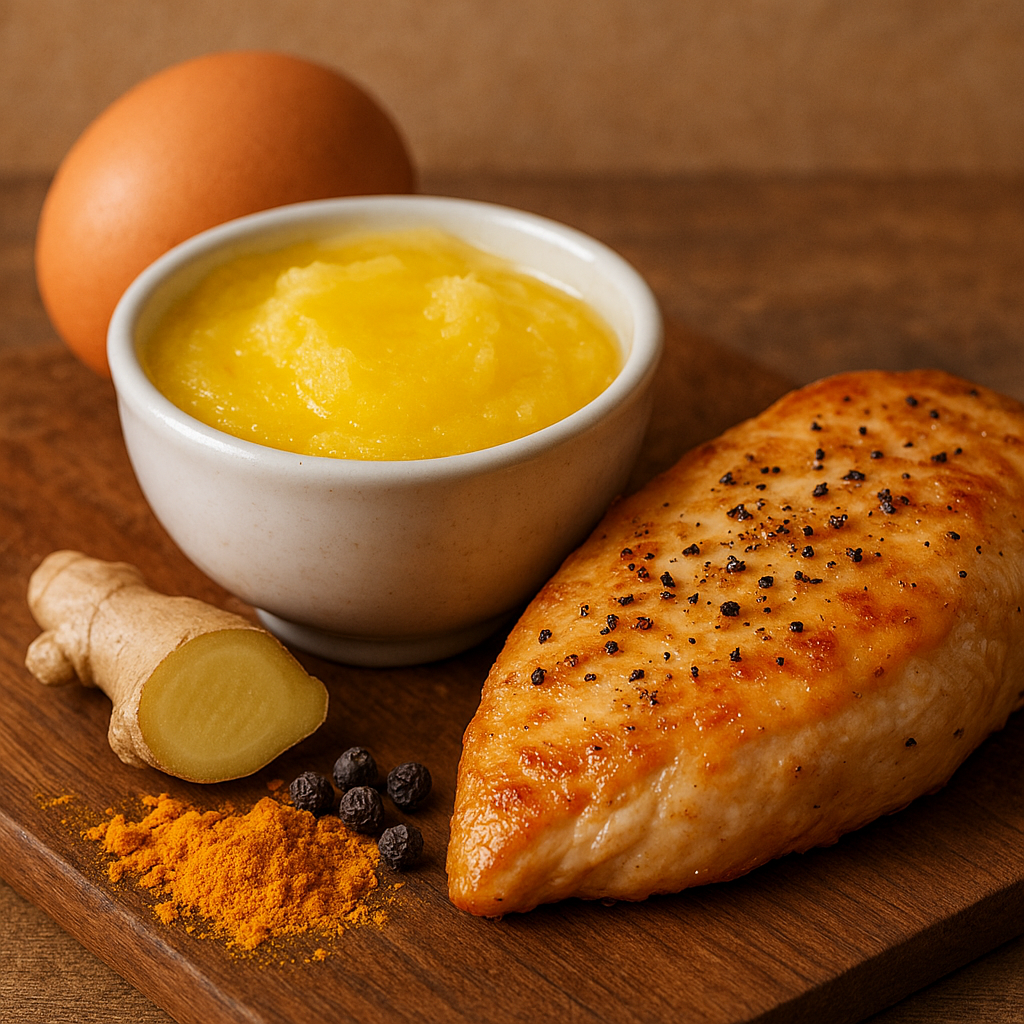
- Ayurveda hardly promotes extremity. Balance and preparation is a consideration to those who prepare animal foods. Keep freshly and the ethically sourced milk, ghee or eggs and cook the meat with the help of spices, which stimulate digestion, such as ginger, turmeric and black pepper. The types of the vatas can eat moderate portions of warm animal protein, and Kapha people are requested to eat heavy proteins less frequently. Time is important as well; make more use of heavier proteins at noon of the time that the digestive fire is the greatest.
How to Choose What’s Best for You: Ayurveda + Modern Health
Assessing Your Body Type and Dietary Habit
The best source of protein is determined by your dosha type, life and health objectives.
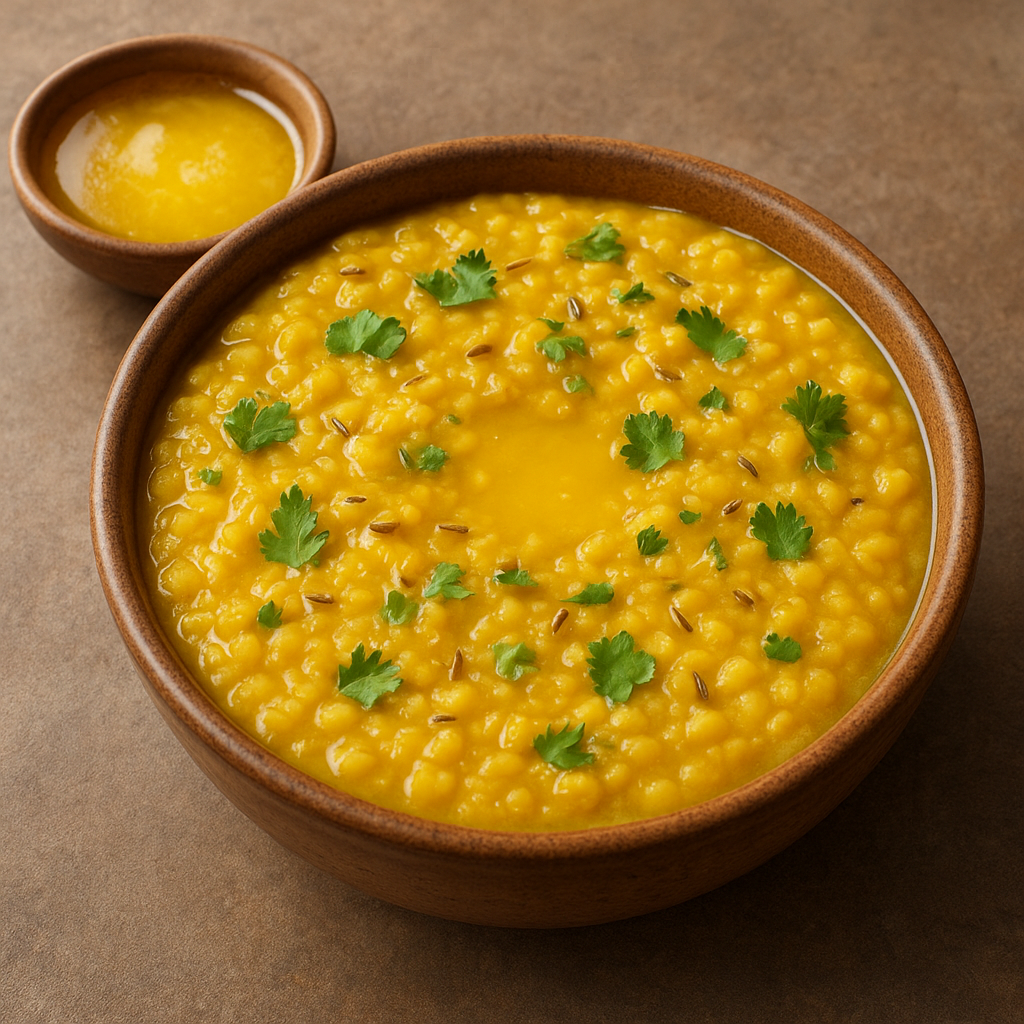
- Vata: Tends to prefer cooked and warmed plant proteins such as moong dal and ghee.
- Pitta: It is best to avoid inflammation by lowering moderate levels of hot spicy foods and high levels of animal protein.
- Kapha: Lights, maintains energy, survives, without correspondingly thickening on heavy plant food, as well as sprouts and pulses.
Pregnant women, sportspeople, and the elderly might need more protein however, Ayurveda continues to stress on easy digestibility rather than on the overall amount.
Tips to Incorporate Plant & Animal Protein in Balance
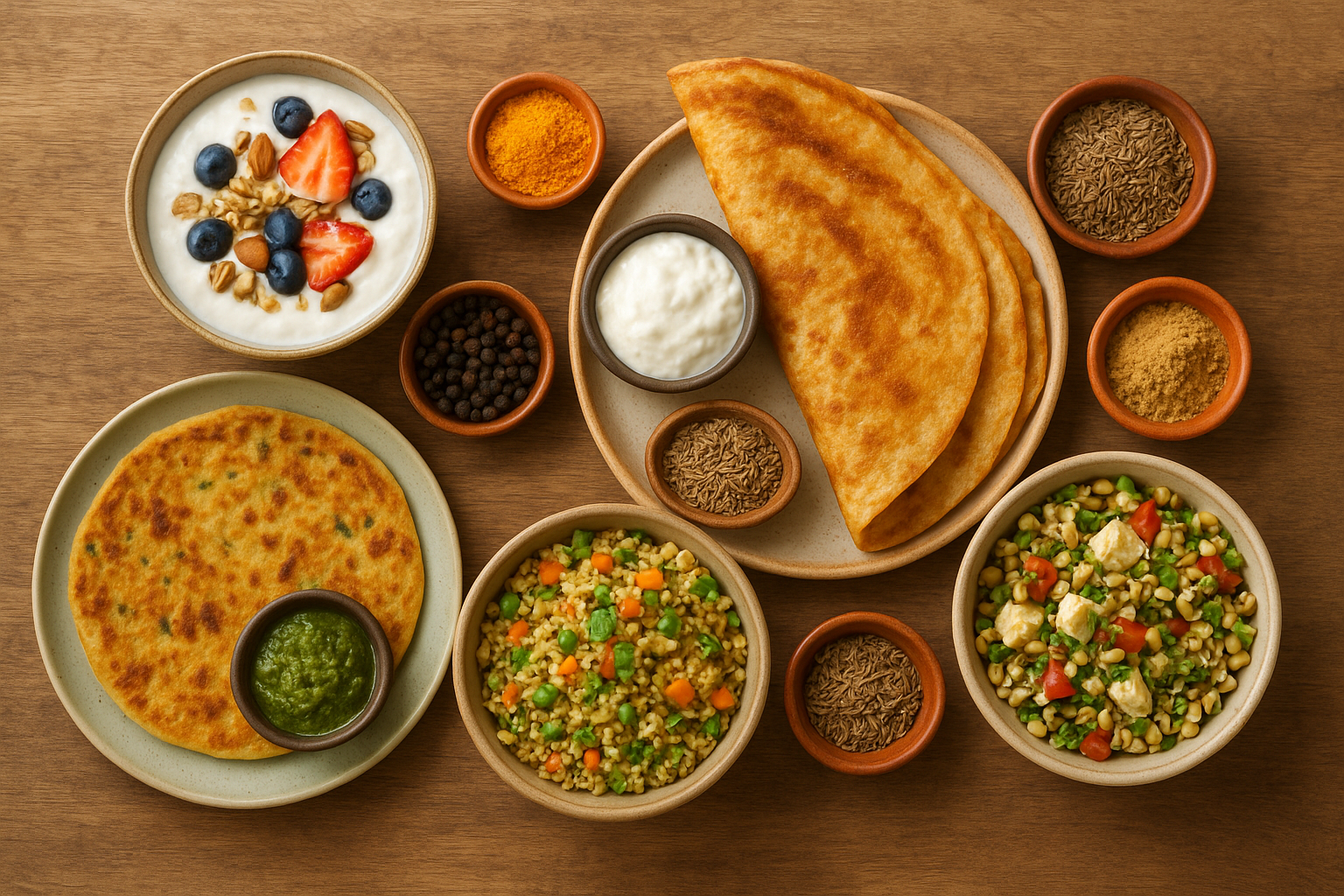
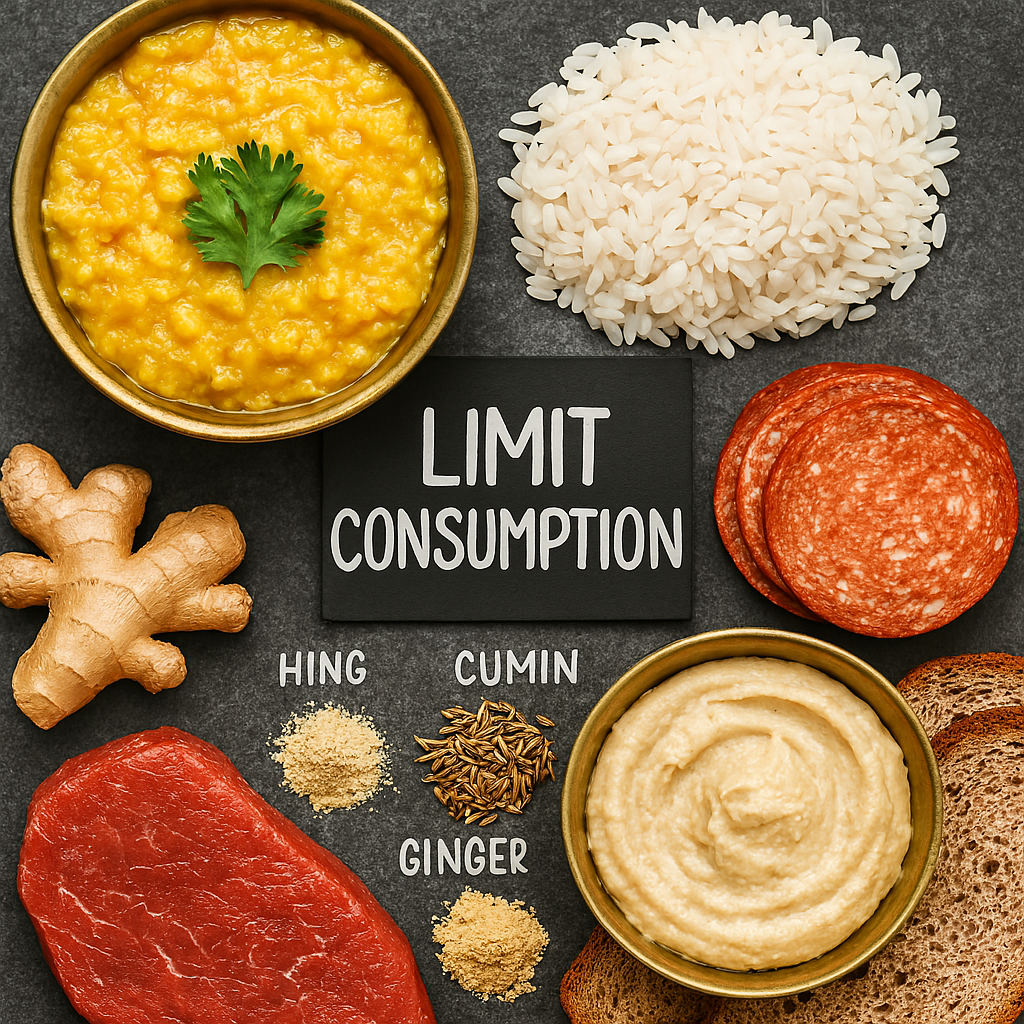
- Combine legumes with grains (dal + rice, hummus + whole wheat bread) to combine all the amino acids.
- Upon being a vegetarian add to plant meals with dairy or eggs to supplement quality protein.
- Utilize Ayurvedic substances e.g. hing, cumin, and ginger to enhance the heavy protein digestion.
- Preparation techniques such as soaking, sprouting, fermenting of food to lower the level of anti-nutrients and enhance bioavailability.
Practical Ayurvedic Meal Ideas
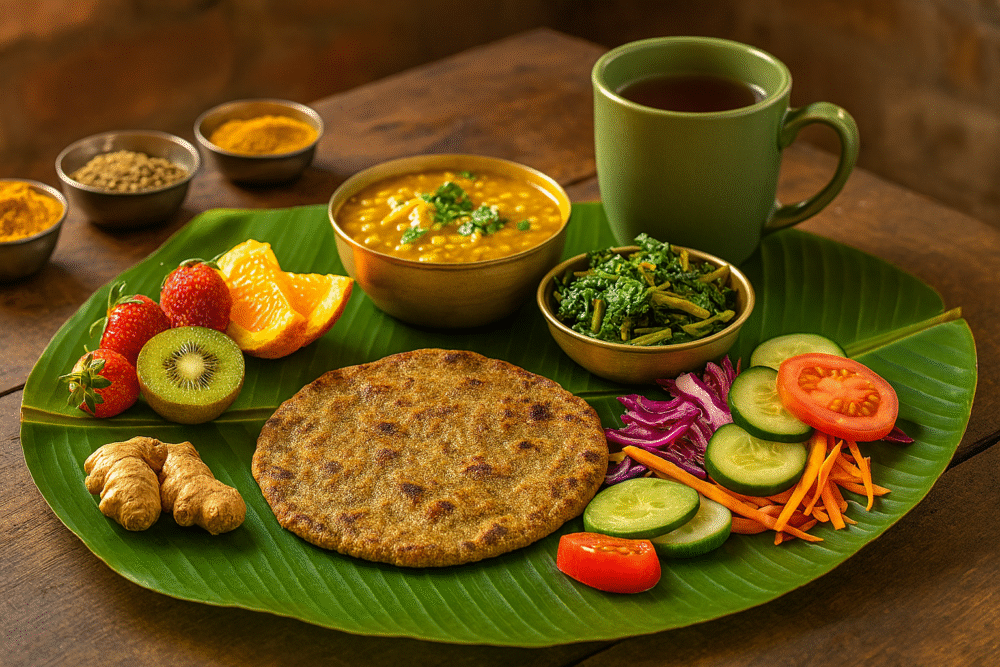
- Vegetarian combo: Sprouted moong salad, quinoa-rajma khichdi, or sesame-ragi ladoos.
- Mixed diet: Brown rice with lentil sambar and a side of paneer; fish curry with millet roti.
These simple meals balance taste, nutrition, and Ayurvedic principles.
Risks, Misconceptions & Precautions
Common Myths about Plant vs Animal Protein
- Myth 1: Plant protein is always incomplete.
- Truth: Combining plant sources ensures completeness.
- Myth 2: Animal protein is always superior.
- Truth: Quality, digestion, and individual constitution matter more than source alone.
Ayurvedic & Health Precautions
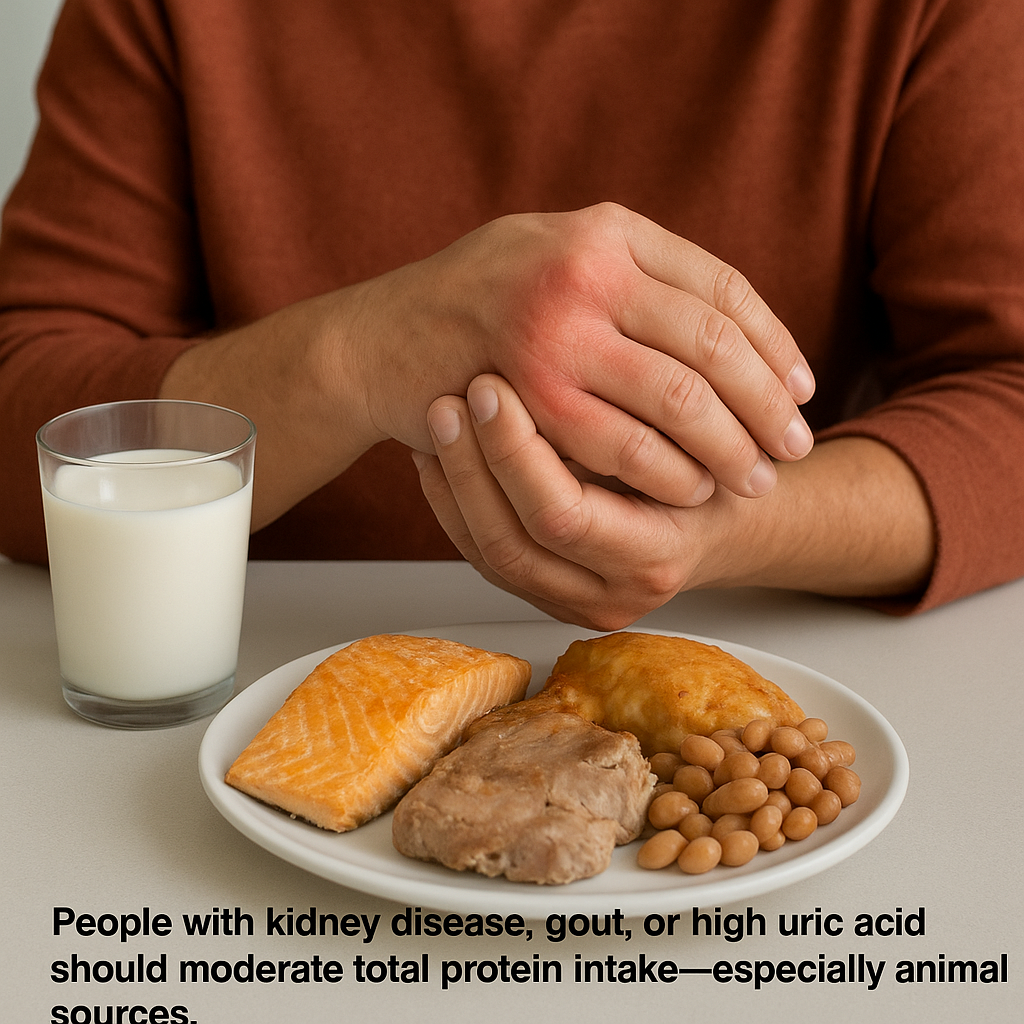
People with kidney disease, gout, or high uric acid should moderate total protein intake—especially animal sources.
Ayurveda advises mindful eating, avoiding heavy night meals, and listening to your body’s signals to prevent imbalances.
FAQs
1. Is plant protein enough for strength training if I don’t eat meat?
Yes. Combining pulses, grains, nuts, and seeds provides all essential amino acids for muscle growth.
2. Can Ayurveda help with my digestion if I consume meat or eggs?
Absolutely. Use digestive spices like ginger and black pepper, and avoid mixing meat with incompatible foods like dairy.
3. What are some complete plant protein combinations in Indian food?
Classic combos include rice + dal, roti + chana, and amaranth + lentils.
4. Are there risks of animal protein according to Ayurveda?
Excessive meat, especially red meat, can increase Pitta and create digestive toxins (ama). Moderation and proper preparation are advised.
5. How to know if my protein diet is right for my dosha?
Monitor digestion, energy, and mood. If you feel heavy, bloated, or lethargic, adjust portion sizes or preparation methods.
Summary
The debate on plant based protein vs animal protein India is not about choosing one side forever. Ayurveda teaches that the best diet aligns with your body type, digestion, season, and ethical choices. Whether you prefer plant protein sources that provide all essential amino acids in the Indian diet or carefully selected animal foods, focus on freshness, mindful combinations, and digestive support.
Start small: add a variety of dals, seeds, and whole grains to your meals, or moderate animal intake with Ayurvedic spices. By blending modern nutrition with timeless wisdom, you can enjoy a protein-rich Indian diet that supports strength, health, and harmony.
Call to action: try small shifts (adding plant protein combos, using Ayurvedic herbs for digestion), invite to subscribe/download your guide/recipe book.