“Matcha vs Coffee: The Heart-Healthy Energy Choice You Didn’t Know You Needed!”
Matcha and Coffee are dominating modern lifestyles, encouraging wellness and productivity trends across the globe. This blog makes a comparison between Matcha vs. Coffee for heart health and mental health, revealing the impact on the mind and body. Readers will explore Matcha vs. coffee benefits, gain insight into Matcha vs. coffee health, and understand the caffeine matcha coffee difference. Additionally, it explains how L-theanine Matcha supports calm focus compared to the instant energy of matcha coffee. By the end, you’ll know which drink – Matcha or Coffee – provides better heart health for sustained energy, better brain function and everyday vitality.
2. What are Matcha and Coffee?
2.1 What is Matcha?
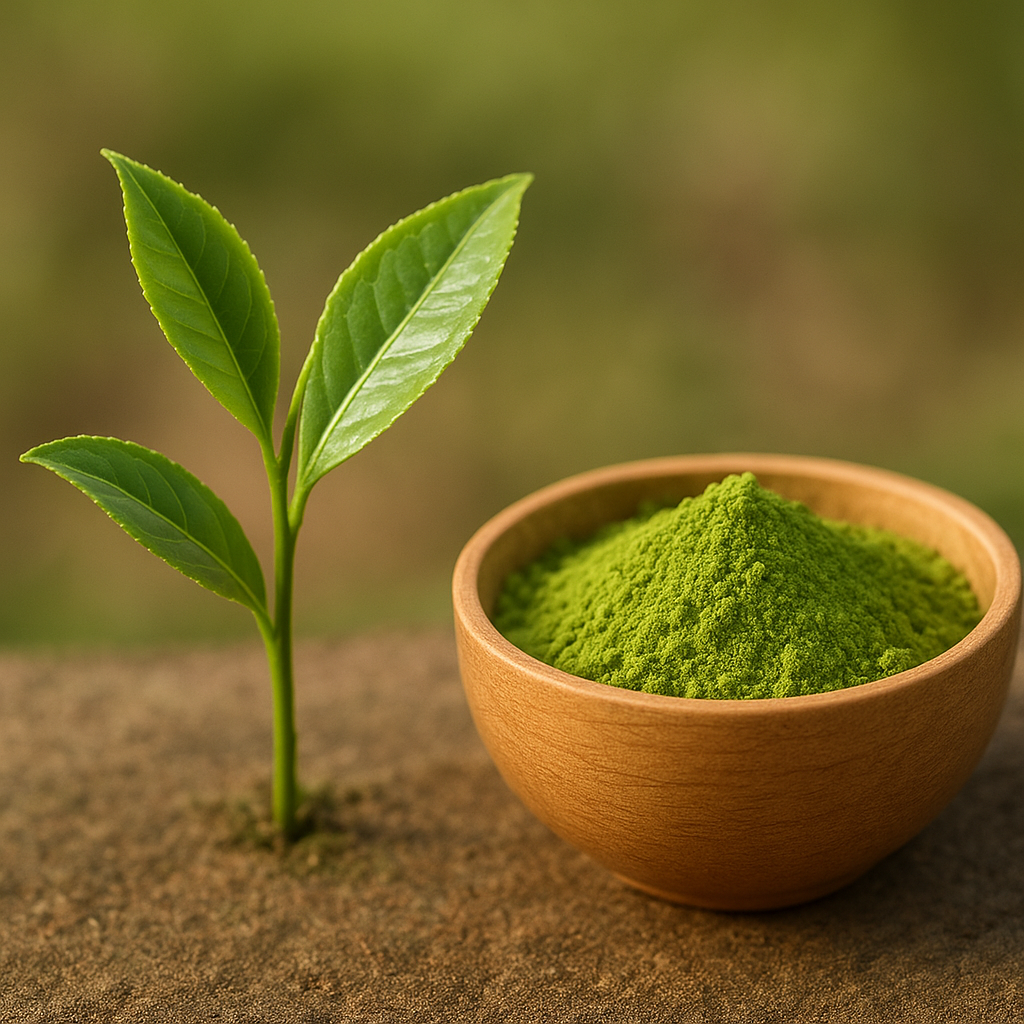
Matcha is a finely ground green tea powder made from shade-grown Camellia sinensis leaves.
Unlike regular tea, it is consumed whole, increasing its nutrient content.
This vibrant powder provides the high antioxidants in Matcha and Coffee, especially epigallocatechin gallate (EGCG), which is known to have strong matcha health benefits.
The average amount of caffeine in Matcha ranges from 30-70 mg per serving, which is less than Coffee, yet balanced with the l-theanine
Matcha contains, which promotes relaxation and meditation. Additionally, Matcha for heart health and Matcha for brain function are gaining attention due to their ability to improve alertness without the caffeine jitters of matcha coffee.
2.2 What is Coffee?
Coffee, made from roasted coffee beans, is one of the most consumed beverages around the world. Similarly, it contains per cup 80-120 mg of caffeine, which gives a rapid coffee instant energy boost. Consequently, fundamental bioactive compounds involve chlorogenic acid coffee as well as cafestol, which gives notable coffee health benefits. Furthermore, because of the rich polyphenols in beverages, Coffee for heart health helps when consumed in moderate amounts.
3. How Much Caffeine and How It Affects the Body
3.1 Caffeine differences: Matcha vs Coffee
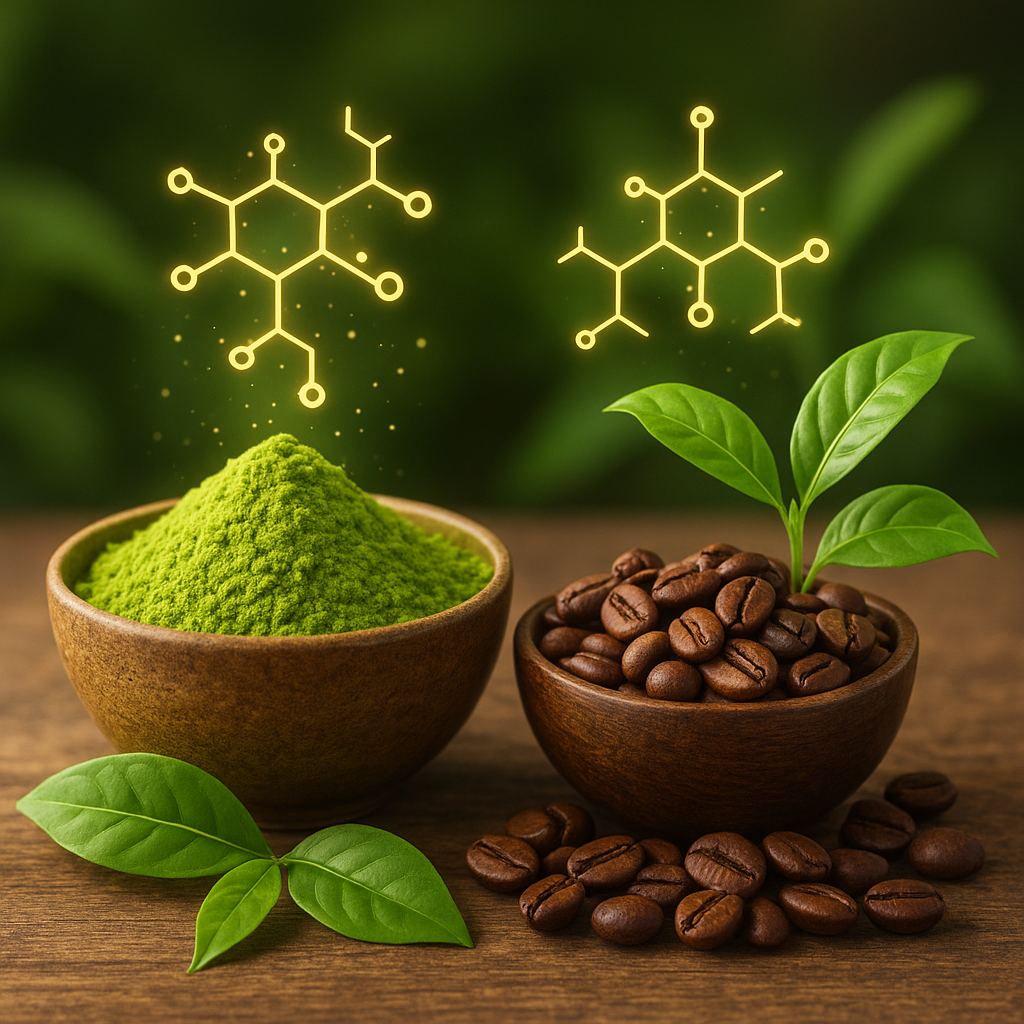
When comparing Matcha vs. Coffee, the caffeine levels differ significantly. A typical 8-ounce cup of Coffee contains about 96 milligrams of caffeine, while Matcha provides about 38-88 milligrams, depending on the preparation.
This caffeine matcha coffee difference impacts how each affects alertness and energy.
L-theanine Matcha works together with caffeine to create calm focus and sustained attention. In contrast, Coffee Instant Energy Boost provides faster, intense effects.
Additionally, the antioxidants in Matcha and Coffee, such as epigallocatechin gallate (EGCG) and chlorogenic acid, influence overall health.
Therefore, in a matcha coffee comparison, Matcha provides spontaneous stimulation and less caffeine jitters, making it a better choice for brain function.
3.2 Energy, focus and crash
Coffee provides quick energy due to rapid caffeine absorption, but can be followed by a sudden crash. Particularly, Matcha makes sure to balance alertness with relaxation as well as sustained energy. This balance outcomes from the synergy between the caffeine and L-theanine matcha, which encourages concentration which is long-lasting. Consequently, Matcha vs. Coffee for Mind Clarity and Focus addresses that Matcha promotes relaxed productivity, while the impact of Coffee diminishes quickly. Furthermore, the Matcha vs. coffee caffeine crash comparison addresses why different individuals switch to Matcha for proper energy.
4. Heart Health: Which One Supports the Heart Better?
Matcha’s heart-health benefits
- Matcha for heart health is prominent due to the abundance of catechins and polyphenols in beverages, especially epigallocatechin gallate (EGCG).
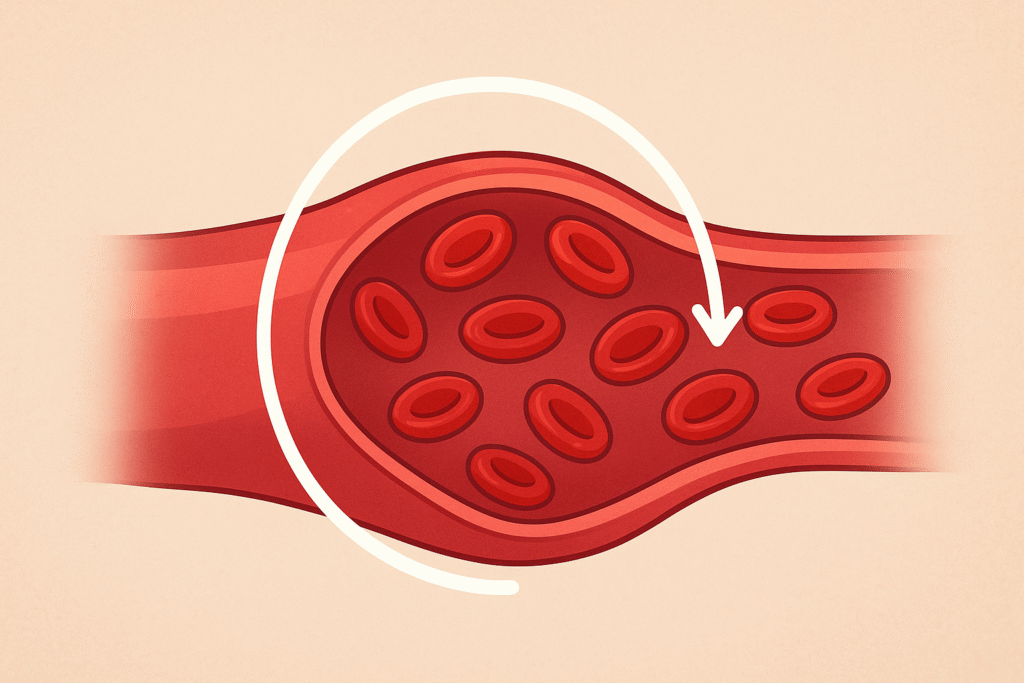
- These compounds lower blood pressure and reduce LDL cholesterol levels. Matcha health benefits also include improving blood vessel function, which reduces heart disease risk factor coffee matcha.
- Additionally, the antioxidants in Matcha and Coffee contribute to overall heart health.
- Comparatively, green tea powder benefits highlight Matcha vs coffee health benefits, which support stable blood circulation and artery flexibility.
Coffee’s heart-health benefits
- Coffee for Heart Health, thanks to Chlorogenic acid, Coffee supports heart health due to its strong antioxidant content.
- Moderate consumption is associated with a reduced risk of heart failure and stroke.
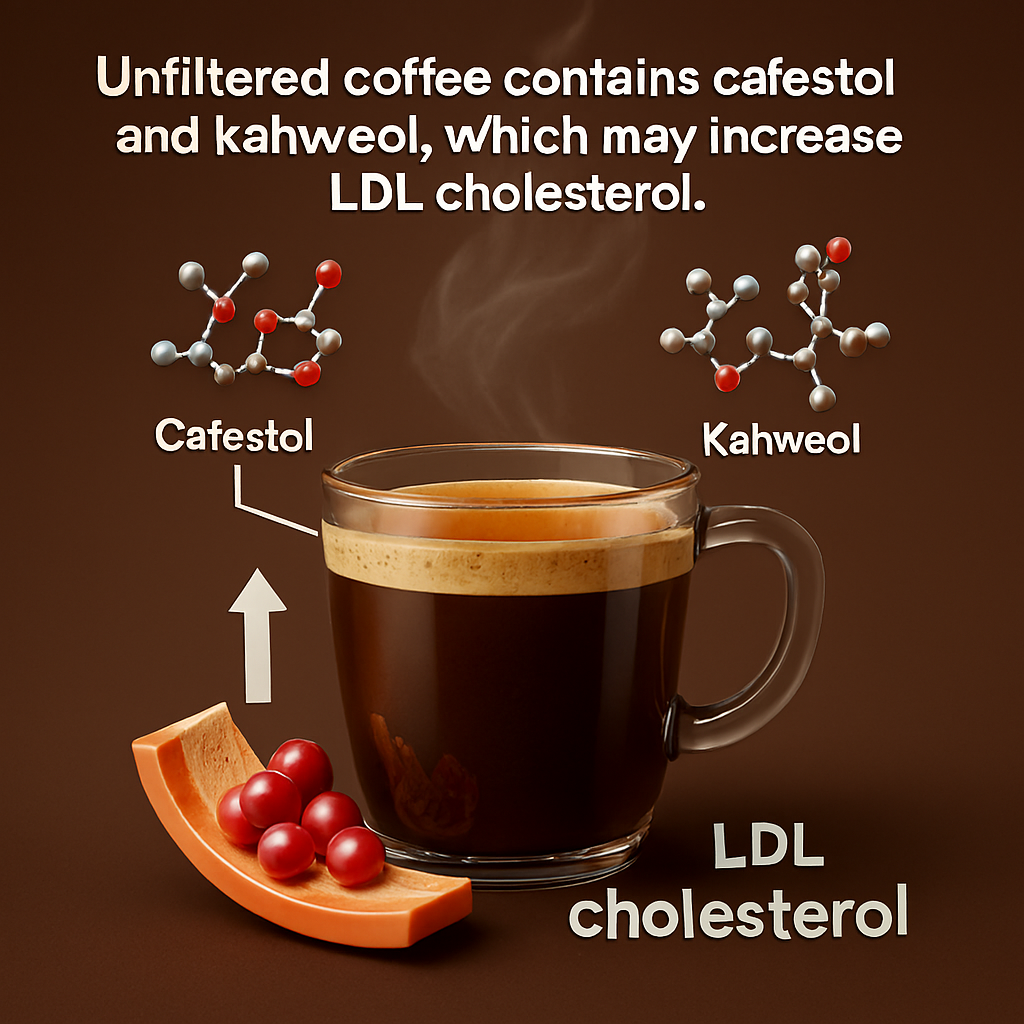
- However, unfiltered Coffee contains cafestol and kavaheol, which may increase LDL cholesterol.
- As a result, filtered Coffee provides safe cardiovascular effects while balancing its energetic properties.
Comparison & practical take-away
- Matcha coffee comparison: Both beverages provide cardioprotective effects.
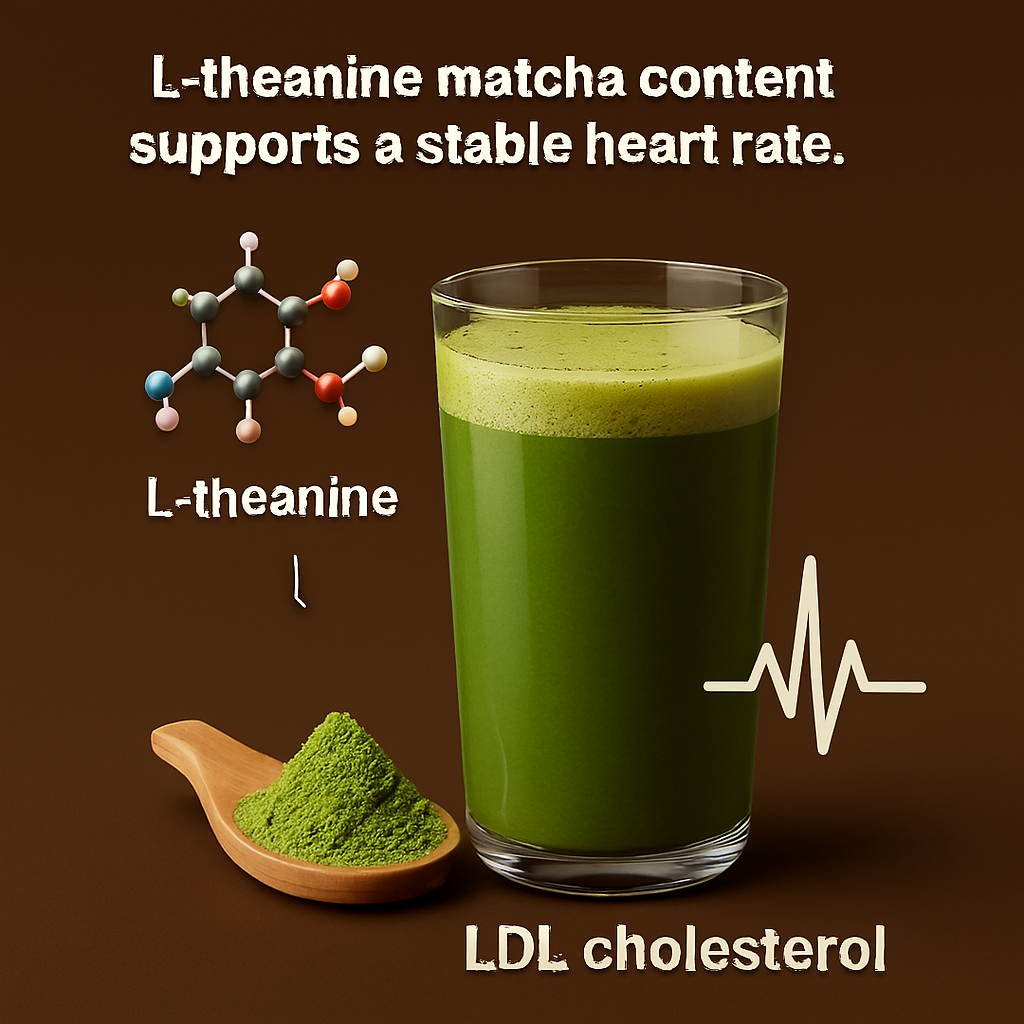
- The Matcha vs coffee benefits show that the low caffeine and l-theanine matcha content supports a stable heart rate.
- On balance, the benefits and drawbacks of drinking Matcha instead of coffee depend on individual caffeine tolerance and health preferences.
5. Brain and Mental Health: Mind-Boosting Effects
Matcha for cognitive function and calm: Matcha for brain function provides a unique balance of calmness and alertness. Its L-theanine matcha content increases focus and promotes mental clarity. Combined with mild caffeine, Matcha ensures sustained energy without excessive stimulation. Additionally, the present antioxidants in Matcha and Coffee protect neurons from oxidative stress. As a result, Matcha supports better memory and concentration. Unlike regular coffee, matcha coffee reduces caffeine jitters due to the slow release of caffeine. Accordingly, matcha health benefits extend beyond physical well-being to cognitive stability and emotional balance.
Coffee for cognition and mood
Coffee’s Health benefits include improved alertness and improved mood. Apart from that, the caffeine matcha coffee difference highlights that the rapid Coffee works, boosting focus and time for reaction. However, a huge amount of caffeine can lead to restlessness and anxiety.
Verdict on mental health
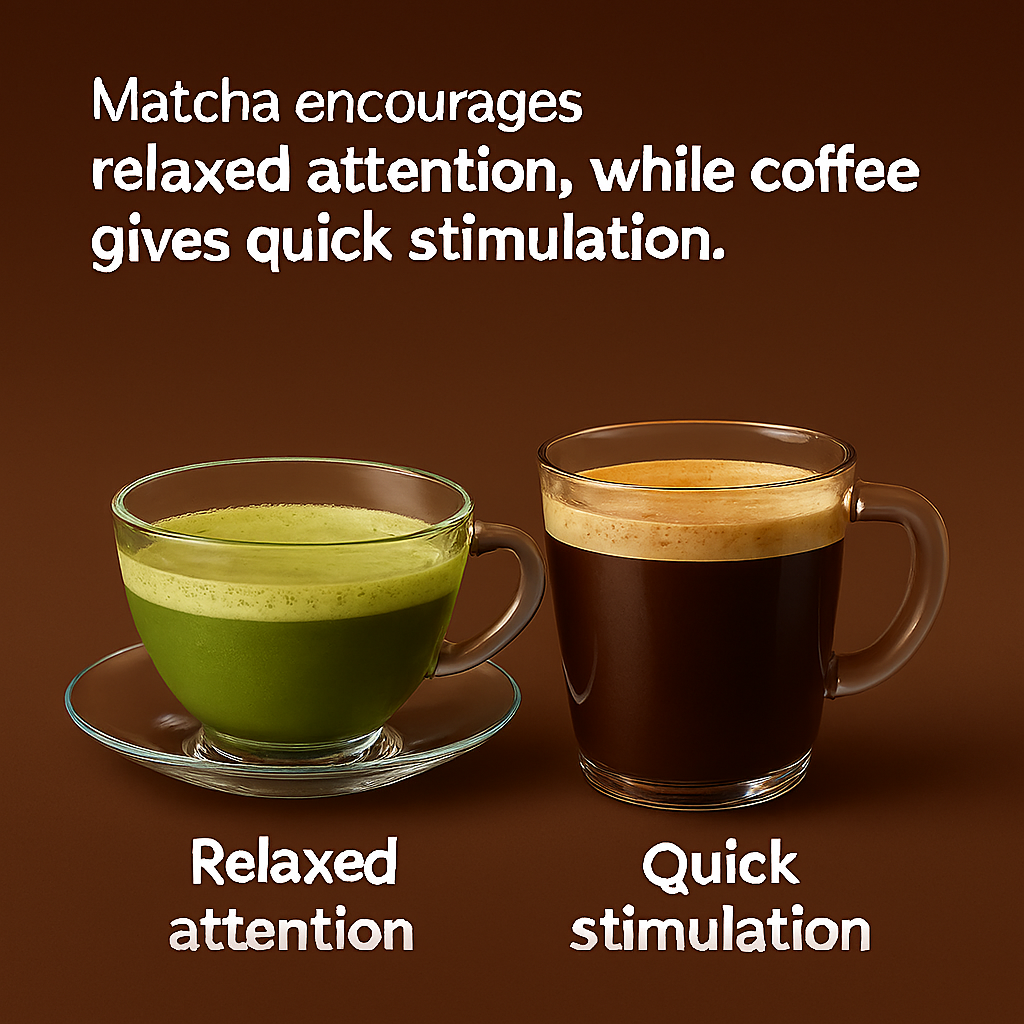
Matcha coffee comparison: Matcha encourages relaxed attention, while Coffee gives quick stimulation. Consequently, Matcha vs Coffee for mind clarity and focus, favouring mainly Matcha for a balanced feeling. Similarly, Matcha vs. Coffee Health research addresses the continued matcha help for mindfulness effectively. On the other hand, Coffee meets rapid energy needs but does not fulfil steady attention.
6. Other Health Considerations & Risks
6.1 Acidity, digestive issues & sensitivity
The difference between Matcha vs. Coffee lies importantly in the level of acidity. Specifically, coffee health benefits are represented, but its high acidity level can lead towards heartburn or reflux. Along with that, green tea powder benefits include a mild effect on digestion.
6.2 Over-consumption risks & ingredients
Excess matcha health benefits may reverse if overused, as tannins may interfere with iron absorption. Similarly, concentrated extracts may put stress on the liver. On the other hand, excessive Coffee can cause restlessness or jitteriness.
6.3 Quality matters
Quality identifies Matcha vs coffee benefits. Similarly, low-grade Matcha may create contaminants, which decreases Matcha for heart health in an effective way. However, unfiltered coffee contains cafestol, which increases cholesterol. Filtered Coffee increases Coffee for heart health results and overall well-being in an effective manner.
6.4 Individual factors
The matcha coffee comparison shows that caffeine tolerance and existing health conditions shape individual choice. For pregnant individuals or those sensitive to caffeine, moderation is important. Ultimately, drinking Matcha instead of coffee has benefits and drawbacks that depend on lifestyle and body reactions.
7. Practical Tips for Choosing and Using Each
To enjoy both Matcha vs. Coffee, choose quality and moderation. For Matcha, use one teaspoon of premium green tea powder mixed with hot water. Proper preparation and balance maximise the matcha health benefits. For Coffee, choose light roast and prefer filtered brewing for better coffee health benefits. Also, limit caffeine intake to 400 mg per day. The Caffeine Matcha Coffee difference suggests alternating the two to prevent dependency. Replace Coffee with Matcha gradually to avoid withdrawal. Apart from this, take drinks along with a balanced meal. Finally, avoid caffeine in the late afternoon to maintain cognitive function, Caffeine, Theanine and restful sleep.
8. Summary & Conclusion
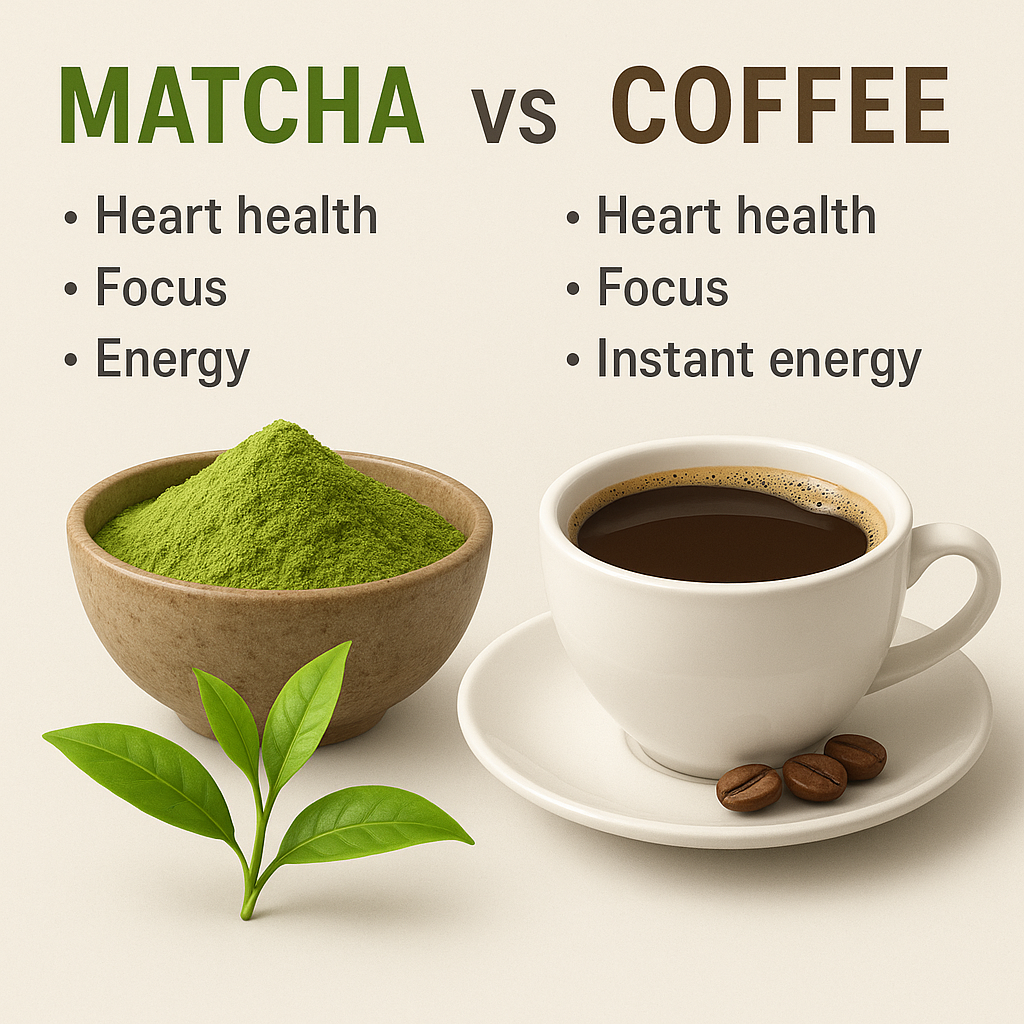
In Matcha vs. Coffee, both offer unique benefits for heart and brain health. The Matcha vs. coffee benefits vary depending on caffeine tolerance and goals. Matcha health benefits include calm meditation, while coffee health benefits provide quick alertness. Ultimately, choose quality, practice moderation, and enjoy careful matcha coffee comparisons every day.
9. Call to Action
Try replacing your morning coffee with Matcha for a week to feel the difference. The Matcha vs. coffee benefits experience focus and calmness. Notice how L-theanine Matcha helps the caffeine-theanine balance. Share your results in the comments or online. Check out related posts on matcha coffee comparison and healthy coffee alternatives.