Overwhelmed by modern living? Anxiety, sleep deprivation, and stress tend to overwhelm your nervous system. Relief is nearer than you believe. Ayurveda provides ancient wisdom that calms your nerves naturally.
These Ayurvedic habits to soothe nervous system naturally are easy, gentle, and profoundly rejuvenating. Abhyanga, Nasya therapy, herbal tea, pranayama, and grounding rituals bring peace in minutes. Every habit balances Vata energy and restores mind-body balance. You don’t require convoluted rituals or costly remedies.
Rather, these simple Ayurvedic routines for stress relief subtly nudge your body toward homeostasis. With regular practice, you mitigate overstimulation and cultivate inner peace. Let Ayurveda be your natural way to stress-free living. Learn 5 Ayurvedic routines to calm nervous system naturally—Abhyanga, Nasya, pranayama, teas, and grounding practices for stress relief.
Let’s Know the Fact
Contemporary life is fast-paced; therefore, stress suffocates your mind and body. Ayurvedic nervous system relief provides resilience, calm, and balance. Not like temporary solutions, Ayurveda involves natural nervous system remedies that heal within. In addition, calming Ayurvedic rituals calm overstimulation and restore balance. For instance, Abhyanga and Nasya therapy nourish nerves and calm the senses.
Similarly, pranayama and herbal tea ground restless energy. Most importantly, easy grounding practices bring lasting peace. Indeed, this ancient philosophy works today too. So these Ayurvedic habits to soothe nervous system naturally lead you to mind-body balance Ayurveda in everyday life.
Habit 1: Abhyanga (Warm Oil Self-Massage)
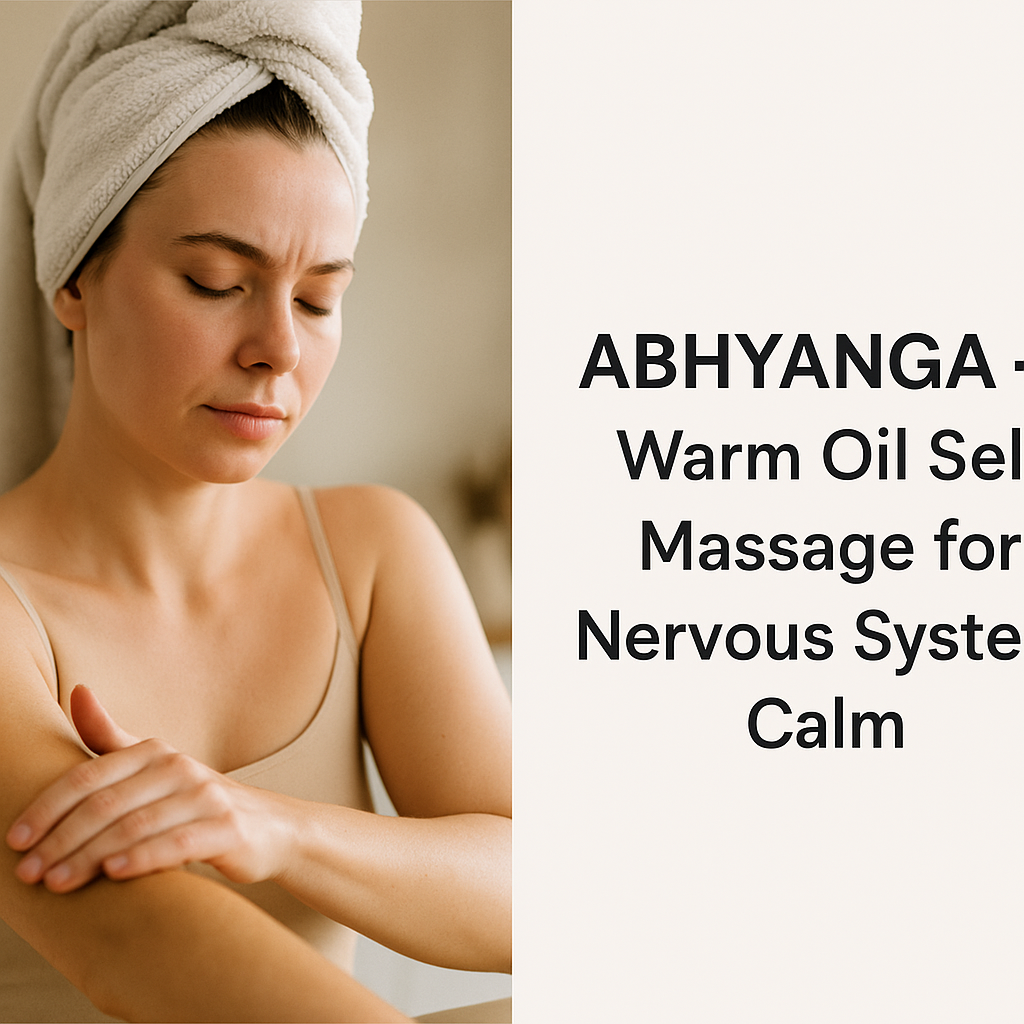
1. Abhyanga – Warm Oil Self-Massage for Nervous System Calm
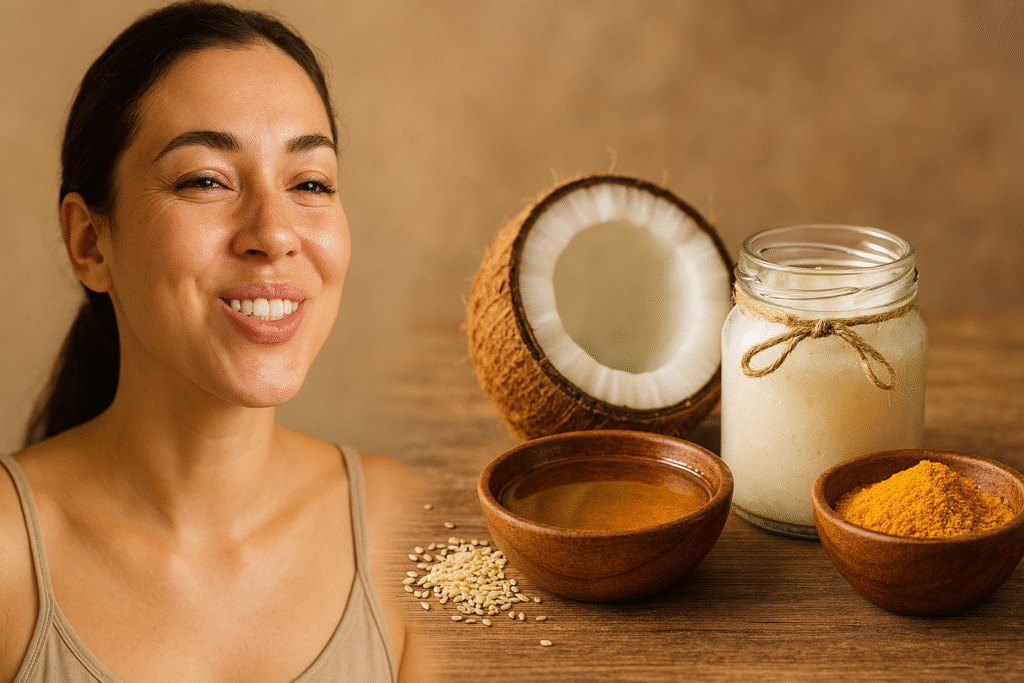
Abhyanga is a calming Ayurvedic self-massage with warm sesame or coconut oil. To begin, this activity provides nourishment to the skin and aids in deep relaxation. As a result, circulation becomes enhanced, and the entire body is cared for.
Abhyanga benefits for nervous system encompass soothing overstimulation and anxiety reduction. Furthermore, this practice is an effective type of Vata balancing self-care that brings steadiness back to body and mind.
First, warm natural oil slowly and then use long strokes over the limbs and circular motions over the joints.
Then massage for 5-10 minutes prior to a warm bath.
As an example, sesame oil is appropriate for Vata individuals, while cooling coconut oil is good for Pitta.
In comparison, lighter oils such as sunflower are suitable for Kapha.
Most importantly, Abhyanga delivers natural nervous system remedies that are available at home. Additionally, it stabilizes emotions and ensures good sleep. Actually, this routine balances doshas and relieves tension.
Overall, having a daily practice builds resistance to stress. Lastly, Abhyanga provides not only body relaxation but also emotional calmness. Therefore, it is still one of the best Ayurvedic routines for nervous system comfort.
Habit 2: Nasya (Nasal Oil Drops)
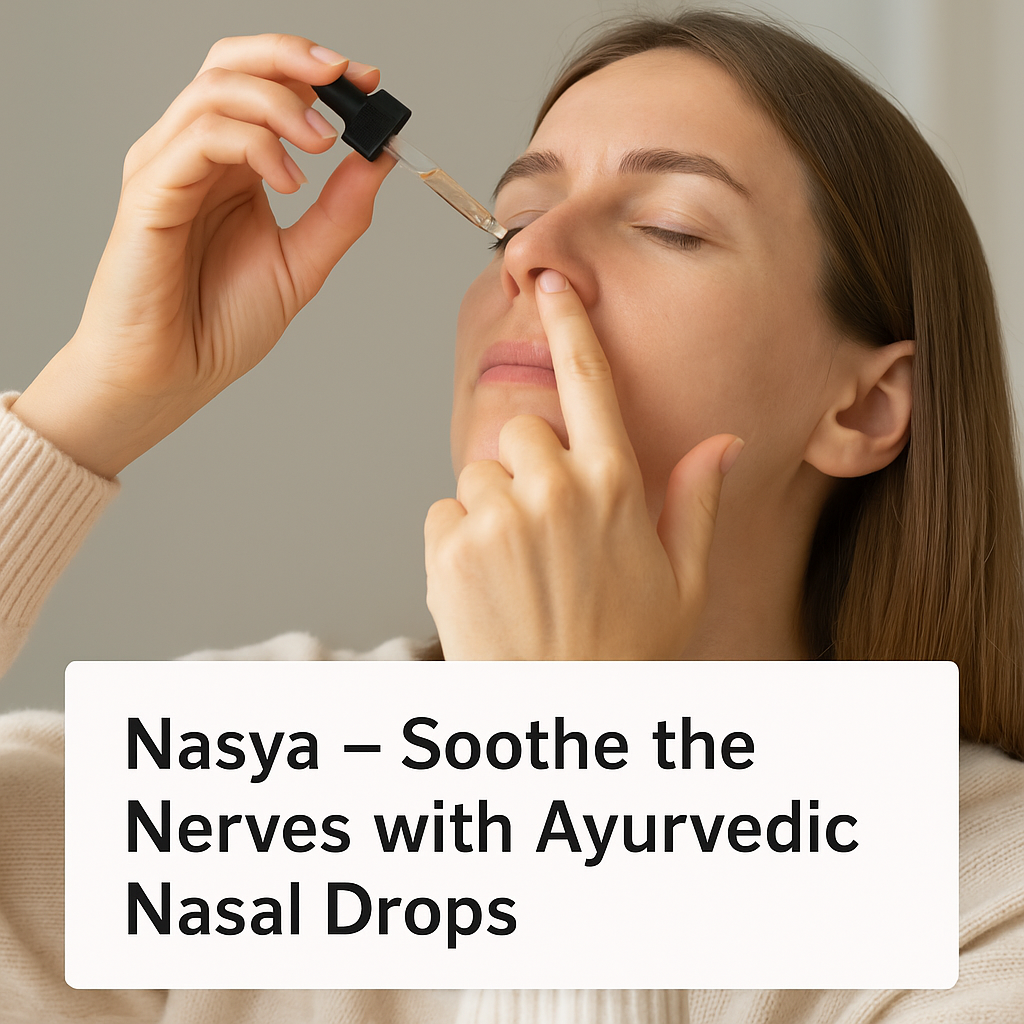
Nasya – Soothe the Nerves with Ayurvedic Nasal Drops
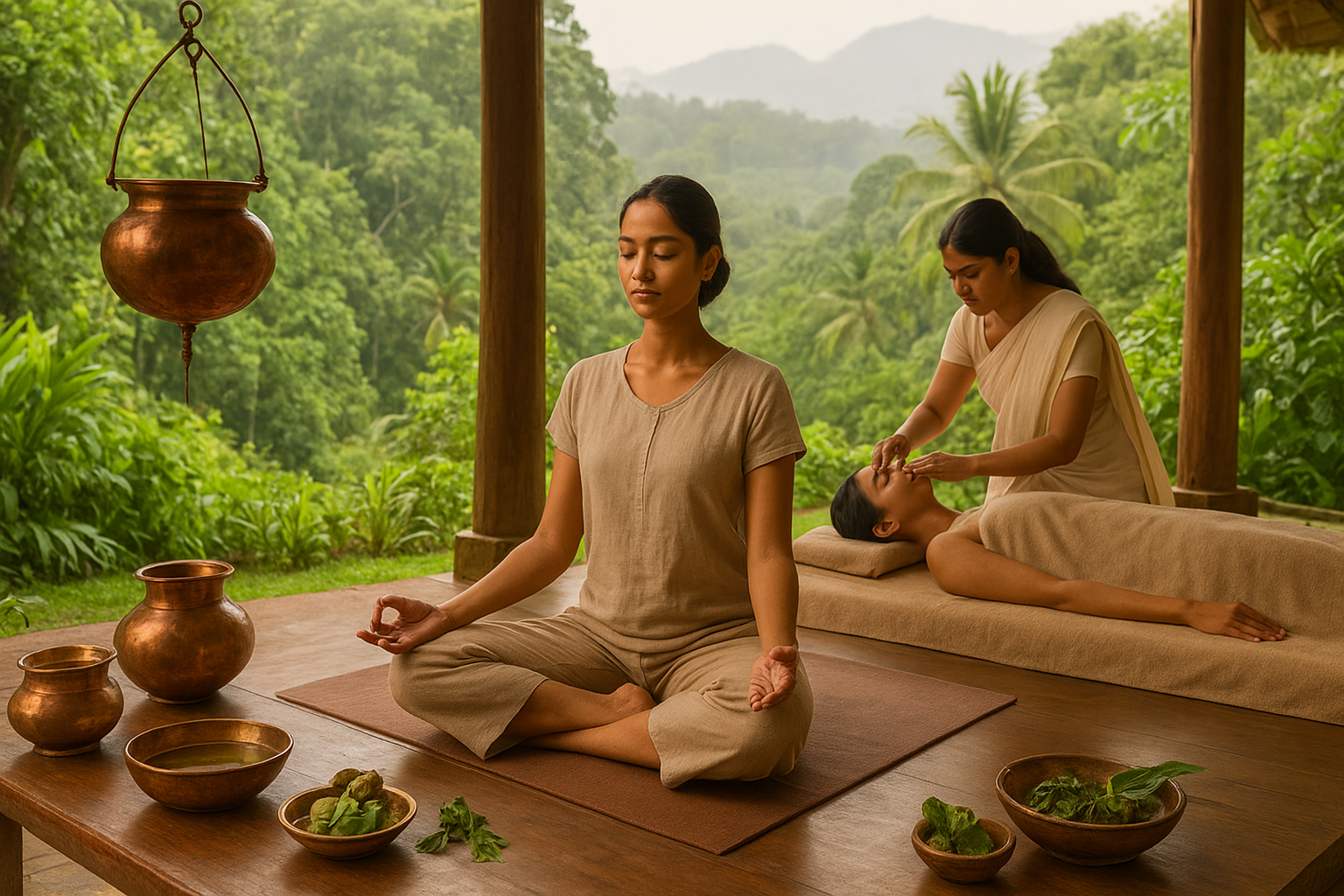
Nasya is an old Ayurvedic treatment in which medicated or warm sesame oil is put in the nostrils. Initially, this treatment clears out sensory channels and enhances mental sharpness. Therefore, Nasya therapy for calm minimizes tension headaches and quiets restlessness. It also balances subtle energies related to breathing and concentration.
First, lean the head back and put one or two drops in each nostril.
Then, breathe gently so that oil can be absorbed.
To illustrate, sesame oil is compatible with dryness.
Whereas herbal formulations are suitable for stress-prone individuals.
Certainly, practice Nasya prior to bed for complete relaxation.
Specifically, refrain from practicing it in the event of sinusitis or colds to avoid pain.
Similarly, consult an Ayurvedic practitioner if there is prolonged respiratory problem.
Further, this practice is reinforcing of Ayurvedic practices for anxiety, introducing stability to the nervous system. Most importantly, this therapy promotes mind-body balance Ayurveda, facilitating both emotional relaxation and physical comfort.
Lastly, using Nasya on a daily basis offers grounding relief and enhances endurance against overstimulation. Hence, it is one of the most reliable natural nervous system remedies in Ayurveda.
Habit 3: Pranayama (Breathwork—Alternate Nostril Breathing)
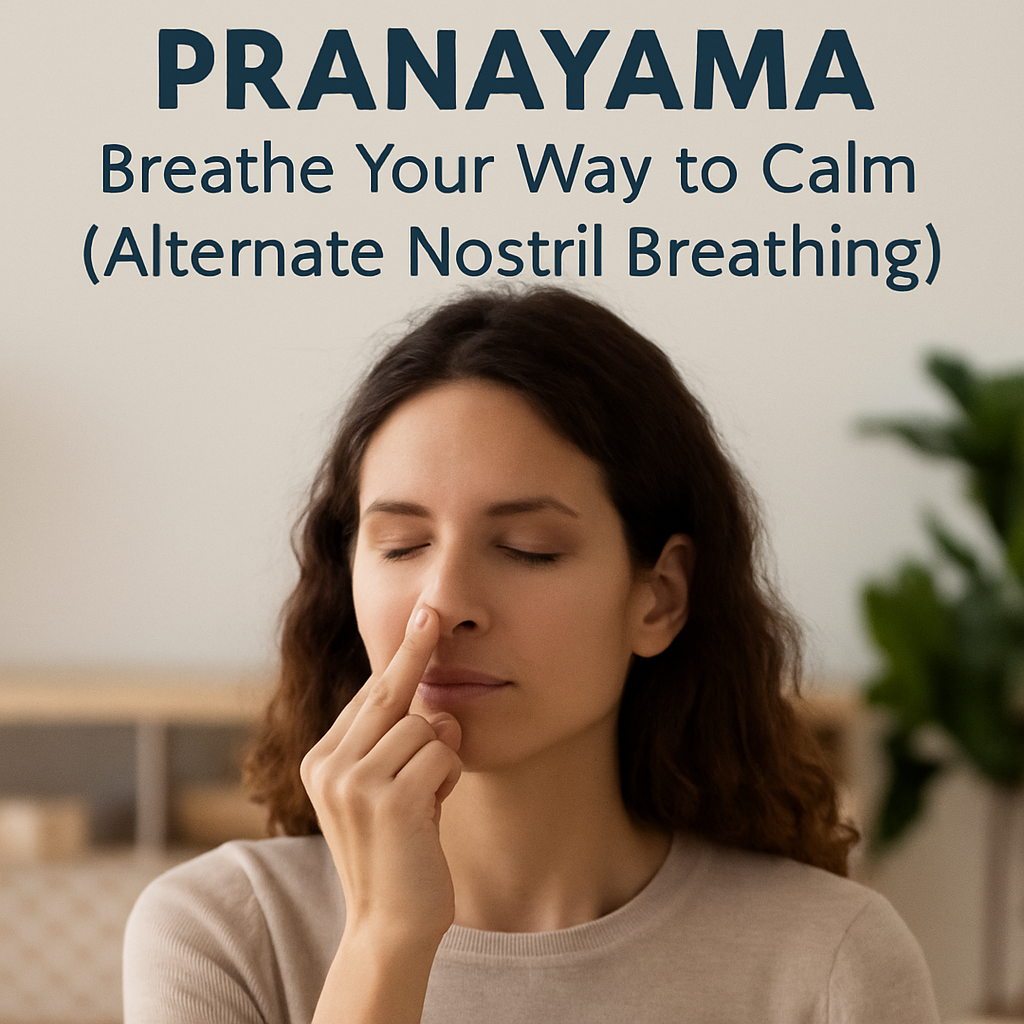
Pranayama – Breathe Your Way to Calm (Alternate Nostril Breathing)
Pranayama, i.e., Nadi Shodhana or alternate nostril breathing, is an easy but dynamic exercise. Initially, it stabilizes the nervous system and calms emotions. Subsequently, the above technique lessens stress and balances the hemispheres of the brain.
Firstly, sit with an erect posture. Then, with your thumb close one nostril and breathe in deeply through the other.
Thereafter, breathe out through the other nostril by using your ring finger. As an example, practice this process for 3–5 minutes.
Furthermore, optimal times are early morning or evening when the mind is naturally calm.
Most importantly, pranayama is natural nervous system remedies that bring back serenity without drugs. In fact, it’s one of the best calming Ayurvedic rituals. Specifically, this practice is suggested for anybody looking for how to calm nervous system naturally with Ayurveda.
Clearly, consistency is what creates lasting results. Essentially, this breathing technique unites body, breath, and mind. Ultimately, daily practice ensures peace, clarity, and resilience. Hence, Pranayama continues to be a foundation of Ayurvedic habits for stress relief for daily routines.
Habit 4: Herbal Teas & Healing Spices
Herbal Teas & Spices – Sip Your Way to Nervous System Balance
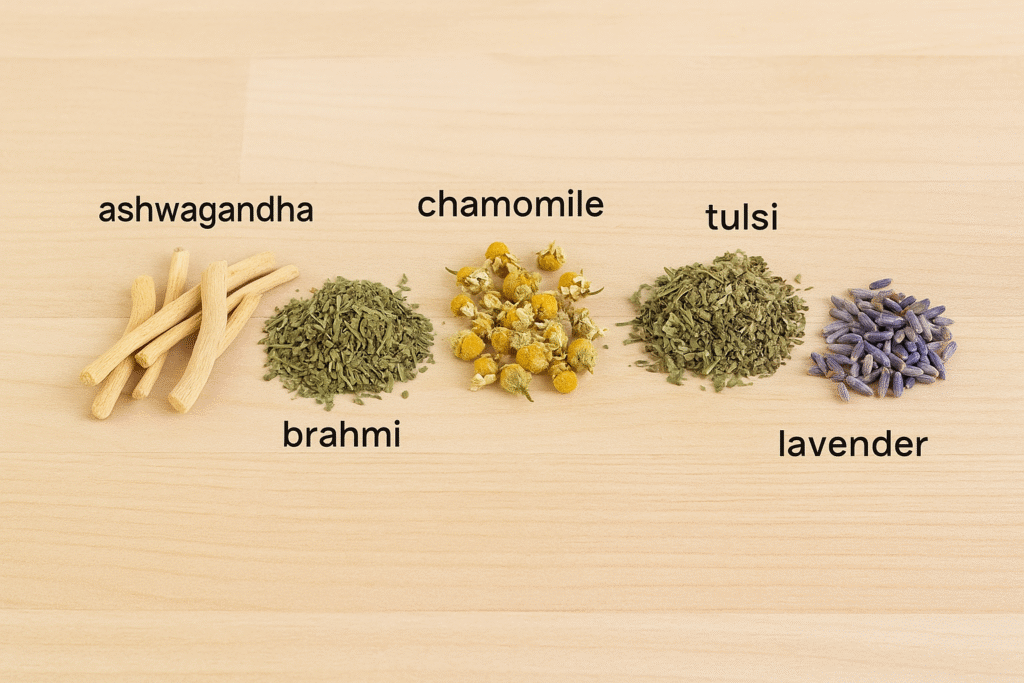
Ayurveda’s favorite calming herbs are Ashwagandha, Brahmi, Chamomile, Tulsi, and Lavender. Initially, these herbs function as adaptogens and balance the system. Thus, they calm the mind and induce peaceful sleep naturally.
First, make a basic recipe for Ayurvedic nervous system relief.
Then, add one teaspoon each of dehydrated herbs into boiling water.
Next, boil for five minutes and then consume warm at night.
As an example, Tulsi and Chamomile combined promote profound relaxation and calmness.
Most importantly, these teas provide natural nervous system remedies that are safe to consume every day.
In fact, using quality herbs is key to optimal effects.
Similarly, don’t use artificial additives since they destroy purity.
Additionally, Ashwagandha tea promotes resilience in the face of stress.
Additionally, Ayurveda educates that careful sipping relaxes overstimulation and reestablishes balance. Specifically, adding herbal teas is an simple Ayurvedic daily routine for stress relief.
Truly, this practice anchors the body and calms the nervous system. Lastly, regularity generates long-term serenity and inner equilibrium. And so, spices and teas are timeless friends in Ayurvedic habits for stress relief.
Habit 5: Grounding Daily Routine (Dinacharya Adaptation)
Grounding Daily Routine – Adapted Dinacharya for Nervous Rest
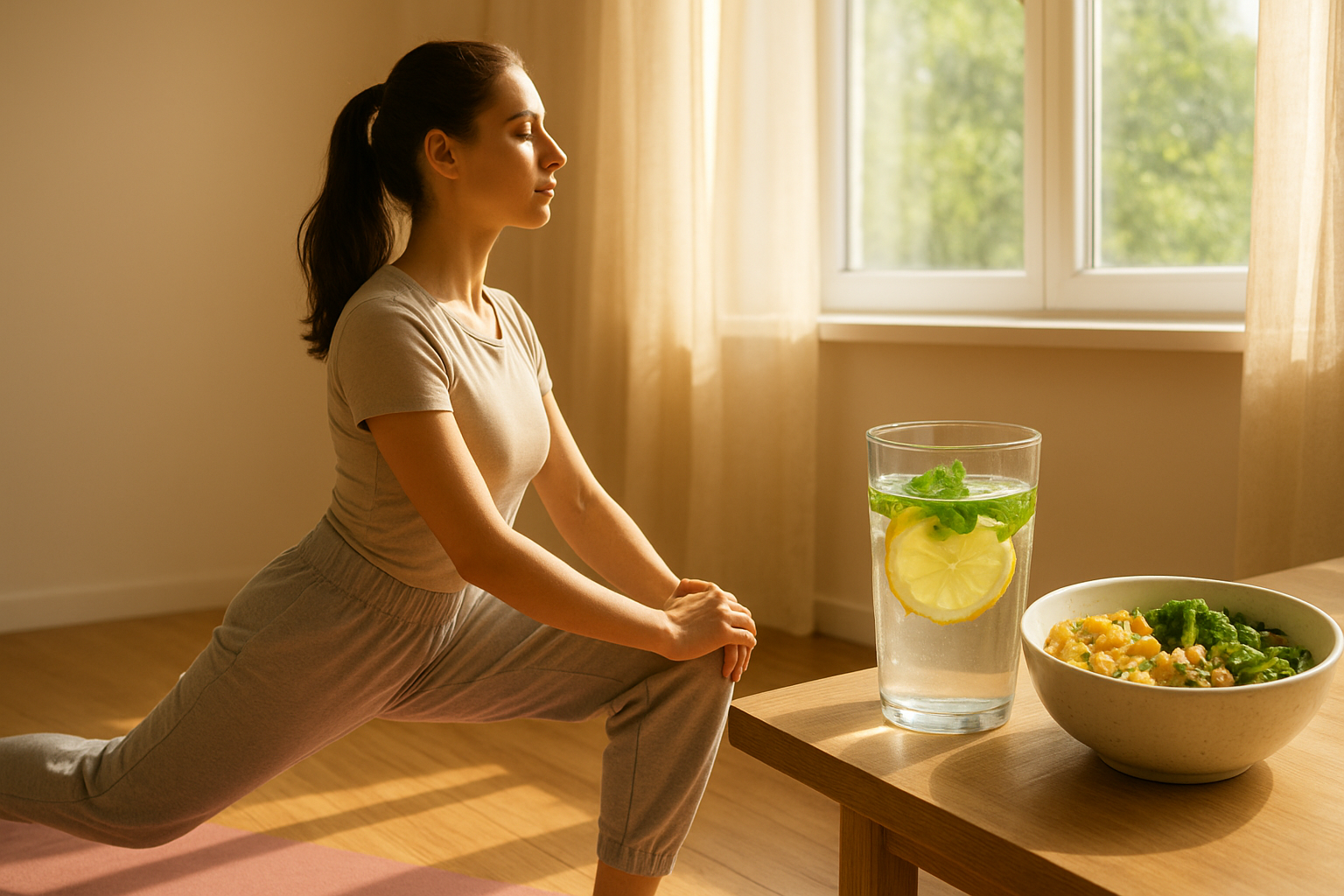
Daily routine, or Dinacharya, place the body and mind on the ground. Initially, Ayurveda suggests waking up with sunrise for balance and clarity of the mind. Subsequently, the tongue scrapping eliminates toxins and revives the senses. Subsequently, hot water extinguishes and gently stimulates digestion.
Next, practice micro movement such as yoga or stretching.
Similarly, eating at the scheduled time to regulate energy.
In turn, these practices reduce overstimulation and restore inner peace.
Similarly, they create Ayurvedic habits for stress relief that increase flexibility between contemporary challenges.

Above all, stability is more important than perfection. Additionally, even mobile-capable versions of rituals are helpful when they are made every day. For example, conscious breathing or warm baths are helpful in stabilizing the nervous system.
In fact, a simple Ayurvedic daily routine for stress relief and promotes emotional stability. Obviously, these rhythms enable the nervous system to fix the nervous system after the day’s demands. The most important, daily conducted small rituals provide natural remedies for overstimulation without the risk of side effects.
Finally, customized Dinacharya enables to live a peaceful life. Thus, this ancient practice leads contemporary seekers to long -term nervous system peace.
Call to Action
In conclusion, these five habits bring relief to the Ayurvedic nervous system relief. Additionally, they serve as calming Ayurvedic rituals that cultivate stability and reduce overstimulation. Eventually, the balance arises from constant but direct routine.
In addition, you do not need perfection; Start with a practice and create slowly. In similar fashion, stacking habits calm down for a long time. In fact, very little yields have deep effects over time. Therefore, select a ritual today and adopt therapy. What habit will you try first?
Comment below and share with others who are looking for tender, natural peace.
FAQs
1. How soon will I feel calmer with these Ayurvedic habits?
Most feel a subtle calming in a week. Regular practice intensifies effects. Regular Ayurvedic practices for anxiety build calmness and resilience over time. Greater Ayurvedic nervous system relief typically develops over 4–6 weeks. Be consistent for long-term change.
2. Are these techniques safe for pregnant women or people on medication?
Gentle self-care such as Abhyanga and a simple Ayurvedic daily routine for stress relief is generally safe. Always consult an Ayurvedic professional prior to initiating herbs or Nasya therapy for calm if pregnant or on prescription medication. Everyone’s body is different; personalized guidance provides safety.
3. Can I combine all five daily?
Yes, but start slowly. Begin with Abhyanga or Pranayama to set a foundation for your day. Gradually add herbal teas, Nasya, and habits. Blending all yields potent, natural nervous system remedies. However, balance is more important than trying to do it all at once. Overloading can induce stress rather than peacefulness. Build a sustainable rhythm in your own time.
These FAQs underscore how Ayurveda offers calming Ayurvedic rituals and natural remedies for overstimulation. With thoughtful regularity, you cultivate peace, balance doshas, and integrate holistic mind-body Ayurveda into daily life.