“India is called the diabetes capital of the world — but hidden in our kitchens are ancient grains that can naturally balance blood sugar. Ayurveda has known their secret for centuries: millets.”
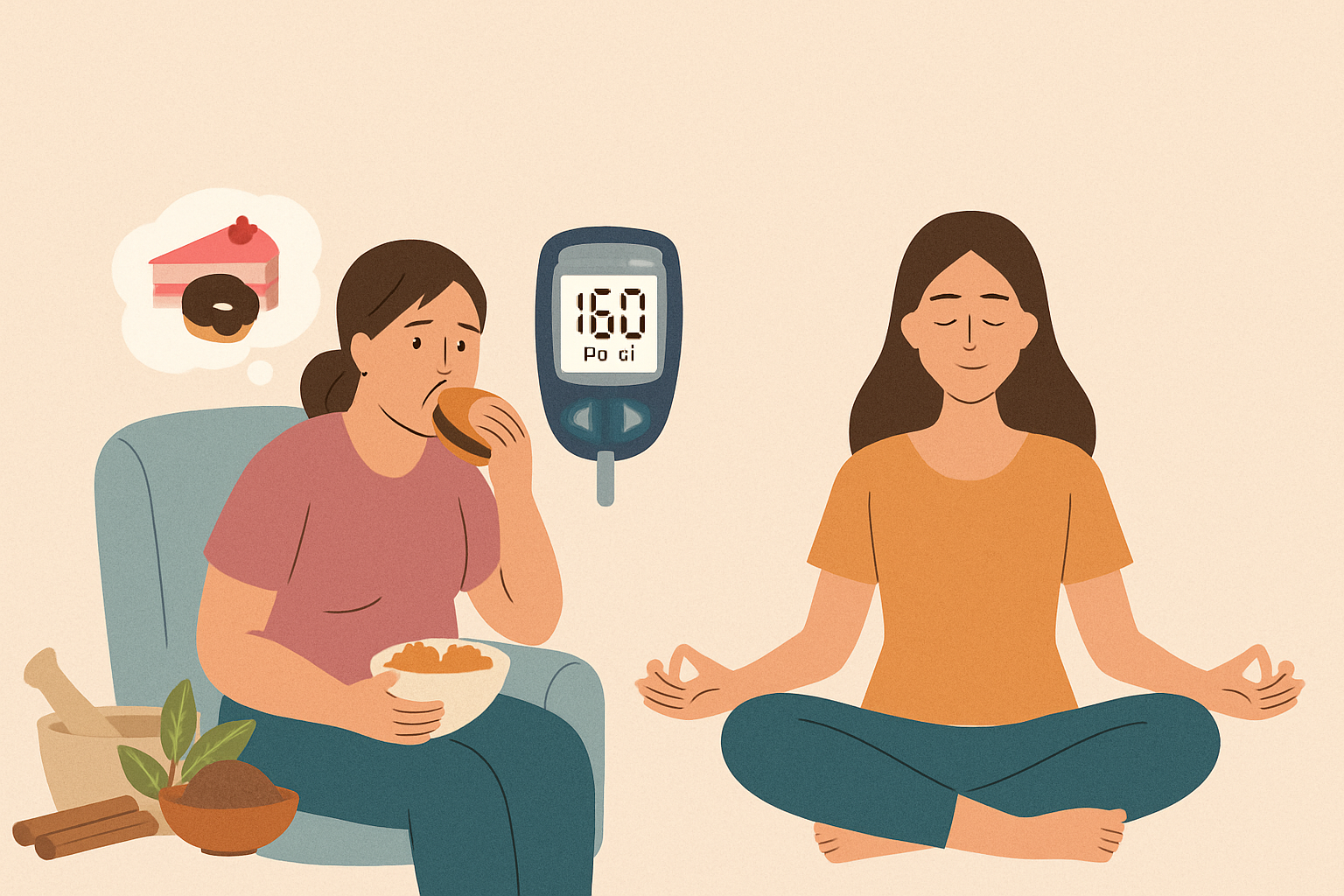
Diabetes is a disease that is the result of taking an unhealthy lifestyle. Over the last 15 years, the number of people suffering from diabetes in India has increased tenfold.
This upward spiral of type 2 diabetes is almost entirely responsible for the modern diet that is rich in refined rice, milled wheat, and processed foods that cause quick sugar surges in the blood. Though medication and dietary approaches are used in the management, most people are going back to nature for a remedy.
India’s ancient holistic health system, Ayurveda, which is the traditional healing system in India.
Certainly, it talks of wholesome grains and balanced meals as a way of keeping the body’s metabolism in harmony.
And among them millets have been a perfect choice for the control of the blood sugar level.
Rich in dietary fiber, minerals, and complex carbohydrates, they are slowly digested and therefore do not cause sudden peaks of glucose.
Let’s know the best millet for diabetes, their glycemic index levels, how Ayurveda understands their use in the control of Prameha (diabetes), and easy ways to add them to your daily meals.
Understanding Glycemic Index & Ayurveda’s View on Diabetes (Prameha)
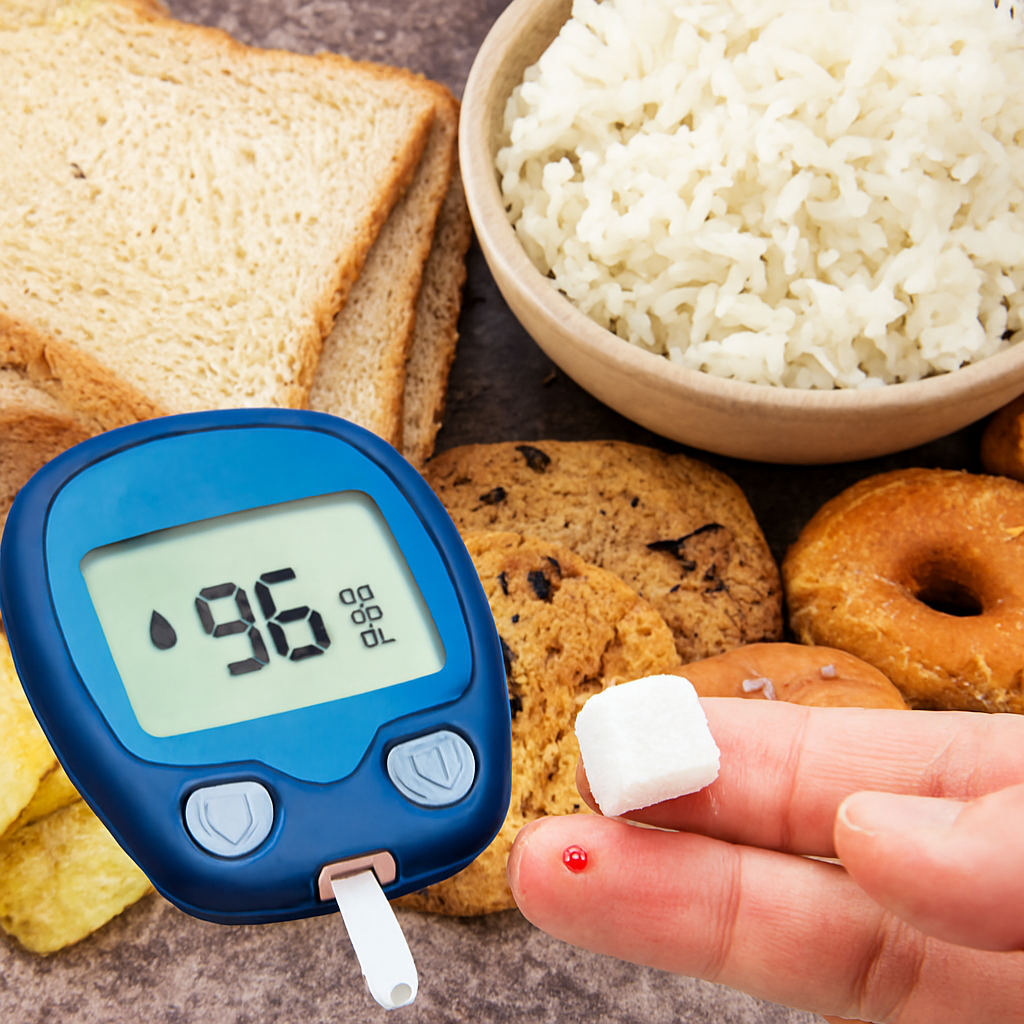
What Is Glycemic Index & How Ayurveda Understands Diabetes (Prameha)
Low GI millets India are traditional Indian grains that were once the primary diet of most households. Dietary fibre content of millet is gluten-free, high in, B vitamins, and packed with minerals like magnesium and iron. Unlike polished rice, which has a GI of about 70 to 80, millets are mostly in the low to moderate GI range, making them great for people with diabetes.
The abundant fiber in them slows down the release of glucose into the blood, keeps one from feeling hungry, and also leads to better insulin sensitivity.
However, a scientific study has shown that the regular incorporation of millets can bring down fasting blood glucose and lipid profiles to the better side.
This not only makes them substitutes for refined grains but also classifies them as functional foods that help in maintaining healthy metabolism in the long run.
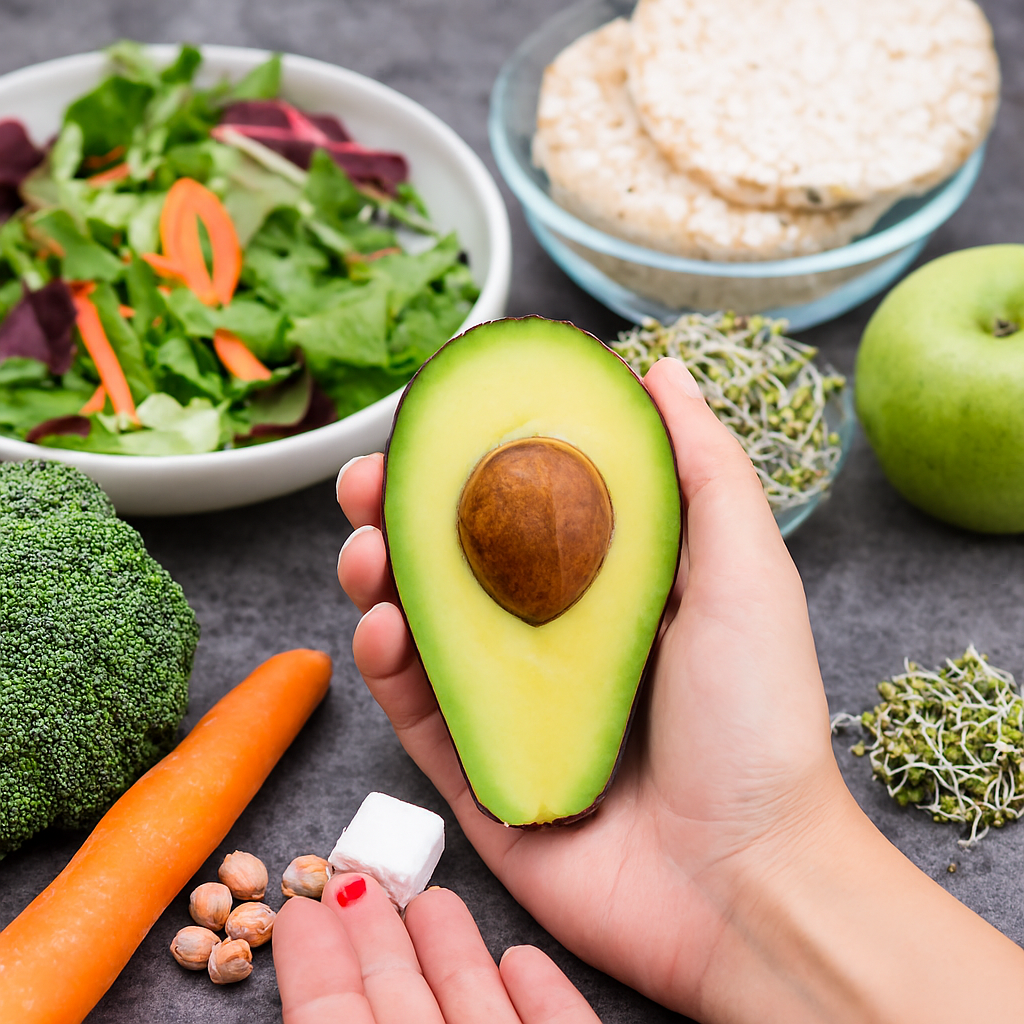
Deep Dive: GI Values & Ayurvedic Benefits of Specific Millets
Here we discuss the millet recipes for blood sugar control and GI values of foxtail, barnyard, little, kodo, ragi millet and their effectiveness.
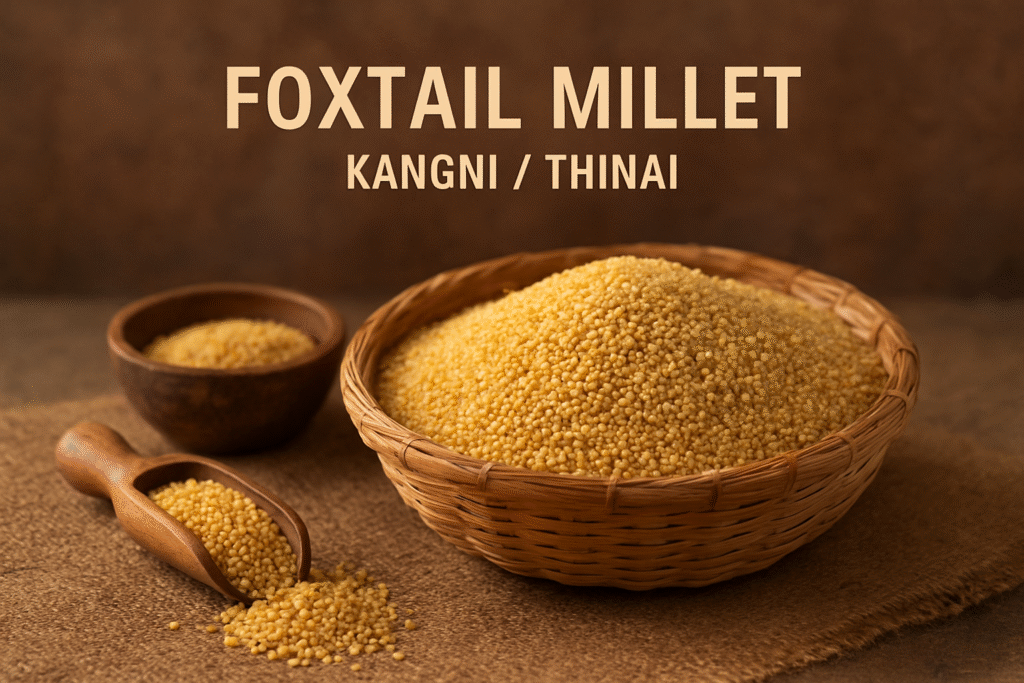
Foxtail Millet (Kangni / Thinai): Among the millets for diabetes control, foxtail millet glycemic index is about 50 to 60, which makes it a safe but moderate intake option for diabetics. The grain in Ayurveda is considered as light, easy to digest, and kapha dosha balancing. Additionally, it is very rich in iron, magnesium, and the whole complex of B vitamins, which are very helpful in energy metabolism and heart health. Its high content of dietary fiber facilitates the gradual glucose release and, thus, prolongs the feeling of satiety. Foxtail millet is also a good substitute for rice to prepare upma, vegetable khichdi, or to mix with the batter for dosas to have a nutritious breakfast.
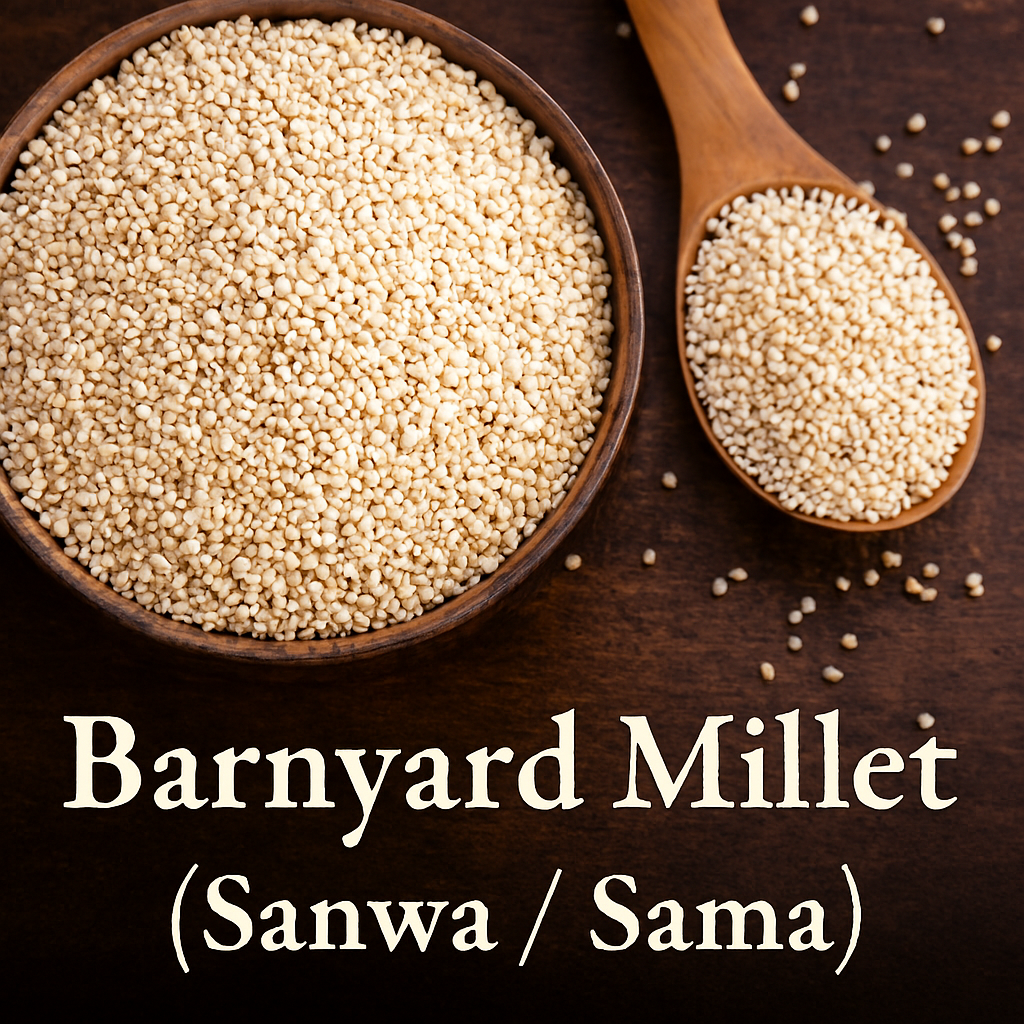
Barnyard Millet (Sanwa / Sama): The best millet for diabetes control, barnyard millet’s GI stands at around 40 to 45. For these reasons, it is recommended for fasting Ayurveda. Its lightness, quick cooking, and ability to hold hunger for a long time also attributes to barnyard millet benefits for sugar control. Nutritionally, it contains a lot of iron and phosphorus, which help the body to produce blood and keep energy at a stable level without causing glucose peaks. Basically, it can be cooked as a simple khichdi with vegetables or used as a rice replacement in daily meals. Moreover, the consumption of barnyard millet based fermented foods such as idli or dosa also contributes to digestibility and nutrient uptake.
The consumption of kodo millet can help the user to maintain cholesterol levels within normal limits and to keep the heart healthy.
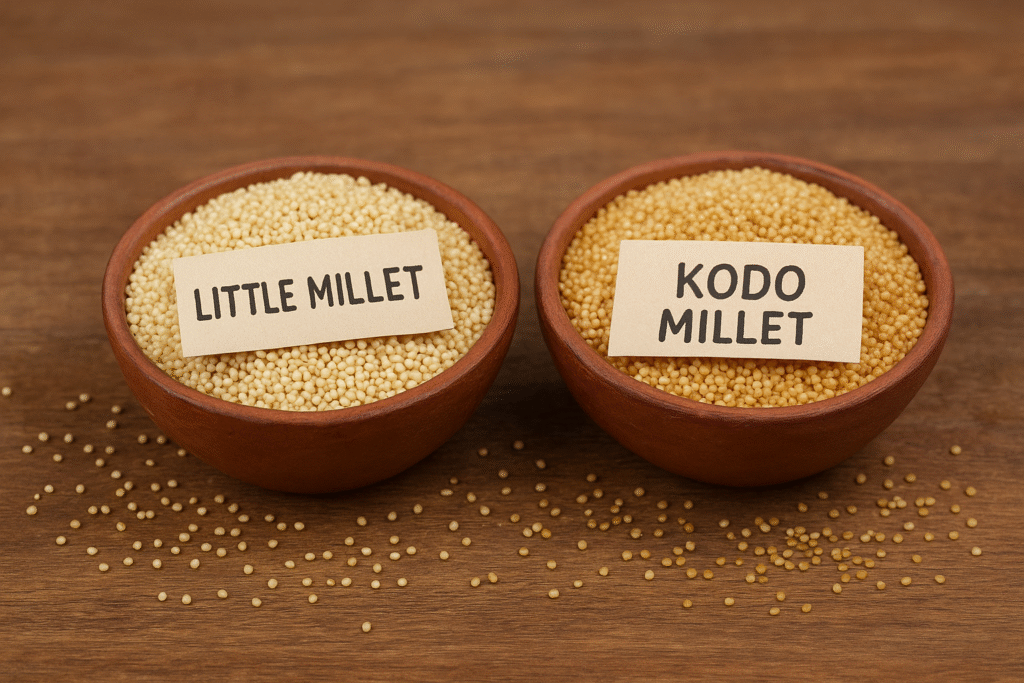
Little Millet (Kutki): Little millet, kodo millet diabetic friendly. comes under the GI range of 52 to 65 and if taken in balanced amounts is very healthy for the body. Research has also found it to improve insulin sensitivity and act as a source of slow digesting energy. Ayurveda recognizes it as a slightly hot one but attributes the power to neutralize Kapha disorders to it, particularly when coalesced with digestive spices. It releases phosphorus and B vitamins into the body, supports nerve functions, and keeps the person feeling full. Little millet may be used for preparing porridge for breakfast, cooking a light spicy pulao, or grinding into flour for making rotis that are more blood sugar friendly than wheat-based breads.
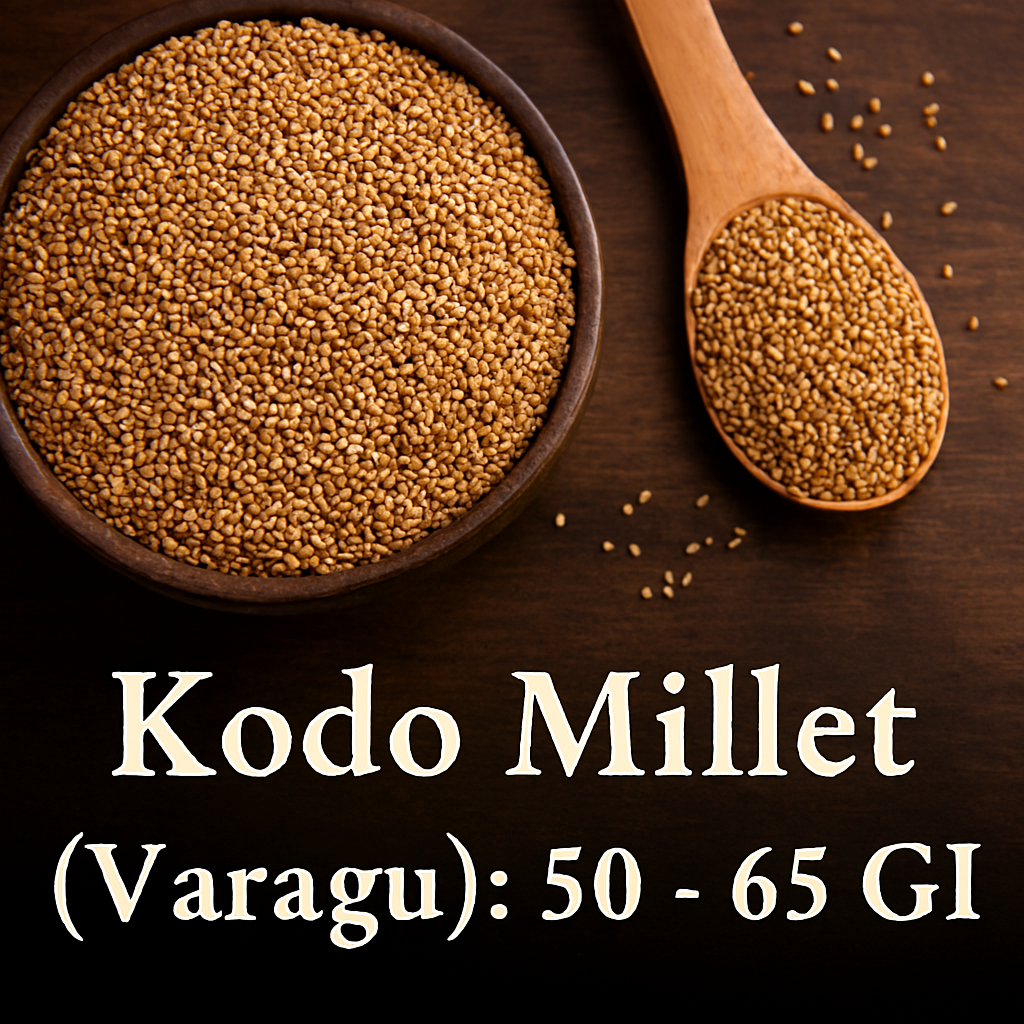
Kodo Millet (Varagu): The glycemic index of kodo millet ranges from 50 to 65 approximately. According to Ayurveda, it is a great remedy for the Kapha disorders, and it also helps the digestive system. The grain is packed with polyphenols and antioxidants, which not only prevent inflammation and oxidative stress, but also the latter two are the source of diabetic complications.
Kodo millets can be consumed as vegetable rich fiber pilaf, desi pongals, or even a simple evening upma.
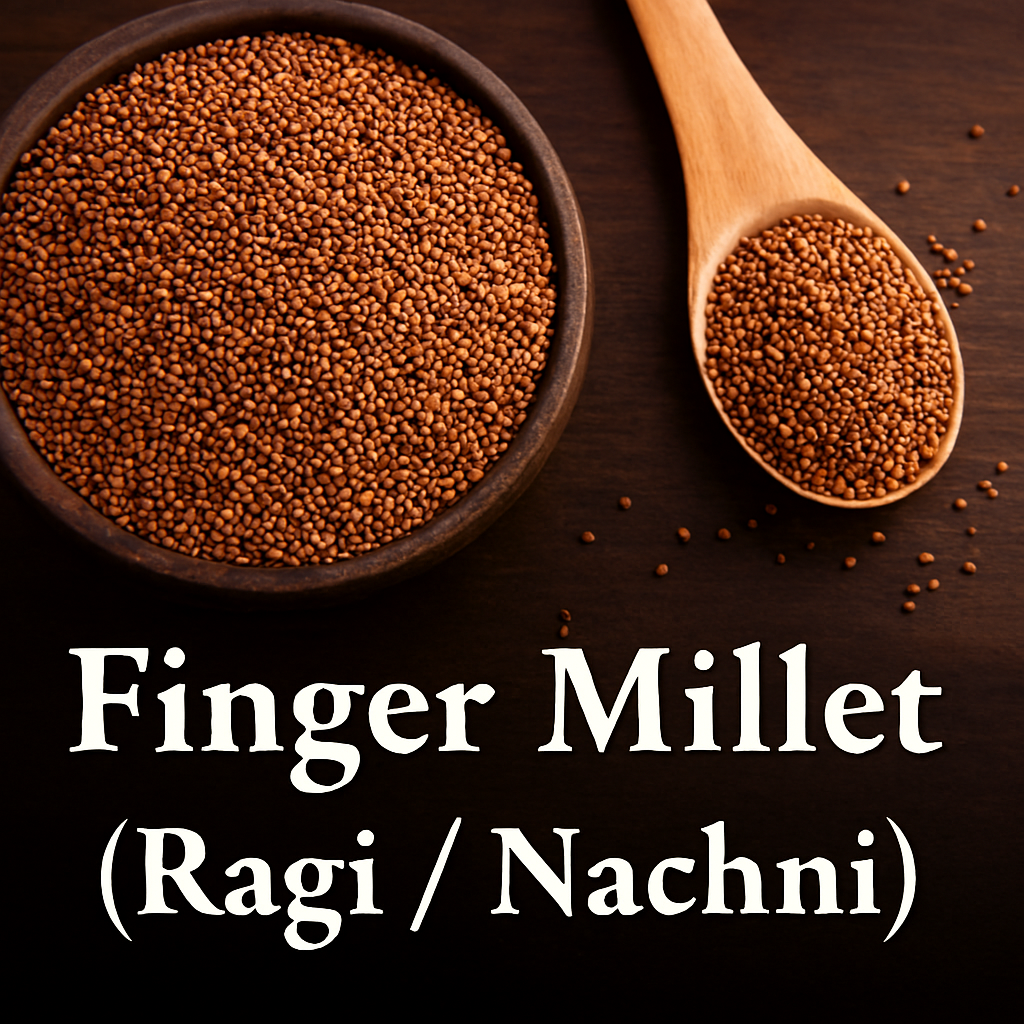
Finger Millet (Ragi / Nachni)Finger millet or ragi is extremely healthy but its glycemic index is a bit on the high side, namely from 70 to 80 approximately depending upon the method of preparation. Ragi (finger millet) in diabetes is not a better or friendly choice than other millets. In fact, ragi is still among the low GI foods due to longer digestion times and high fiber density. Still, it cannot be out of the table for a diabetic diet because of its high calcium content, its cooling action and softening properties for bones (musculoskeletal system) as per ayurveda. Its use is made by the doctors in the cases of joint pains, as well as for nutrient deficiency. It has a high content of essential amino acids, antioxidants, and polyphenols. The glycemic effect of ragi is very much dependent on its mode of preparation. The consumption of refined ragi flour and instant porridge can cause a spike in blood sugar levels. However, the old methods of preparing ragi such as ragi dosa, and ragi mudde bring about very slow release of glucose into the blood. Hence, the consumption of ragi should be limited and it is best to consume it along with other millets in the form of fermented varieties.
Ayurvedic Tips: How to Use Millets for Sugar Control
Ayurvedic Dietary Practices with Millets for Blood Sugar Regulation
Ayurveda not only looks at what is eaten, but also at how and in what quantity.
Millets are packed with nutrients but one needs to follow some practices to fully enjoy their benefits.
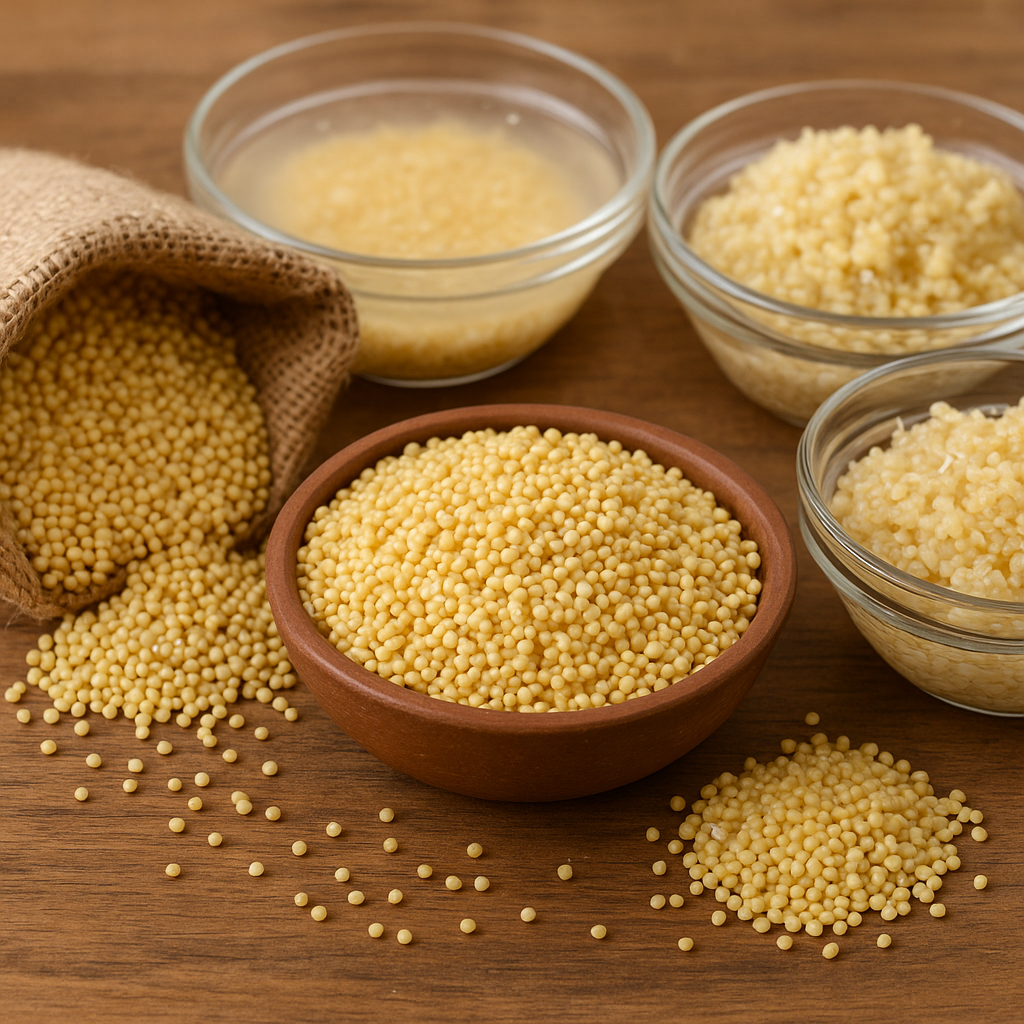
Before cooking, soaking, sprouting, or fermenting millets helps to lower their GI and makes them easier to digest.
Millet, in combination with protein-rich food such as lentils, paneer, or legumes and consumption with high-fiber vegetables will make the release of sugar into the blood from the digestive tract slower.
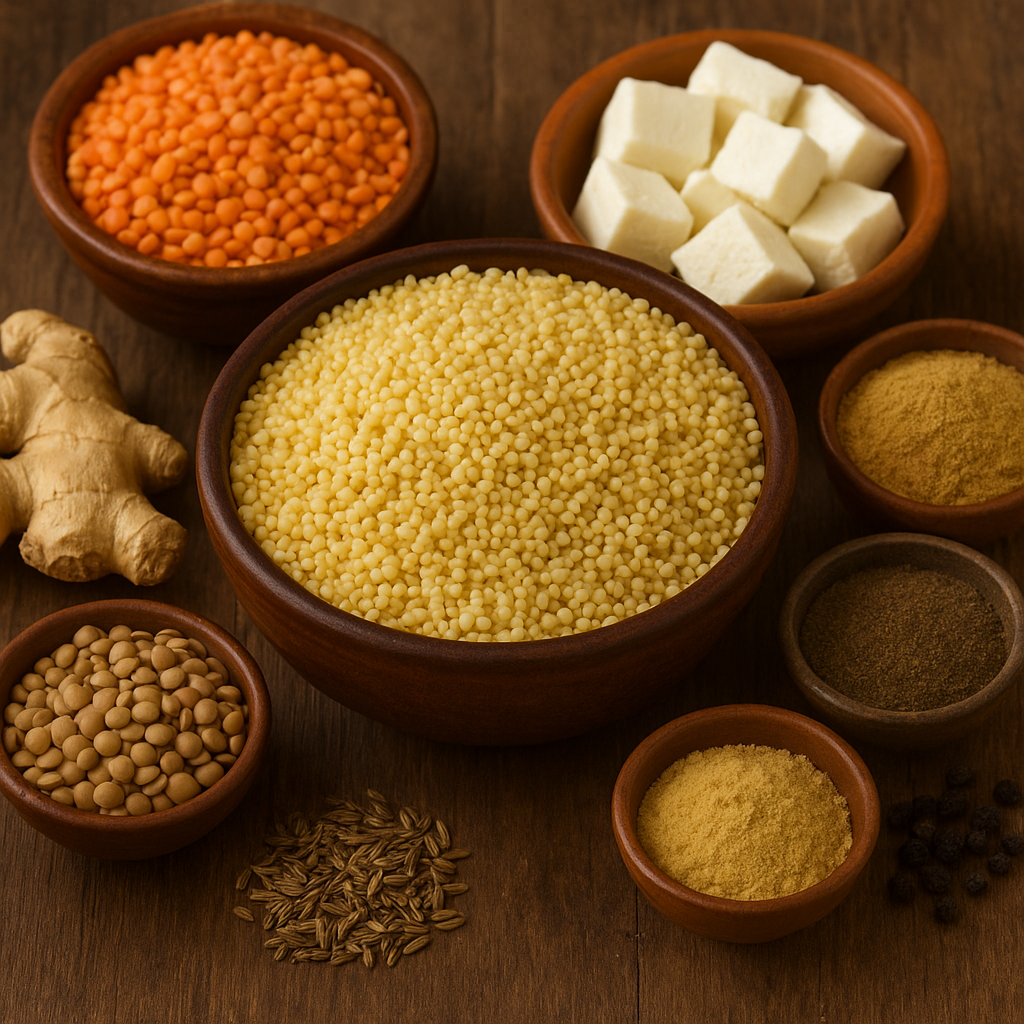
Using the digest spices like ginger, cumin, fenugreek, and black pepper not only makes the absorption of nutrients more efficient but also prevents the occurrence of bloating.
According to Ayurveda, a light dinner in the evening and eating in moderation are recommended.
Because even consuming large portions of low GI foods can result in an increase of blood sugar levels.
Sample Recipes & Meal Ideas
Millet Recipes & Meal Plans that Help Control Blood Sugar
One can incorporate millets into an Ayurvedic diet for sugar control in many delicious ways.
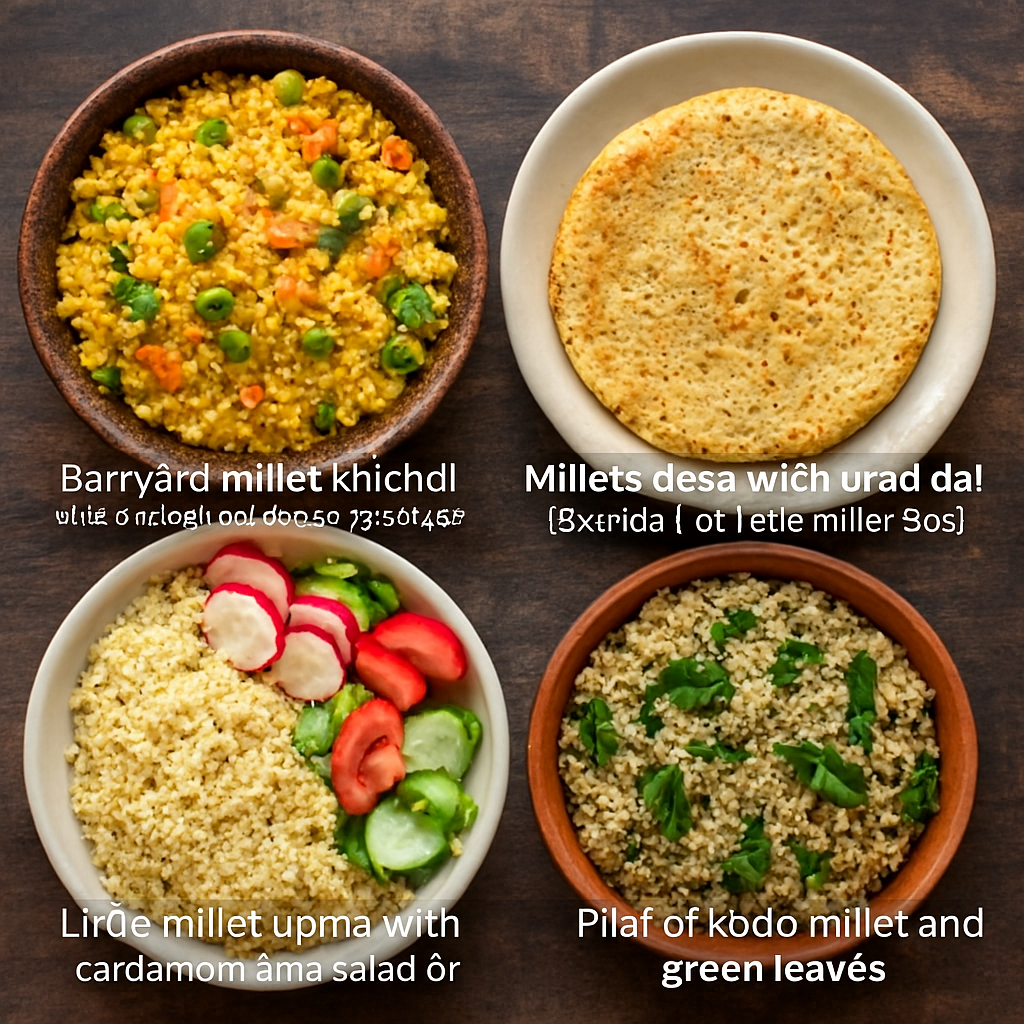
Barnyard or foxtail millet khichdi with veggies cooked with turmeric and ginger is not only wholesome but also a meal that reduces Kapha.
A fermented batter made of foxtail or little millet with urad dal is used to prepare millet dosa or pancake which is a digestive and gut friendly dish.
Little millet upma with cardamom makes the perfect light yet filling breakfast.
A lunch or dinner meal with a salad or pilaf of Kodo millet and green leaves can be both revitalizing and sugar level friendly.
Precautions, Dosha Considerations & When To Be Cautious
Precautions & Ayurvedic Dosha Guide for Millets in Diabetes
Ayurveda acknowledges the significance of millets of which dietary adjustments are necessary as per the constitution or Prakriti and the digestive power or Agni. Vata types should take properly cooked millets with a little clarified butter and some warming spices in order to avoid the dryness and flatulence. Spicy and hot millet foods are not recommended for Pitta natures but they may have cooling supplements like coriander or mint.
Individuals with the Kaphadosha constitution are the most advantaged by millet diets but they still have to be cautious with portion sizes. Patients on diabetes medication are also required to consult their doctors before taking large quantities of millets into their diet since millets have the property of significantly lowering blood glucose levels.
Summary
Millets are Indian traditional cereals that still provide the correct treatment for diabetes. Among them, barnyard millet and foxtail millet are the most helpful to control sugar because of their low GI and extensive use in Ayurveda. Little and Kodo millets are also very effective, while ragi should be consumed carefully and preferably in fermented or mixed forms.
Ayurveda tells us that the secrets to lifetime health are the practice of conscious eating, cooking carefully, and honoring one’s body constitution. By replacing some of your rice or wheat with millet meals, you can improve the supply of blood sugar, help the metabolic health to balance, and enjoy good food that is both healthy and in accordance with the tradition. Start with a simple millet khichdi or dosa today and see how these old grains can make a difference in your life.
FAQs
Which millets have the lowest glycemic index for diabetics?
Barnyard millet and foxtail millet have the lowest glycemic index and are the most appropriate foods to control blood sugar levels.
How to include millets in diabetic diet ayurveda?
Millets can be soaked, sprouted, or fermented for consumption. Also, one can mix them with vegetables, pulses, and digestive spices to prepare balanced meals.
What are the Ayurvedic home remedies using millets for type 2 diabetes?
Regular consumption of foods like millet khichdi, fermented millet dosa, and mildly spiced millet porridge with ginger or fenugreek are used as the most common prescribed medicines for routine disorders.