Protein deficiency is common in India, but solving it doesn’t need to drain your wallet. Here’s your Ayurvedic guide to budget-friendly protein sources.
Protein deficiency in India is a common topic, because of the very low understanding of people about their body requirements from foods. Cheap protein foods India, as we highly prefer to eat junk foods or craving for chocolates or frozen desserts. I also felt that budget protein sources in India are very limited which are also increasing the protein deficiency in India.
Especially among vegetarians, low-income households and mostly women of India are highly suffering from protein deficiency.
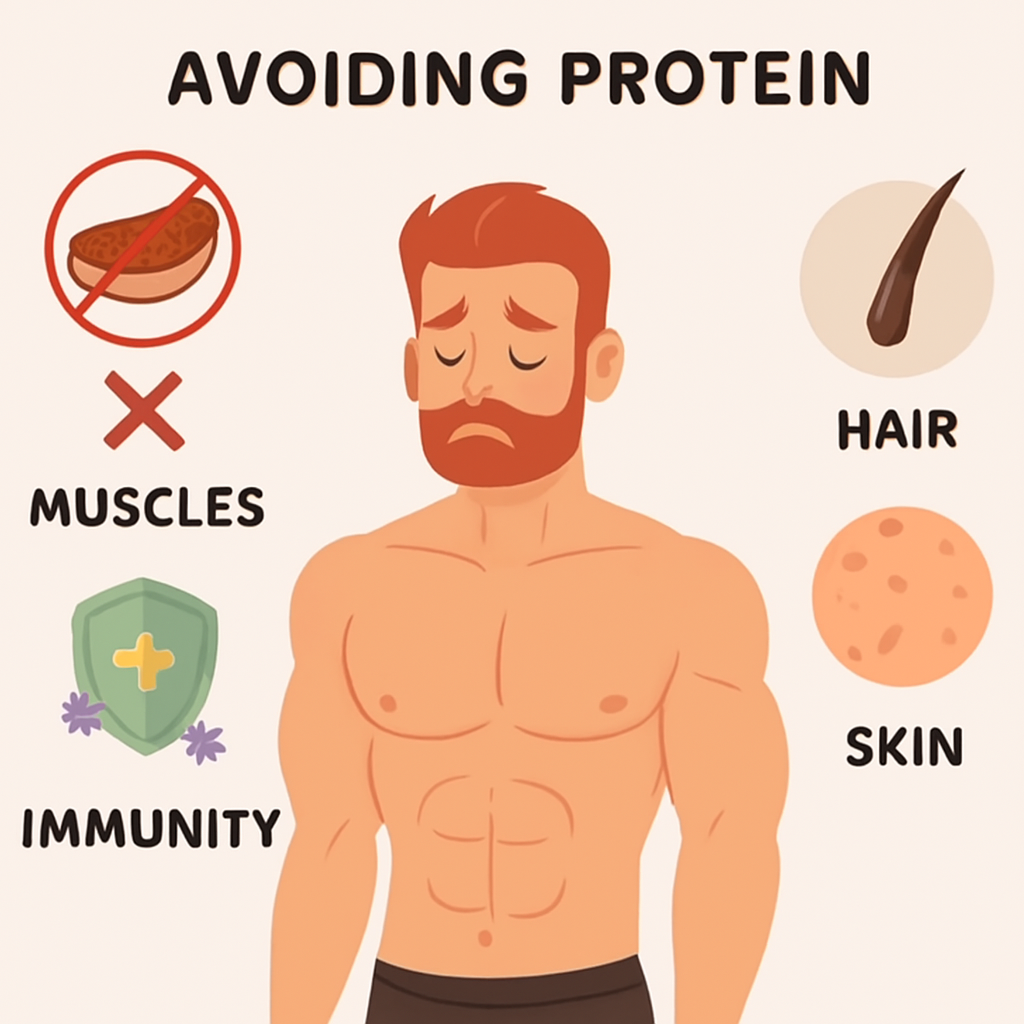
Often avoiding protein intake affects muscles, immunity, hair & skin, general energy and increasing poor health quality.
Mentioning all these essential elements, I will make you learn natural, Ayurvedic protein sources and protein rich pulses India.
The blog will let you know how at free cost you can have a most reliable diet format and regular eating habits.
That home remedies and stability procedures will make you support the thoughts you bring to achieve your health goals more valued.
What is Protein Deficiency & How to Recognize It
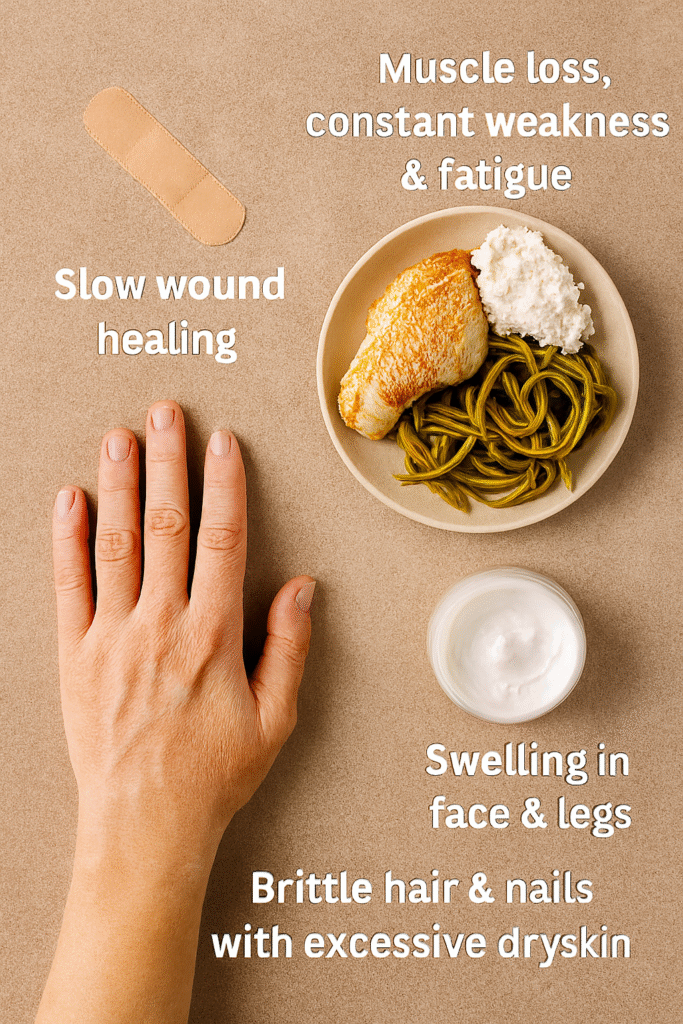
- Muscle loss, constant weakness and fatigue
- Slow wound healing
- Brittle hair and nails with excessive dry skin
- Swelling in face and legs
- Get Hair DIY mask here!
Protein deficiency signs up in your body when you are not providing enough protein in the body to repair tissues and bone muscles.
Now, I am guiding you with some basic symptoms to make you understand when you need to consult with a doctor.
If these signs persist in your body for more than 1 week then initially you need an immediate doctor consultation.
Then, focusing on an affordable protein rich diet for families, searching for protein deficiency home remedies are another essential for you.
Ayurvedic Perspective: Protein, Rasāyana & Natural Nutrients
In Ayurvedic perspectives, nutrients and protein are rooted with “ahara” (diet), “rasāyana” (rejuvenation). The perspective showcased ayurvedic protein sources not only nourishing your body and muscles. It also strengthens your immunity, digestion by repairing your tissues and mental balance.
- Pulses are seen as light, sattvic with balancing tissue cells when properly cooked, soaked with spices. It becomes the protein rich pulse of India as the way that many people reach easily.
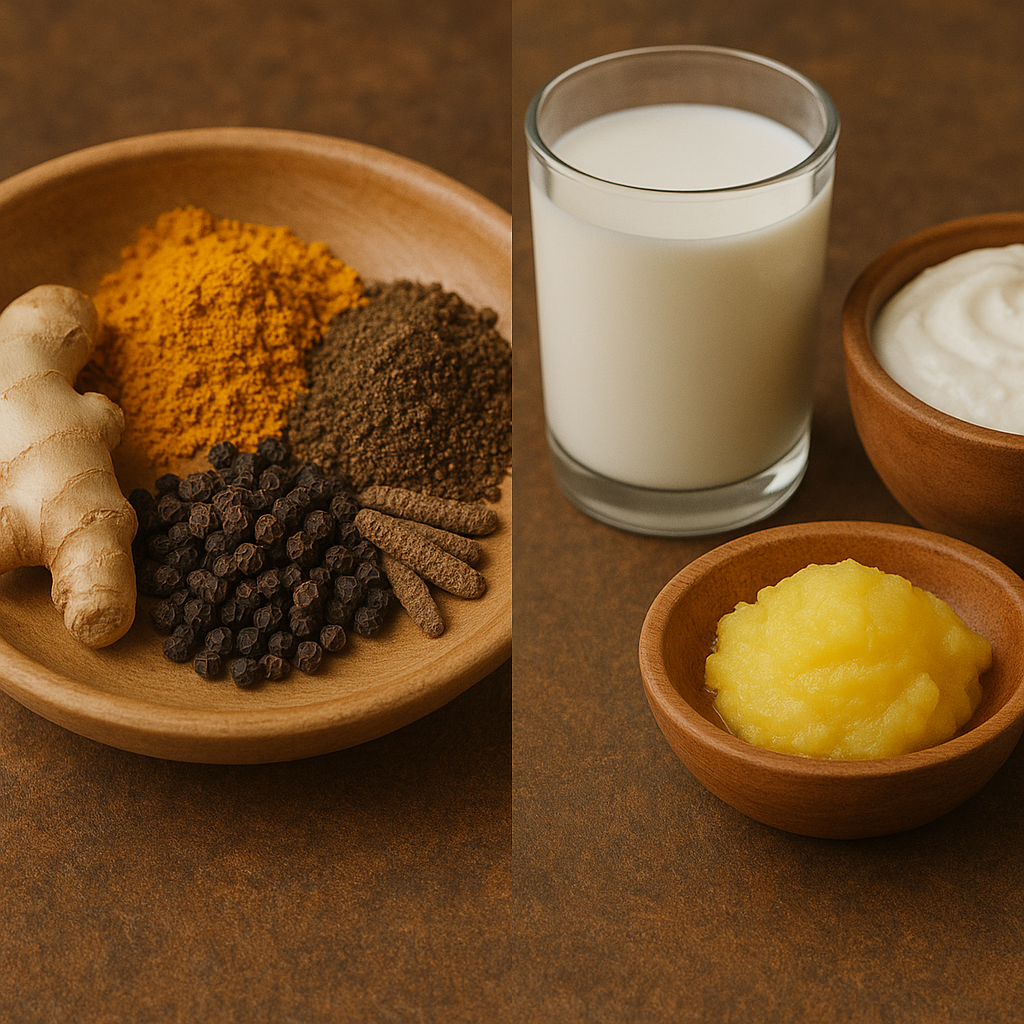
- Dairies like curd, milk, ghee are highly strengthened and vitalize your body with stability.
- Spices and herbs like ginger, pippali, black paper helps to absorb protein and digestion.
- Rasāyana herbs include Shatavari and Ashwagandha supports your bone muscles.
When you think about how to increase protein intake using pulses and millets, then Ayurveda says … .do not just eat what you understand.
But also, be more focused on what, when and how you eat to balance your digestion and mental stabilities actively.
Top Budget-Friendly Natural Protein Foods in India
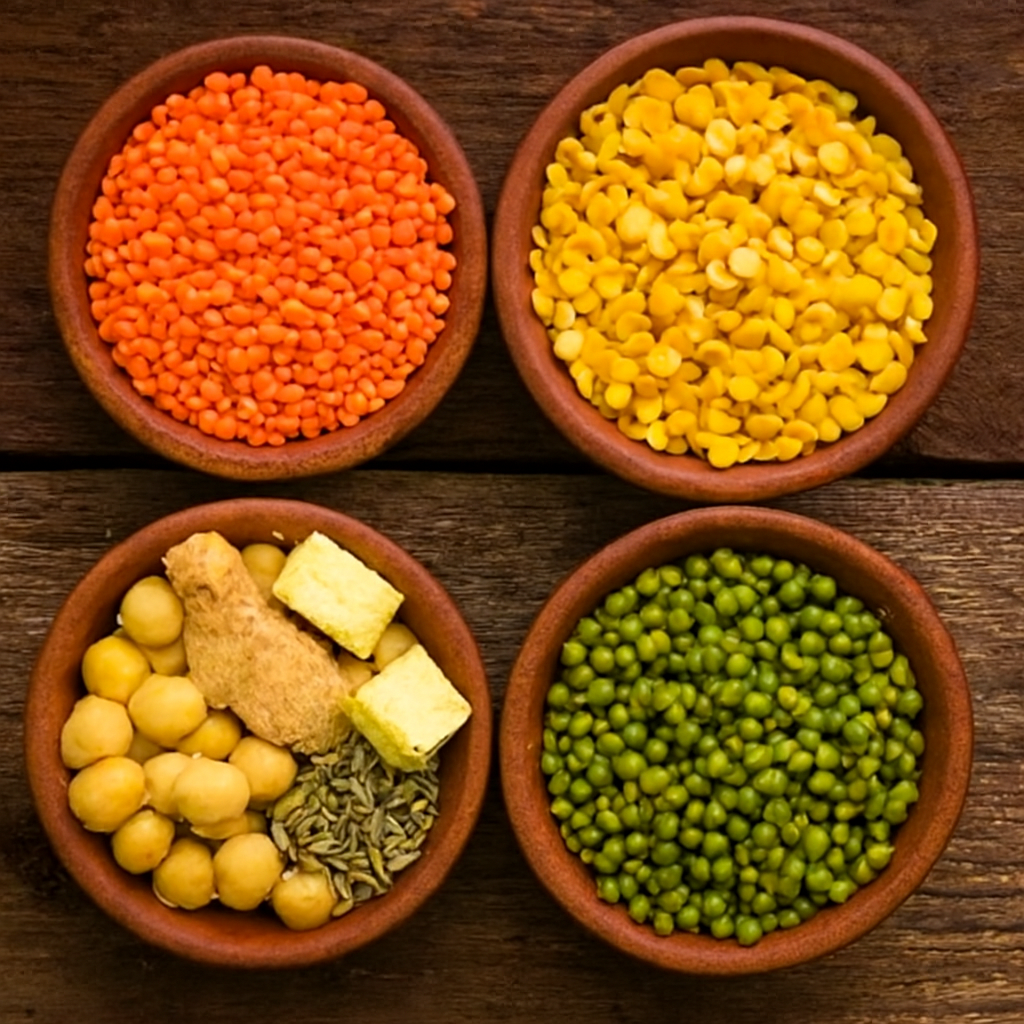
Pulses, Legumes & Dals: Moong dal, masoor dal, toor dal, chana (black/white) are natural home remedies to overcome protein deficiency. 7–9 g per 100 g cooked’ protein estimated. Widely available in anywhere by improving digestibility
Ayurveda says, moong is special and the other dals are ideal for all body types. Added ginger, hing or cumin also balance digestion protein rich foods for vegetarians India.
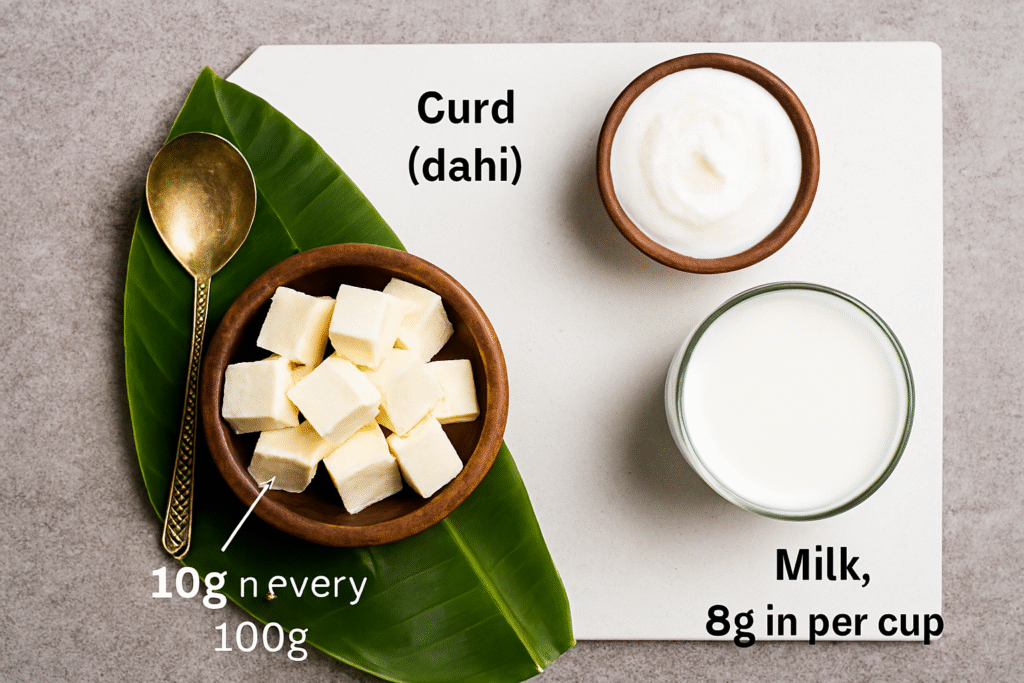
Dairy Products: Paneer, curd (dahi), milk.10g in every 100g of paneer and 8g in per cup of milk as protein.
Highly best budget friendly vegetarian protein foods in India if you cook at home. Ayurveda suggests taking warm milk at night but avoiding chilled curd.
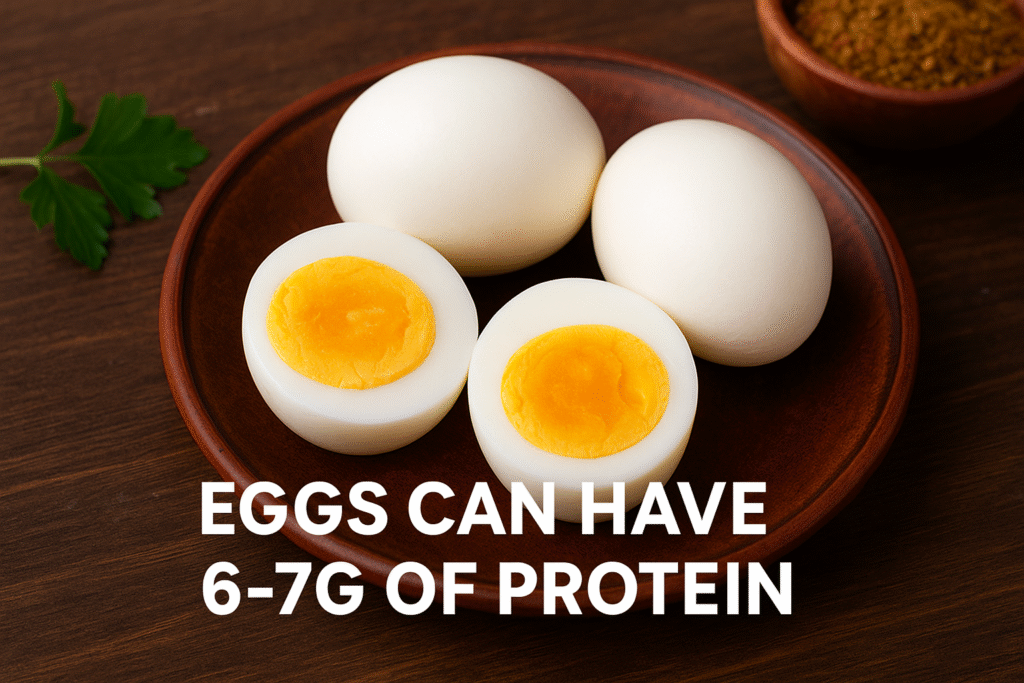
Eggs & Affordable Animal-Based Sources: Eggs specially in boiled form are the cheapest protein ever you find. From which you can have 6-7g of protein in 1 egg. Local fishes and chicken are another cost-effective source of protein which is also cheap protein snacks and high protein Indian legumes. Both of the items may be combined with roti or rice.
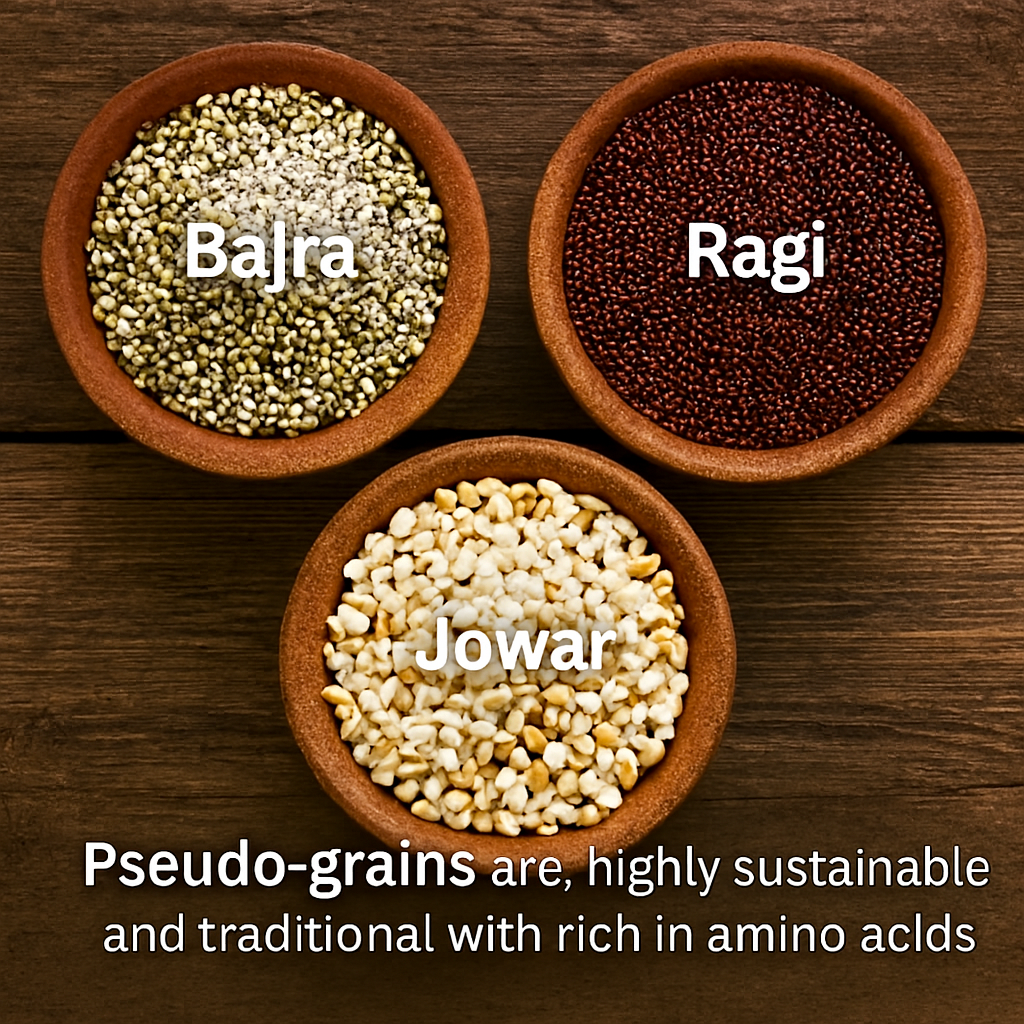
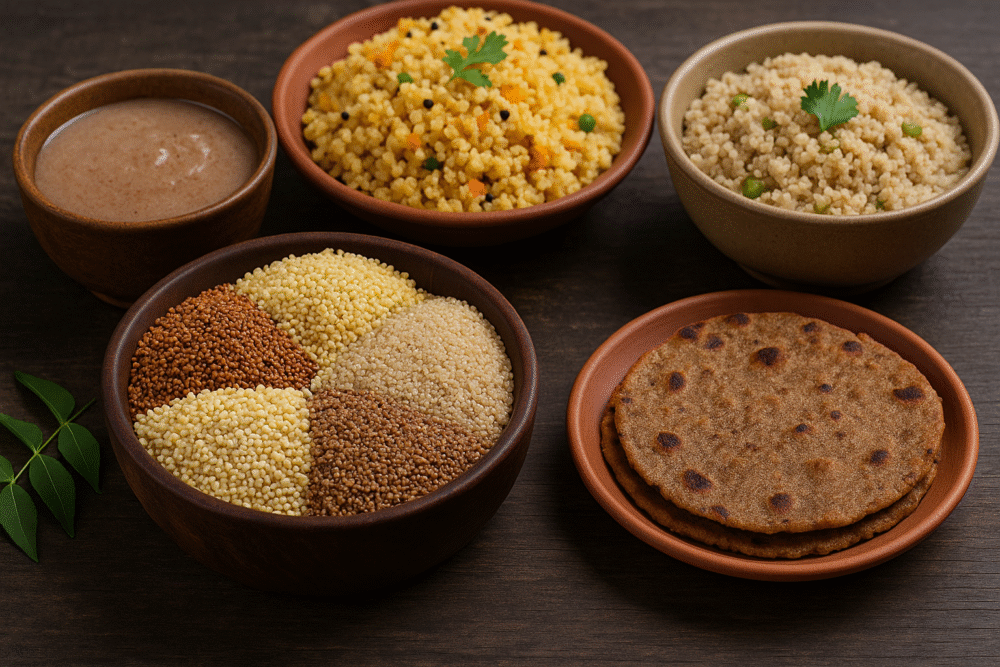
Millets, Grains & Pseudo-grains: Millets like bajra, ragi, jowar; pseudo-grains are highly sustainable and traditional with rich in amino acids. It is the natural home remedies to overcome protein deficiency with protein in dairy vs plant sources for India. 7-11g of protein it carries per 100g. Combine it with dal in rice or roti form will ensure a complete protein profile.
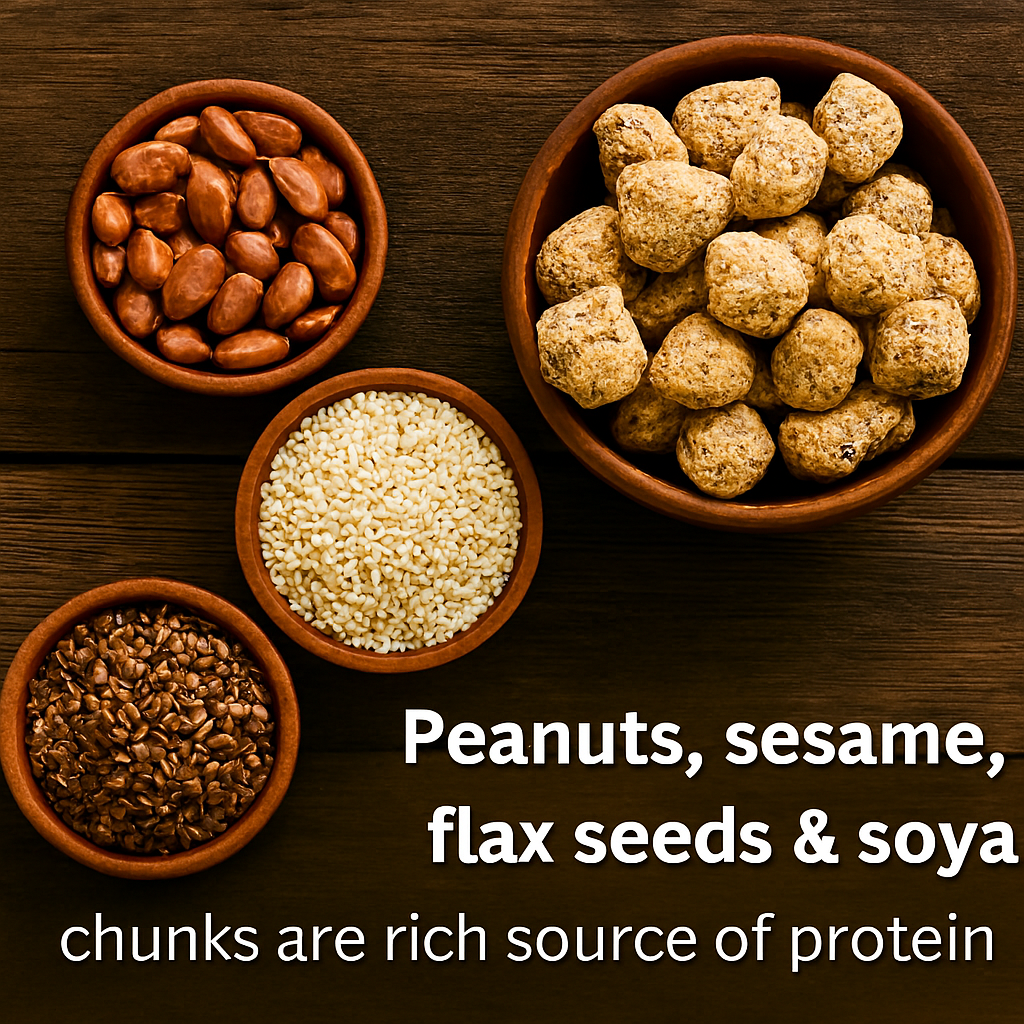
Nuts, Seeds & Soy Products: Peanuts, sesame, flax seeds; soya chunks / granules are the cheap protein snacks. Soya chunks and granules provide 52g protein in every 100g. Use roasted soya chunks in curries and peanuts in chutneys.

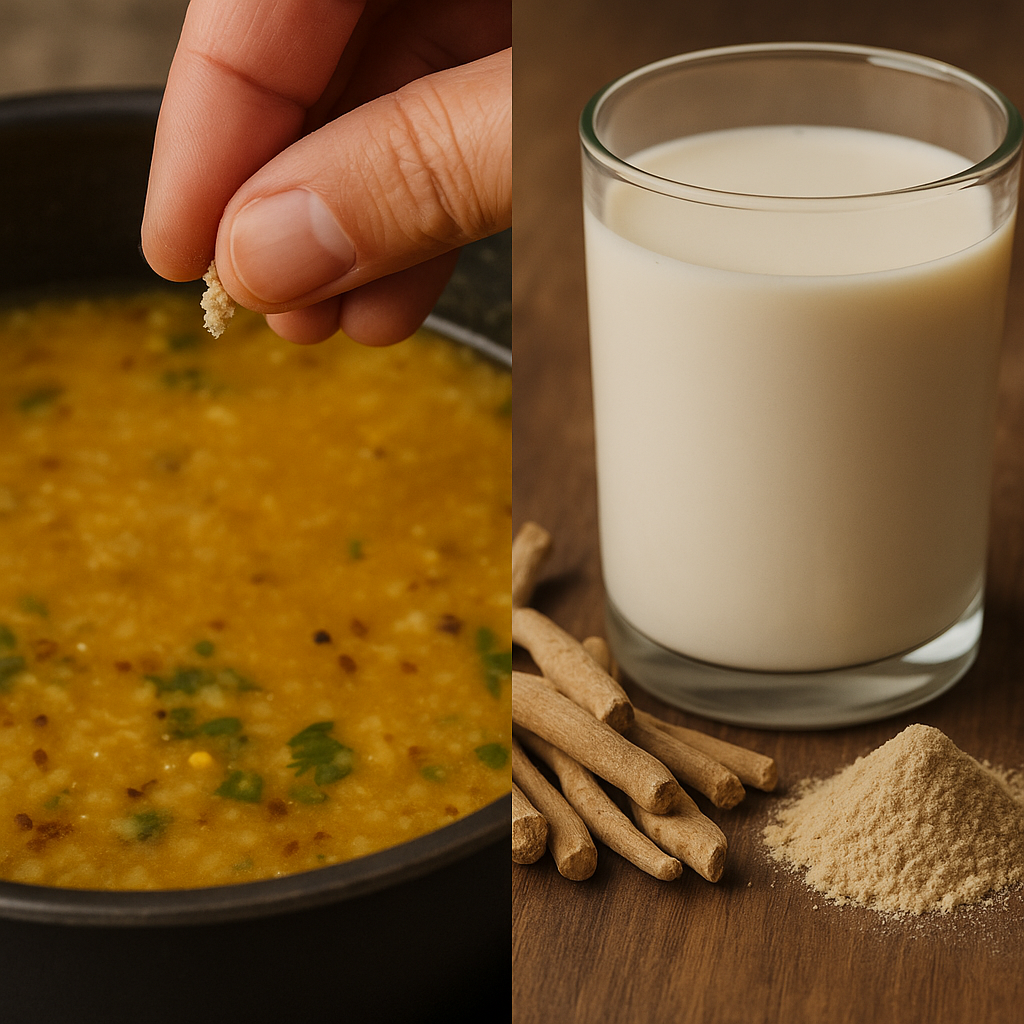
Herbs & Other Ayurvedic Ingredients for Protein Absorption:
Digestive aids: Like black pepper, ginger to improve assimilation as the protein-rich herbs.
Home remedies: Like adding a pinch of hing while making dal will reduce bloating as the nutritional value of pulses and dals.
Ashwagandha: That supports muscle repairing, strengthening when it is taken with warm milk.
Meal Planning Tips: How to Get Enough Protein on a Tight Budget
Now, you can see my affordable smart protein combinations as budget protein sources India. How to get protein naturally? Come and see the section below to know…..
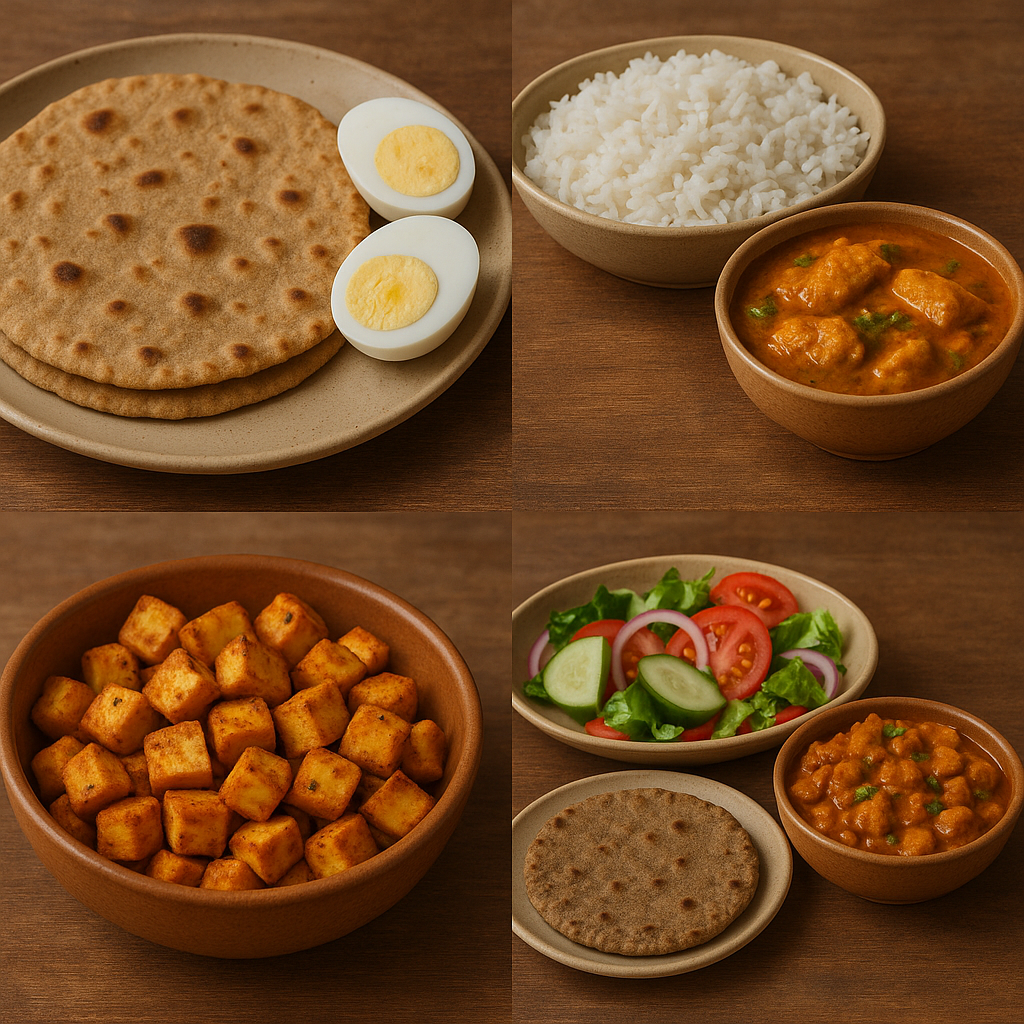
Simple diet plan for non-vegetarians
Dinner: Bajra roti, soya chunk curry with salad has 20g of protein
Breakfast: Roti with 2 boil eggs have 14g of protein
Lunch: Rice, dal with fish curry have 25f of protein
Snacks: Cubed paneer sauteed with spices have 10g of protein
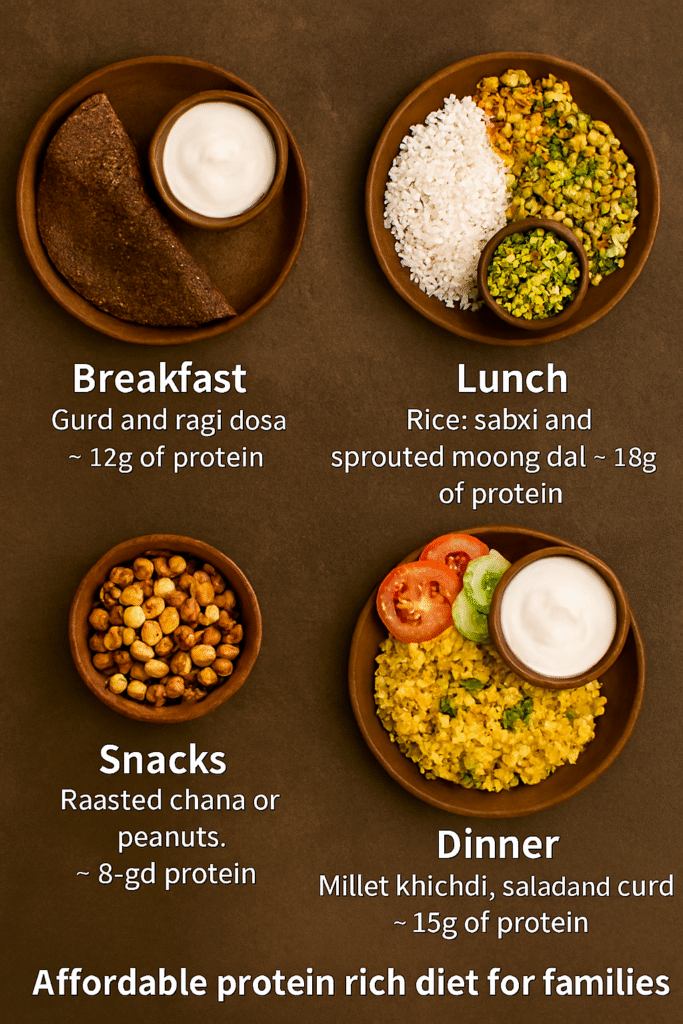
Simple diet plan for vegetarians
Dinner: Millet khichdi, salad and curd have 15g of protein as the affordable protein rich diet for families.
Breakfast: 12g of protein with curd and ragi dosha
Lunch: Rice, sabzi and sprouted moong dal with 18g of protein
Snacks: Roasted chana or peanuts have 8g of protein
This simple plan has high protein Indian legumes and plant-based protein India that will serve you the dreamed health and wellness as per your choice.
Home Remedies & Ayurvedic Practices to Support Protein Nutrition

Curd with honey: Strengthen your digestion and boosts your assimilation.
Warm milk by adding turmeric: Enhances the process of recovery and repairing your tissues.
Have herbal teas including ginger, fennel after meals to improve your metabolism
Abhyanga (oil massage) to avoid stress, develop good sleep by nourishing your tissues as natural home remedies to overcome protein deficiency.
Potential Side Effects & Cautions
- Overdoing protein is not needed; excessive protein may strain on kidneys in rare cases if you have kidney disease
- Allergic reactions from soya, nuts or dairy
- Seed and legumes are required to be cooked properly to prevent bloating in the face or legs.
FAQs
FAQ 1: Can vegetarians fulfill protein needs without supplements?
Yes, if they mix millets with dal, nuts, seeds with dairy products consumption would be supportive.
FAQ 2: Is protein powder necessary or useful?
Not always, especially if it is not prescribed by the doctor.
FAQ 3: How much protein do I need daily (for an average adult / for children / pregnant women)?
- Adults required ‘0.8–1 g/kg’ as per their body weight
- Pregnant women and children needs slight higher protein
FAQ 4: Can Ayurveda herbs replace protein foods?
No, never, herbs like Shatavari, Ashwagandha may support your strength and absorption level. But, it can not be the actual protein rich foods replacement, you can add and get a better result.
Summary
The Indian eco-system has an abundance of budget to arrange protein sources like, soya, dal, eggs, nuts. All the affordable and nutrient rich combination with Ayurvedic cooking herbs would also provide you a sustainable support for your wellness by cutting your budget off from the extra expenses.
So, I need to suggest some small starts for you to just add one extra protein in your meal every day. Notice the difference in your energy level and health stabilities. Your kitchen is the powerhouse of protein and nutrients, so use it all in the right way and be mindful when you eat will support you to manage your health more wisely.