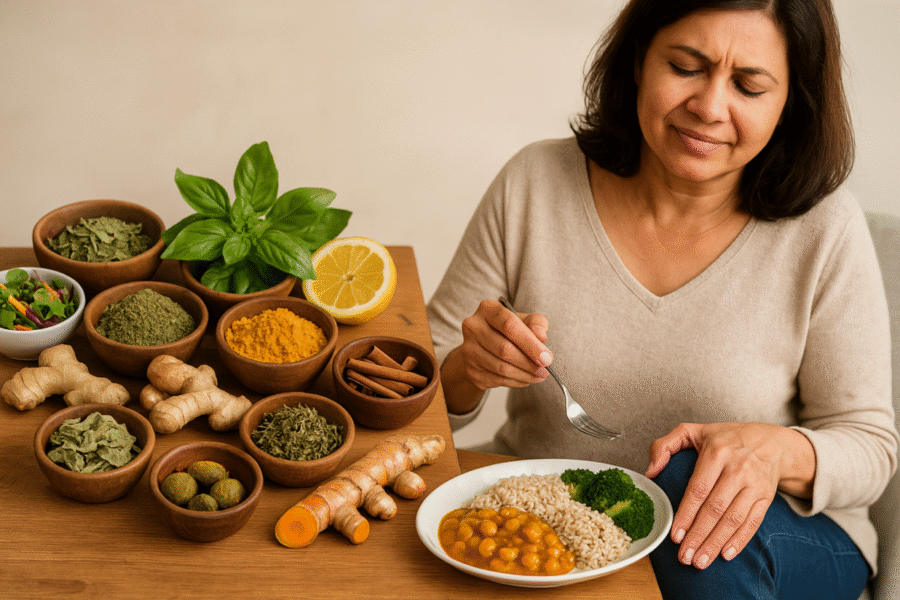
Long before Kombucha and Kefir became global wellness icons, India was quietly fermenting its way to good health with Idlis, Kanji, Dhoklas, and more.
Fermented Foods & Gut Health
As health awareness grows the world is becoming more and more conscious of gut health and the use of probiotics. In recent days the supermarket sections can be seen filled with fermented food products and expensive probiotic supplements.
However, since ancient times in India the food habits developed in such a manner that fulfilled the periodic needs of the body. In digestion, fermented Indian foods gut health benefits are simply unbeatable.
Indian cuisine has relied upon fermentation for centuries and it has been able to sustain an increase in the digestive system as well as overall bodily well-being. Indian fermented staples vary dramatically throughout the nation’s different regions.
From soft Idli, crispy Dosa to tangy kanji or the spongey Dhokla or even cool Pakhala, India has much to offer with a huge range of fermented food not only healthy but tasty to consume as well.
Indian foods have a cultural touch and heritage rather than lifeless probiotic drinks.
Let’s explore the world of Indian fermented food and the health gains of Indian fermented food.
The Science of Fermentation & Gut Health
In order to understand why fermentation is essential and how gut health is benefited by it, one must learn the science behind the process of fermentation. The process of fermentation is an ancient food preservation method that helped keep food for a long period through some complex processes.
However, modern science has found out how it can be good for the human body and health. The magic of food fermentation is hidden in the natural microbes that help in the ownership of fermentation.
The microbes also help in breaking down the sugars and starches in food to produce organic acids, probiotics, and enzymes.
Probiotic Indian foods have been around for centuries as well as curd too has been a part of Indian food.
Foods such as Idli, Kanji, and Dhokla represent the implicit connection between gut wellness of fermented Indian foods and the diverse Indian cultures.
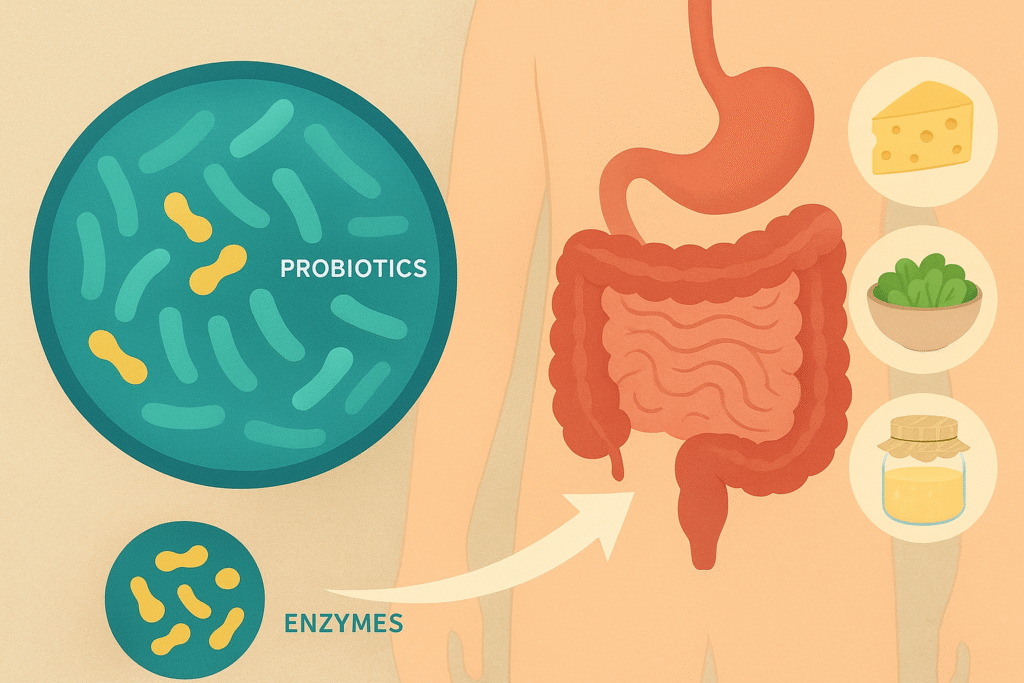
The food is also representative of the effectiveness of fermented food in improved gut wellness and the awareness of the worth of such food within Indian culture since even Ayurveda bears witness to the worth of consuming fermented food when utilized appropriately. The dietary benefit of fermented foods of India is improved digestion, boosted immunity, and improved nutrient assimilation.
Region-Wise Fermented Indian Staples
Indian fermented foods for digestion are also staples that are weighed with unique flavor and natural probiotics that promote gut health. Different regions focus on different aspects of the food making them vastly different in every region. There is tremendous variety of fermented foods in this nation that is so culture-driven as well as the diverse geography.
South India – Idli, Dosa, Appam
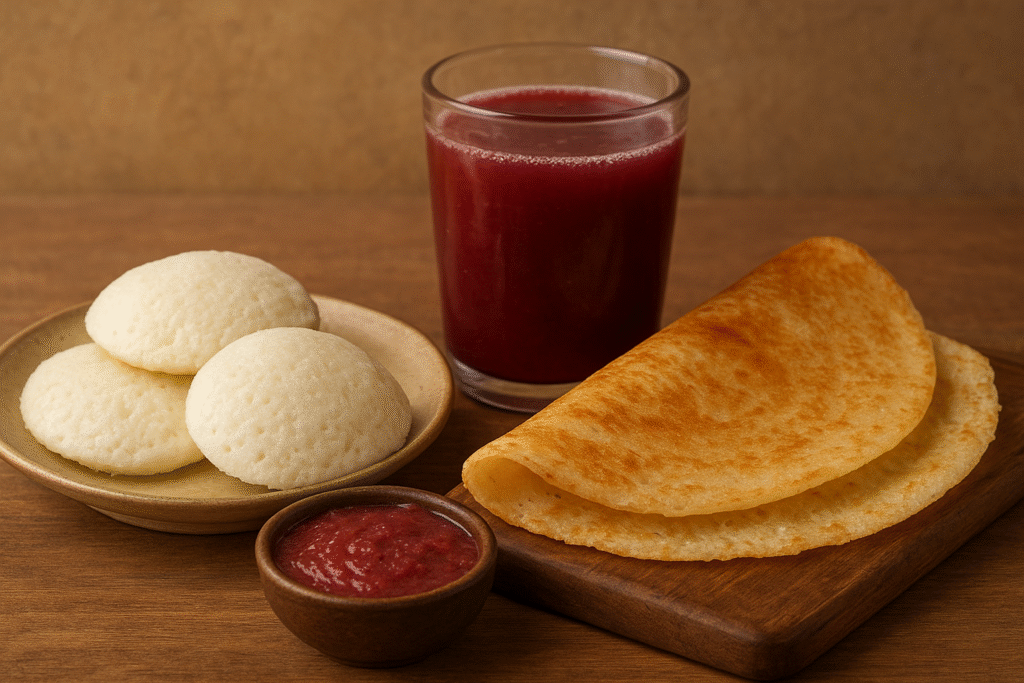
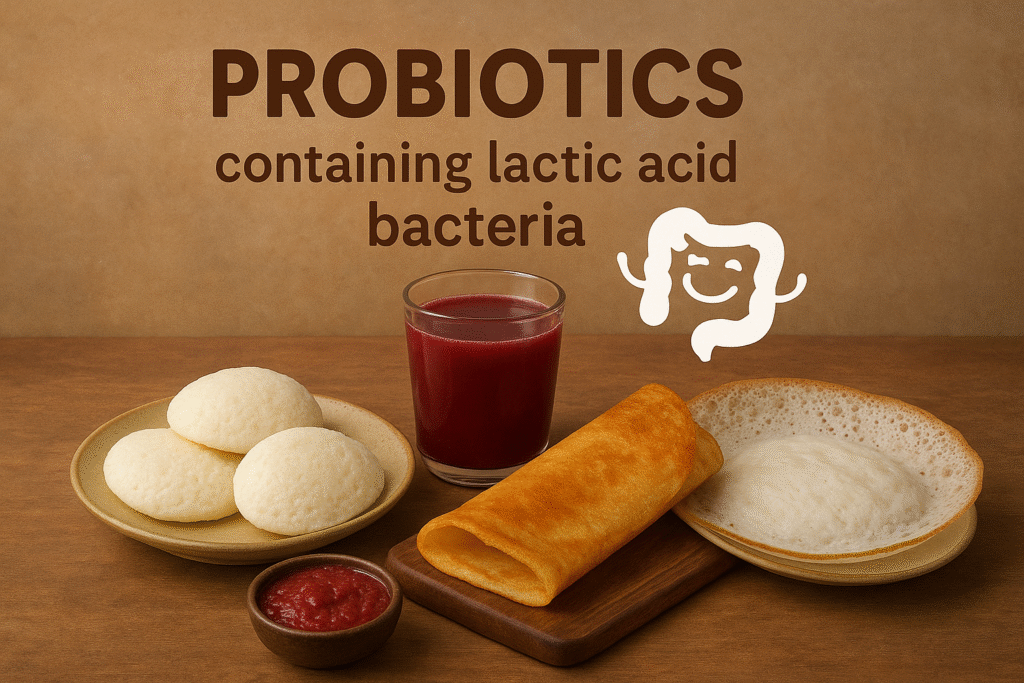
Idli and Dosa, for example, are made from fermented rice and urad dal batter and are themselves well-liked throughout India for their taste as well as the unique texture. Fermentation enhances bioavailability of important nutrients like iron and B vitamins and is supplemented by natural probiotics containing lactic acid bacteria.
Other than that, these foods are developed with minimum to no use of oil making them healthy and stomach friendly. It is also why Idli is good for your gut as it minimizes the use of ingredients that can affect gut health while maintaining nutrient balance effectively. Dos on the other hand is also among one of the most popular probiotic Indian foods but can come with the surprise of Indian spices while also retaining the probiotic benefits.
North India – Kanji
North India has a tradition of drinking certain probiotic drinks to celebrate many festivals such as Holi, popularly known to be Kanji.
It is made from black carrots or beetroots fermented with mustard seeds making it tangy and refreshing.
While it is also very good for improved immunity and gut health and the most popular traditional probiotic drinks.
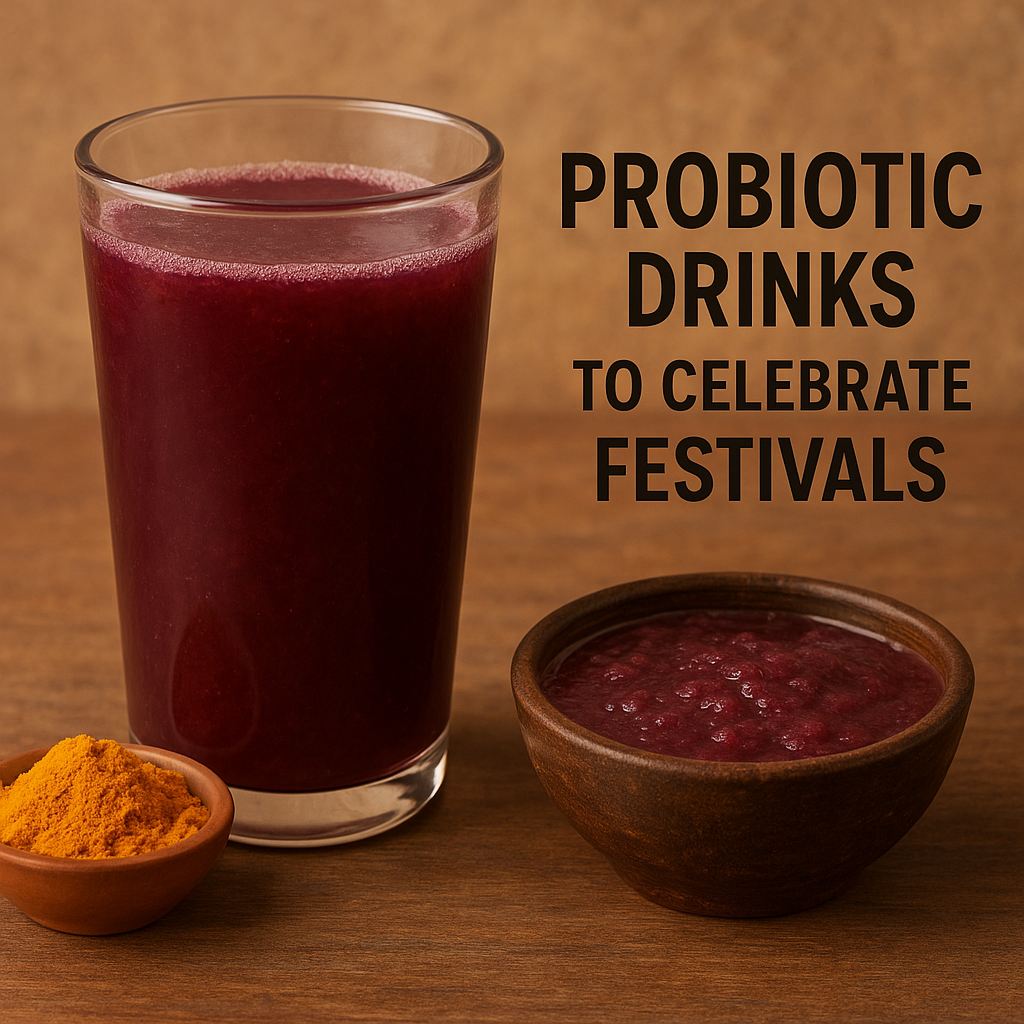
The benefits of kanji drink for gut health have gained attention from nutritionists, wellness influencers and even celebrities. It has also become a popular alternative for kombucha in India. It is certainly one of the most popular probiotic Indian foods and it seamlessly fits into modern wellness routines. Ayurveda has focused on fermented Indian foods gut health as a cornerstone of balanced living for the longest period even before such food became popular or trendy.
West India – Dhokla
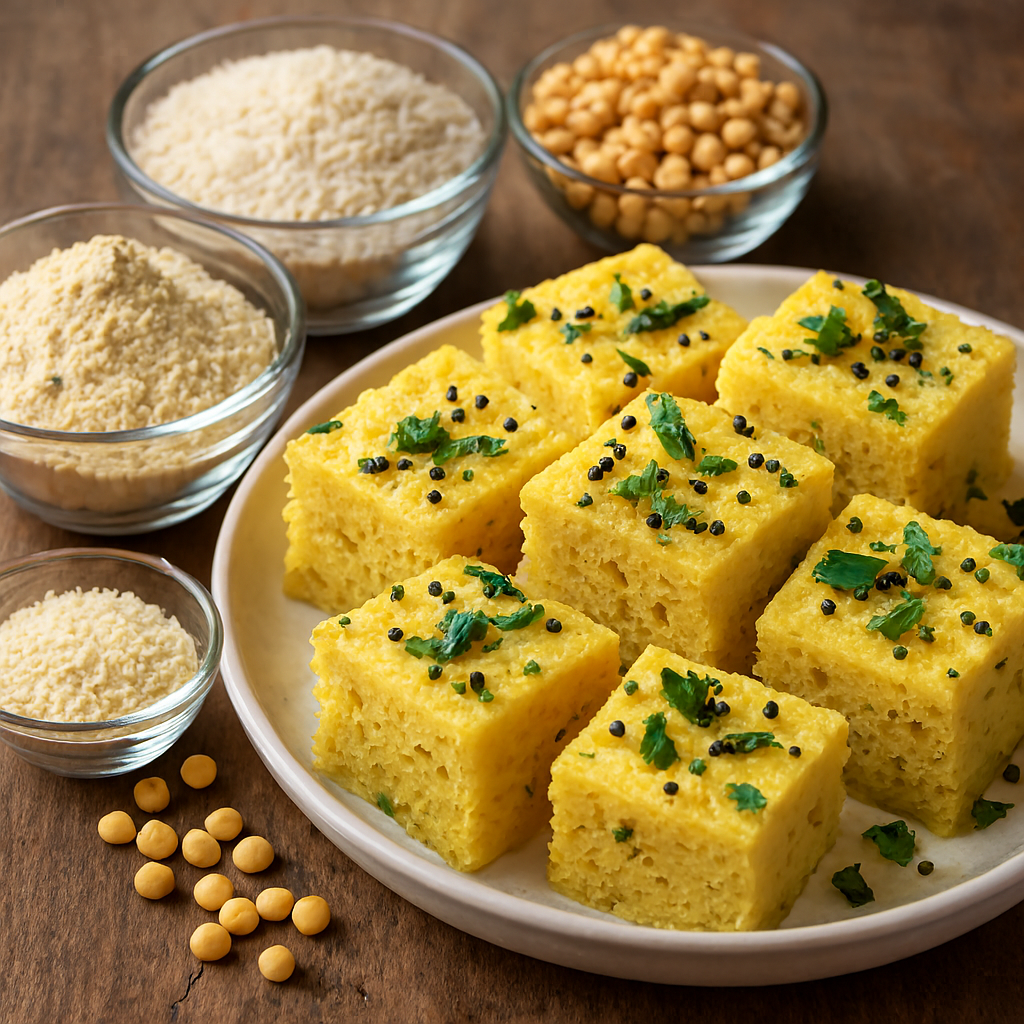
One of the most popular fermented snacks India, Dhokla is made from fermented chickpea flour and rice.
The fermentation enriches the batter with probiotics and enhances nutrient absorption.
In order to boost gut health probiotics are needed and dhokla is able to provide a significant level of probiotics to the body.
It can help maintain nutrient balance as well.
It is also one of the most fluffy, light, and digestion-friendly fermented rice dishes. Among the fermented rice Indian probiotics, dhokla certainly ranks high due to its taste and texture. It is widely enjoyed across households and restaurants alike. Its low glycemic index and probiotic properties makes it one of the Indian gut-healthy foods popular even among the younger generations as well.
East & Northeast India – Pakhala, Gundruk, Bamboo Shoots, Khorisa
In Bengal and Odisha, rice fermentation cultures enjoy a place in foods such as Pakhala or Panta-Bhat, where rice that has been cooked is kept wet overnight to ferment.
Gundruk fermented greens, made from leafy vegetables, is a Himalayan staple in Nepal and Northeast India.
Certainly, it delivering probiotics along with fibers, iron, and vitamins.
Equally, fermented bamboo shoots and khorisa (Assamese) have a strong smell.
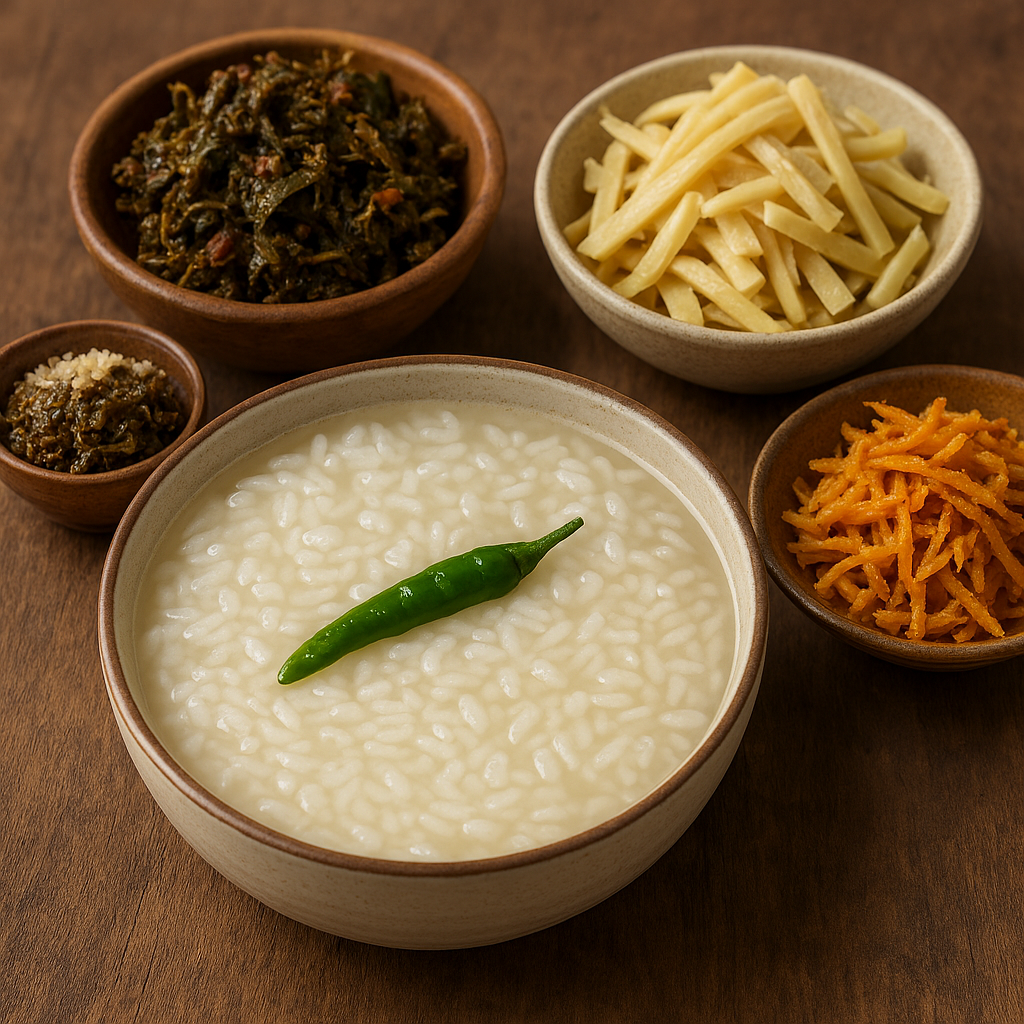
It is an uncomplicated meal, cooling, hydrating, and a fermented probiotic rice Indian food, perfect for tropical summers.
However, are rich in nutrients, contributing gut-friendly bacteria and distinct regional flavor.
Combined, these foods represent the diversity of traditional probiotic foods India has developed over centuries.
Other Ferments – Dahi, Pickles, Ngari
No review of Indian probiotics is complete without Dahi (curd), the most popular fermented food in the country.
Digestively easy to consume and cooling, Dahi is a home probiotic taken daily in forms such as buttermilk, lassi, or simply with meals.
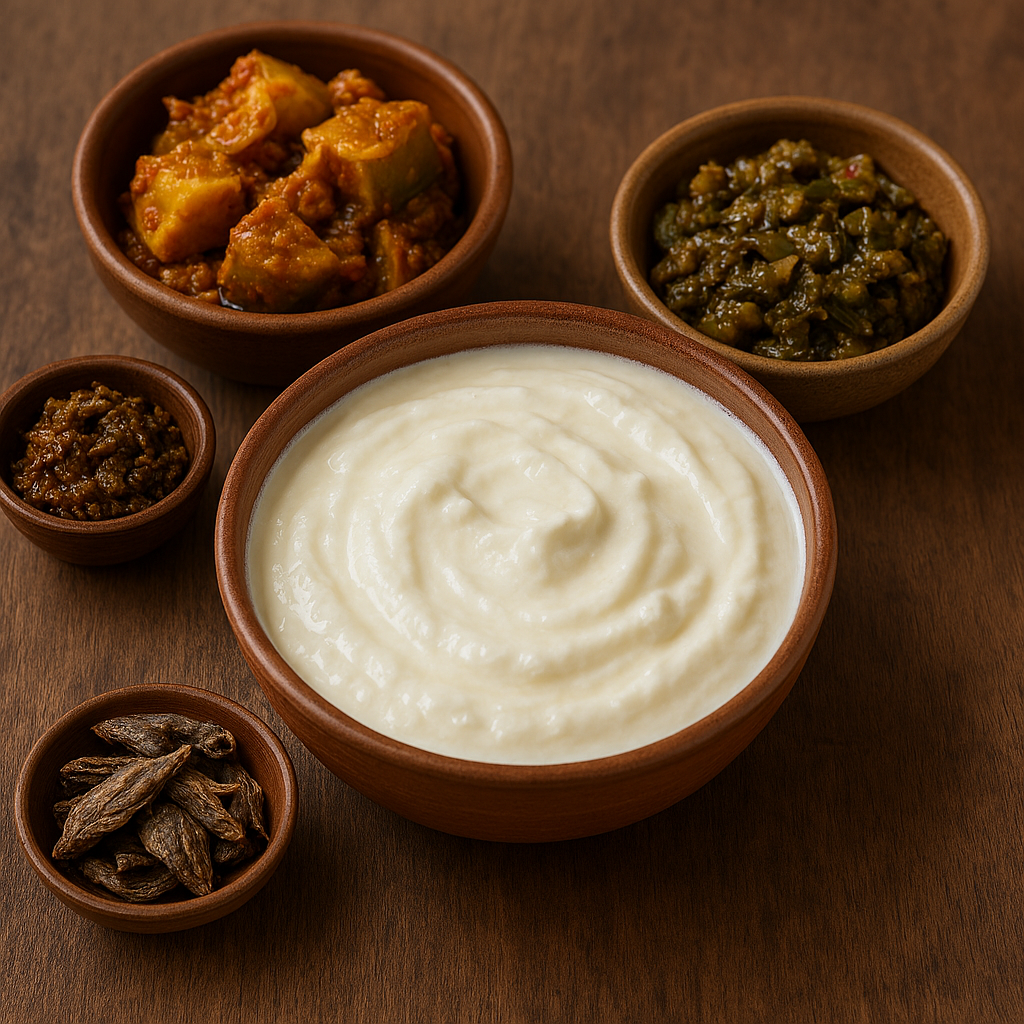
Old-fashioned achaar (pickles), naturally fermented in mustard oil, salt, and spices, also perform as strong Indian probiotic condiments, as distinct from current vinegar-based pickles which are devoid of live cultures.
In Northeast India, another outstanding example of India’s traditional probiotic foods is Ngari, a pungent-tasting fermented fish produced in Manipur, prized for its microbial and protein contents in spite of its relative lack of fame elsewhere.
Global Trend & Revival
The growing interest of people in probiotics and gut-friendly food all over the world has placed Indian fermented foods in the limelight due to the diversity in taste and texture. Idli and Dosa, hitherto confined to local homes, are now famous across the globe. US, UK, and Australian restaurants list them as healthy, gluten-free, and probiotic foods, and they are now part of global wellness discourse.
At homes also, India’s food fermentation sector has expanded manifold. The Indian probiotic and fermented beverages market are expanding by over 10% CAGR, as per industry reports, with consumer awareness regarding gut health having accelerated. Urban consumers’ desire for convenience in well-being foods also created a string of startups.
Fermented rice Indian probiotics have become extremely popular and joined the global top tier. Pre-cooked Idli and Dosa batters, probiotic yogurts of various types, and even kombucha with Indian spices like Tulsi, Ginger, and Jamun demonstrate how tradition is being re-packaged for modern ways of living. Indian gut-healthy foods are quickly taking over the world and are becoming the top preferences of the health influencers and even nutritionists.
How to Incorporate Fermented Foods in Your Diet
Introducing Indian fermented foods for digestion into your diet does not have to be complex; it is all about starting small and being consistent.
Start with comfort foods like Idli or Dosa for breakfast, which are light but satisfying to start off the day.
During burning hot summers, a glass of kanji can naturally cool the body while also increasing the amount of beneficial gut bacteria.
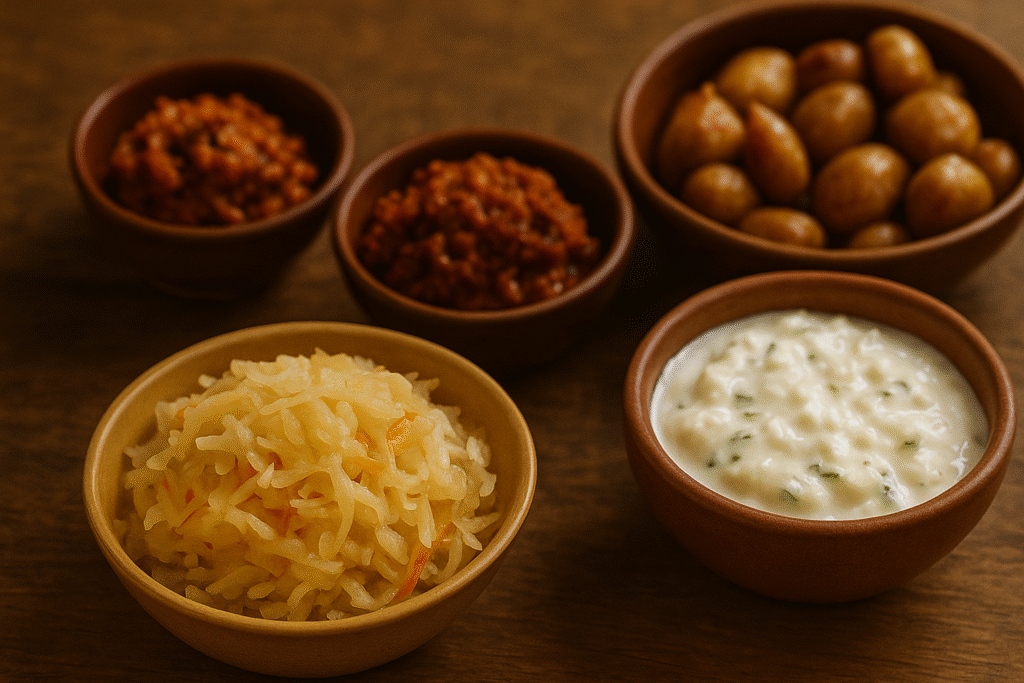
A dose of Dahi (curd) once a day is one of the simplest ways to keep your microbiome in balance. It has become quite clear that for health benefits fermented Indian foods gut health are absolutely unmatched.
If you want to start fermented foods at home, start with simple recipes like overnight soaking of rice for Pakhala or trying traditional pickles made through natural fermentation.
Homemade fermentation introduces freshness and retains live cultures, but hygiene and proper storage are a must. Balance is also needed while fermented foods are healthy, some foods can be high in salt or sugar. Conscious consumption ensures that you reap the probiotic benefits without overeating additives.
FAQs
1. What are the most popular Indian fermented foods?
Some of the most commonly consumed Indian foods that are fermented are Idli, Dosa, kanji, dhokla, appam, pickles, pakhala bhat, and curd (dahi). All of these contain probiotics that aid gut and digestion.
2. Are Indian fermented foods good for gut health?
Yes, Indian fermented foods contain probiotics, enzymes, and vitamins that improve digestion, stabilize the gut microbiome, and enhance immunity. They are a natural means of enhancing overall well-being.
3. How does kanji benefit digestion?
Kanji, a fermented beverage prepared from black carrots, mustard seeds, and water, consists of healthy bacteria that help digest, cleanse the digestive system, and enhance metabolism.
4. Is idli really probiotic?
Yes! Idli batter (rice + urad dal) is fermented, thus it is a source of live cultures, a natural probiotic like yogurt, kefir, or kombucha.
5. Are Indian fermented foods vegan-friendly?
All the common Indian fermented foods such as idli, dosa, kanji, dhokla, and pickles are inherently vegan. Dairy ferments such as dahi or shrikhand are exceptions.
6. Can fermented Indian foods help with weight loss?
Yes, idli, kanji, and dhokla are also low in fat, simple to digest, and high in probiotics, which can be beneficial for weight.
7. What is the difference between Indian kanji and kombucha?
Kanji is an Indian fermented beverage that is prepared using carrots, mustard seeds, and water, whereas kombucha is prepared using tea, sugar, and a SCOBY. Both are probiotic but have different taste, preparation, and culture.
8. Are pickles considered probiotic in India?
Yes, but only naturally fermented pickles (not vinegar-based) have probiotics. They’re full of good bacteria, but not vinegar pickles, which aren’t as beneficial to the gut.
9. How often should I eat fermented Indian foods?
Eating small portions daily for example, idlis for breakfast, kanji as a drink, or curd with meals is a great way to stay healthy in the gut without clogging your system.
10. Can children and elderly eat fermented Indian foods?
Yes, fermented foods such as idli, dosa, curd, and kanji are safe and healthy for everybody. They enhance digestion, immunity, and nutrient uptake, although spicy pickles should be served in moderation.
Call To Action
The health benefits of fermented Indian foods include boosting immunity, refreshment, improved gut health and digestion. Modern diet trends are increasingly recognizing fermented Indian foods gut health connections. Traditional Indian fermented foods benefits have come into the limelight and attracted the attention of the people all over the world. Do you have any thoughts? Share your valuable opinion in the comment box below. If you want to know more about Indian gut-healthy foods, follow us here.