“Still starting your day with just chai and toast? Here’s why that could be the reason you feel tired by noon—and how a protein-rich Indian breakfast can change that.”
Why Breakfast Matters: Combat Protein Deficiency Naturally in India
India faces a widespread protein deficiency, particularly among vegetarian households where daily intake often falls below recommended levels. A nourishing morning meal is the easiest place to start closing this gap. Choosing high protein Indian breakfast ideas ensures steady energy, supports muscle repair, and helps maintain blood sugar balance throughout the day.
A well-planned protein rich Indian breakfast can be prepared with affordable local ingredients such as pulses, paneer, Greek yogurt, and ancient grains. In this guide you will find vegetarian high protein breakfast recipes that are not only tasty but also align with Ayurvedic principles for improved digestion.
What Makes a Breakfast Truly High in Protein
Nutritionists generally consider a meal “high protein” when it contains at least 15–20 g of quality protein.
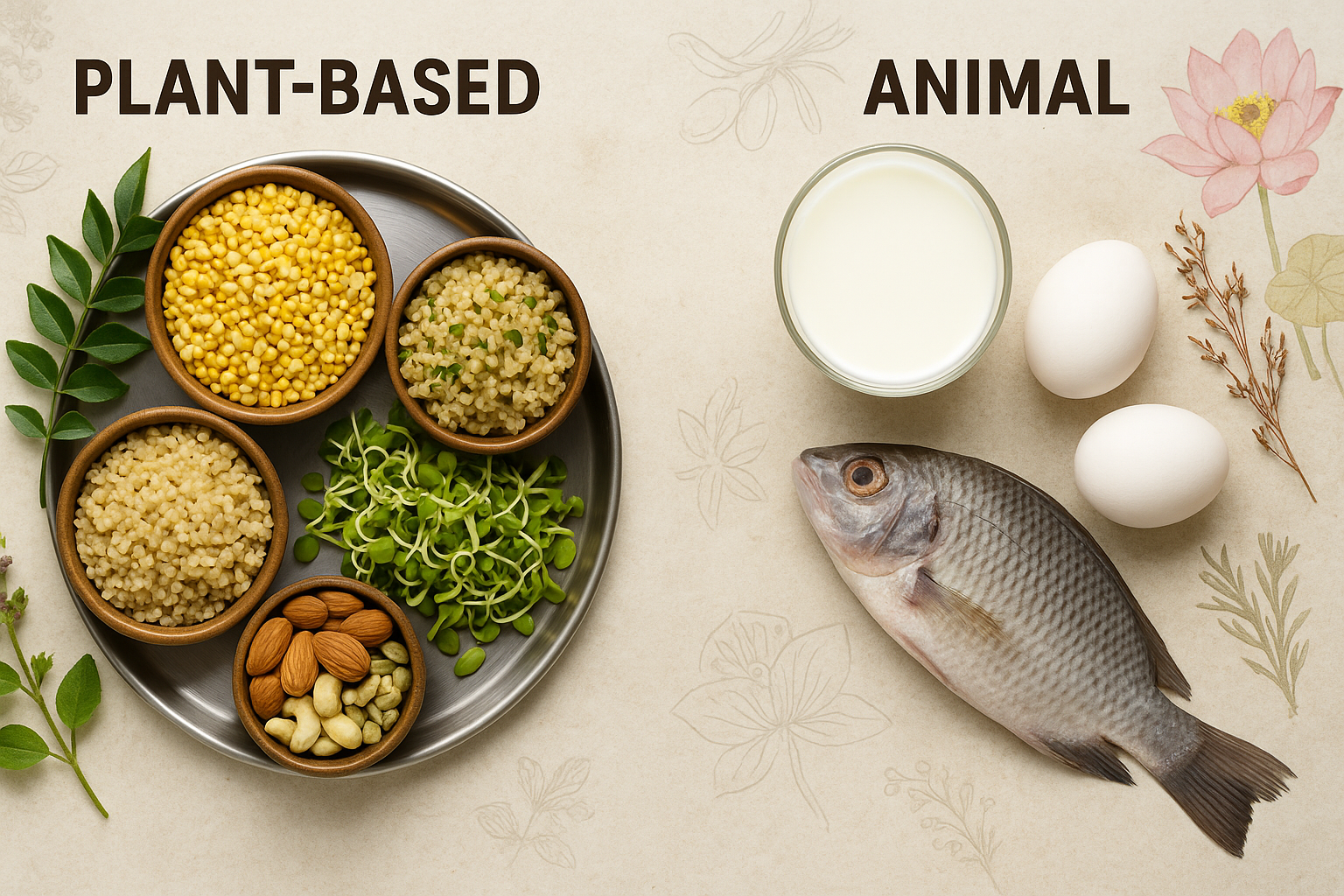
For a plant-based protein breakfast India style, focus on lentils, chickpeas, moong dal, besan, quinoa, paneer, Greek yogurt, nuts, and seeds.
Pairing grains with pulses (for example, rice with lentils or ragi with urad dal) improves amino acid balance, creating a complete protein profile.
Ayurvedic cooking techniques—such as soaking or sprouting pulses, fermenting batters, and adding digestion-enhancing spices like ginger, cumin, or black pepper—further increase protein absorption.
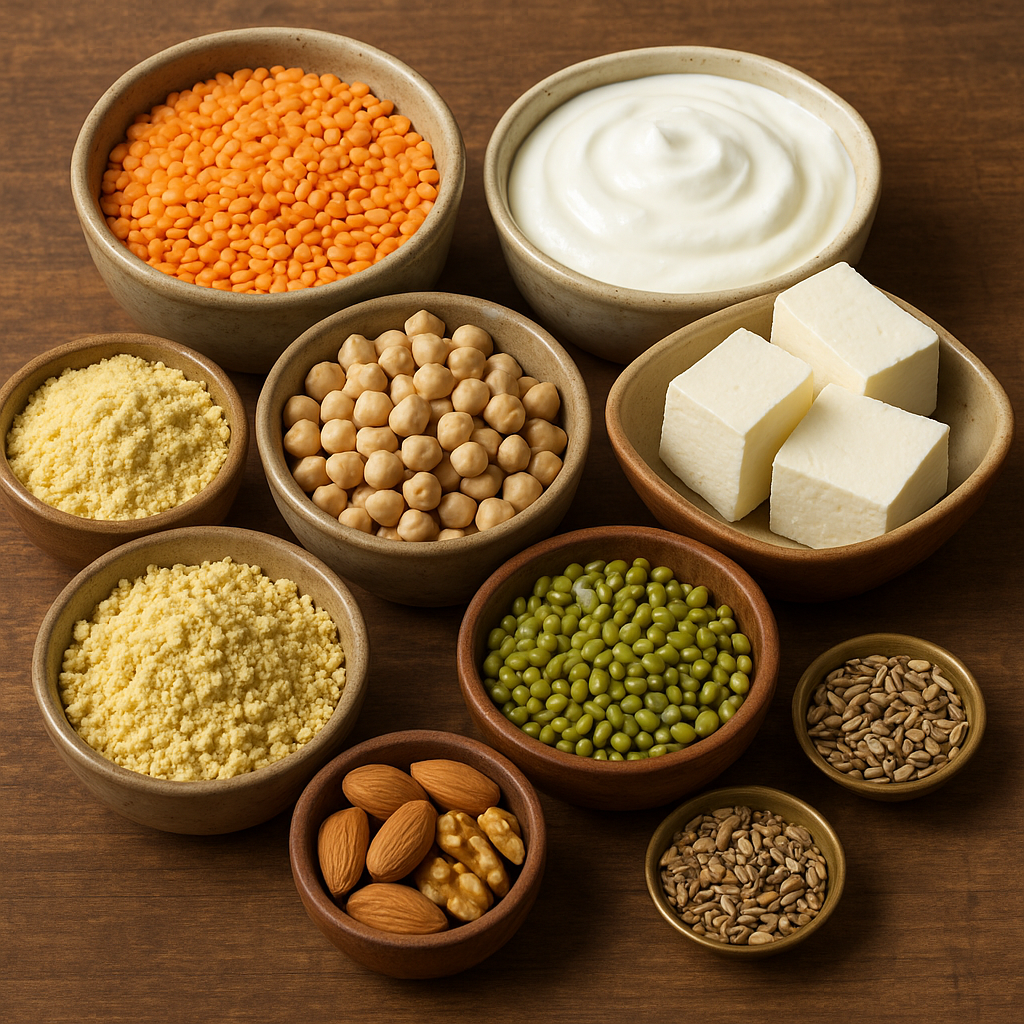
Top 10 High-Protein Indian Breakfast Recipes for Vegetarians
These protein rich vegetarian breakfast ideas show how easy it is to create satisfying meals without eggs or meat. Each recipe offers a nutritional highlight and a few quick preparation tips.
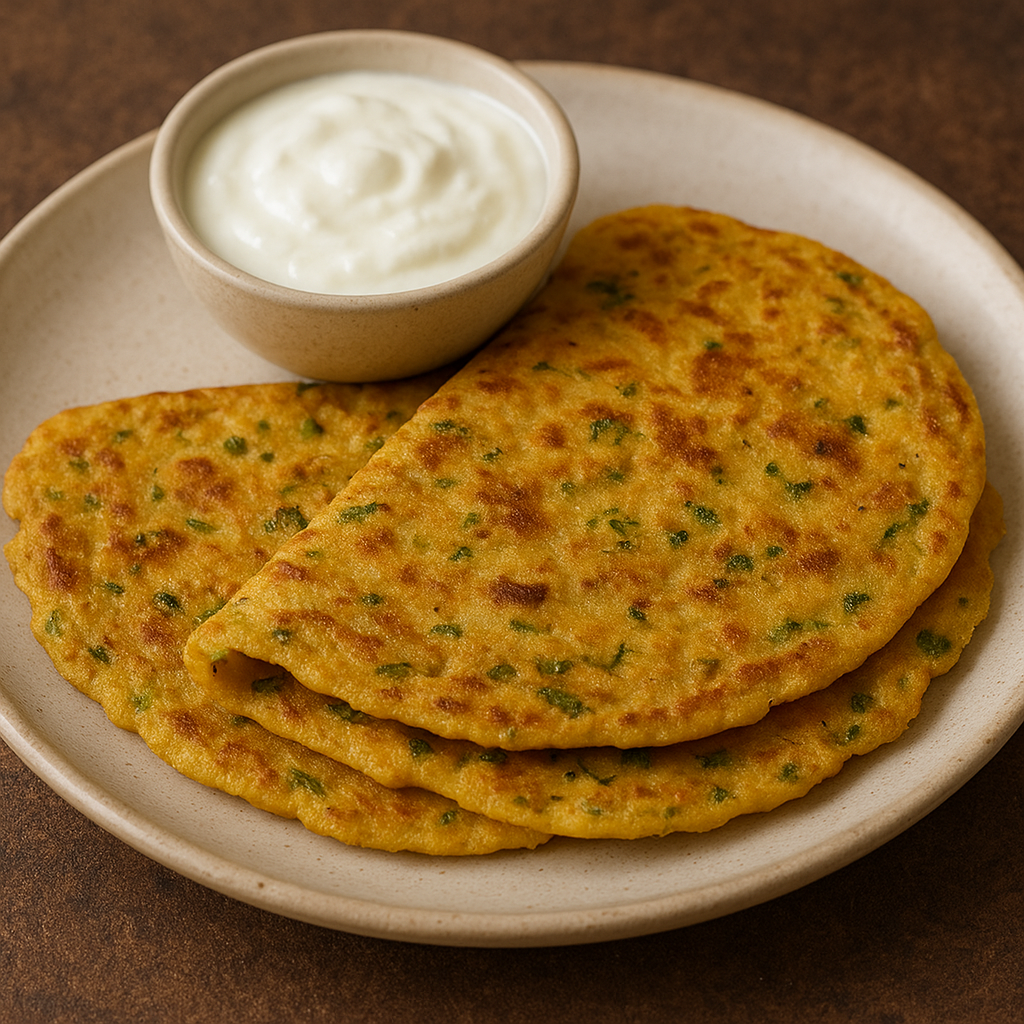
1. Moong Dal Chilla (≈15 g protein per serving)
- This versatile desi breakfast high protein dish is made by blending soaked moong dal with ginger, green chili, and cumin.
- Cook thin savory pancakes on a non-stick pan and serve with mint chutney or tomato salsa.
- Sprouting the dal overnight boosts vitamin C and enhances protein digestibility.
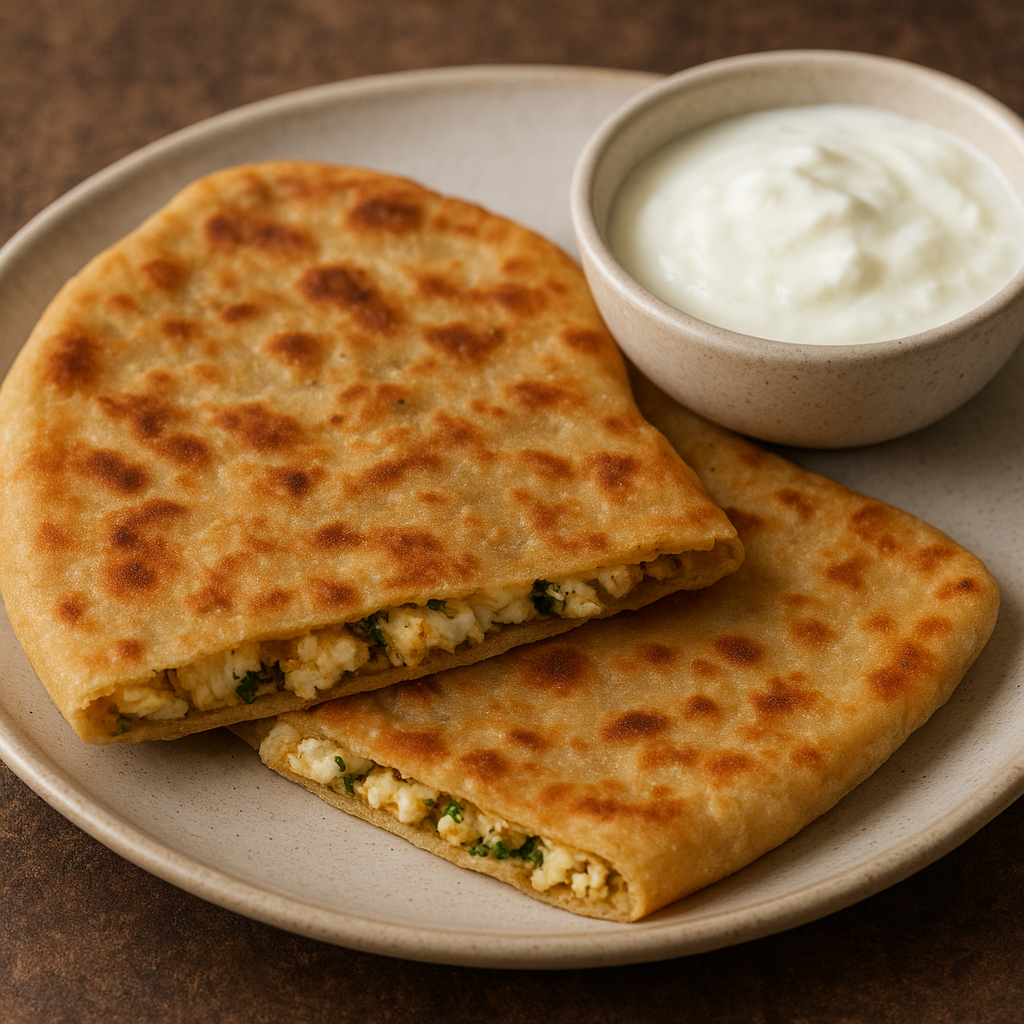
2. Paneer Paratha with Curd (≈18 g)
- Whole-wheat parathas stuffed with crumbled paneer, coriander, and mild spices deliver both dairy protein and healthy fats.
- Pair with probiotic curd for gut-friendly bacteria that improve nutrient absorption.
- A sprinkle of roasted flaxseed adds extra omega-3s.
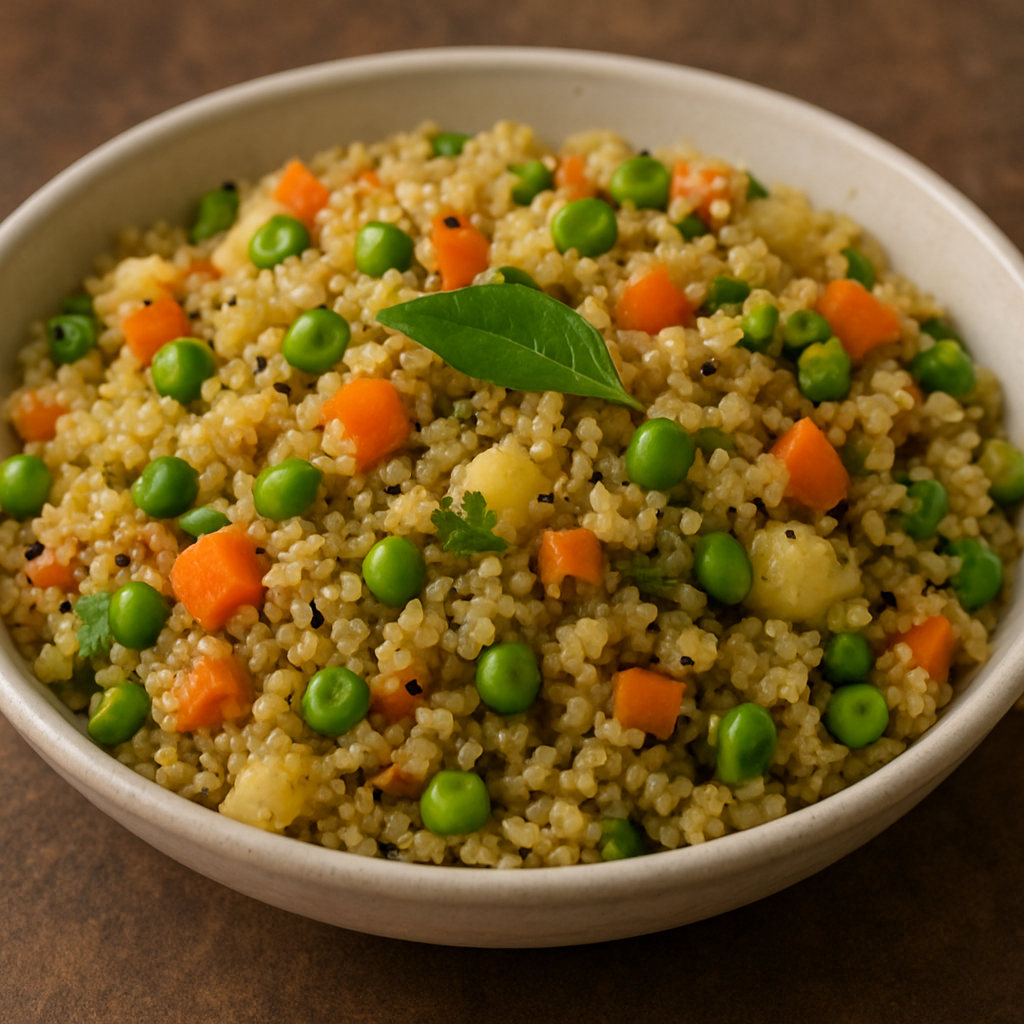
3. Quinoa Upma with Mixed Vegetables (≈14 g)
- Quinoa is a complete plant protein. Replace rava with quinoa and cook with curry leaves, mustard seeds, and a colorful mix of vegetables. For extra protein, top with roasted peanuts or a spoon of Greek yogurt.
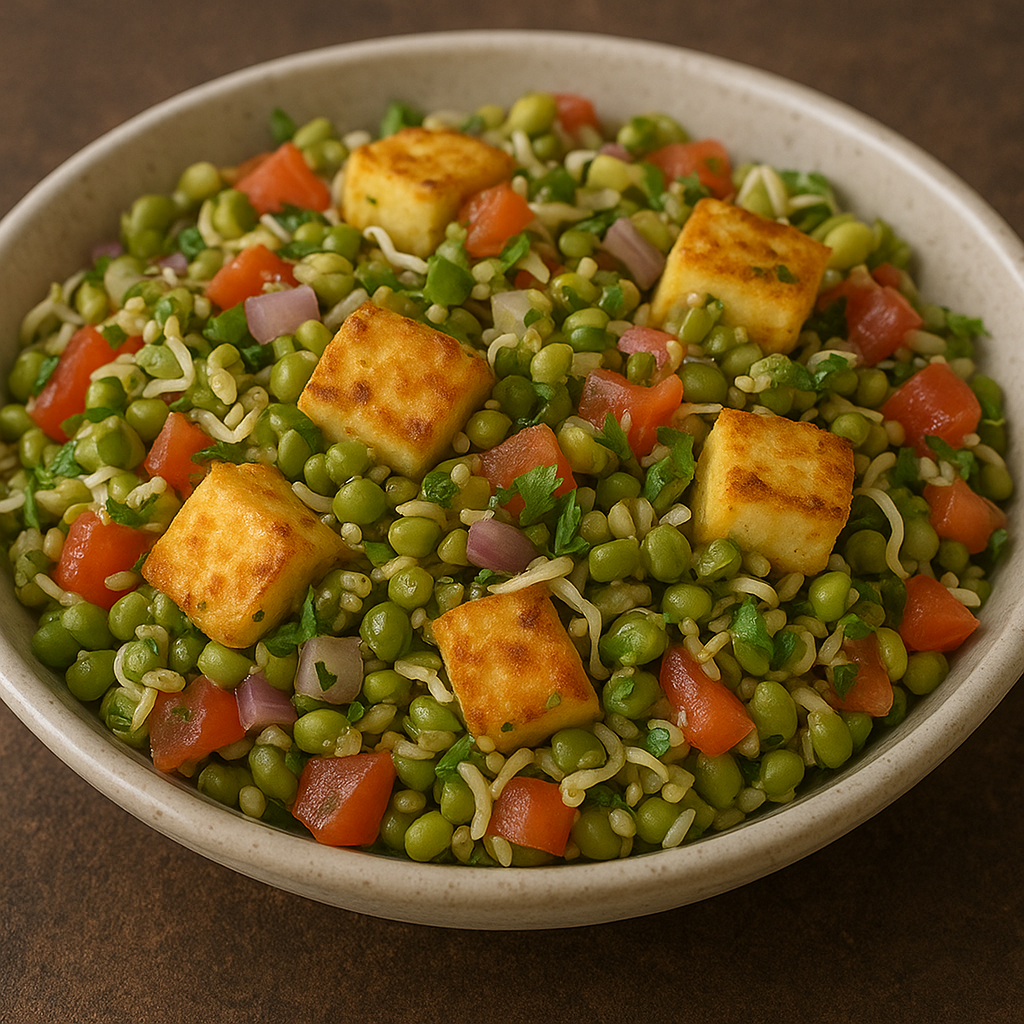
4. Sprouts Salad with Paneer (≈16 g)
Light yet filling, this salad combines steamed sprouts (moong, chickpeas) with diced paneer, lemon, and black pepper. It perfectly matches the long-tail query “vegetarian Indian breakfast ideas with paneer and sprouts.” Add pomegranate seeds for antioxidants and natural sweetness.
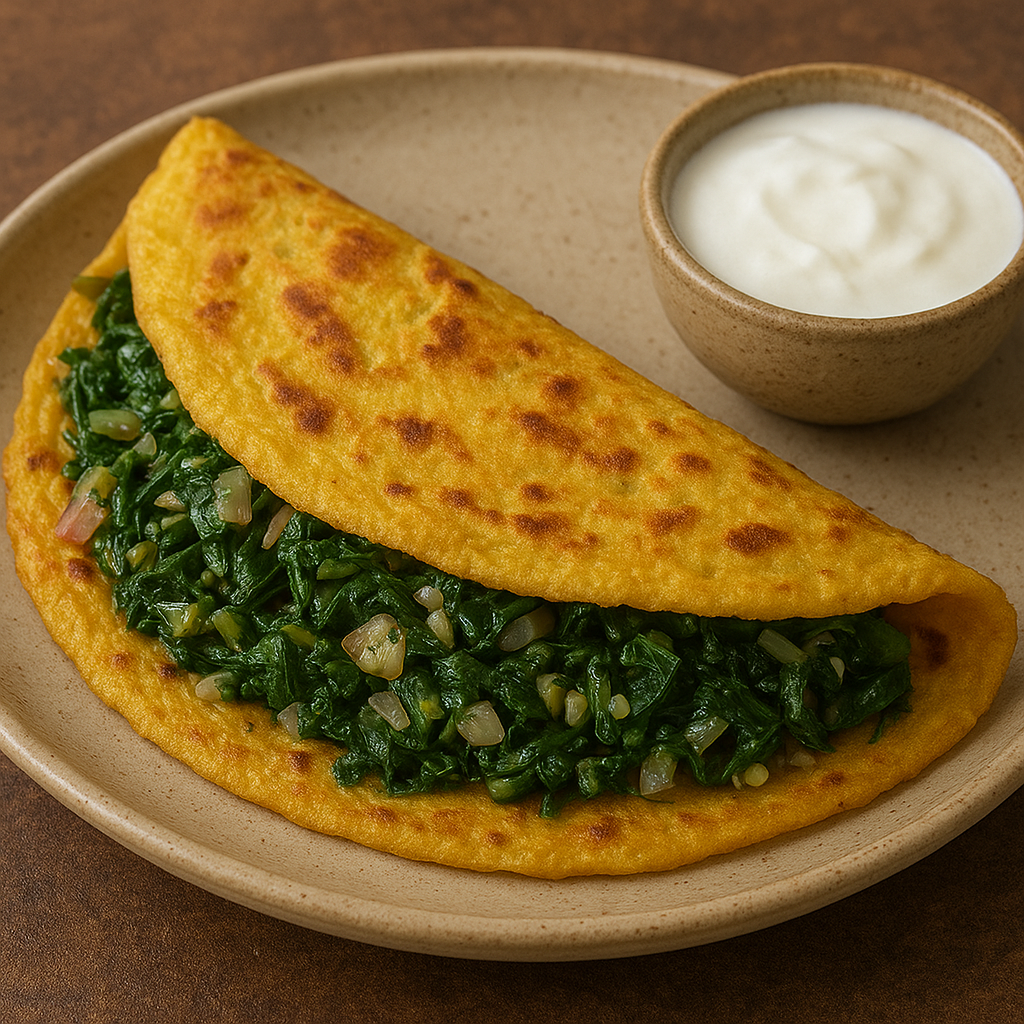
5. Besan Cheela with Stuffed Spinach (≈13 g)
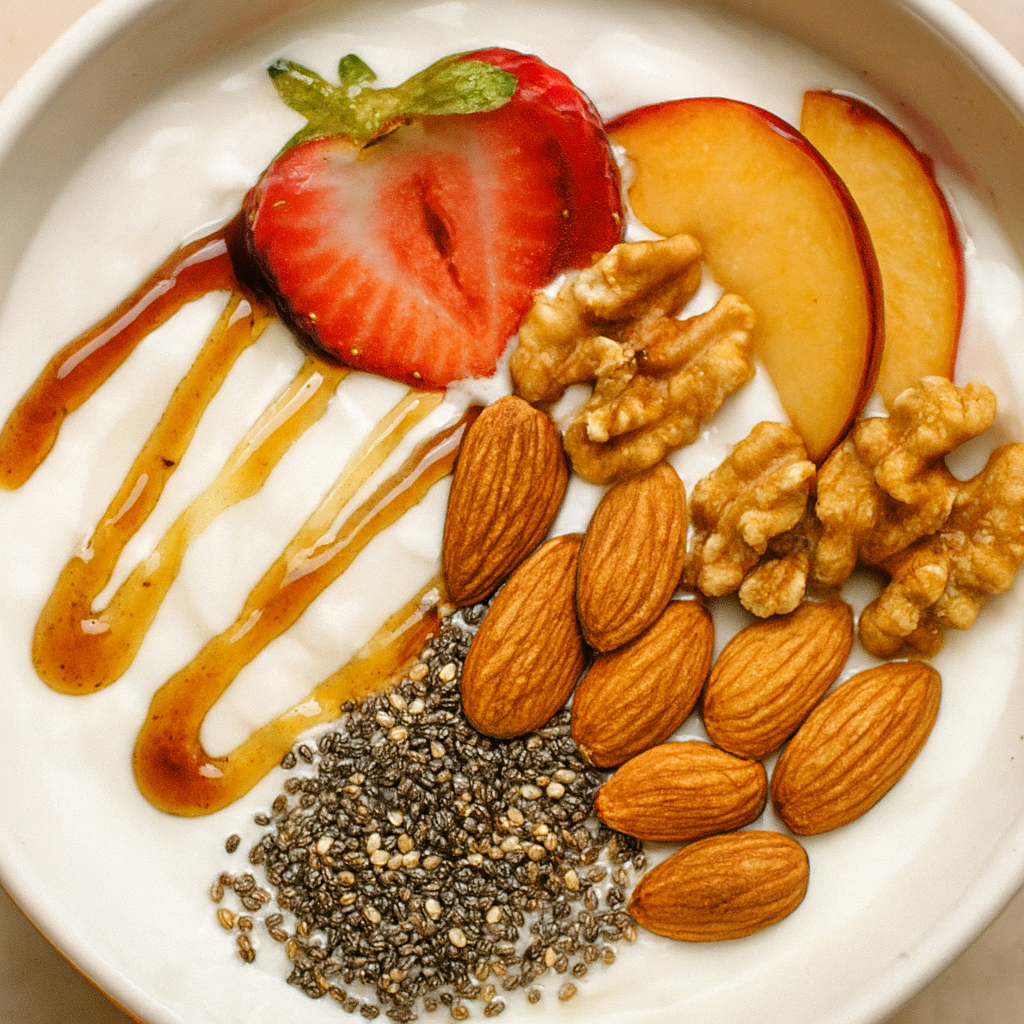
6. Greek Yogurt & Nut Bowl (≈18 g)
This fusion dish offers a high-protein breakfast India twist. Layer Greek yogurt with almonds, walnuts, chia seeds, and seasonal fruits. Drizzle with honey or date syrup for a quick vegetarian protein source that requires no cooking.
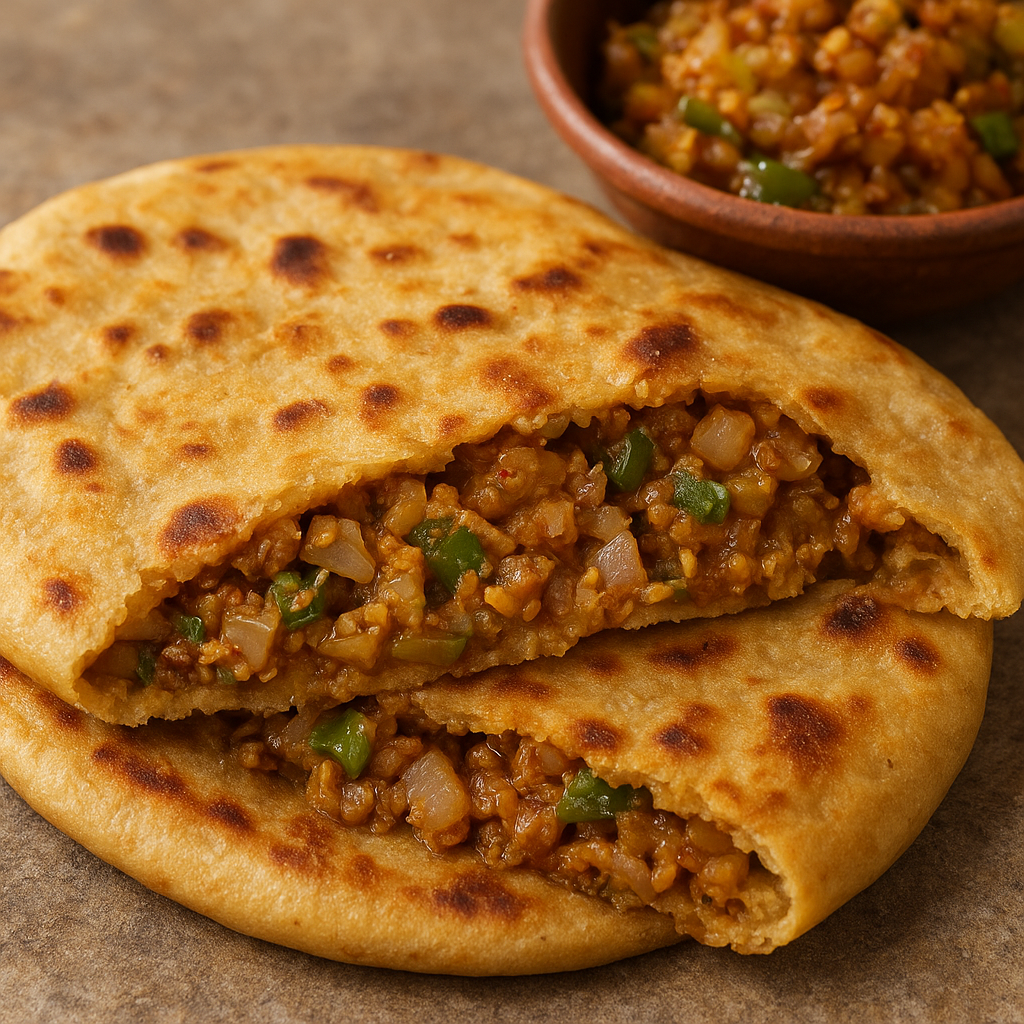
7. Sattu Paratha (≈15 g)
Made with roasted gram flour, Sattu paratha is a budget protein rich breakfast idea in Indian style. Mix sattu with onions, green chili, lemon juice, and ajwain for a tangy filling. Serve with homemade pickle for a traditional touch.
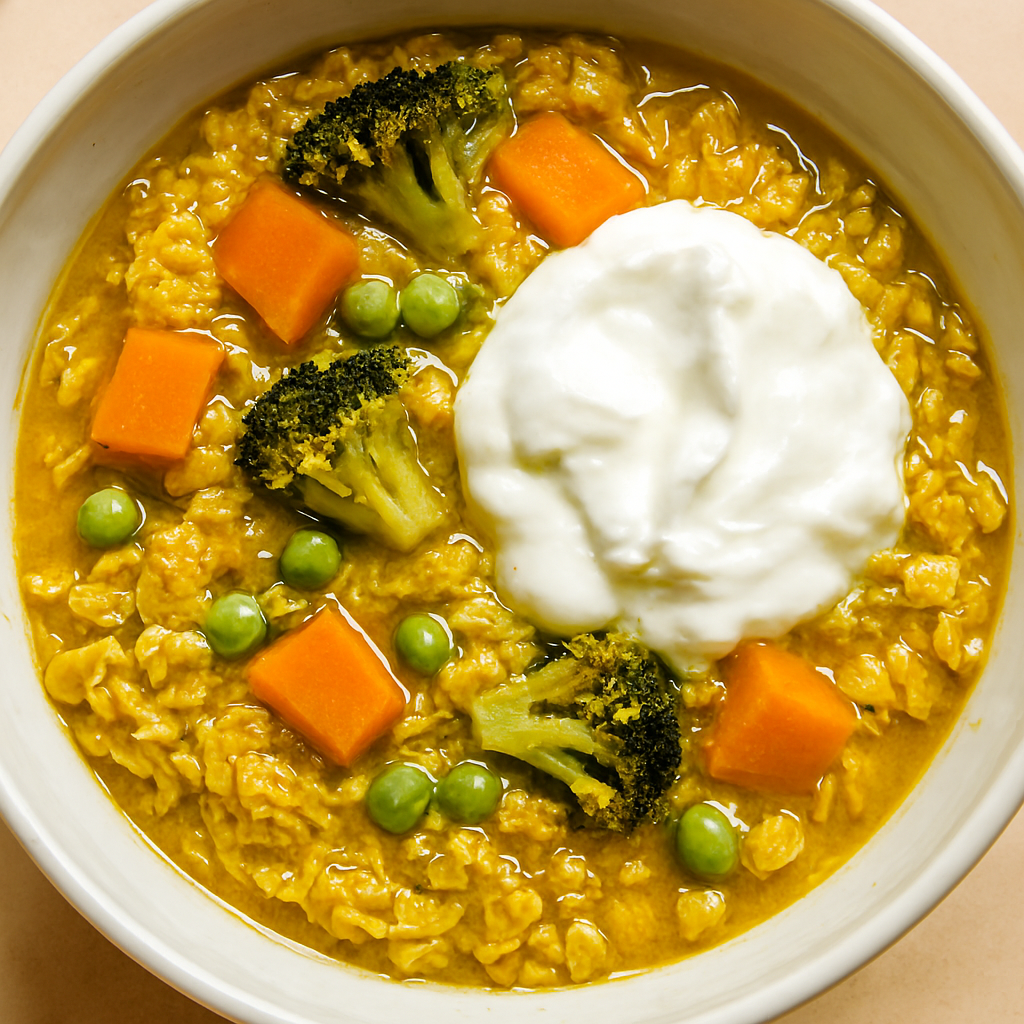
8. Masala Oats with Milk or Curd (≈12 g)
Cook rolled oats with vegetables, turmeric, and ginger, then finish with warm milk or spoonfuls of curd. Oats combine soluble fiber with dairy protein for a heart-healthy, vegetarian-friendly start to the day.
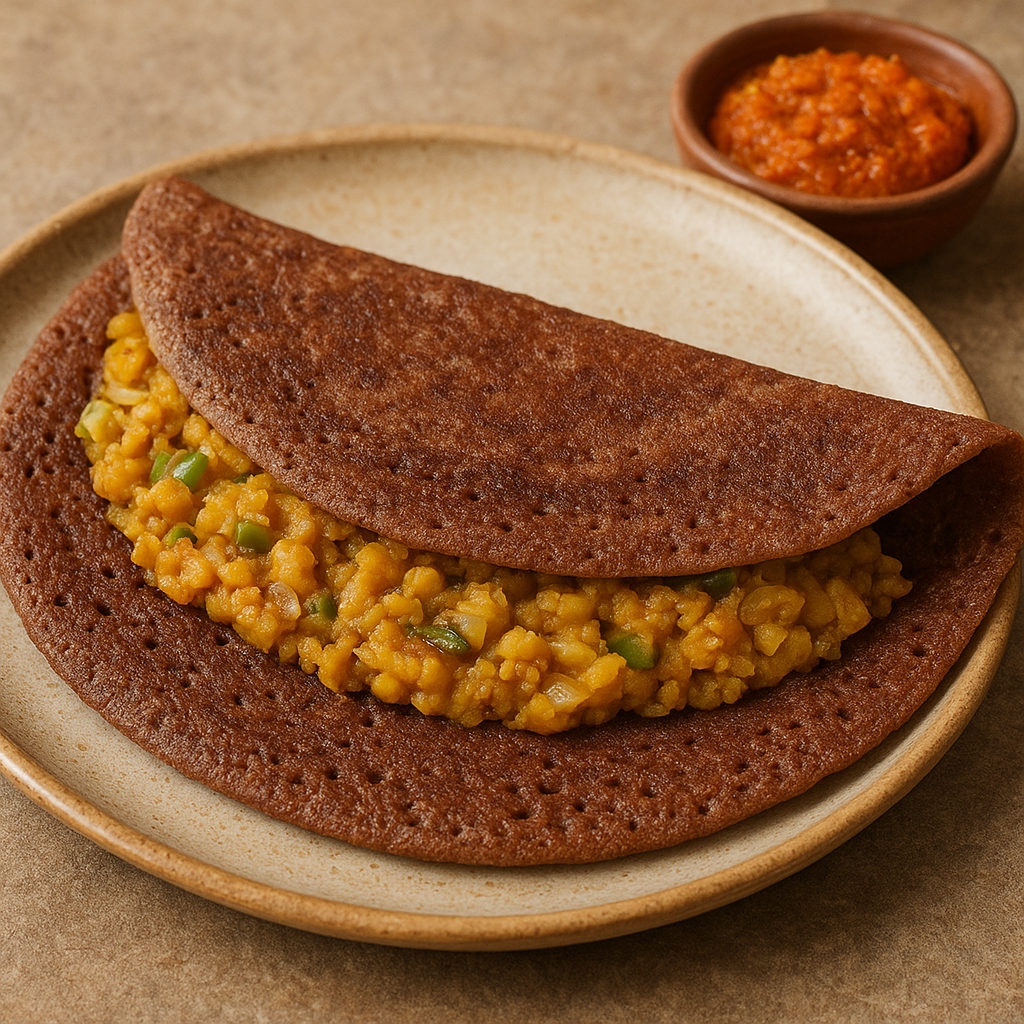
9. Ragi Dosa with Lentil Filling (≈14 g)
This millet-based dosa blends calcium-rich ragi with protein-dense urad dal. The fermentation process enhances amino acid availability and provides gut-friendly probiotics. Stuff with spiced lentils for a filling meal.
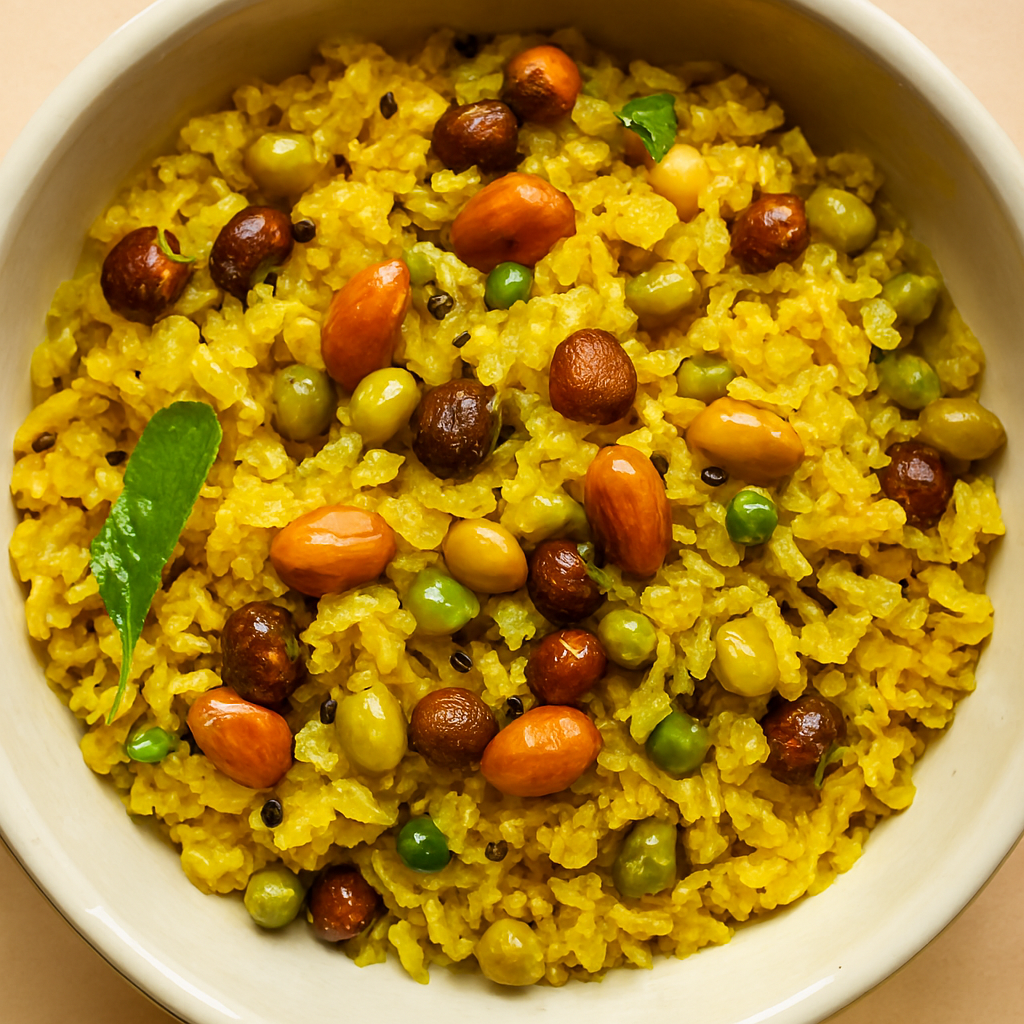
10. Poha with Peanuts & Mixed Pulses (≈11 g)
Upgrade the traditional poha by adding boiled black chana or sprouted moong along with crunchy peanuts.
This quick dish answers the question “protein rich breakfasts without eggs for vegetarians in India” and can be prepared in under 15 minutes.
Ayurvedic Herbs & Natural Boosters to Improve Protein Absorption
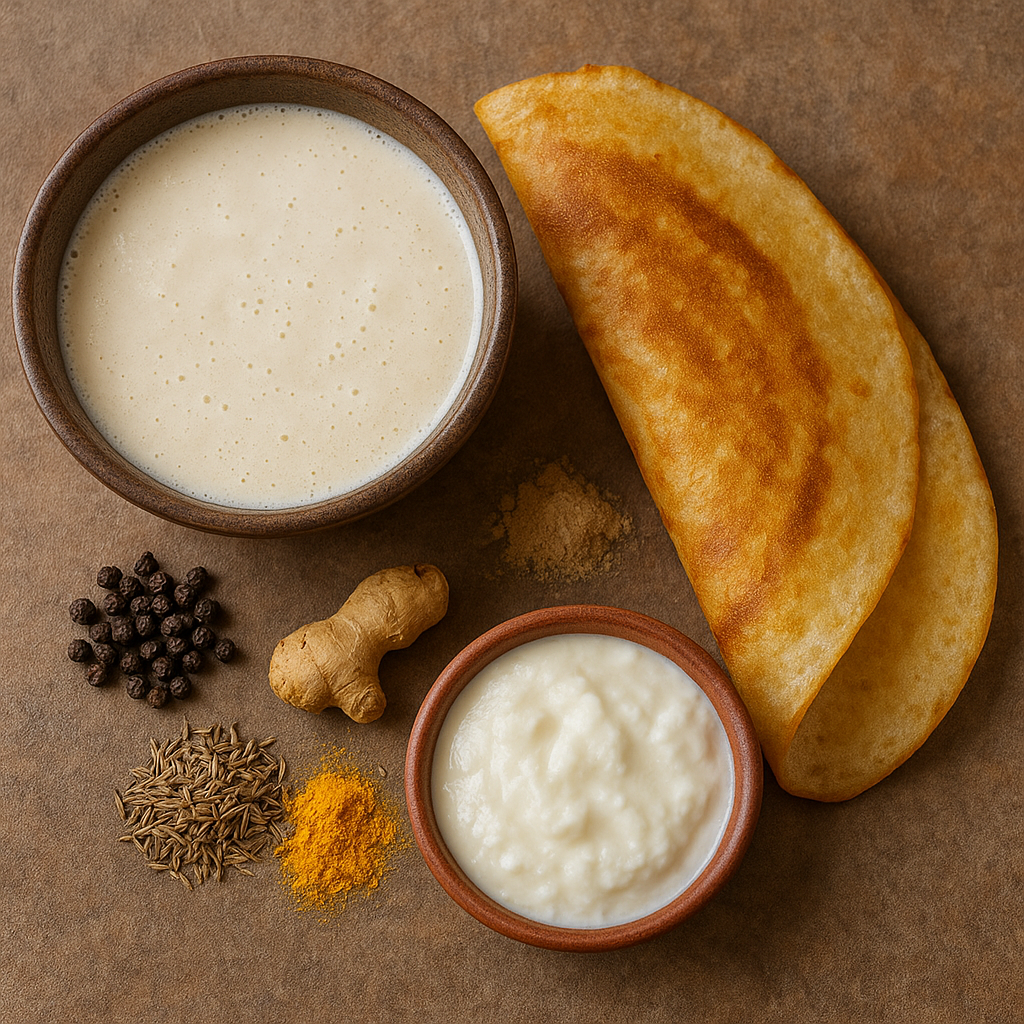
Even the best vegetarian protein sources India benefit from improved digestion. Add spices such as black pepper, cumin, ginger, turmeric, and hing (asafoetida) to breakfast recipes to enhance nutrient uptake.
Soaking or sprouting grains reduces anti-nutrients like phytates, making plant proteins easier to absorb. Fermented foods—idli batter, dosa, or fresh curd—introduce probiotics that support gut flora and improve protein utilization. A morning cup of warm water with lemon and a pinch of turmeric can also stimulate digestive fire (agni) for better metabolism.
Tips to Make Your Breakfast More Protein-Rich Every Day
Combine ingredients: Pair pulses with dairy or grains—for example, moong dal with paneer or quinoa with milk—to achieve a complete amino acid profile.
Prep ahead: Soak dals overnight, keep sprouts ready, and store dosa or chilla batter in the fridge for quick weekday cooking.
Add nuts & seeds: A tablespoon of hemp, flax, or pumpkin seeds adds 2–3 g of extra protein without much effort.
Watch calories: For those searching “how to make high protein Indian breakfast under 200 calories,” choose low-fat dairy, limit ghee, and use portion-controlled nuts.
Follow Ayurvedic timing: Eat breakfast when mildly hungry, between 7–9 a.m., to align with natural digestive rhythms.
FAQs on High Protein Vegetarian Breakfasts
How much protein should a vegetarian Indian consume per day?
Most adults need about 0.8–1 g of protein per kg of body weight—roughly 50–60 g daily for the average adult. Athletes may need more.
Can I get enough protein without eggs or meat?
Absolutely. Dishes such as moong dal chilla, paneer paratha, quinoa upma, and high-protein oats provide complete or complementary proteins.
Is paneer a good source of protein?
Yes. Paneer offers around 18 g protein per 100 g and is a cornerstone of many protein rich vegetarian breakfast ideas.
What Ayurvedic herbs aid protein digestion?
Ginger, black pepper, ajwain, and hing help break down plant proteins and stimulate digestive enzymes.
Quick vegetarian Indian breakfast protein options when short on time?
Greek yogurt with nuts, sprouts salad, or a ready-to-cook besan chilla batter are ideal for busy mornings.
What if I’m lactose intolerant?
Opt for soy milk, almond milk, tofu, or sprouted legumes as excellent dairy-free protein alternatives.
Conclusion
Whether you crave hearty parathas or light salads, these high protein Indian breakfast ideas make it simple to meet your protein goals without relying on meat or eggs. Experiment with spices, combine pulses and grains, and incorporate Ayurvedic practices to maximize absorption.
By trying one new recipe each week, you will enjoy a delicious protein rich Indian breakfast that fuels energy, supports immunity, and keeps you full well into the afternoon. Share your favorite vegetarian high protein breakfast recipes with friends and inspire others to start their day strong.