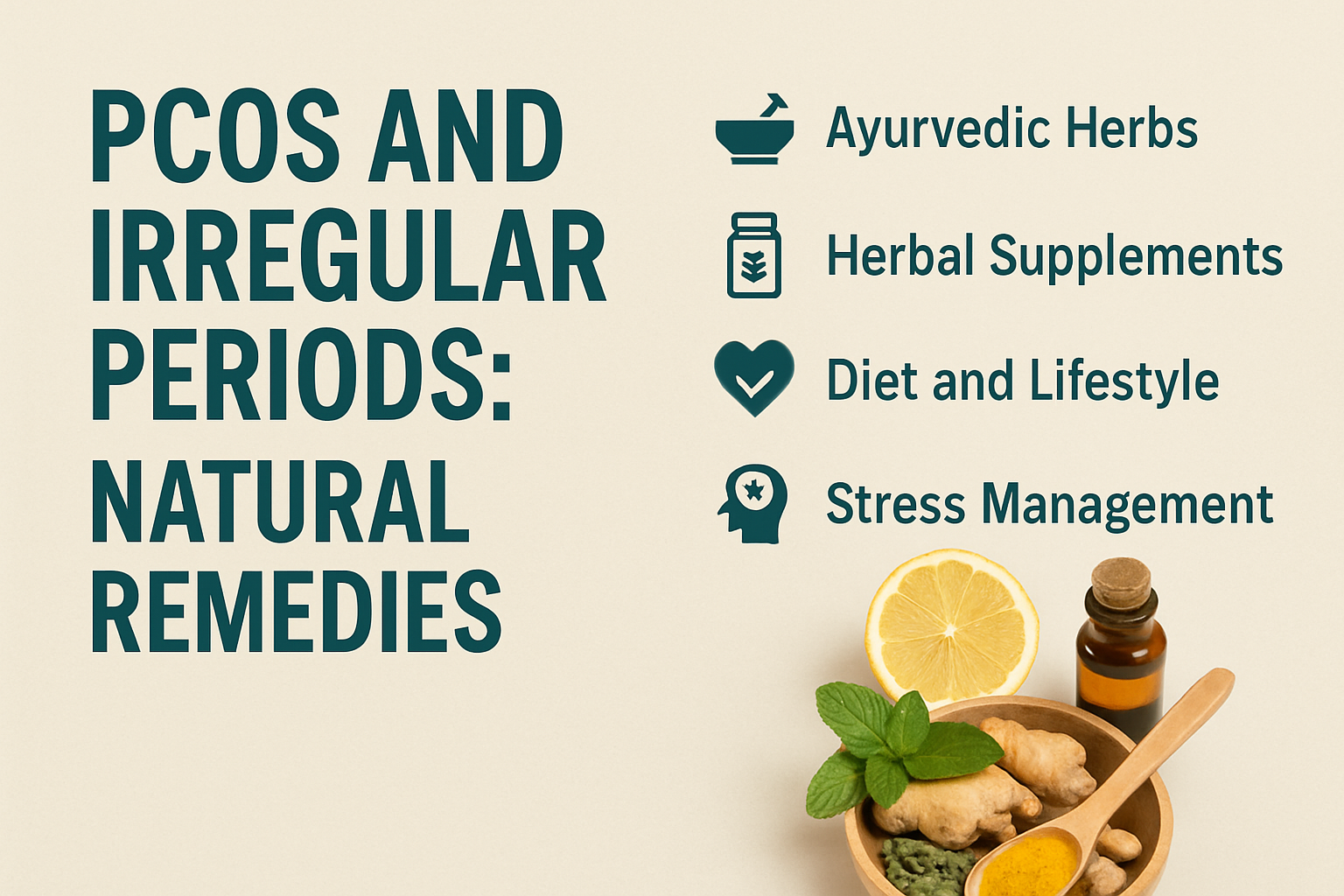
💡PCOS is a common and frequently appearing issue among women which leads to many health issues as well. Here let’s look into PCOS natural remedies to reduce its effects.
🧠Understanding PCOS and Hormonal Imbalance
🧬What is PCOS?
PCOS or Polycystic Ovary Syndrome is an endocrine disorder or a common hormonal disorder affecting women and the hormone production in ovaries in particular. It can severely affect the reproductive age of women by producing excessive androgens. This disease often leads to irregular periods, cysts in ovaries and last but not the least metabolic issues
🔄Hormonal, Hair Problems in PCOS: Causes and Symptoms
How it affects hormones and skin?
This is mainly a hormone related disease and has a significant and wide range of impact on hormones. Firstly, it increases androgens in the female body leading to disruptions in normal ovulation and menstrual cycles. There is a strong relation between insulin resistance and PCOS. It can also enhance insulin resistance leading to enhanced insulin levels and further increases the secretion of androgens.
Due to irregular ovulations progesterone production can also be reduced and estrogen levels may rise leading to weight gain and various other issues. There are also other symptoms such as acne and oily skin issues. Other than that, there can also be dark skin patches and small and benign growths known as skin tags may also appear.
⚖️Hair fall, facial hair growth and the hormonal links behind skin & hair changes
Increased androgen levels is a major issue for hair fall as well due to its impact in shrinking scalp hair follicles especially in the frontal and crown region in head. The conversion of testosterone to DHT also miniaturizes hair follicles leading to thinner hair and hair falling out more frequently. It also results in reduced hair follicles and thinned hair.
Other than that, androgen sensitive areas such as chin, jaws show hair growth. Testosterone and DHEA-S levels due to PCOS also increases hair in the upper lip, chest or abdomen.
Impact of PCOS on Mental Health
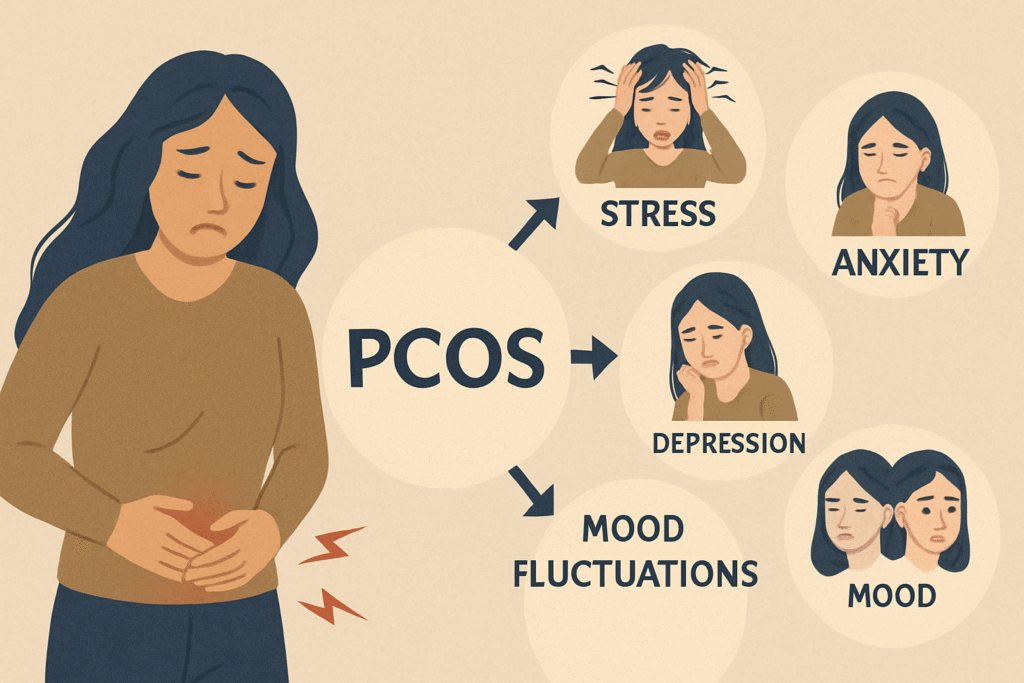
💚Connection between PCOS and stress, anxiety, depression, mood fluctuations
There is a strong relation between stress and PCOS. It mainly affects hormone levels which is related to mental health of women as well. Elevated levels of androgens not only impact the hormone balance within the body but also affects brain chemistry associated with mood regulation and mental health. Reduced progesterone levels on the other hand can lead to depression and mood swings.
Fluctuations of estrogen affect serotonin and dopamine pathways leading to depression as well. Body image and fertility issues caused by PCOS can indirectly affect mental health which may not be a direct result of this disease. Hair thinning and weight gaining can significantly affect the mental health of women.
On top of that fertility issues can lead to emotional distress, anxiety, and even at times relationship strain.
🩸Role of cortisol and insulin resistance
Increased insulin resistance can also increase cortisol levels resulting in high stress levels, anxiety and depression among women. Insulin resistance caused by PCOS leads to body cells not reacting properly to insulin leading to higher production of insulin. It causes the pancreas to release more insulin leading to hyperinsulinemia which can even be fatal.
🌿Ayurvedic view on emotional imbalance (Manas Doshas)
Remedies for Mental Health
Ashwagandha, Brahmi, Shankhpushpi: Ashwagandha is also among the popular PCOS natural remedies which helps with insulin sensitivity, reduces high cortisol and also helps alleviate anxiety, depression, and mood swings by controlling neurotransmitters like GABA and serotonin. Brahmi can help retain mental clarity while battling memory loss issues and enhancing focus.
It can help reduce anxiety and mood swings caused by PCOS and can also help adapt to chronic stress. Brahmi is one of the most effective adaptogenic herbs for PCOS. Shankhpushpi helps with mental relaxation and emotional stability while boosting brain function as well. It also helps minimize irritability and control stress-induced cortisol spikes which can be considered among the most effective PCOS mental health remedies.
Mind-calming teas: It is among popular PCOS natural remedies that helps with stress relief and emotional stability of patients affected by PCOS. It further helps with reducing cortisol levels which helps with stress control. Mind calming tea with Tulsi further helps balance insulin levels as well helping control insulin resistance.
Chamomile tea also helps with mood swings PCOS relief, boosted digestion, relaxation and sleep while reducing anxiety as well. It is also among the very useful PCOS mental health remedies.
Daily practices of Yoga: Daily practices such as Pranayama, Abhyanga, meditation can help with reduced anxiety levels and improve focus. Additionally, 20 to 30 minutes of Yoga Asanas such as Supta Baddha Konasana, Malasana, Setu Bandhasana and Viparita Karani can help with calming the mind, boost digestion, control thyroid and relieve stress.
🧴Remedies for Skin
Neem, Turmeric, Aloe Vera face masks: Neem prevents bacteria that cause hormonal acne PCOS, excessive oil, and calms irritation. Turmeric minimizes inflammation, fades scars, and clears skin tone. Aloe Vera is used for PCOS skin problems natural treatment as it moisturizes, calms redness, heals acne lesions, and offers antibacterial, non-clogging moisture with a cooling sensation.
Detox drinks and skin-healing diet: Daily detox beverages such as lemon-turmeric water, cucumber-mint, amla juice, and fenugreek water are PCOS skin problems natural treatment focused on cleansing, hydrating, and improving skin health. A skin-repairing diet consisting of antioxidants, omega-3s, low-GI foods, and probiotics promotes clear skin while eschewing sugars, dairy, and junk food.
Lifestyle and sleep routine: A regular sleep cycle of 7–8 hours improve skin repair and hormonal balance. Stress-reducing practices such as meditation, herbal tea, and digital detox reduce cortisol and support healthy skin. Light regular exercise improves circulation, detox, and skin clarity.
💇Remedies for hair
Bhringraj, Amla, Methi hair oils: Bhringraj, Amla, and Methi oils are considered highly effective home remedies for PCOS hair fall to fortify hair roots, promote growth, slow thinning, and ward off scalp infections. A home herbal oil mixture involving these herbs conditions the scalp, fights dandruff, and improves hair texture. Use 2–3 times a week for optimal results.
Herbal hair masks: Home remedies for PCOS hair fall such as Amla-Bhringraj-Methi hair pack weekly to firm up the roots, encourage growth, retard thinning, and condition the scalp. When blended with aloe vera and curd or water, it soothes irritation and encourages nutrient absorption. Use for 30–45 minutes and wash with herbal shampoo.
Iron-rich and liver-detox foods: Beetroot, spinach, and sesame, which are rich in iron, are also popular home remedies for PCOS hair fall as it fights hair loss due to anemia, while liver cleaning foods such as lemon water, turmeric, and amla normalize hormones. Herbal teas, stress and sleep control, and scalp massage also help hair and control hair loss further.
🥣Diet & Lifestyle Tips for PCOS from Ayurveda
🌞PCOS-friendly Ayurvedic diet tips: An herbal PCOS remedy diet emphasizes fresh seasonal fruits and vegetables, warm and light foods, and bitter, astringent, and sweet tastes to balance hormones, metabolism, and digestion. Healthy fat ensures hormonal balance, and mindful eating ensures digestion and avoids bloating and overeating.
❌Foods to avoid: Avoid white sugars, fried foods, milk, red meat, stale food, and too much caffeine since they worsen PCOS symptoms.
🥦Foods to include: Add fresh vegetables, whole grains, hormone-balancing spices, antioxidant fruits, omega-3 seeds, herbal teas, and warm water to aid in digestion, detoxify, and balance hormones.
🧘♀️Importance of daily routine (Dinacharya): According to Dinacharya, the body is aligned with natural rhythms, which are critical for managing PCOS. Practices such as waking up early, detox rituals, yoga, conscious eating, and going to bed early control hormones, reduce cortisol, enhance digestion, and promote ovulation, glow of skin, hair, and mental health and are among the Ayurvedic treatment for hormonal imbalance.
🩺When to Seek Help?
Red flags and unmanageable symptoms: Seek medical help if you notice unusual hair loss, irregular facial hair, long-standing acne, irregular periods, recurring weight gain, spreading and darkening patches on the skin, irregular mood swings, sleep disturbances, or pre-diabetic symptoms because these are indicators of extreme hormonal, metabolic, or psychological imbalances.
Ayurveda vs Allopathy – when to combine: Mild PCOS can be treated using Ayurveda, but severe hormonal imbalance conditions, insulin resistance, fertility planning, mental health problems, or infection may require the combination of Allopathic medication with Ayurvedic treatment. The combination of both modes ensures quick relief from symptoms while addressing cause-based healing for long-term balance.
Importance of consulting certified practitioners: Consultation with an experienced Ayurvedic doctor, endocrinologist, gynecologist, and psychiatrist offer individualized, safe, and effective treatment for PCOS. Self-treatment without professional help can worsen symptoms and result in missing the important diagnosis. Specialists’ follow-up check-ups are necessary to modify treatment as your case changes.
📝Final Thoughts
Ayurveda is concerned with slow, root cause healing rather than immediate repairs. Regular use of herbs (Ashwagandha, Shatavari, Neem) and daily routines such as Pranayama, Abhyanga, and Dinacharya for 8–12 weeks is required. Small daily rituals build up and stabilize hormones, heal skin, and nourish hair. Keeping a PCOS journal tracks menstrual predictability, mood, hair loss, skin acne, and lifestyle triggers.
Recording minute changes such as decreased bloating or acne increases self-awareness. Periodic six-monthly lab tests ensure accurate monitoring of vitamin, hormone, and insulin levels. PCOS can be effectively managed with an integrated approach of Ayurvedic treatments, dietary modification, and medical care. Regular practices do the wonders of stabilizing hormones, skin, and hair and overall emotional health.
The biggest secret is a lifestyle change that is sustainable and not quick fix, backed by professional monitoring every now and then and self-care routines.