Tired of overpriced protein powders packed with fillers and artificial flavors? What if your kitchen already holds cleaner, cheaper, and more powerful protein sources that fuel muscle growth and recovery naturally? Let’s uncover the best home substitutes for protein shakes that blend taste, health, and affordability in every sip.
Interest in fitness is growing among the younger generation and the shift in social media makes it even clearer. In such an environment people are now interested in protein shake substitutes at home as many are concerned about the highly expensive protein shakes.
On the other hand the taste of the available protein shakes in the market is not very attractive for the consumers either, making them shift towards homemade natural protein shake alternatives.
The shift is also based on an interest in cleaner nutrition and fewer additives. Gym goers nowadays are also showing interest in added benefits of whole foods which includes not only protein but also essential vitamins, minerals, and healthy fats.
Let’s understand the importance of natural protein shake alternatives and learn more about DIY protein shake alternatives home ingredients.
Why Consider Natural Protein Shake Substitutes
Concerns with Commercial Protein Powders
Regardless of being easy to consume and convenient, commercial protein powder often contains added sugar, artificial flavoring or other artificial ingredients for taste. Sometimes they may even contain heavy metals, and fillers which are clearly not good for health.
While many gym-goers regularly check for FDA approved products, it is not the luxury everyone has or bothers with. This is the leading reason for people leaning towards homemade protein shake replacements.
Complete plant-based protein and protein-rich nut seeds can often help with overall improvement of the body and boosts recovery and immunity making them more attractive for fitness lovers.
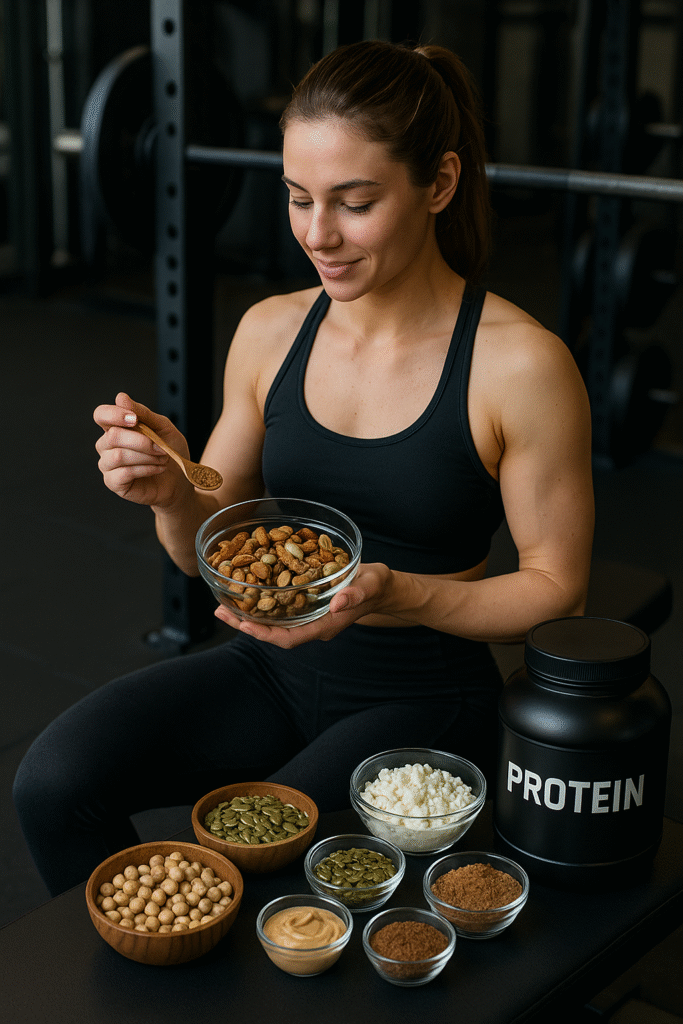
Benefits of Whole Foods
Going for whole food protein sources for shakes instead of commercial protein powder can help with a more balanced source of energy.
Whole foods such as nuts, seeds, dairy, legumes and traditional powders can deliver fiber, healthy fats, and essential nutrients like zinc, omega-3s, calcium alongside protein.
Choosing nuts and seeds instead of protein powder helps fulfill the nutrient needs within the body while also fulfilling the protein needs while working out.
It helps with the improvement of overall health while also ensuring effective muscle growth and improved stamina.
Top Natural Protein-Rich Ingredients for Smoothies
Nuts and Nut Butters: Almonds, peanuts, pistachios, cashews are among some of the best natural protein alternatives. Whole food protein ingredients such as these can deliver up to 5 to 7 gm protein per ounce while also providing healthy fats and micronutrients making them great protein sources for smoothies. These can also be used as natural protein shake alternatives that can fulfil the protein and energy needs of the body during a workout session. However, Brazil nut butter stands out among its peers as it provides a staggering 8gm protein per 3 tablespoons. Its high selenium content makes it one of the great natural protein alternatives.
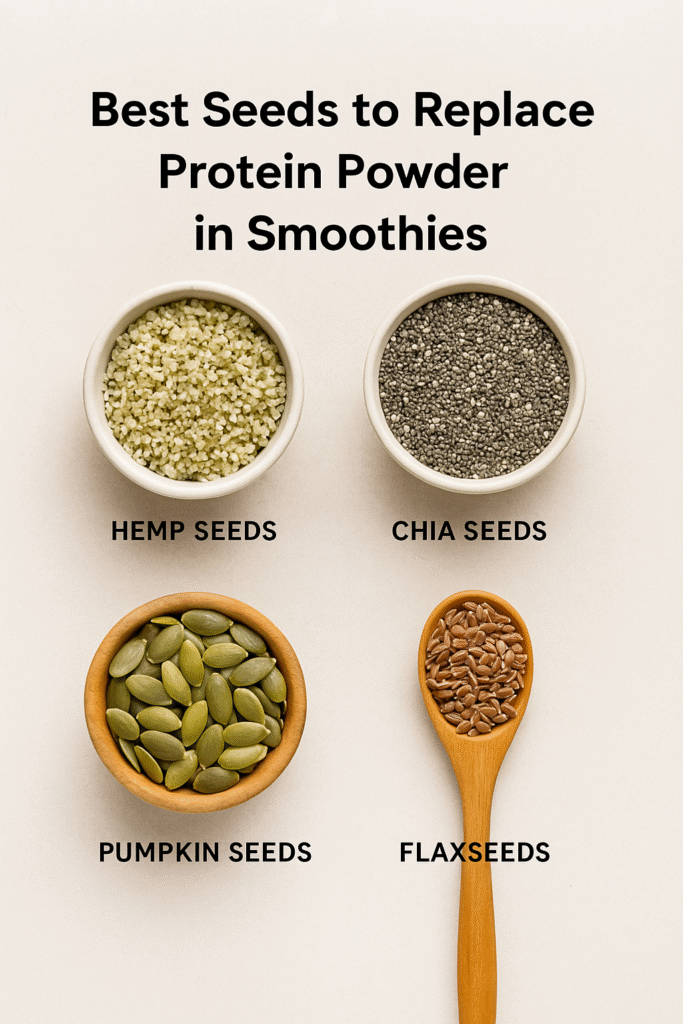
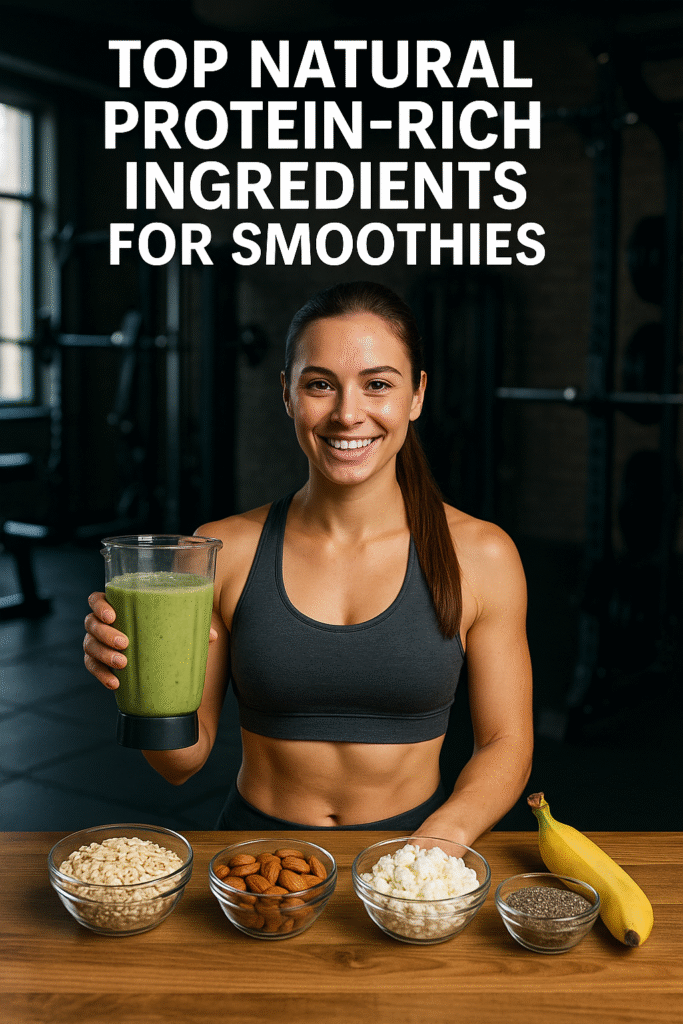
Seeds: Hemp seeds are also a great alternative as it contains 5gm of protein which may be lesser compared to but it packs omega-3s and fiber as well. Chia seeds can also be a good source of protein for fitness enthusiasts while it also contains fiber. Pumpkin seeds can also be great whole food protein ingredients as it contains 3gm protein per tablespoon and contains zinc and magnesium. Other than that, flaxseeds also contain 3gm protein per tablespoon and are beneficial due to being rich in omega-3s making them popular among best nuts seeds to replace protein powder in smoothies.
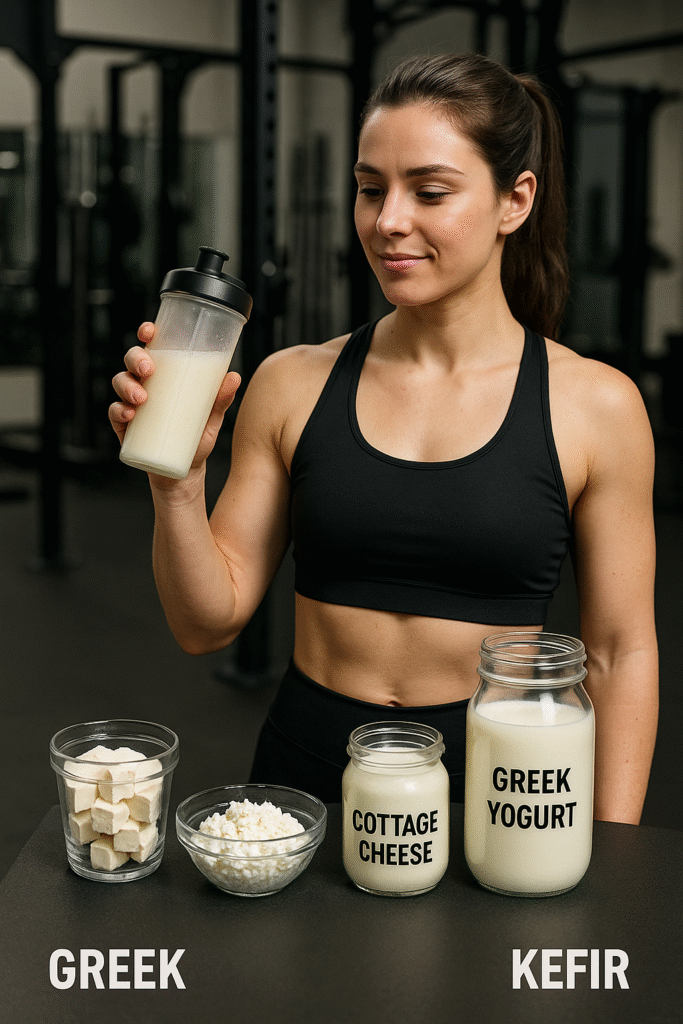
Dairy and Fermented Options: Among alternatives to protein powders tofu and cottage cheese are very popular due to being very high in protein. Per 4 ounce of cottage cheese has 14 g protein while 100gm of firm tofu can contain 8 to 17 grams of protein along with healthy fat making them popular for protein consumption. However, greek yogurt and kefir can also be used in protein shake substitutes at home.
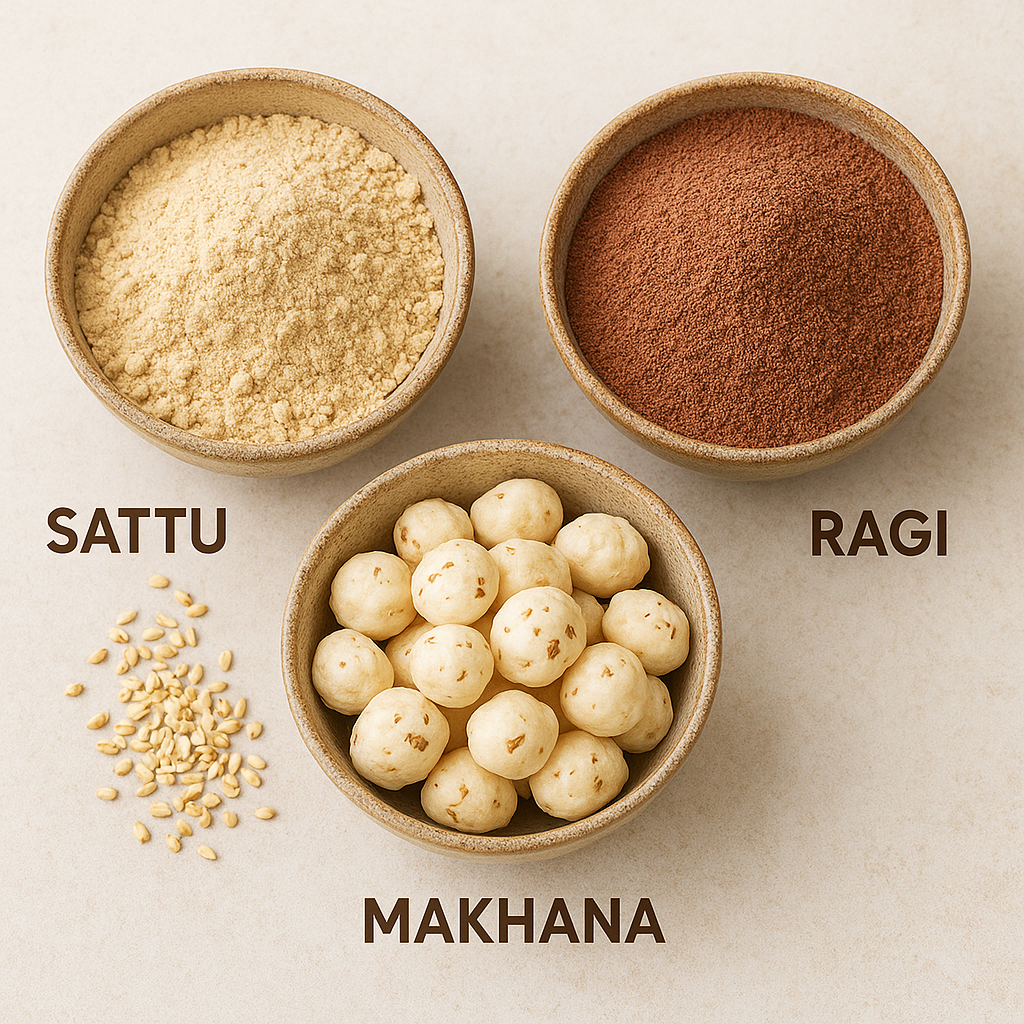
Grains, Legumes and Traditional Powders: Oats are among the most popular homemade protein shake replacements for years as it has been consumed to control fat rich diet and weight loss. It is a complete protein grain while other staples such as sattu, ragi, chickpea, peanut, or makhana are also effective and time-tested when it comes to protein shake replacements while also being minimally processed. Oats contain 5gm of protein per ½ cup while another popular is complete protein grain Quinoa contains 8gm protein when cooked.
DIY Homemade Protein Shake Combinations
Use of nuts and seeds instead of protein powder can also lead to tasty drinks which can be attractive for health and fitness lovers as well. Whole food protein sources for shakes can also ensure clean protein intake and do not have to check for FDA approval for ensuring safety. Here are some homemade protein shake without powder recipes for natural protein shake alternatives.
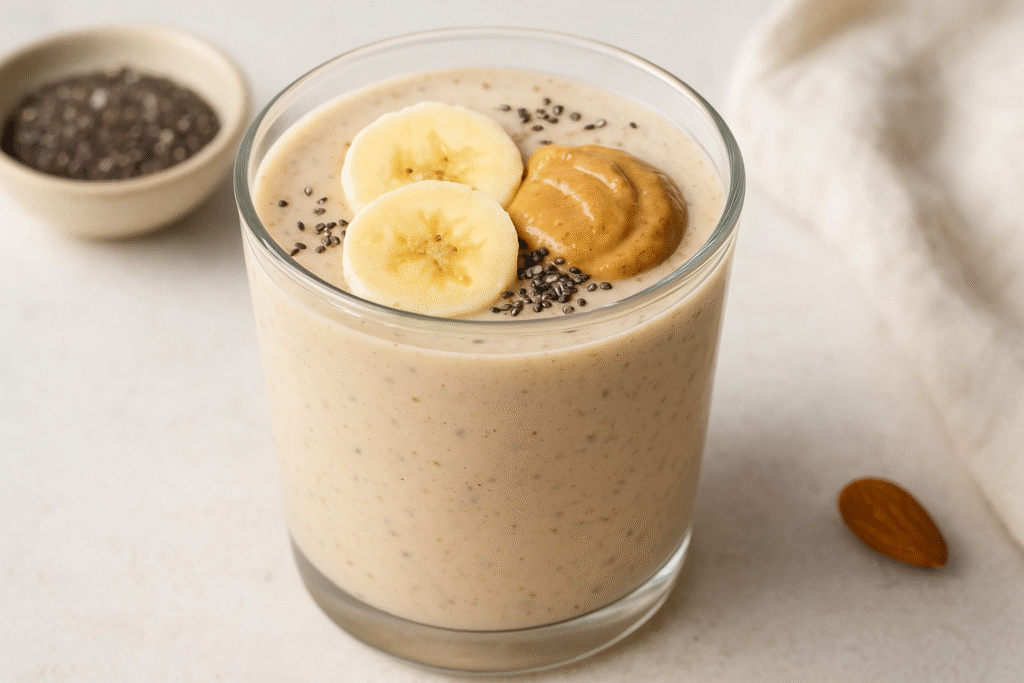
Combo 1: The Nutty Power Smoothie
The first among the homemade protein smoothies contains nut powder for high protein intake.
It combines rich and creamy yogurt with almond butter, chia seeds, banana and oat milk making it great both in taste and health.
It is rich in protein, complex carbs, healthy fats, probiotics and even omega-3s. It is not only good for sustained energy for stamina, muscle growth and muscle recovery but it is also good for gut health and better brain functions.
Combo 2: The Seed and Legume Blend
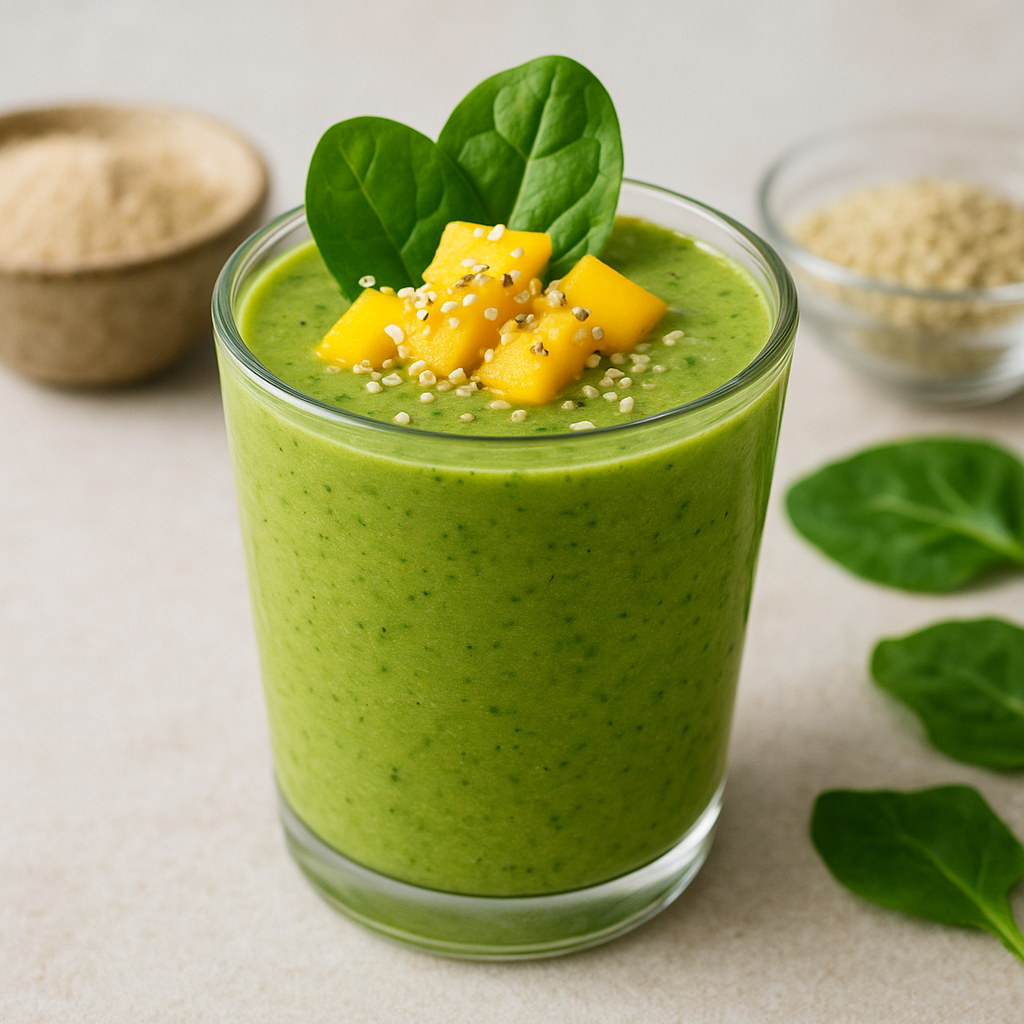
This is among the most popular natural protein shake alternatives containing seeds with legume.
This combo brings together hemp seeds, sattu powder or roasted gram flour, fresh spinach and juicy mango mixed into water.
It is a powerhouse drink that significantly increases protein intake in the body before workout and helps sustain energy for a long period.
It is also completely plant based protein ensuring that vegetarians have no problem in the consumption of this drink. This smoothie is rich in protein, fiber, minerals, micro nutrients, iron, antioxidants and vitamin C.
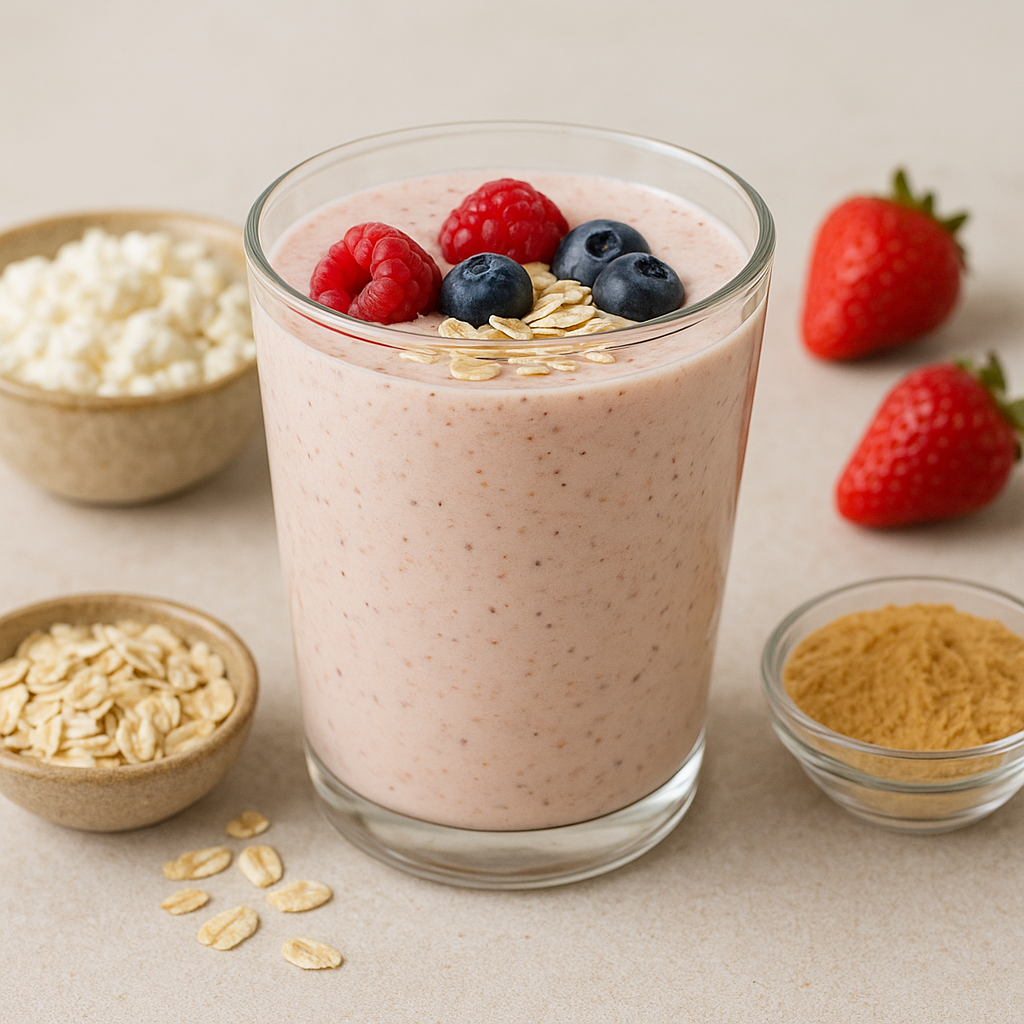
Combo 3: Creamy Cottage Cheese Energy Shake
The Creamy Cottage Cheese Energy Shake combines protein-dense cottage cheese with peanut powder, rolled oats, fresh berries, and milk into a creamy but satisfying beverage.
Cottage cheese contributes slow-gastrointestinal-releasing casein protein for prolonged muscle recovery, and peanut powder offers great taste with fewer calories compared to nut butter.
Complex carbohydrates and long-duration energy come from the rolled oats and berries contribute natural sweetness and antioxidants.
The end result is a thick protein-dense beverage that tastes rich but energizes the muscles and the metabolism.
Combo 4: Overnight Oats Booster
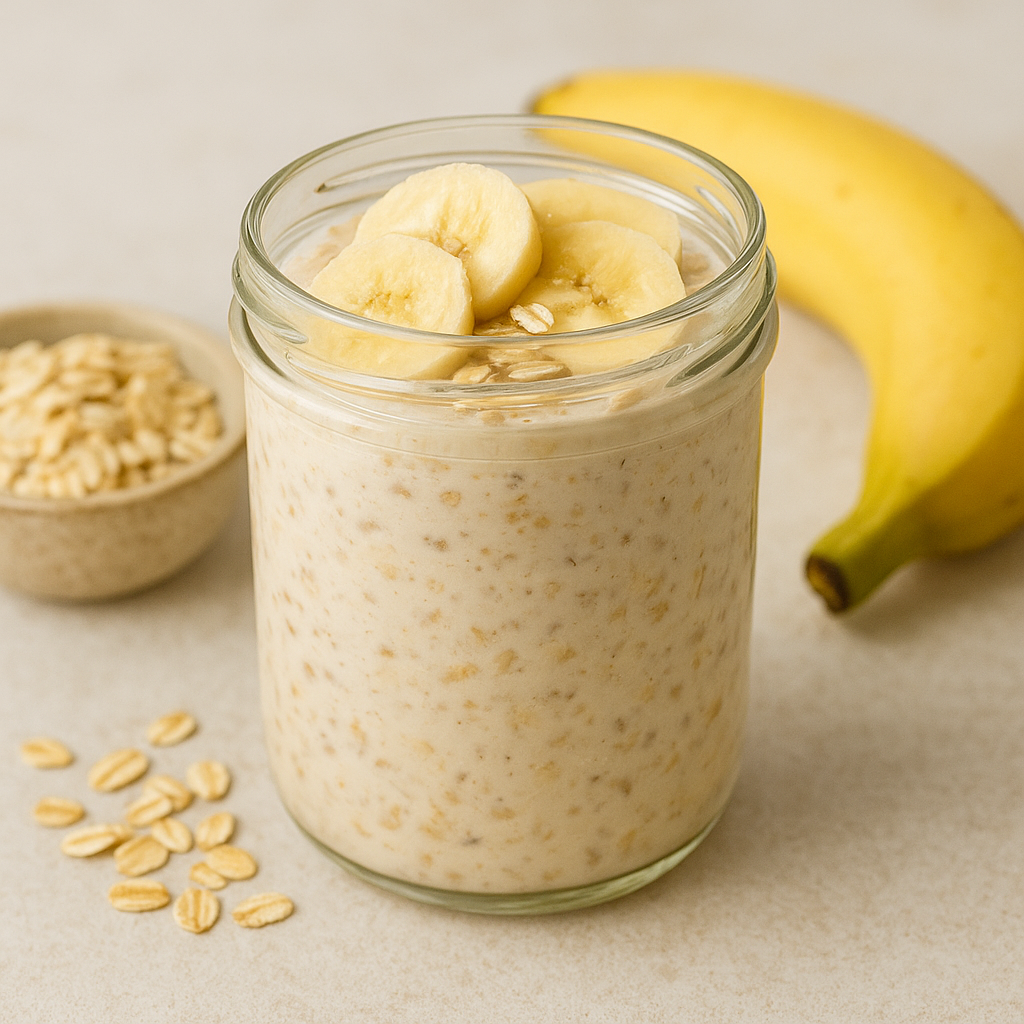
The Overnight Oats Booster is a make-ahead concoction that pairs oats soaked with probiotic-rich kefir with crunchy pumpkin seeds loaded with omega-3 rich flaxseeds, a drizzle of honey, and a spoonful of cinnamon.
It contains slow-release power from oats, gut-friendly nourishment from kefir and top-of-the-line plant protein and minerals from seeds.
The honey contributes natural sweetness and the cinnamon warmth and blood sugar support.
Easy and healthy, it’s a grab-and-go breakfast or post-workout replenisher that fills and energizes you up for the day for hours.
Nutrition Comparison and Practical Considerations
For protein mainly nuts, seeds and dairy products are consumed while seeds can provide calorie dense options and are rich in other nutrients such as omega-3s and vitamins.
Overall, these ingredients provide a better balanced meal fulfilling the need for nutrients in the body creating a proper balance between calorie and protein. Effective protein-to-calorie ratio makes these products attractive and effective among every group of gym lovers.
Even vegetarians can consume most of these smoothies due to them being largely plant-based protein. On the contrary, digestibility is also an issue so start small and check what is best suited for you and adjust other ingredients to align the nutrient intake with your goal.
Science-Backed Insights and Expert Views
Nutritionists point out that whole food protein sources used in shakes are preferable to isolated powders since they have fiber, micro nutrients, and antioxidants essential for long-term health.
Compared to purified protein powders, natural ingredients provide satiety, healthy intestines, and lower inflammation.
Dietitians suggest prioritizing balanced meals and home-made protein smoothies as the basis for a healthy diet and using supplements only where necessary.
Herbal-based traditional Indian protein boosters such as sattu, ragi, and makhana are increasingly popular around the world as clean, cheap, and Eco-friendly DIY protein shake options using domestic ingredients.
Supported by both contemporary nutrition science and cultural tradition, the foods demonstrate how natural foods can match commercial supplements for protein, recovery, and overall energy.
FAQs
Can whole foods match protein powder’s convenience?
Yes, with prep, they provide cleaner nutrition; overnight oats, pre-mixed jars assist.
Best combo for complete protein for vegans?
Combine legumes (sattu/chickpea) with seeds (hemp/pumpkin) and grains (oats) for a complete profile.
How to reduce calories while maximizing protein?
Make use of low-fat dairy, portion nuts/seeds, and prefer high protein-to-calorie forms like hemp and sattu.
Storage tips?
Pre-mix dry blends, keep fresh smoothies refrigerated, or freeze portions to ease blending.
Call To Action
In conclusion, natural protein shake alternatives can be very effective in delivering protein needs within the body and ensure better performance in the gym. It is also clear that nuts, seeds, traditional powders, and dairy products are very effective as substitutes for protein powders in delivering not only protein but other important nutrients as well.
Take your favorite ingredients and make your own favorite alternative to protein powder to feel the natural power difference today. Share your valuable thoughts in the comments below and do not forget to follow us for more fitness related tips in the future.