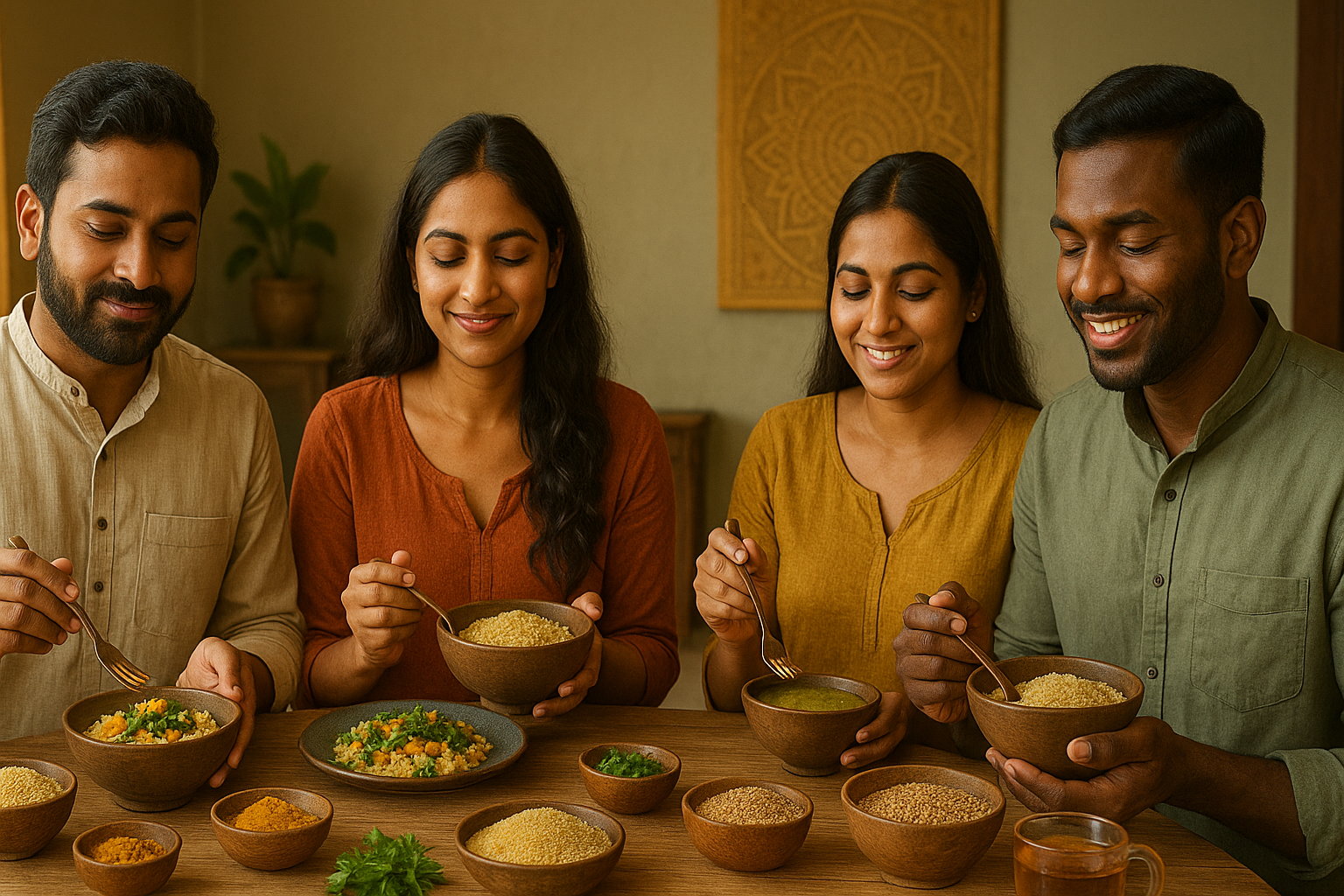
Do you really know that!! India has been cultivating millets for more than 5000 years that presents History of millets . But, yet, most of the urban households barely consume all these millet-based meals. Health benefits of millets are gradually pushed aside by the consumption of wheat and rice, but when we talk about the traditional dietary plan, the importance of millets is precious.
The food habit change awareness among people has not come suddenly, the rapidly increasing heart diseases, obesity, unsustainable agricultural practices and lack of Eco-friendly products highlights millet’s importance. Get Millet based dinner recipes by clicking here!
Now, in this blog we will revisit cultural significance of millets, traditional millet dishes and food heritage India together. That will uncover the root changes of food habits, negligence and raising issues in modern life differently. Also, go and make weight loss recipes with millet and eat guilt free!
Historical Roots of Millets in India
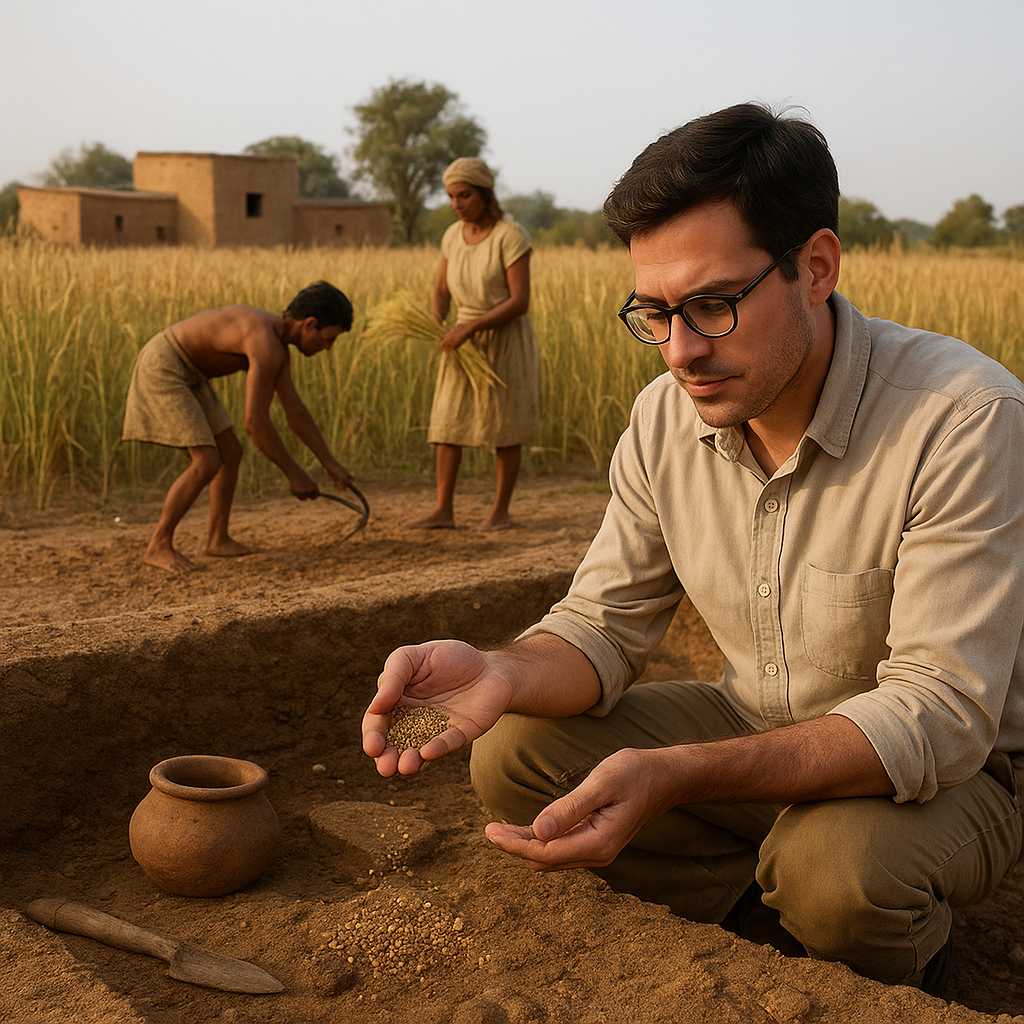
Millets in the Neolithic & Indus Valley Era
- Millets India discovers with archaeological evidence that millet is one of the earliest domesticated crops of India.
- Extraction of millet is found in Harappan sites, Neolithic levels like Hallur (Karnataka) and Harappa (Punjab).
- The historical evidence shows millet sustained in the earliest farming process due to its resilience, growing season and adaptability in semi-arid climate also.
- Sustainable agriculture and food heritage India includes diversification in millet like bajra, kodo, ragi, barnyard to make an ‘integral part of prehistoric diets’.
Mentions in Vedic, Purāṇic, and Classical Texts
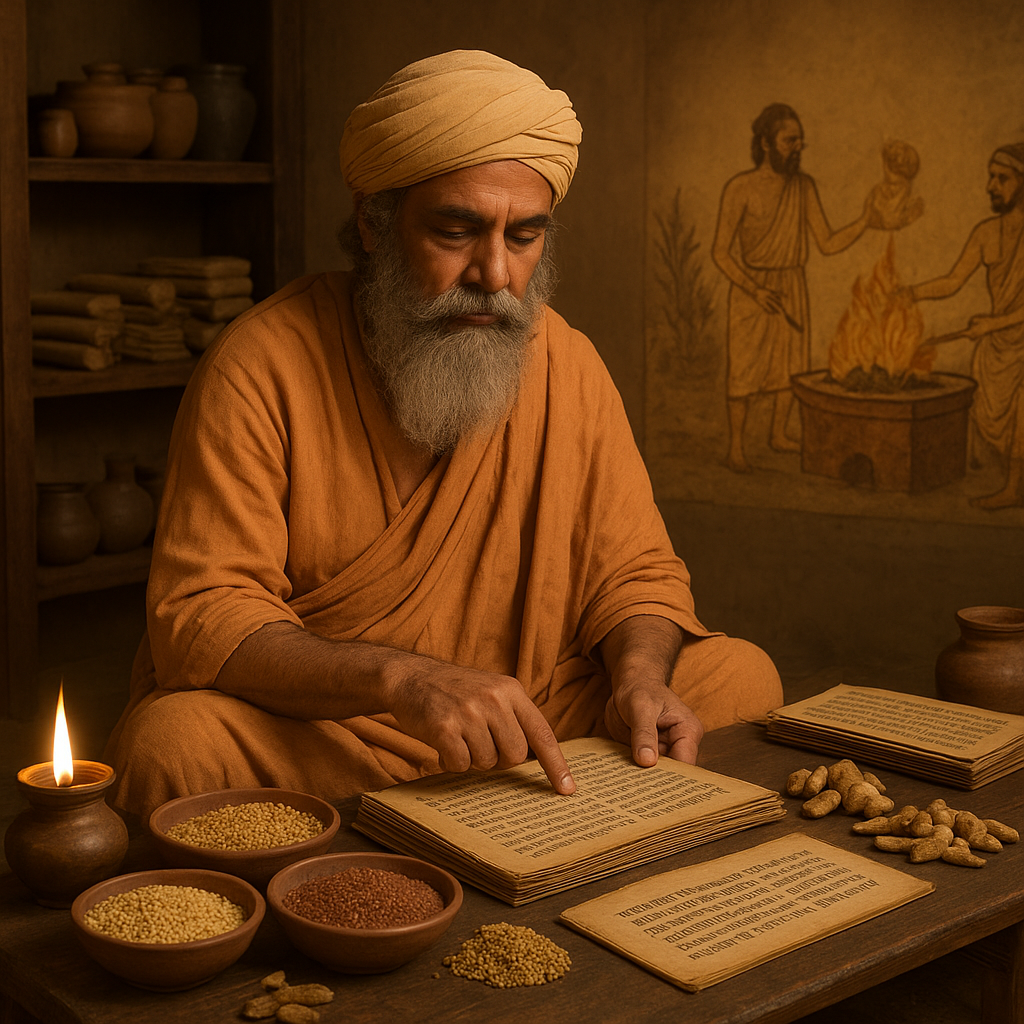
- Millets and tradition indicates, in India it has a classical text, referencing Atharvaveda and Rigveda for people’s daily rituals and diet.
- Even Ayurvedic texts with Sushruta Samhita and Charaka Samhita develop our body’s medicinal properties.
- Because, ragi strengthens body bones, kodo improves digestion, barnyards develop detoxification to add nutrient values in our bodies.
- Even Vedas, Purāṇas refers millet as the golden alternative option for making people food habit.
Regional & Colonial History
- For decades, different states of India have been using different types of millets in diversified forms as staple grains.
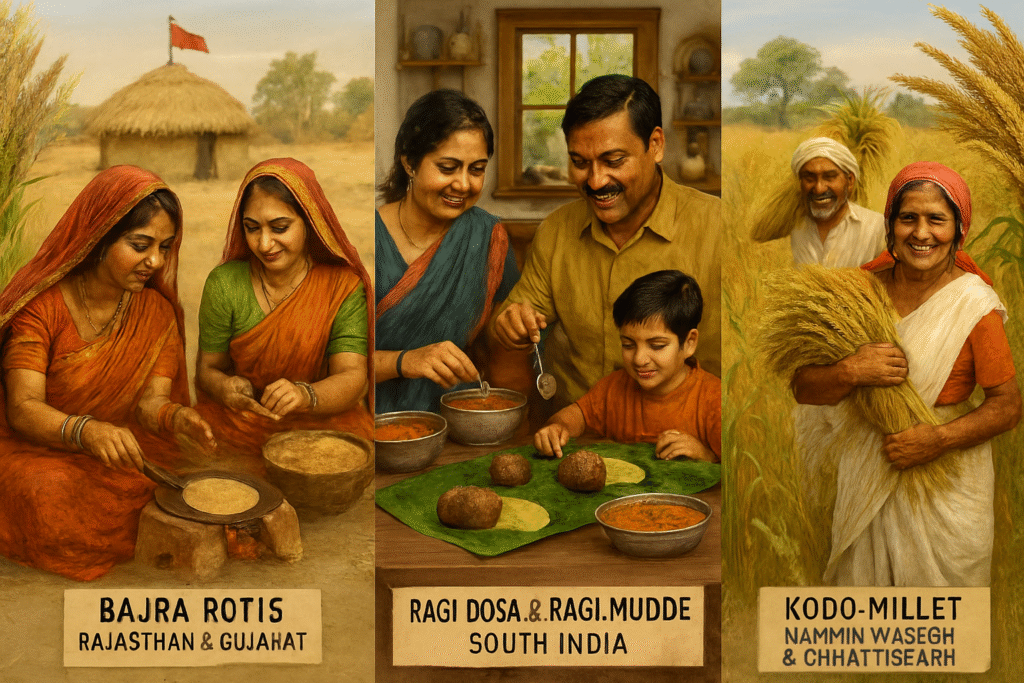
- Bajra is highly used in Rajasthan, Gujrat, ragi used in Southern India, kodo used in Madhya Pradesh, Chhattisgarh.
- But a decline developed during the colonial period and Green Revolution where people started eating rice and wheat rather than millet.
- Public distribution systems, policies marginalised millet, and the production of millet has also started limiting.
Cultural & Traditional Significance
Millets in Festivals, Rituals, & Folklore
Millet cultivation India deeply with the cultural fabric in the country.
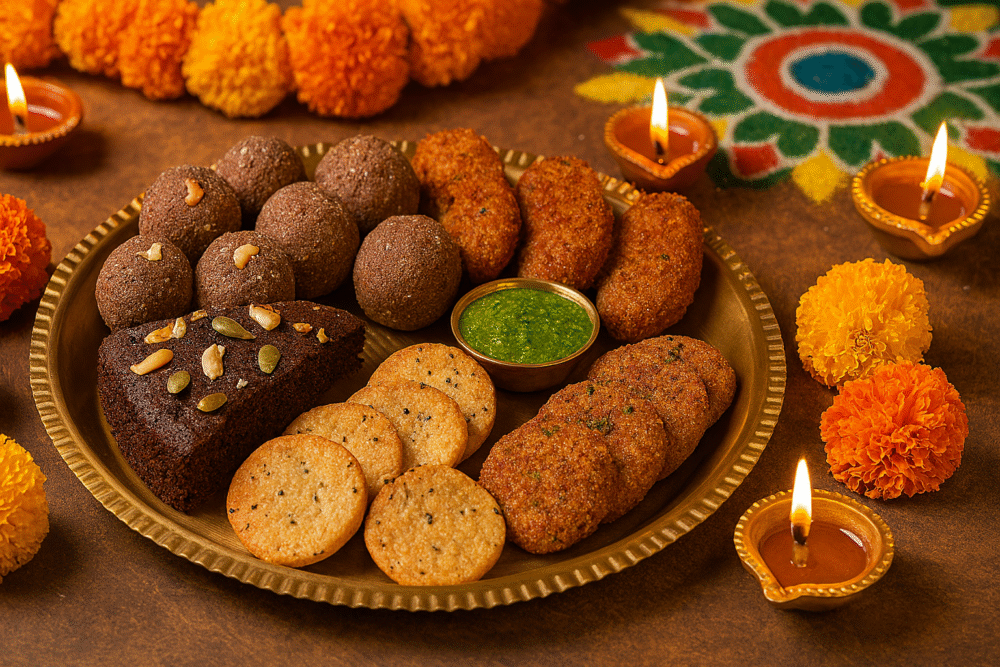
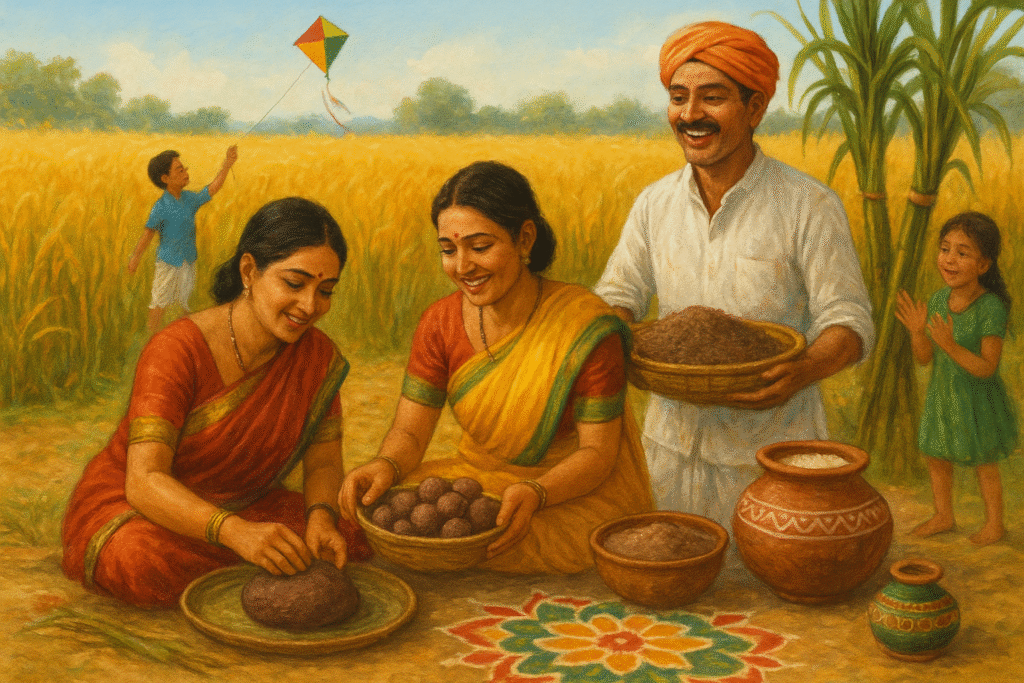
The harvest festivals of India like Sankranti, Pongal, Baisakhi, where dishes are made with selected grains and properties.
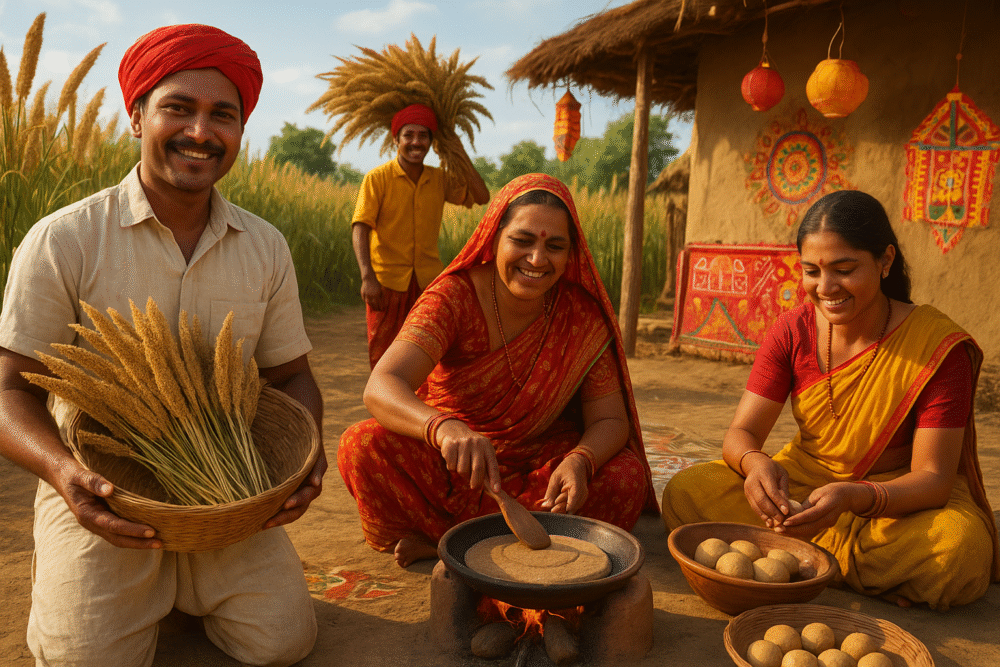
In these rituals, ancient grains like ragi balls, bajra rotis are highly made by Indian women to celebrate those festivals and folklore.
Such as the Kannada poem “Ragi thandheera” giving importance to ragi and this tradition highlights the cultural resonance and emotion in the Indian food system.
Traditional Culinary Uses & Regional Recipes
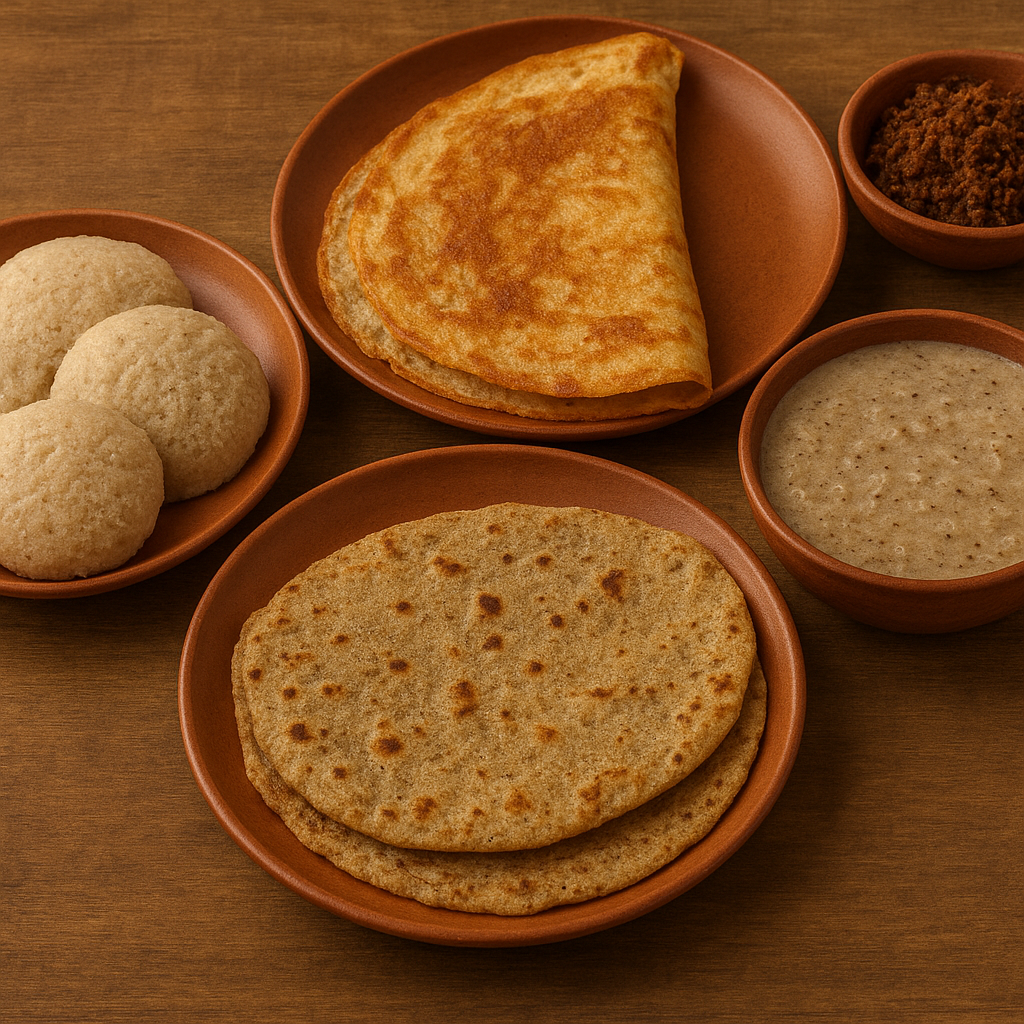
Traditional millet dishes like region-oriented cuisines are highly adaptive.
Such as in South India ragi used in idli, dosha, in Rajasthan, bajra rotis for dessert. Get healthy millet sweets recipe here!
Tribal millet culture in India shows fermented millet porridges, high in nutrition and digestion.
As millet suits all the different cooking methods, that provides a wisdom to the foods wisely.
Role in Sustenance, Food Security & Sustainable Agriculture
Beyond the cultural heritage, nutritional value of millets with food security is extremely high.
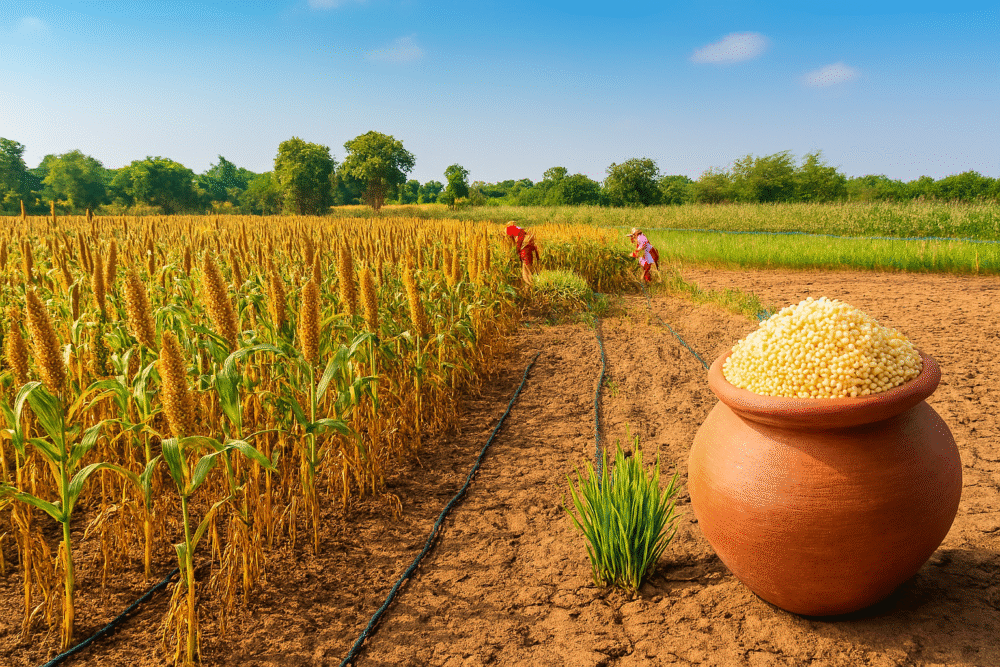
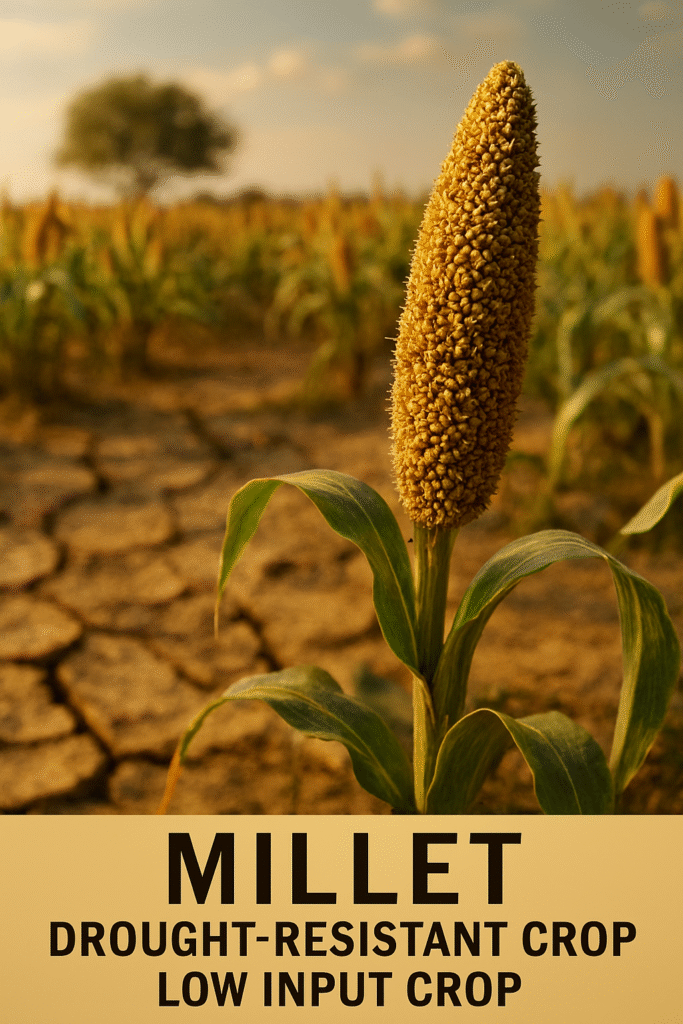
Millets as drought-resistant crops, low input crops.
Specially, to manage tribal communities and marginal farmers, millet grew in soil which is highly easy to manage.
Even in current days, low water resistant management, under the climate stress, the sustainable agriculture defining modern ecological features of millet.
Health & Nutritional Benefits
Nutritional Profile of Major Millets
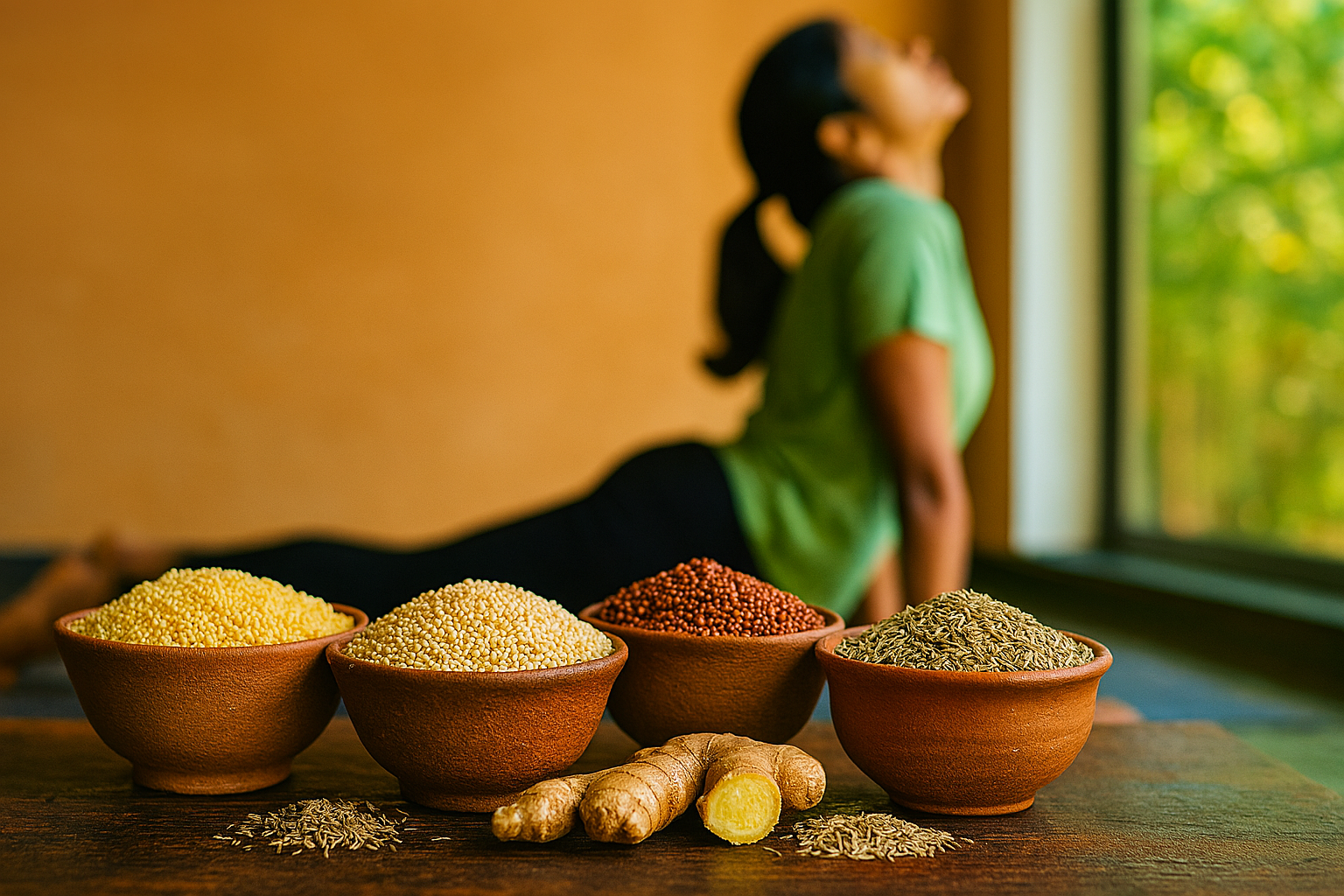
Nutri-cereals millets are the main powerhouse of all the essential nutrients that create valuable alternatives micronutrients.
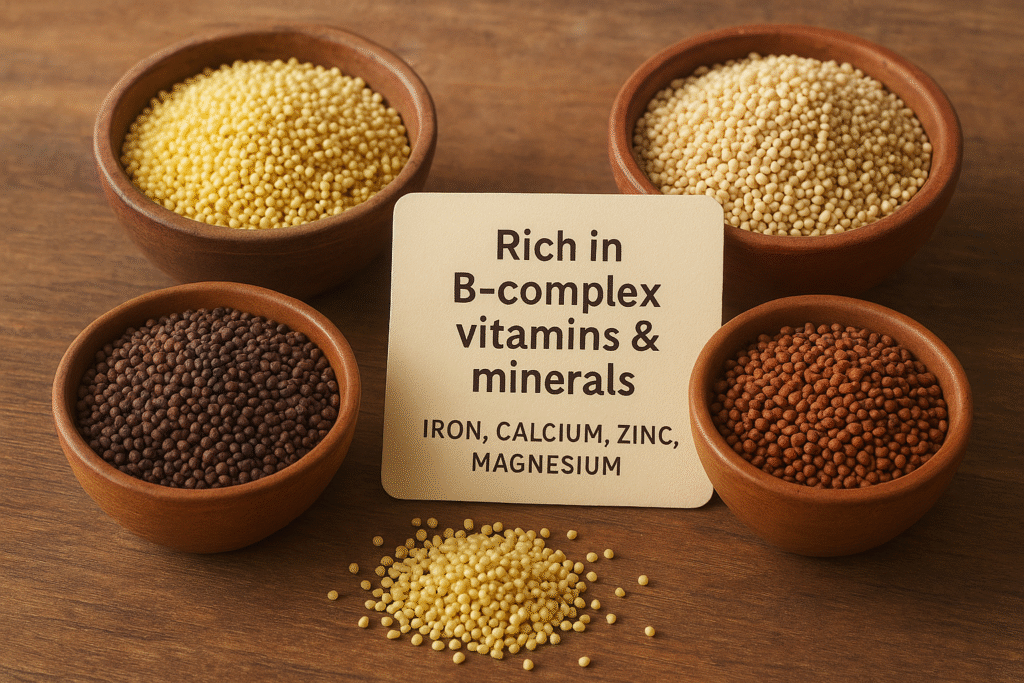
It has dietary fiber and rich ancient grains managing key credibility to regulate digestion and contains vital B-complex vitamins to support metabolism in your body.
Even minerals (iron, calcium, zinc, magnesium) boost immunity levels and unlike rice, millets serve low GI in foods.
And the natural gluten-free grains of millet prevent from blood sugar and strengthen your bone muscle too.
Disease Prevention & Therapeutic Effects
Millets vs lifestyle diseases highlights the bioactive compounds of millets for people to overcome every disease base challenge. The core nutritional value of millets serves metabolic balance, overrating structure, and strengthening the gut microbiota management in your body.
Even controlling modern lifestyle-based heart disease risks, with reducing obesity and digestive issues equally. Millet’s role in Vedic texts highlighted those anti-inflammatory compounds in millets provide better cancer prevention and natural cellular mechanisms in your body to manage survival.
Millet for Malnutrition, Immunity & Special Diets
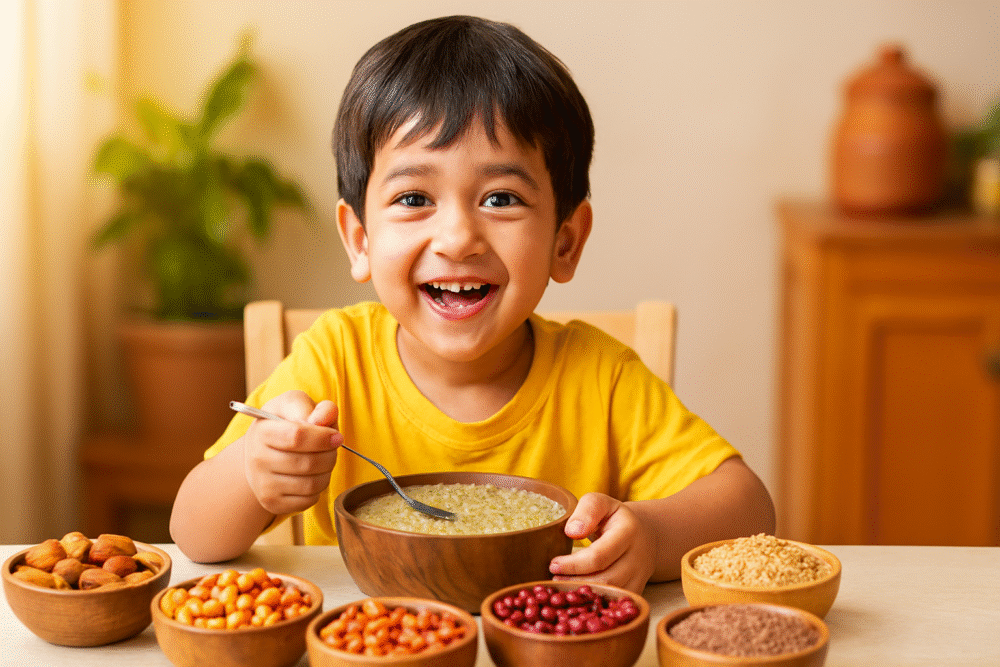
Millets as micronutrients develop a combination of iron and fiber rich processes. Such ragi reduces anemia, especially in children and women. It also serves to tackle undernourishment among children with child nutrition programs in their bodies by boosting high immunity support structures. Even in dietary restrictions, millets provide versatile grain, gluten intolerance in many dishes made by millet.
Why Have Millets Been Ignored? Key Barriers
Shift in Agricultural & Policy Priorities
The Green Revolution changed Indian agriculture, and cost traditional grains in the country differently. Barriers to millet consumption India have become challenging after the green revolution, when high adaption of rice and wheat has started developing. Procurement policies, irrigation facilities, subsidies made challenges that intend climate resilient, infrastructure development in millet firms leading Millets ignored in India.
Consumer Awareness, Taste & Perception Issues
Uncertain changes in food habits and urbanization reduced the percentages of millet consumption. Even surveys reveal that health benefits of millets , millets and tradition have become unaware by many people. The thought is, millets are “poor man’s food” or “difficult to cook”, and the taste and convenience barriers of millets affect consumers’ perception about the food source.
Value Chain & Market Limitations
After the Green Revolution, how millets were used in ancient India and why millets are healthier than rice/wheat have become one of the major doubts for all Indians.
Challenges with distribution system, storage, processing, limited availability, absence of branding and awareness limit the ready option of millets to people.
Specially, increasing ready-to-eat millet options in the market also slowed customers’ adaptation similarly.
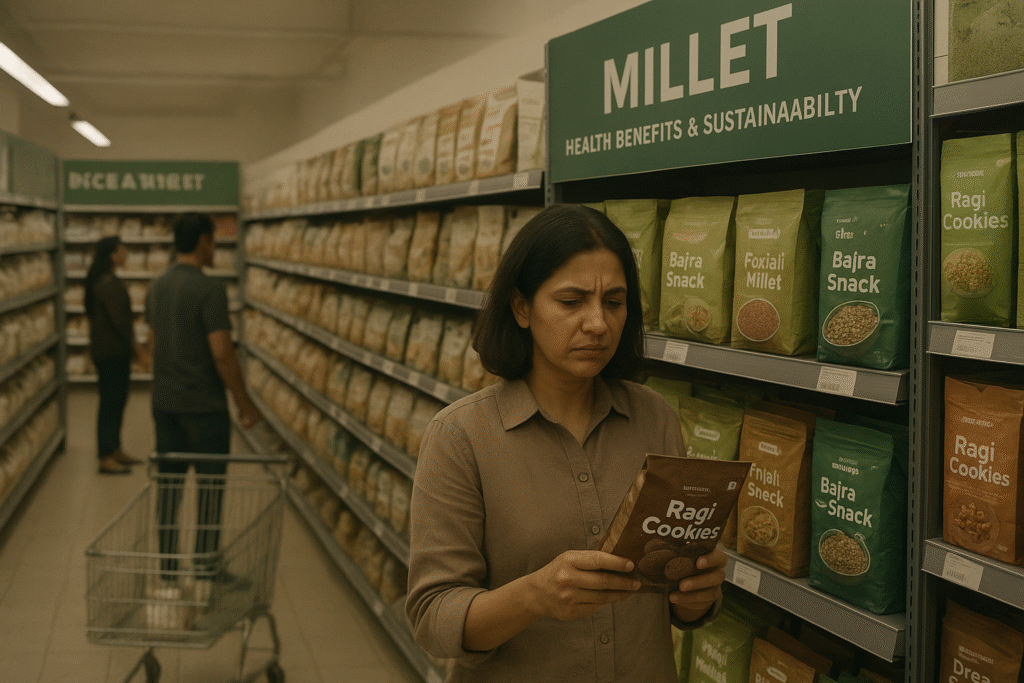
Steps to Revive Millets: What Needs to Be Done
Policy & Government Initiatives
Reintroducing millets through ‘International Year of Millets (2023)’, state level millet missions in Odisha, Karnataka, renewed attention from ‘Indian Institute of Millets Research (IIMR)’ have also gained. Expanding crops insurance, fundings towards sustainable growth have also been estimated as re-structured in an effective way.
Enhancing Consumer Awareness & Education
Millets India shows initiation in campaigns to shift consumers’ perceptions. Community programs and nutrient education in schools, public campaigns. Simple millet recipes , easy cooking methods have also been introduced to the customers in terms of education to enter urban kitchens.
Innovation & Food Industry Involvement
Millets as nutri-cereals , millet-based snacks, and energy bars changed the structure of current food taking structures. Branding as ancient grains (LSI), drought-resistant crops, gluten-free grains and introducing traditional millet dishes by highlighting Health benefits of millets also aligned the process with global trends. Collaboration with restaurants, food delivery platforms for the mainstream functions have also been initiated by the government.
Conclusion
Millets India showcased a deep cultural and historical root of the food source in Indian culture with strong health benefits and people wellness. The immense health benefits of the source have been restructured with new policies, market systems and changing preferences of the customers like you.
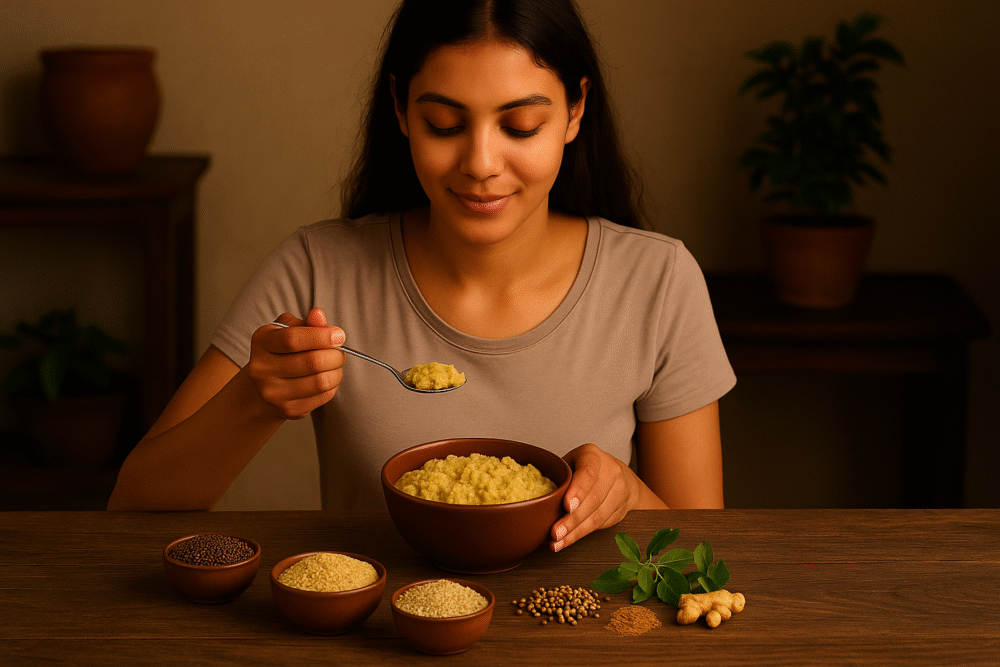
Now, to secure your gut health and future healthy substants, start your daily meals by replacing them with millet foods. Follow my new and innovative millet recipes to get more understanding of how you would make successful millet based food habits for your health.
In moral I can tell you, millets in India are not just the sources of food, it is the heritage, culture and strong alternatives of the modern issues. So, start your day with millet recipes now and let me know how you feel with the traditional change in current days.