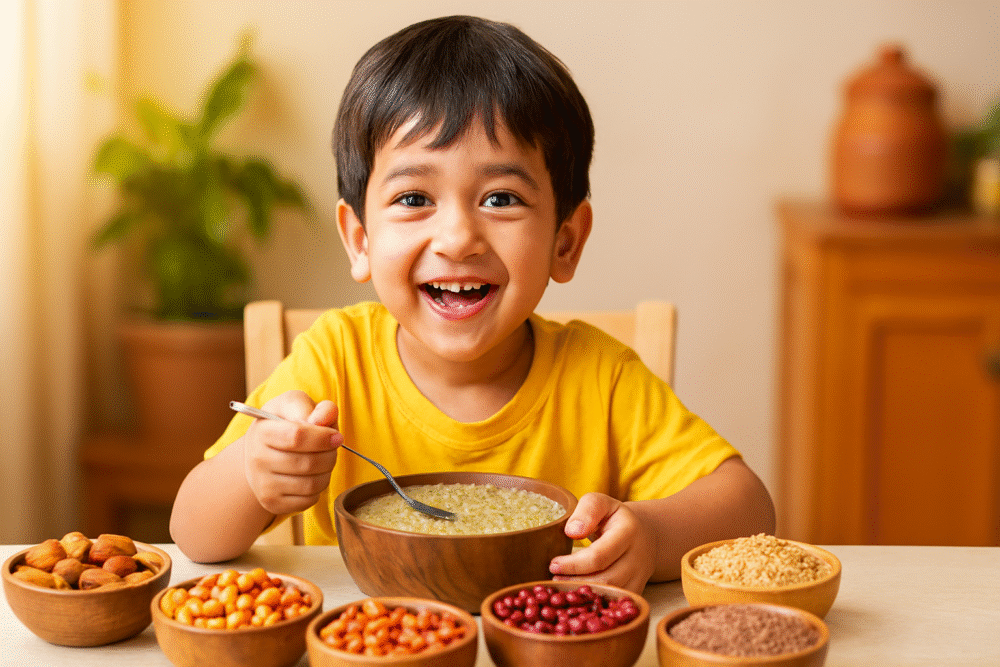
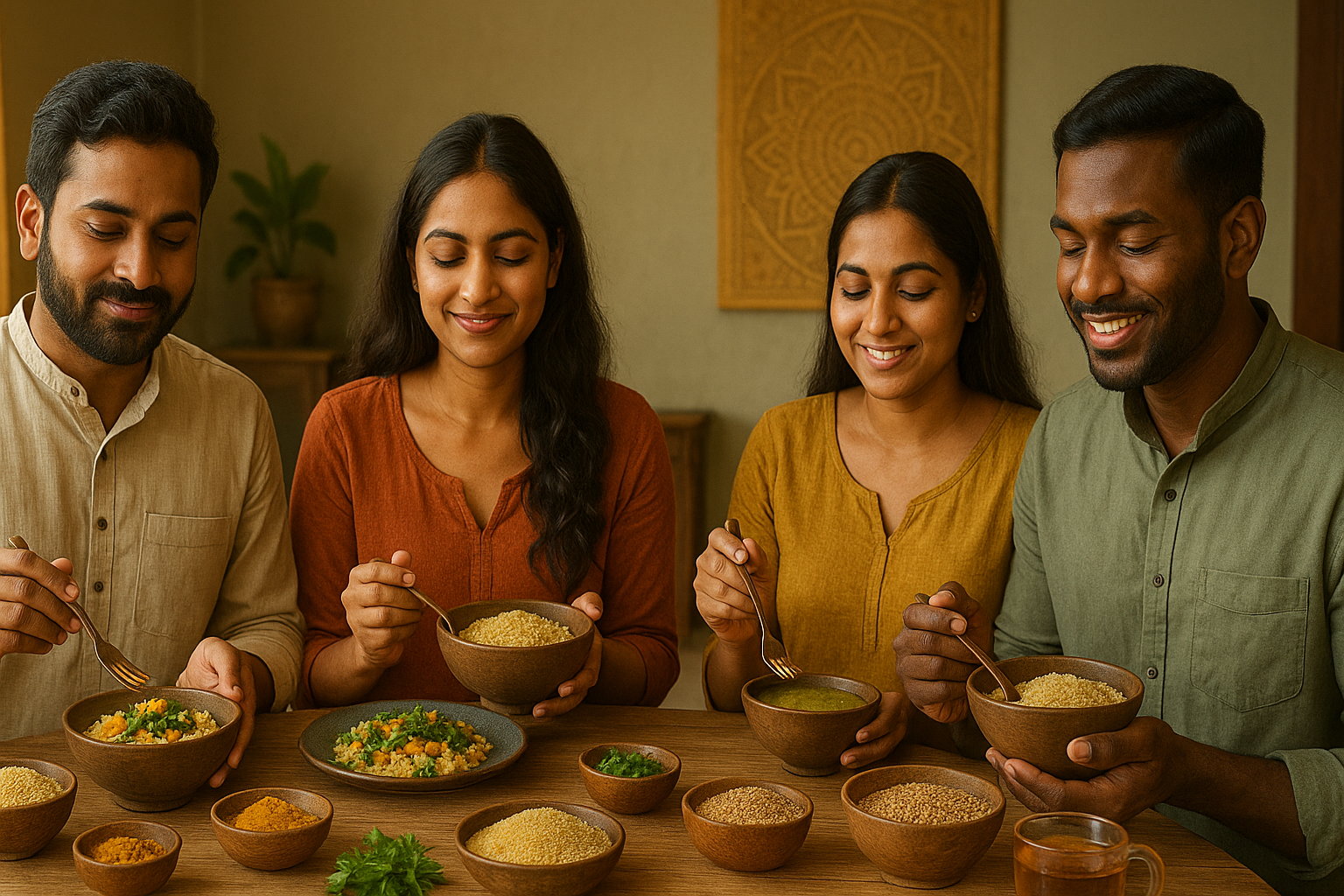
🥗✨ “Millets aren’t just grains, they’re a lifestyle upgrade — delicious, nutritious, and oh-so-easy to cook!”
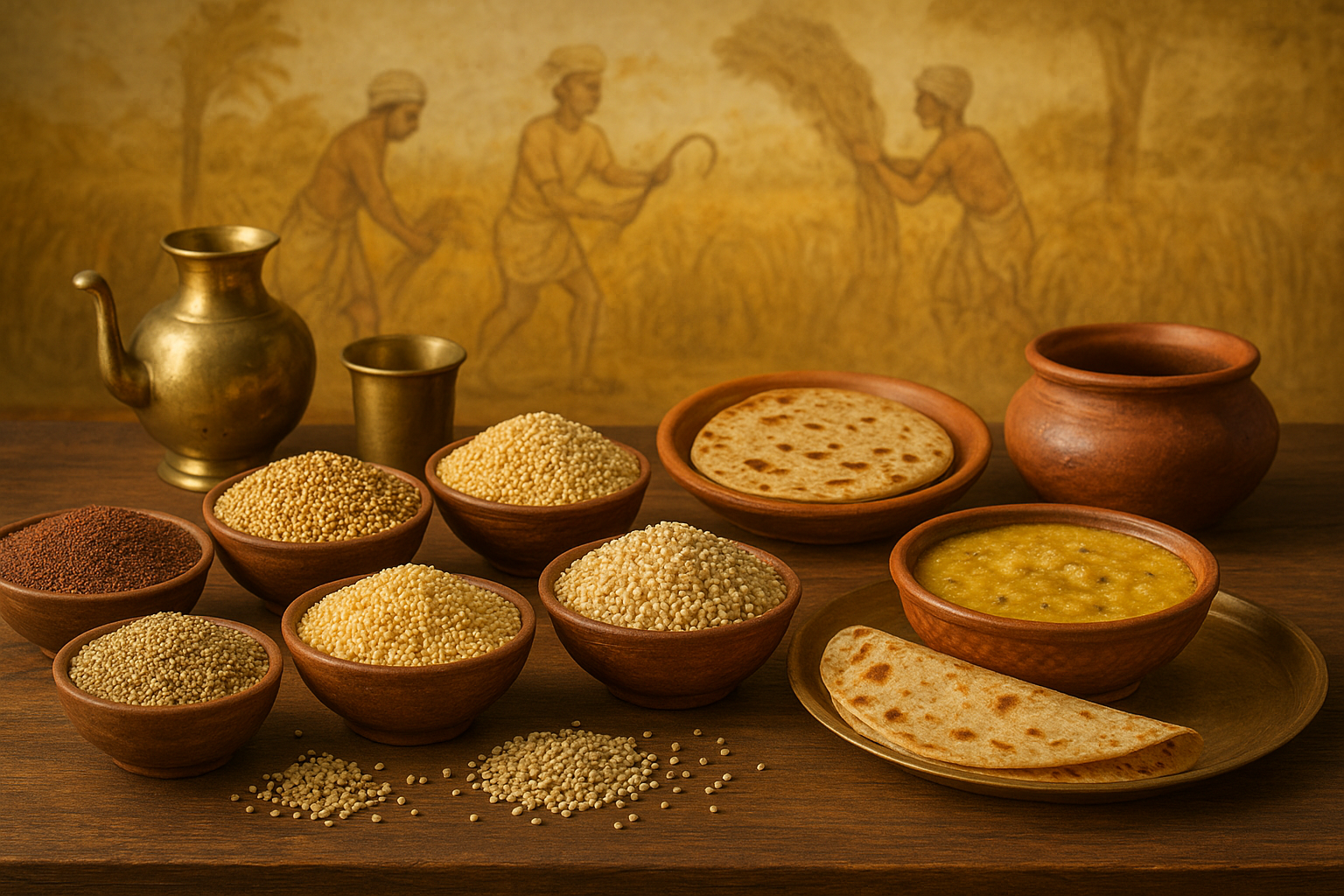
Over the recent years millets have been gaining popularity as a diet choice of modern people. The main reason to include millets in diet is the continuous growing demand for natural and healthy products. Gluten-free millets with its nutrient value, delivers fibers, proteins, minerals and a lower glycemic effect than processed staples makes it accepted in healthy diet.
But nothing ever is to change from rice or wheat to millets. It is difficult for most people to get used to the new taste, different cooking methods and the difficulty of incorporating it into their daily diet. Here, tips to include millets in diet and millet meal planning for modern millet diet are provided for better food habits.
2. Why Choose Millets? Health & Nutritional Advantages
Health Benefits of Millets: Nutrition & Well-Being
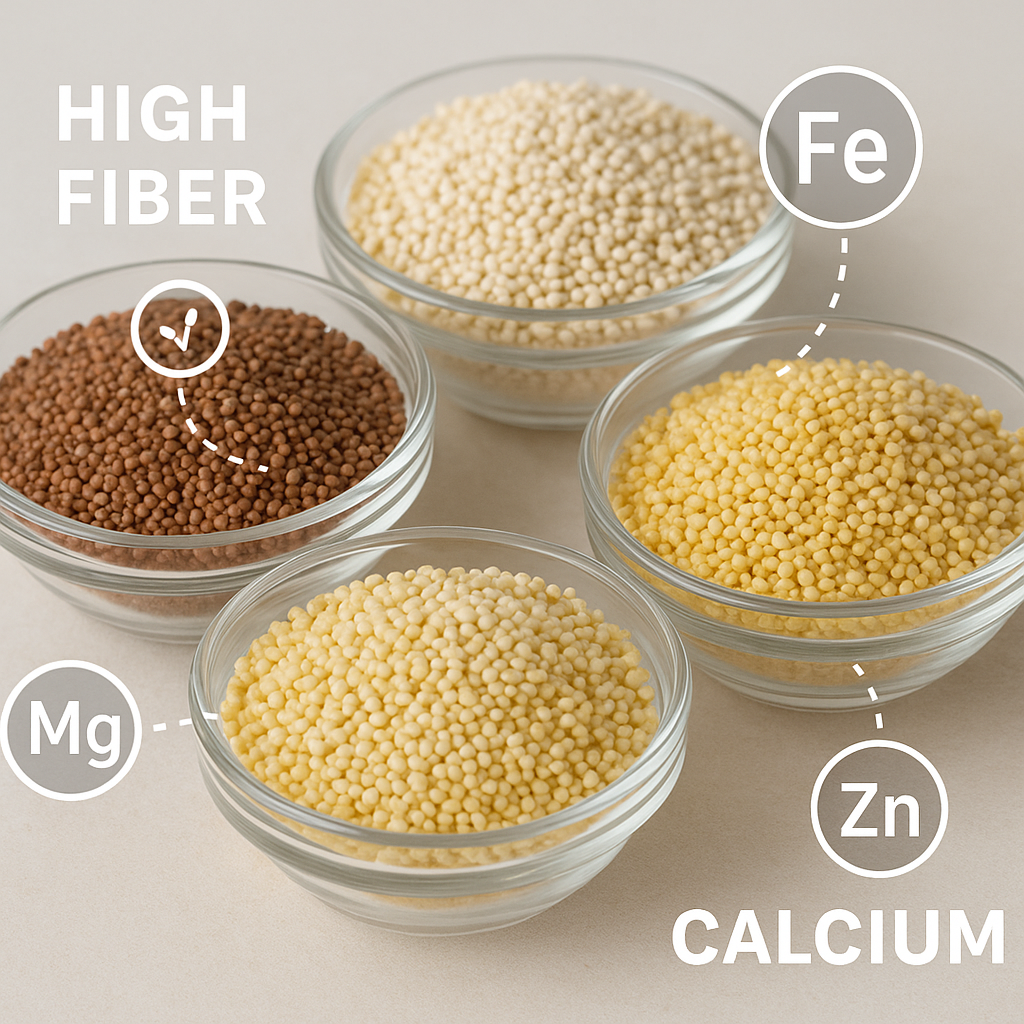
Millets clearly have several advantages over refined cereals in terms of quality of fiber, mineral density, glycemic index, and gluten intolerance. Since millets are whole-grain, they are therefore much richer in most of the fiber and also the minerals that they have naturally like iron, magnesium, calcium, and zinc. Being low on glycemic index, millets make blood sugar level go up slowly helping keep blood sugar spikes and crashes under control.
They are gluten-free by nature and thus are safe for people who have celiac disease or gluten intolerance.
From a digestion point of view, the higher fiber content delays gastric emptying and ensures that bowel movements are regular and also that the gut microbiome is healthy.
The gradual release of sugars maintains blood sugar levels more stable over time and this reduces the load on insulin and thus diabetes type 2 is prevented or controlled.
In addition, because of fiber and complex carbohydrates, when you are kept full for a longer time.
The feeling of satiety is more pronounced and thus people eat less frequently or snack less than if they had eaten simple grains.
3. Modern Millet Meal Planning: Weekly Templates & Tips
Millet Meal Planning: Modern Weekly Templates & Easy Tips
Designing a diet incorporating millets, planning how to include and balance them in breakfast, lunch, dinner, and snacks is needed. A good idea is to start with numerous gradual replacements instead of trying to change everything in one go. Breakfast, for example, could be accompanied by foxtail millet upma or ragi pancakes, while lunch can consist of small millet pulao to replace milled rice.
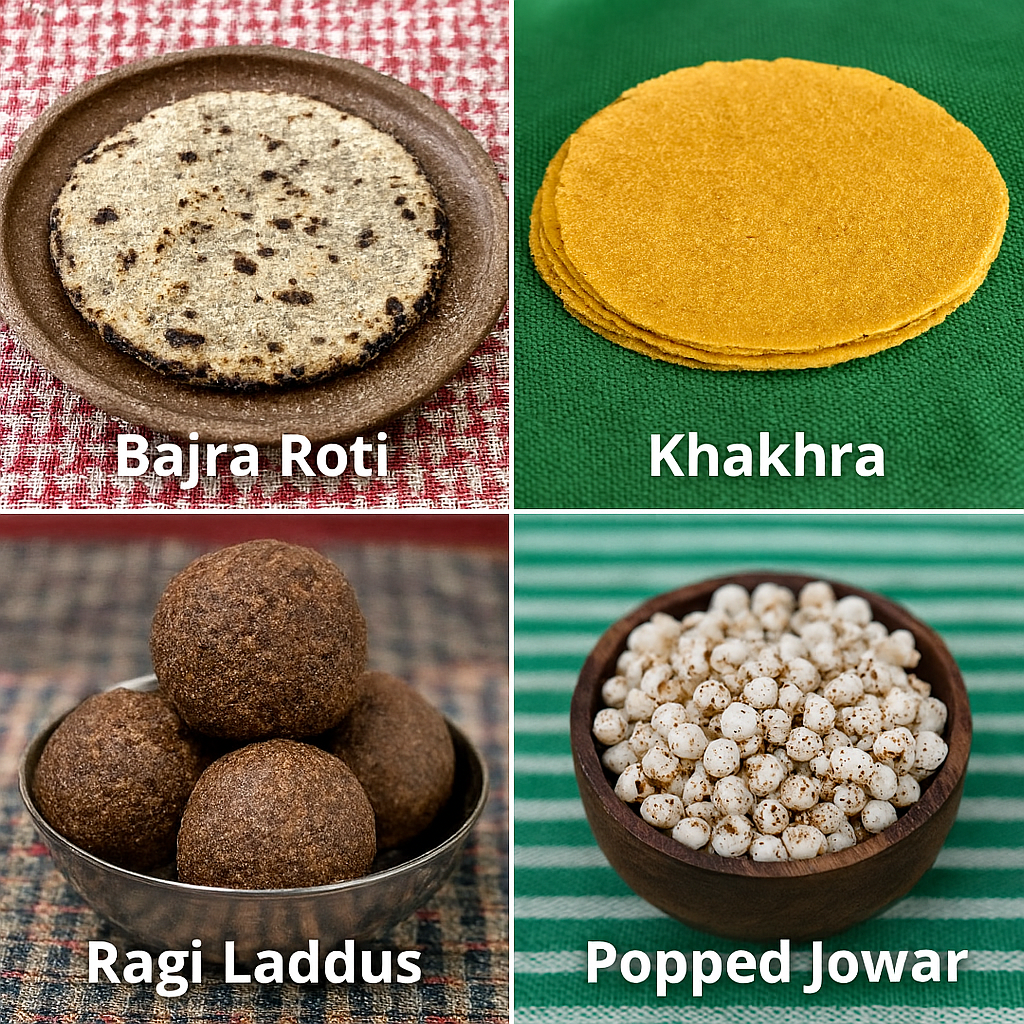
For dinner, there can be bajra roti or jowar bhakri along with proteins and vegetables.
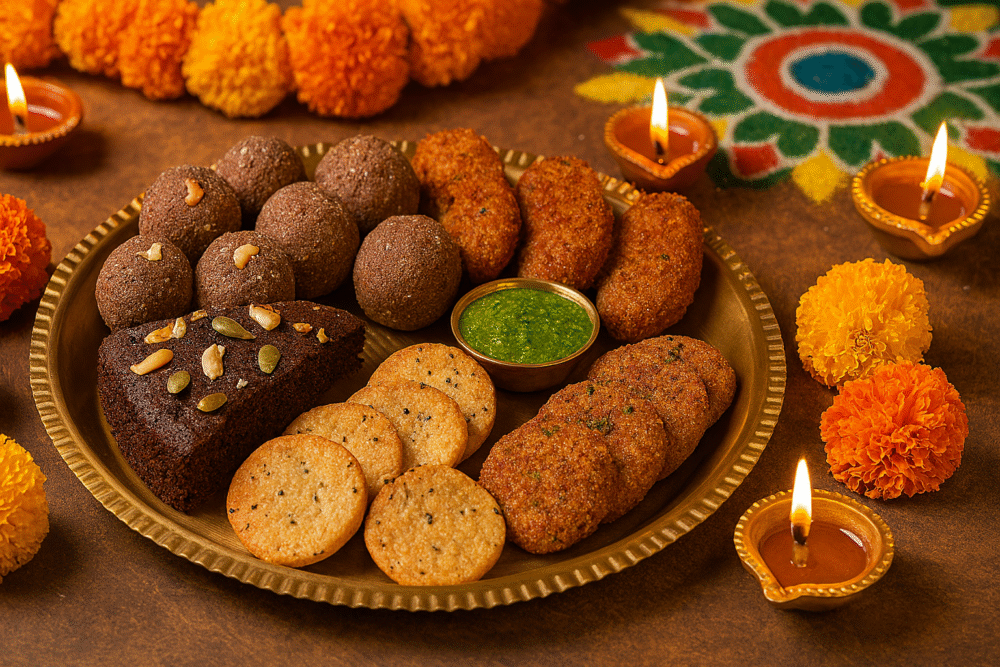
Snacks are another area where there is a potential, which can be millet khakra, ragi laddoo, or popped jowar as healthy snacks.
A weekly menu can be such that it alternates between rice and wheat on some days and millets on others which would not be difficult to follow.
Using different millets provides flavor variation and a large supply of nutrients, as every type offers different health benefits.
Such a systematic yet flexible method allows families to take millets without making their daily meals boring.
4. Easy Millet Recipes for Everyday Use
Easy & Healthy Millet Recipes You Can Try Today
Below are a few healthy millet recipes India and easy millet recipes for beginners. Enjoy recipes knowing its positive impact on your body!
Breakfast Ideas
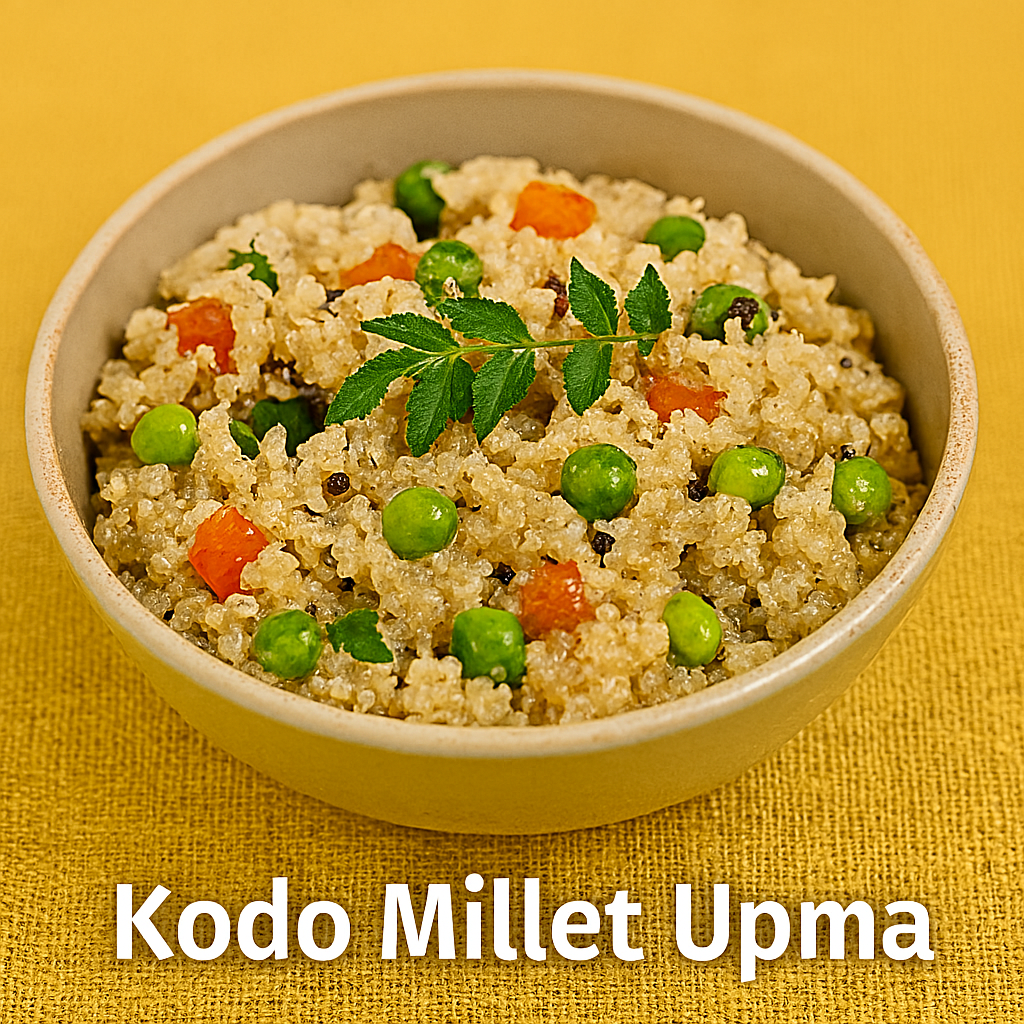
Kodo Millet Upma
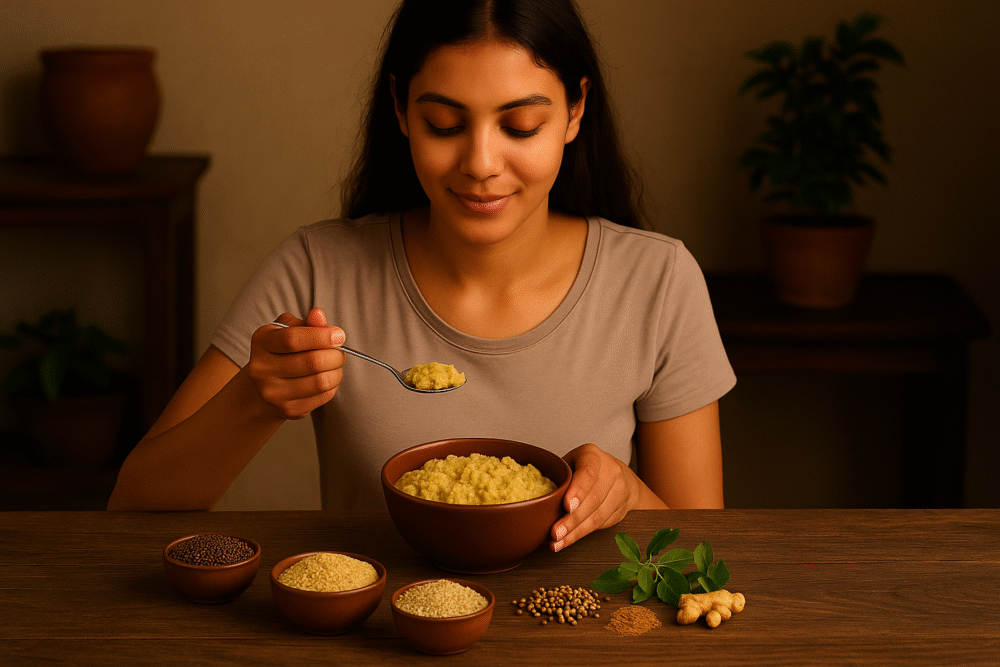
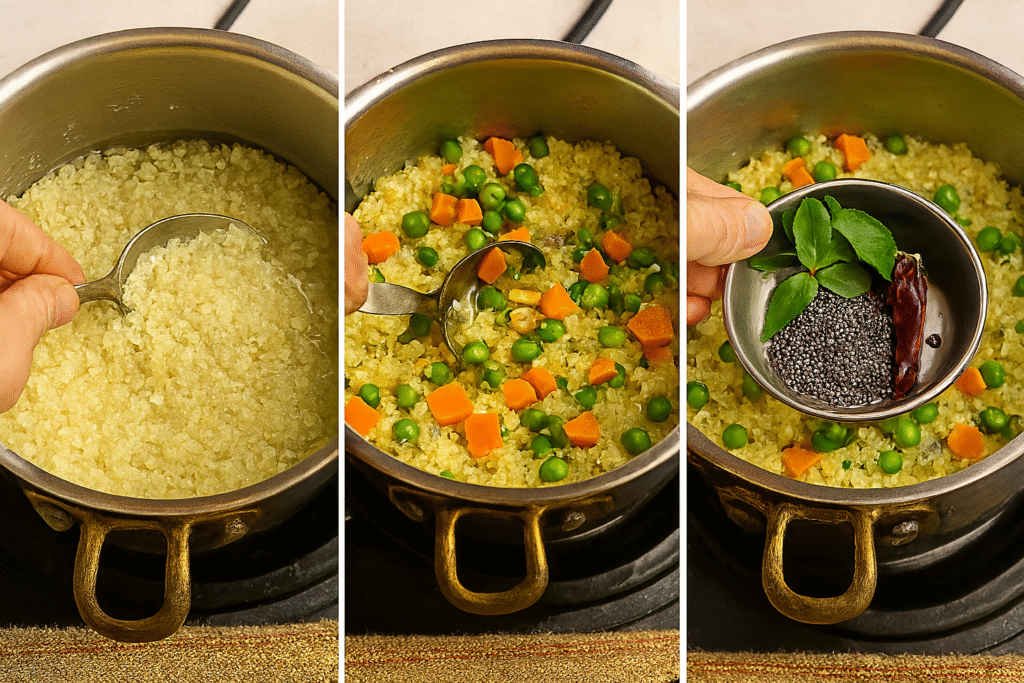
- For millet breakfast ideas, rinse and soak the millet for 30 minutes. Roast mustard seeds, curry leaves, onions, ginger, chilli and mixed vegetables in a pan. Add millet, water, turmeric and salt and cook until they become soft. Eat with peanuts and coriander on top.
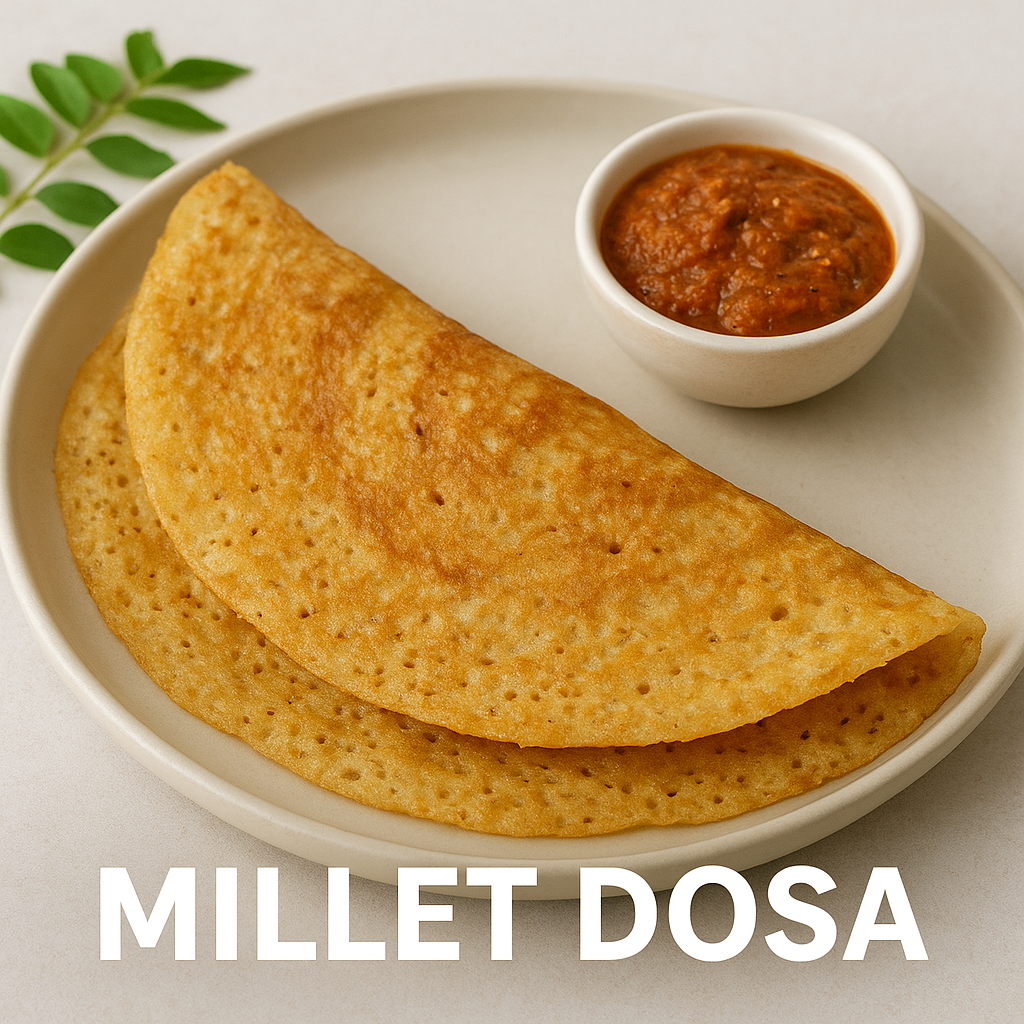
Millet Dosa
- Soak millet, urad dal and fenugreek and grind into a fine batter and ferment overnight. In a hot pan, cook it like a crepe. Serve with chutney or sambar.
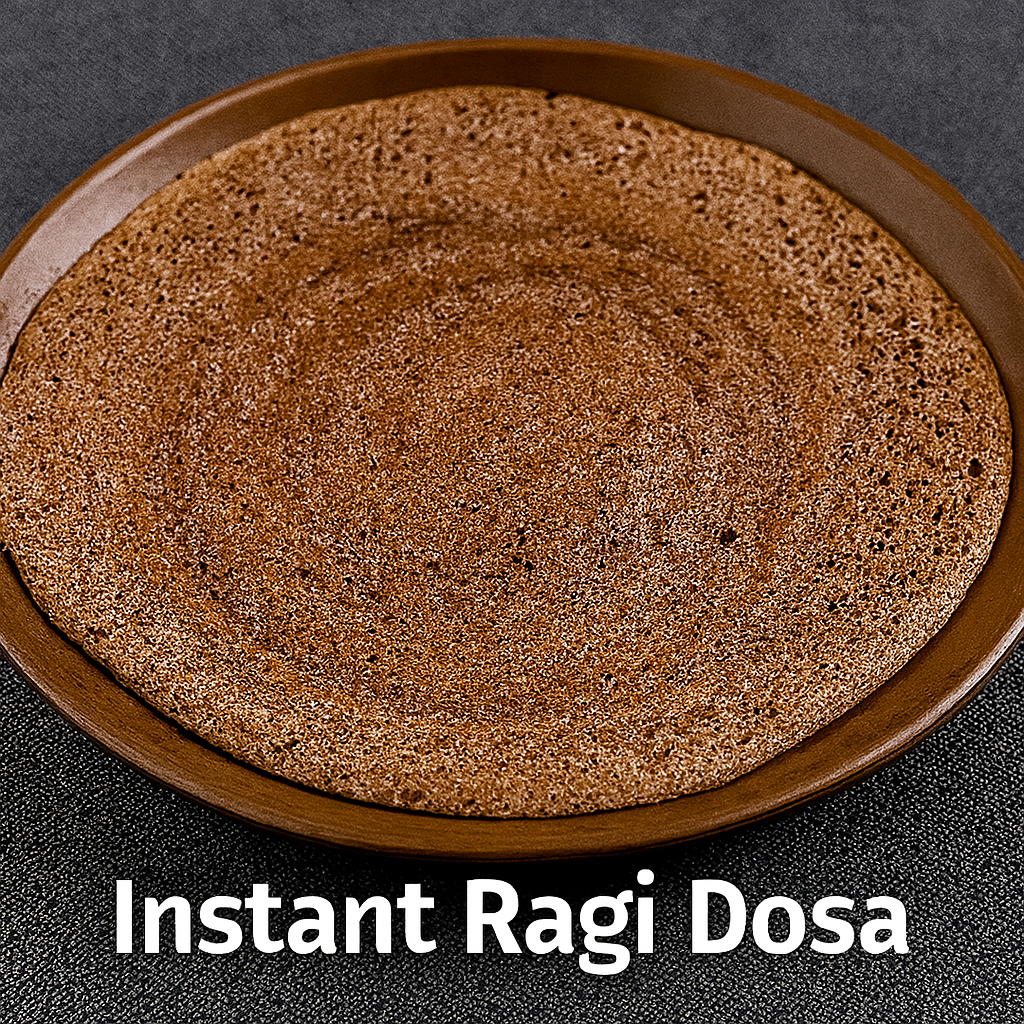
Instant Ragi Dosa
- Another one of millet breakfast ideas requires combining ragi flour and rice flour, broken curd, spices and salt. Make the batter thin and cook it until it gets crispy on the edges. It takes less time to prepare making it one of the best millet recipes for busy weekdays.
Lunch / Dinner Options
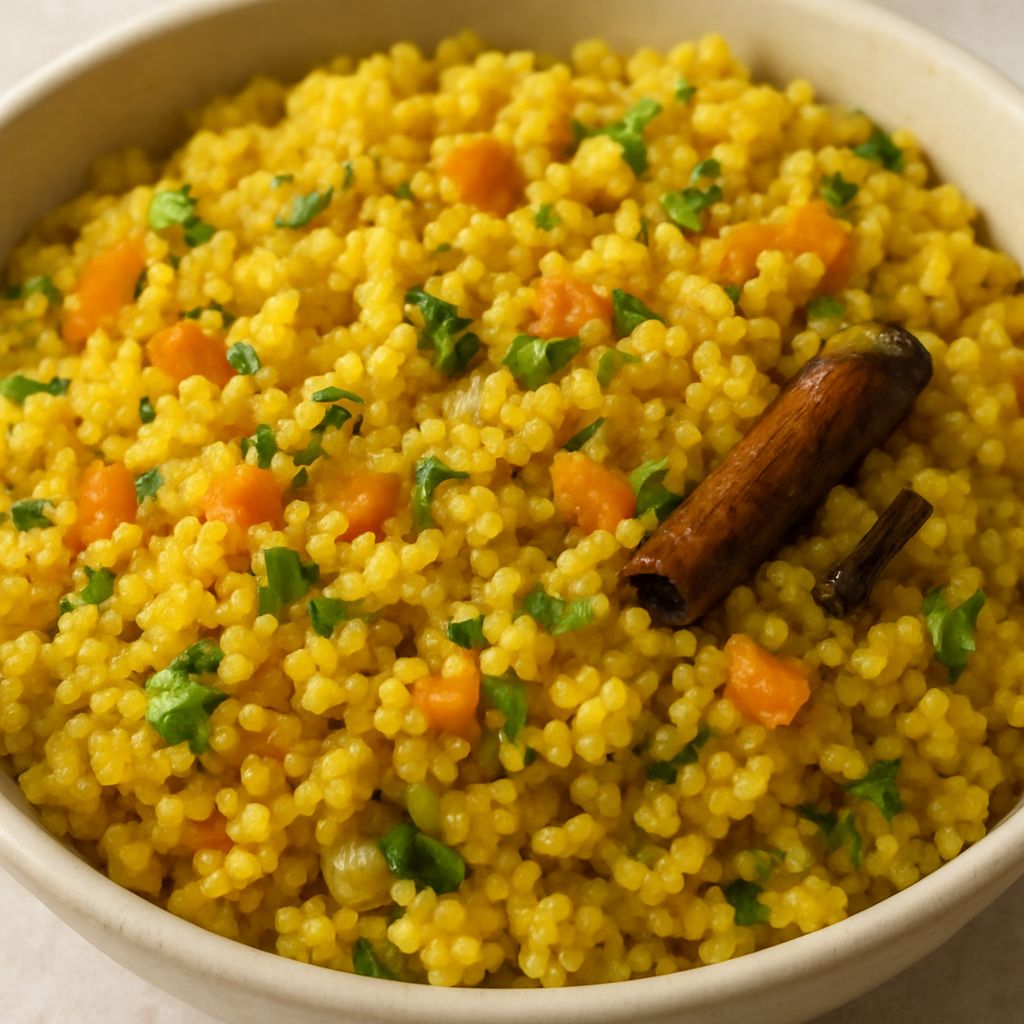
Millet Pulao
Prepare millet with vegetables, mild spices and a protein such as chickpeas or paneer. Season for taste with stock or water.
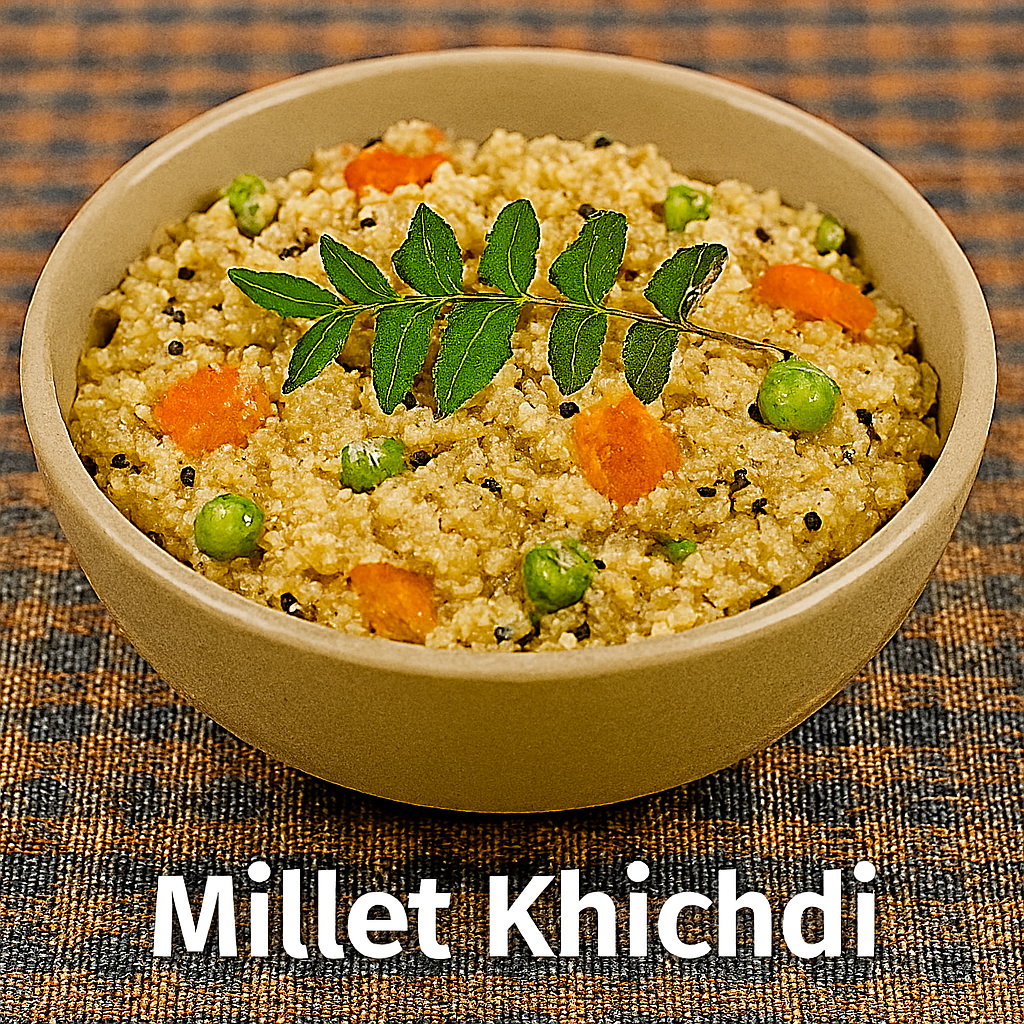
Millet Khichdi
Millet Salad
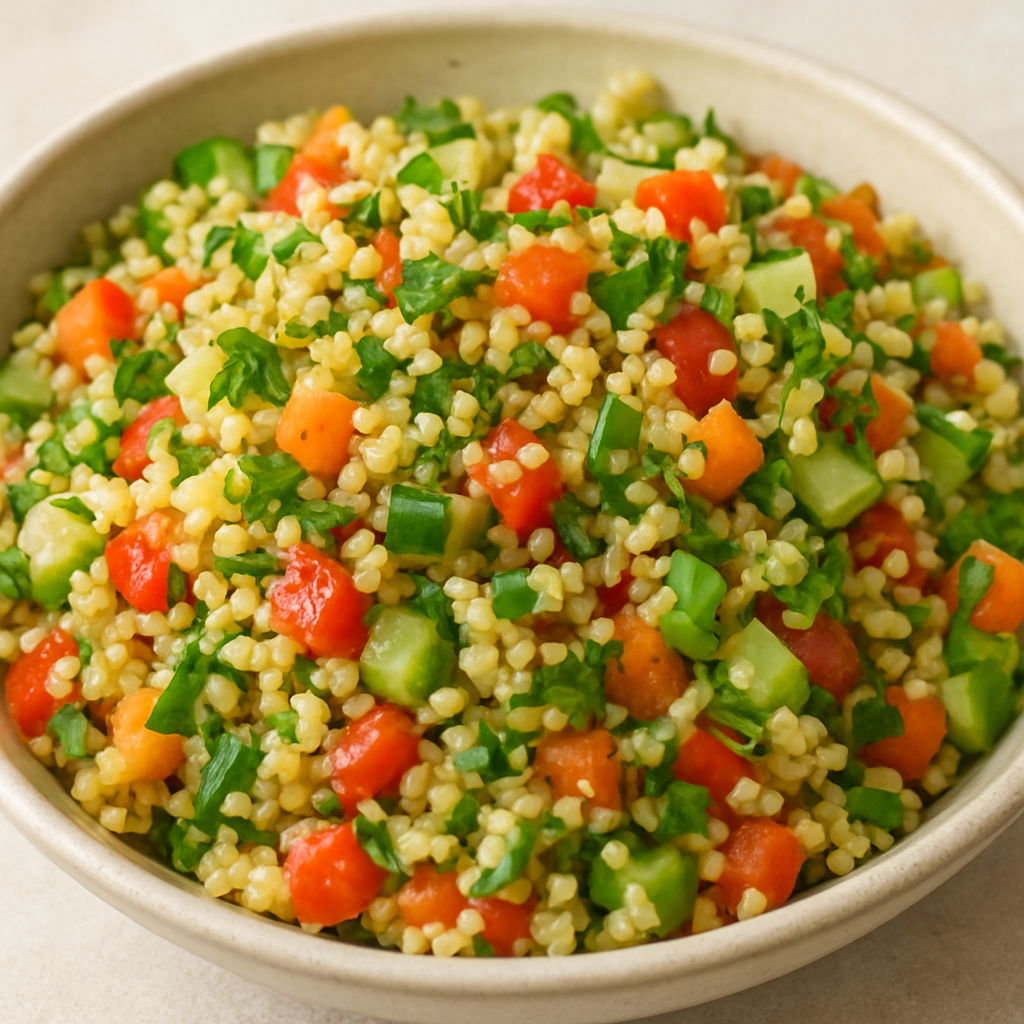
Combine cooked and chilled millet with diced vegetables, herbs, lemon juice, and toasted seeds.
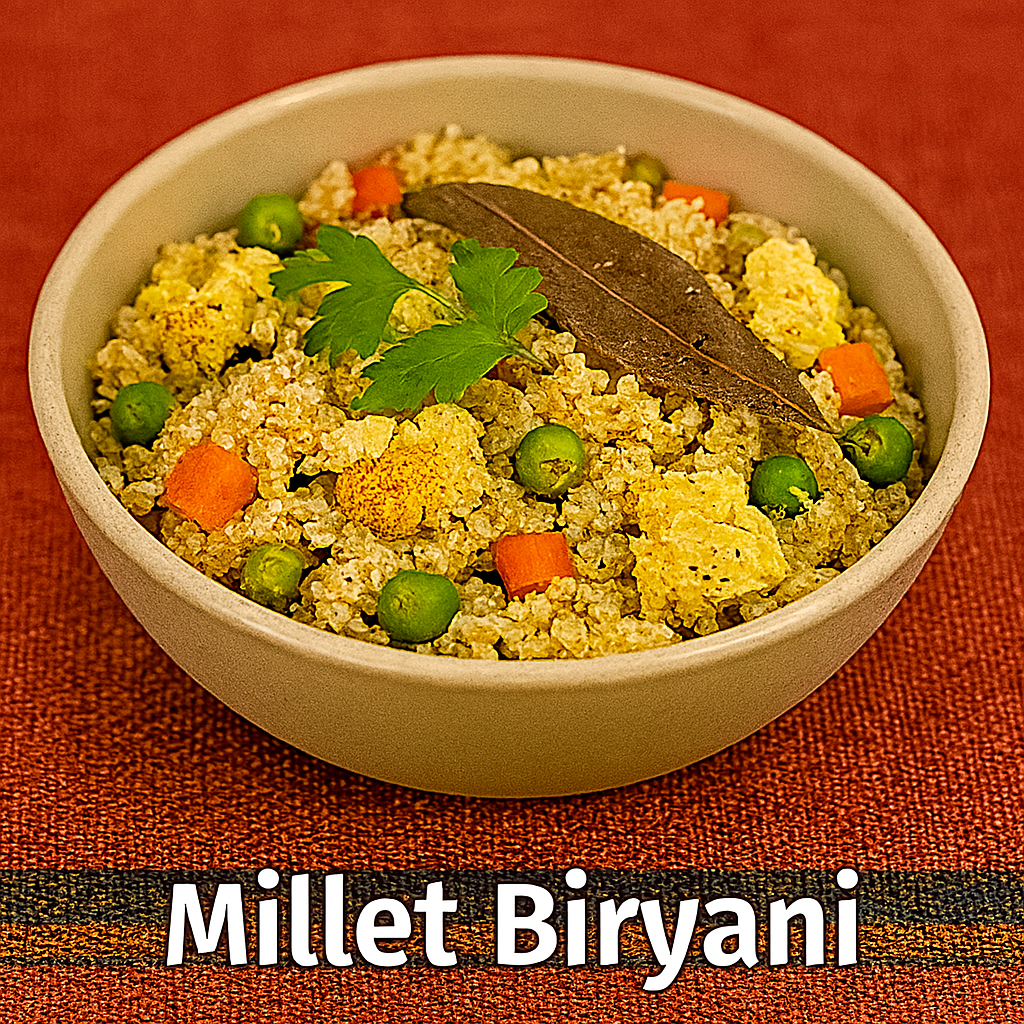
Millet Biryani: Stack millet along with fried onions, tomatoes, spices and vegetables and then do the gentle steaming.
Snacks & Sweets
Millet Cakes: You can make these cakes on a griddle or oven by using millet flour and sweetening with honey or jaggery, and adding fruits or nuts.
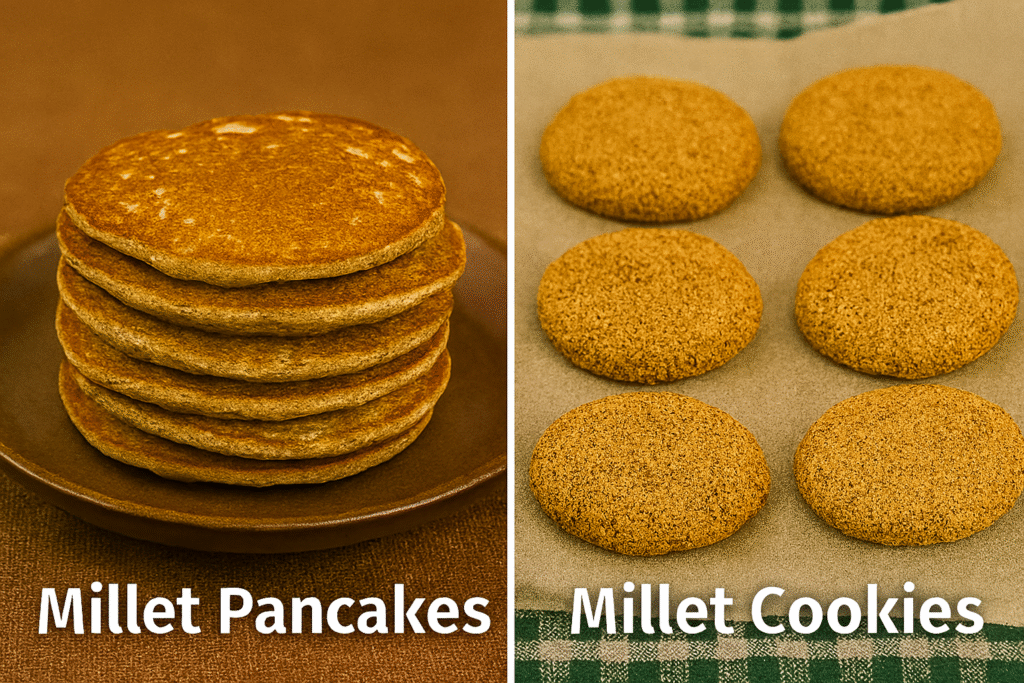
Millet Cookies: You can make healthy cookies from millet flour, good fats and dry fruits which can be consumed as a healthy snack.
Savory or Sweet Millet Pancakes: You can prepare a batter with millets and flavor it with sweetener or spice, and then cook it as pancakes.
5. Daily Tips to Make Millets a Habit
Daily Tips & Lifestyle Hacks to Include Millets Easily
Slow and practical steps can make it easier to introduce millets into regular lives. The easiest method of starting is to turn one rice or wheat meal off a day and have a millet meal instead, so that taste buds and digestions get accustomed to it without any problems. Millet for weight management can be an effective choice and hence it needs to be incorporated into daily diet.
Batch cooking would also be helpful as having cooked millet in the fridge would make it a quick meal without the need for the extra work on a busy day. Blend consumption of millet with wheat or other cereals to maintain familiar textures while consuming more millet gradually. Another good method is to incorporate millets into foods that people already like, such as poha, khichdi or pulao so that the change appears to be natural and not forced.
Spices, herbs, and seasonings have a very important role in the increase of flavor and in the acceptability, thus making millets an easy choice for all members of the family of all ages. It is easy and enjoyable to have millets in your daily meals by using these methods.
6. Meal Plan Example
Sample 7-Day Millet Meal Plan for Busy Lives
A week-long menu centered on different millets not only brings in the variety and gets rid of the monotony but also mealtime is simplified for busy lives. Day 1 begins with morning ragi dosa, little millet pulao for lunch, roasted jowar puffs for snack and bajra roti and vegetables for dinner.
Day 2 can consist of foxtail millet porridge, kodo millet salad, millet khakra and jowar upma. On the third day, barnyard millet idli, millet khichdi for lunch, ragi laddoo as snack and foxtail millet biryani for dinner can be paired.
Day 4 may be jowar pancakes, bajra roti with dal, popped millet trail mix and kodo millet pulao.
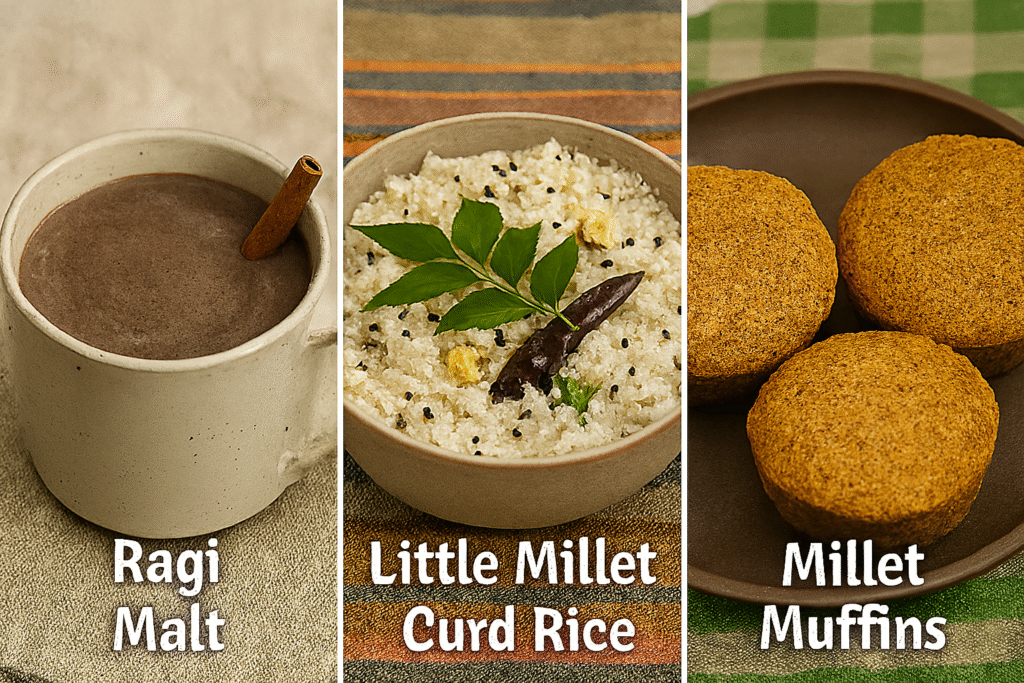
Ragi malt, little millet curd rice, millet cookies and barnyard millet vegetable curry would make a delicious day 5.
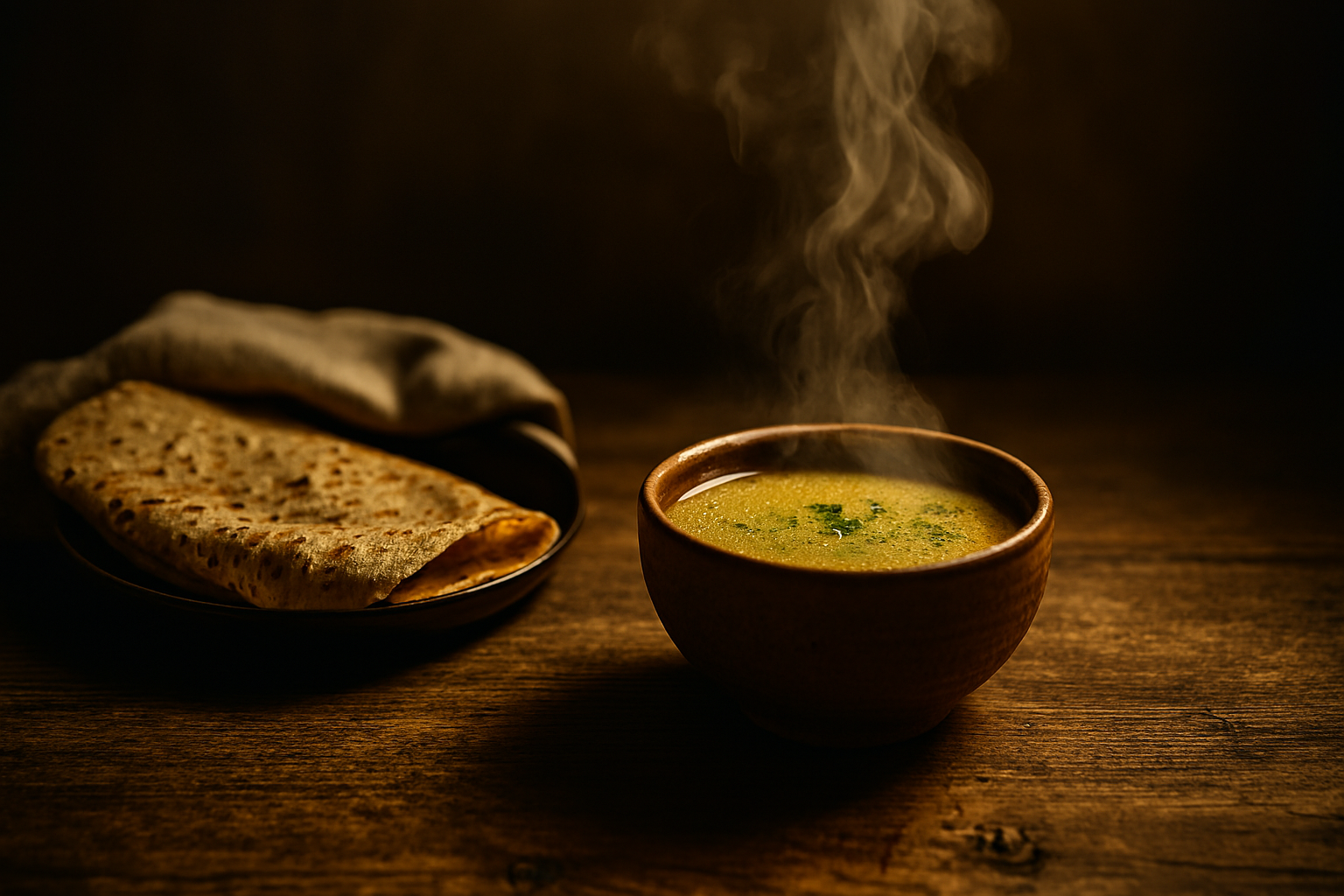
The sixth day menu is foxtail millet poha, pearl millet soup, millet chivda and jowar bhakri.
Ragi upma, millet biryani, millet muffins and kodo millet khichdi are day 7 meals that complete the cycle.
Pre-soaking, pre-cooking and left-over use make this cycle not only cost-effective but also family-friendly. It is also an effective meal plan with millets for weight loss.
7. Addressing Common Concerns & Troubleshooting
How to Overcome Common Barriers When Using Millets
Despite all the advantages of millets for health, people can still have some problems when they want to incorporate millets in their daily diet. In order to understand how to include millets in your daily diet, resolving issues with taste and texture is necessary. Cooking millets with more water to be soft, mixing with vegetables or lentils for flavor, and putting in spices or herbs to make sure they are of familiar taste can resolve these issues.
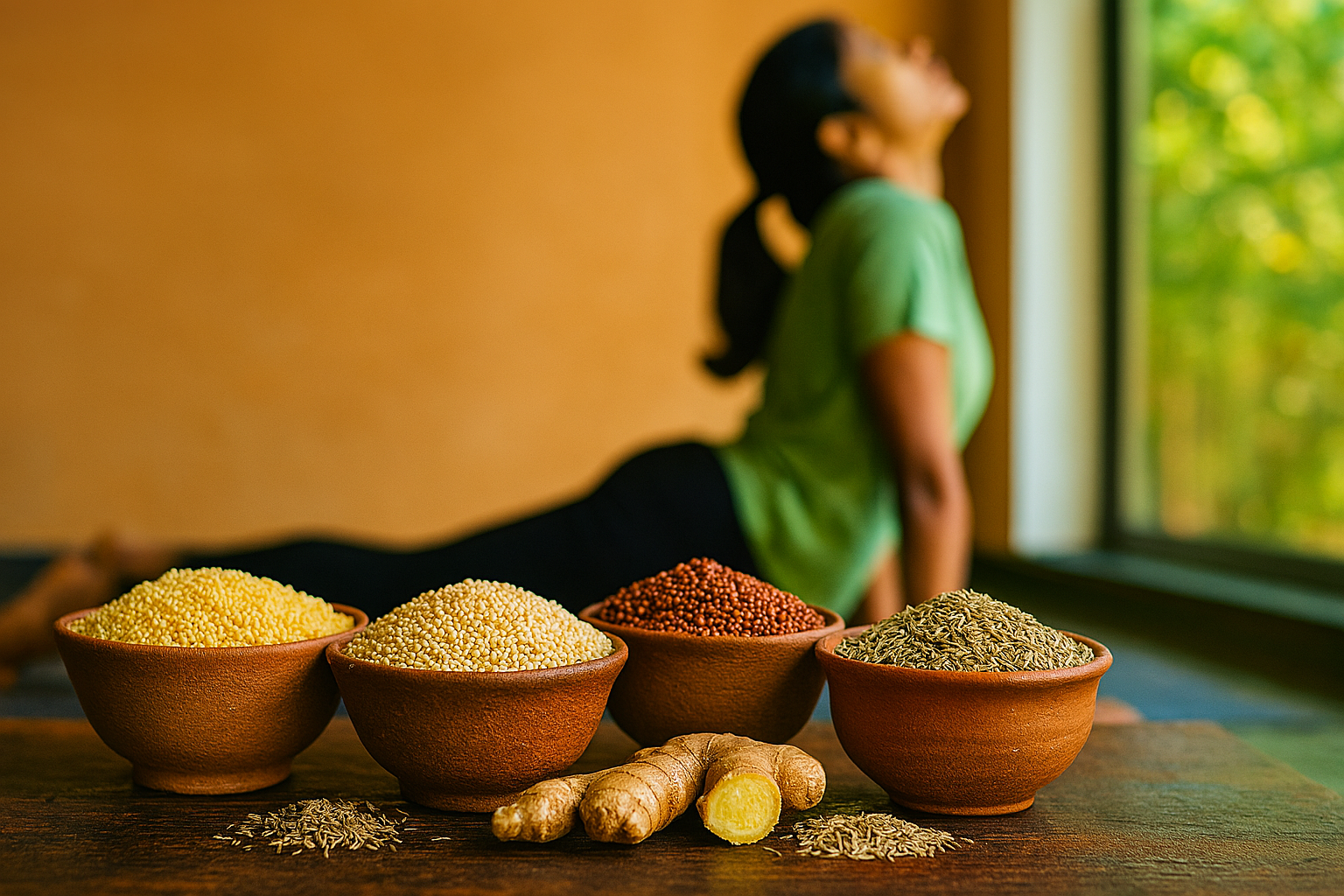
Cooking duration and the time passing can also discourage people from using them on a regular basis, but methods like soaking high fibre grains beforehand, pressure cooking, or just using millet flour for your quick recipes can really speed up the process and make it simpler. Some people feel digestive discomfort at the beginning, which can be taken care of by starting with small amounts and adding digestive spices like cumin, ginger, and ajwain.
At some times availability and affordability may also pose a challenge, however purchasing it from reliable local stores, websites, or buying it in bulk will not only guarantee the quality and affordability of the product but also make millet consumption not only possible but also sustainable.
8. Ayurveda Angle: Dosha Compatibility & Traditional Wisdom
Ayurvedic Wisdom & Dosha-Friendly Millet Choices
The food viewed through the Ayurvedic lens is medicine as well as nourishment, where each ingredient has a specific effect on the dosha Vata, Pitta, and Kapha that are the governing factors of the balance in the body.
Millets, being of different natures, can be changed up to match various body types. Most millets are inherently light and dry and if eaten in excess they are likely to raise Vata. Thus, it is recommended to use softer millets like barnyard or little millet, cook these in ghee or with warming spices.
Pitta gets benefitted by cooling cereals like kodo or foxtail millet that become even more effective when aided with the vegetables and herbs to pacify the heat.
On the other hand, the denser cereals such as bajra and ragi are the right ones for Kapha as their dry and hot qualities neutralize the heaviness.
It also do slowness when pepper, ginger or mustard seeds are added for spicing.
Traditional methods like soaking, fermenting and tempering with digestive spices not only reduce heaviness, help better assimilation and dosha harmony. Hence Ayurveda provides a rational and acceptable explanation for millet consumption to be health-promoting as well as harmonious.
9. Call to Action
Millets are nutrient-dense superfoods from the past that help digestion, maintain blood glucose levels, increase feeling of fullness and add variety to daily diets. By employing the simplest of measures like gradual substitution, innovative recipes and careful cooking, they can turn out to be the sustainable part of the modern millet diet.
Doing just one thing can lead to a big change. For example, you can replace one meal of rice or wheat with a millet meal this week or choose a recipe from the posted recipes to try out. Small and regular steps can create long-lasting habits. Tell us about your favorite millet recipes or a recipe of your own and become a part of the community that is bringing these healthy grains back to life.