“What if preventing migraines was less about popping pills and more about simple daily habits? Ayurveda and modern science both agree—your lifestyle holds the key to a migraine-free life.”
Why Migraine Prevention Matters
Migraines impact approximately 1 in every 7 individuals worldwide and are among the most disabling neurological diseases. Although drugs and pain relievers can provide temporary relief from pain, they treat only the symptom.
Preventing long-term occurrence is a better and long-lasting solution. Preventing migraines is a common factor in both modern medicine and Ayurveda.
Preventing or correcting trigger points such as stress, poor quality sleep, dehydration, and poor diet can decrease attack intensity and occurrence. Prevention rather than relying on drugs can help people recover better, become resilient again, and lead a better quality life naturally.
7 Natural Lifestyle Tips for Migraine Prevention
Maintain a Regular Sleep Cycle
Sleeping habits that are regular lower the threat of a migraine attack. The natural rhythm of the body, which directly affects hormone balance and brain function, is efficiently regulated with normal bed and waking times.
Waking up later than your normal sleeping time or sleeping too much can cause a headache as a result of disrupted rhythm.
In the daily regimen, dinacharya is the most significant term learnt in Ayurveda.
It lays stress on regularity for body and mind equilibrium.
Maintaining a 7–8 hours regular sleep schedule may decrease the likelihood, frequency, and severity of migraine attacks.

Practice Oil Pulling and Ayurvedic Oral Care
Ancient Ayurvedic oil pulling consists of swishing sesame or coconut oil around in the mouth daily. This easy ritual helps detoxification, decrease oral bacterial load, and promote systemic wellness. Given that stress and toxin accumulation are frequent migraines triggers, oil pulling can act naturally to decrease inflammatory burden and soothe the nervous system.
Many people with migraines have reported reduced attack incidence since beginning this practice daily.
Oral hygiene is considered foundational to overall wellness in Ayurveda.
Oil pulling is a soft preventive practice that bolsters protection against migraines pain.

Eat Mindfully & Follow an Ayurvedic Diet
Skipping a meal can led to migraines due to blood sugar dips and a rise in Vata imbalance. Regular eating and selection of light, cooling, and fresh foods help bring about balance and digestion.
Avoiding exacerbating foods such as old cheese, too much use of caffeine, alcohol, and Pitta-raising fermented foods is advised in Ayurveda.
From a modern scientific standpoint, conscious eating regulates blood sugar levels, reduces systemic inflammation.
Evidently, it decreases vascular stress conditions intimately associated with migraines.
A nutrient-dense diet that is overall helps not only to feed but also to prevent naturally both intensity and frequency.

Manage Stress with Meditation & Pranayama
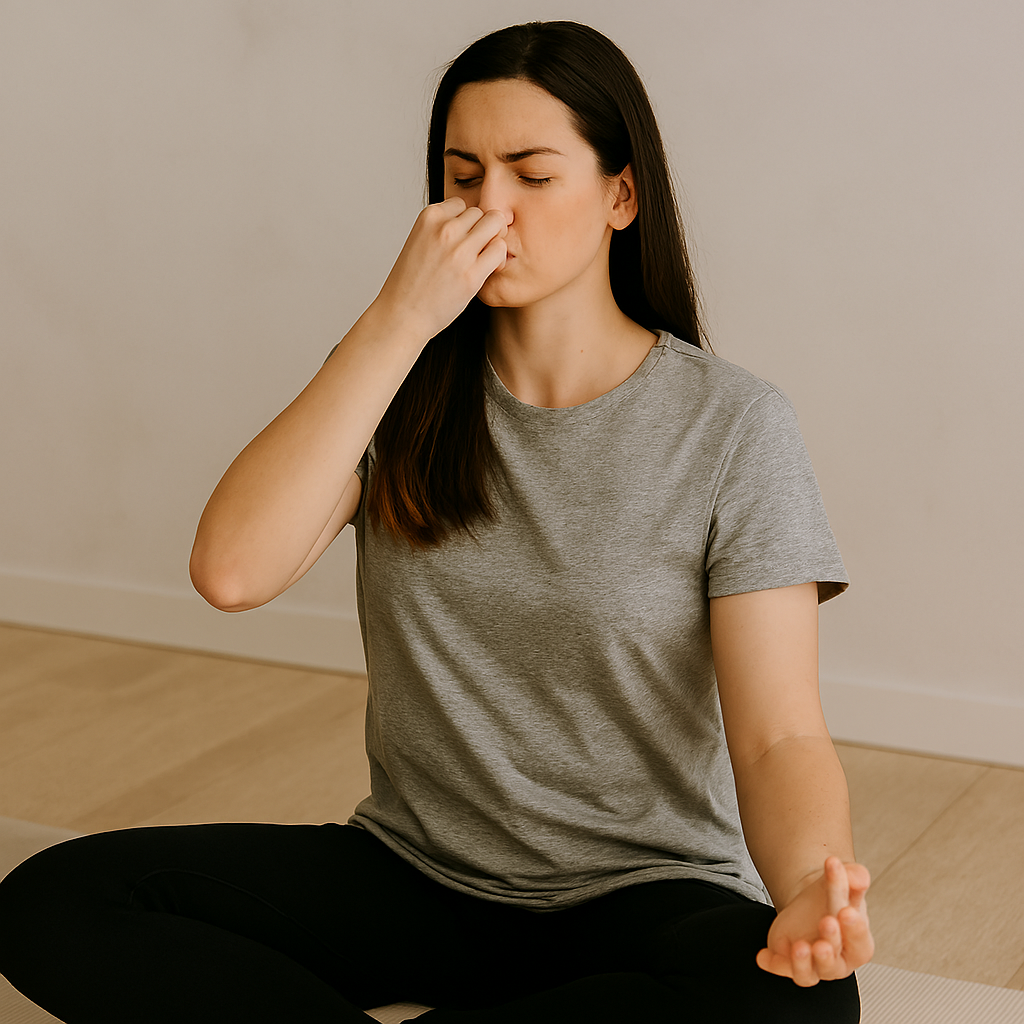
Stress routinely is one of the most frequent migraine precipitants. Pranayama Bhramari (humming bee breath), Anulom Vilom (alternate nostril breathing) and Shavasana, which are traditional Ayurvedic practices, offer profound relaxation and rebalance the nervous system.
The new science corroborates them, demonstrating that mindfulness and meditation lower cortisol levels.
Certainly, it settles hyperactive brain networks, and decrease the chances of the initiation of migraine.
However, practicing just 10–15 minutes a day builds long-term resilience, improved mood control, and heightened tolerance to triggers.
When you combine breathwork and meditation, you cover both the physiological and emotional aspects of preventing migraine effectively.
Stay Hydrated & Try Herbal Infusions
Hydration is also a major player in migraine prevention, with dehydration being a surprisingly prevalent yet underappreciated trigger. Staying well-hydrated throughout the day preserves electrolyte balance and stabilizes blood vessels.
Herbal teas such as ginger, Tulsi (holy basil), peppermint, and chamomile provide additional therapeutic value.
They calm the digestive tract, dampen systemic inflammation, and quiet the nervous system.
Ayurveda considers such teas balancing to the doshas, whereas contemporary science speaks of their antioxidant and anti-inflammatory effects.
Both hydration and herbal teas work together to offer immediate relief and long-term prevention against migraines naturally.

Exercise Moderately & Do Yoga
Regular, moderate exercise is one of the few scientifically supported methods for reducing the frequency of migraine attacks. Unlike energetic exercises that may set off an attack, gentle movement enhances circulation, balances hormones, and helps release endorphins, the body’s own painkillers.
According to Ayurveda, exercise should suit one’s dosha type to help the person achieve equilibrium, not tension.
Yoga poses that facilitate gentle stretching, like Balasana (Child’s Pose) and Viparita Karani (Legs-Up-the-Wall Pose), enable deeper relaxation of the muscles and calm the nervous system.
The combination of mild exercises with yoga helps develop the mind and body together.
Certainly, it fortifies oneself against the factors that precipitate migraines, and it assists in enhancing health in the long run.

Identify & Avoid Trigger Foods
Dietary triggers are very individualized but are a key part of migraine management. Regular culprits are aged cheese, chocolate, processed meats, caffeine, and alcohol all of which can trigger vascular changes to cause headaches.
Ayurveda adds the list with the observation that spicy, sour, and fermented foods increase Pitta, increasing heat and imbalance in the body.
Maintaining a detailed food diary aids in the detection of individual sensitivities and allows you to create a migraine-safe diet.
Removing triggers and opting for healthy alternatives will greatly reduce the frequency of migraines as well as provide greater day-to-day stability.

Ayurveda + Science: Where They Agree on Migraine Prevention
Ayurveda categorizes migraines as a disturbance in Vata and Pitta doshas, whereas contemporary science describes them in the context of overactivity in the nervous system, hormonal changes, and vascular alterations.
Divergent in context as they are, both contexts delineate the same preventions: avoiding stress, conditioned sleep, balanced hydration, and regulated food.
Ayurveda’s ageless postulates of habit and balance speak to contemporary findings demonstrating lifestyle’s direct effect on migraine frequency.
This overlap highlights that both scientific investigation and ancient intuition rely on the same effective, sustainable preventive measures, and this provides a true holistic basis for natural migraine control.
Additional Tips for Long-Term Migraine Management
Aside from everyday routines, long-term care includes self-awareness and self-monitoring.
Keeping a headache diary will make it easier to spot patterns of triggers, symptoms, and lifestyle factors by monitoring them.
Mindfulness practice through the integration of meditation, pranayama, or yoga nidra also adds resistance to stress attacks.

Consulting medical or Ayurvedic experts is required when frequent, debilitating, or treatment-resistant migraines develop. Balancing self-monitoring, mindfulness, and professional care strengthens your ability to reduce migraine burden with safety, personalized advice, and better overall health.
Prevention of migraines is not so much a matter of sophistication and more a matter of routine. Ayurveda demonstrates balance by regimen, diet, and self-pampering, and modern science validates these practices with research on lifestyle and brain management.
By incorporating both perspectives, you can develop an actionable prevention plan that caters to your unique needs. The key is to start implementing a few subtle changes one or two at a time and build on them progressively. Over time, these habits reduce the duration and intensity of migraine but also improve energy, mood, and overall quality of life.
FAQs
How can I prevent migraine headaches naturally?
By establishing normal sleep, hydration, stress control, yoga, and an anti-inflammatory diet.
What Ayurvedic lifestyle is best for migraine prevention?
By balancing Vata and Pitta with oil pulling, mindful eating, yoga, and meditation.
Which foods trigger migraine attacks most often?
Aged cheese, chocolate, processed meats, alcohol, and fermented foods are common culprits.
Does meditation help in preventing migraines?
Yes, meditation has been shown to decrease stress hormones and decrease frequency of attacks.
Can regular sleep reduce migraine frequency?
Absolutely. A consistent sleep pattern avoids fluctuations that most often initiate attacks.