💡Humidity, abrupt temperature fluctuations, and damp environments cause rainy seasons to be a challenging season for your respiratory system. In India, the monsoon favors the growth of mold and dust mites, while in the UK and USA, extended wet conditions and inadequate indoor ventilation favor the onset of asthma, colds, and wheezing.
💡Seasonal overlap of pollen and prolonged storm-produced dampness aggravate symptoms for most. If you find that you cough and congest more during rainy months, you’re not dreaming it up hospitals also experience a surge in respiratory illnesses.
💡The good news: you can protect your lungs and fend off rainy-season coughs using natural remedies and simple household strategies. Let’s learn about monsoon health tips respiratory for rainy season respiratory protection.
🫁Why respiratory problems rise during the monsoon?
If you or your children catch more coughs during the rains you are not dreaming. In India and other tropical countries, the monsoon’s humidity promotes mold growth, wet clothes, and dust mite action, all which irritate the respiratory system. In the UK and USA, the problem can sometimes be equally real-as prolonged wet weather, sudden temperature drops, and increased time indoors lead to poor ventilation and higher indoor humidity.
This fosters mould spores and mildew, both major triggers for asthma and allergies. Seasonal overlap of pollen in late summer rains can also exacerbate wheezing. Along US coastal and flood-prone states, storm-related dampness can persist for weeks, prolonging exposure.
Whatever city you’re in Mumbai, Manchester, or Miami, combining damp air, mold, and varying temperatures strains the airways and hospitals can witness seasonal increases in respiratory infections. With some simple targeted lifestyle changes, you can drastically reduce your risk and prevent rainy season coughs.
Quick prevention checklist — 7 practical actions
☔Practical actions are necessary to prevent infection rather than getting infected then treatment which makes the following monsoon respiratory prevention methods and mold prevention tips very important.
- Maintain indoor humidity 40–60%: Balance moisture levels through the use of a dehumidifier, air conditioner, or proper ventilation to minimize mold development, humidity and respiratory health problems during wet weather conditions.
- Dry clothes in time: Always dry clothing and bedding thoroughly after washing or rain exposure to avoid dampness, which will promote mould, dust mites, and musty indoor smells.
- Bleach mouldy surfaces: clean mould off bathroom tiles, walls, and other wet areas with bleach or mould-removing cleaners to avoid allergen accumulation and safeguard lung health.
- Use HEPA air purifiers: HEPA air purifier for allergies can regularly eliminate dust, pollen, spores, and other airborne irritants from your living space effectively.
- Maintain natural support drinks: Consume ginger-lemon-turmeric infusions to comfort inflammation, dissipate mucus, and aid immunity; these remedies supplement, but never substitute, professional medical treatment when indicated.
- Wear a mask: In places with many people, bad air flow, or damp conditions, particularly if you are at risk, to avoid respiratory infection or allergen contact.
- Get medical care: See a doctor right away for ongoing wheezing, shortness of breath, or fever, as these may indicate severe infections that need immediate expert intervention.
🏠Top 6 natural home remedies
🌿Here is a list of natural remedies for cough and cold in monsoon,
Ginger-turmeric infusion
Ginger–turmeric tea can be one of the highly effective natural remedies for monsoon respiratory illnesses.
- Both turmeric and ginger are anti-inflammatory and antimicrobial in nature and reduce swelling and ease soreness.
- Boil one cup of water, add half a teaspoon of grated ginger and a quarter of a teaspoon of turmeric powder, and simmer for five minutes.
- Strain the mixture, add honey if desired, and drink once a day. Individuals taking blood thinners need to restrict excessive consumption of turmeric.

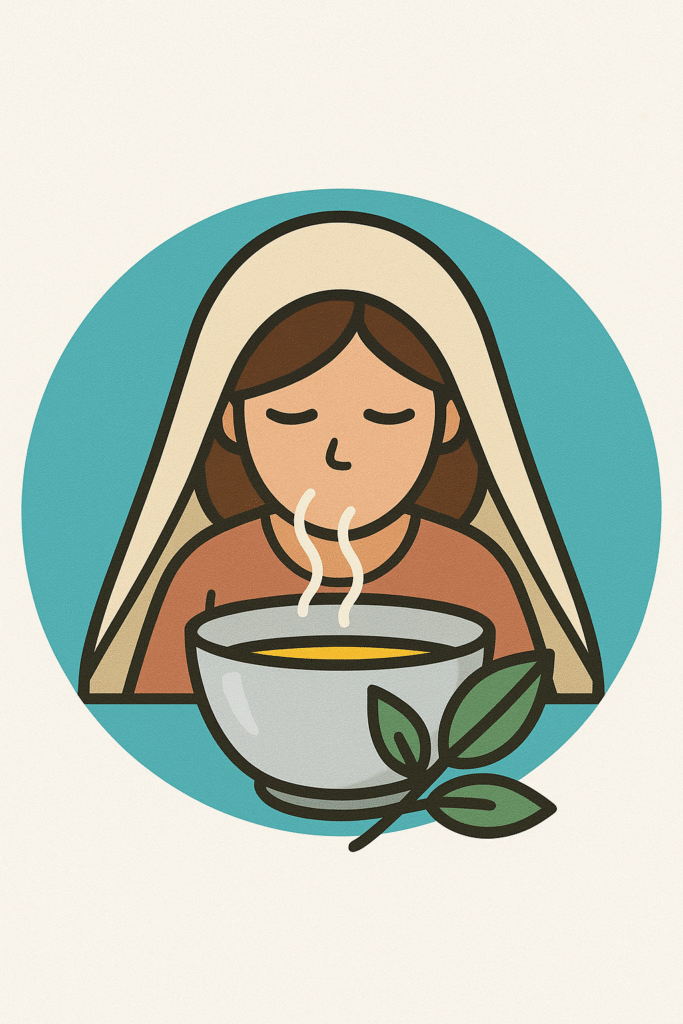
Steam inhalation with eucalyptus/Tulsi
Steam inhalation benefits the respiratory system when using Tulsi or eucalyptus is another tried-and-tested method.
- Warm water loosens mucus, whereas eucalyptus oil or fresh leaves of Tulsi emit essential oils that offer mild antimicrobial action.
- Warm water loosens mucus, whereas eucalyptus oil or fresh leaves of Tulsi emit essential oils that offer mild antimicrobial action.
- For small children, avoid direct steam instead, have the bowl within reach so that they may breathe in the vapor gently.
Honey and lemon for cough
For relief at night, a combination of honey and lemon will do.
- Honey soothes the mucous membrane in the throat, and lemon provides a dose of vitamin C.
- Mix one teaspoon of honey with a few drops of fresh lemon juice and take it just before bed.
- This is not recommended for children less than one year old because of the risk of botulism.

Probiotic or fermented foods with vitamin C rich foods
Including probiotic foods and vitamin C foods in your daily diet also aids in immunity.
- A healthy gut makes the body stronger to fight infections, whereas vitamin C helps in immune defense.
- Curd, kefir, fermented pickles, oranges, guava, amla, and kiwi are good options.
- Try to have at least one probiotic and one source of vitamin C every day.

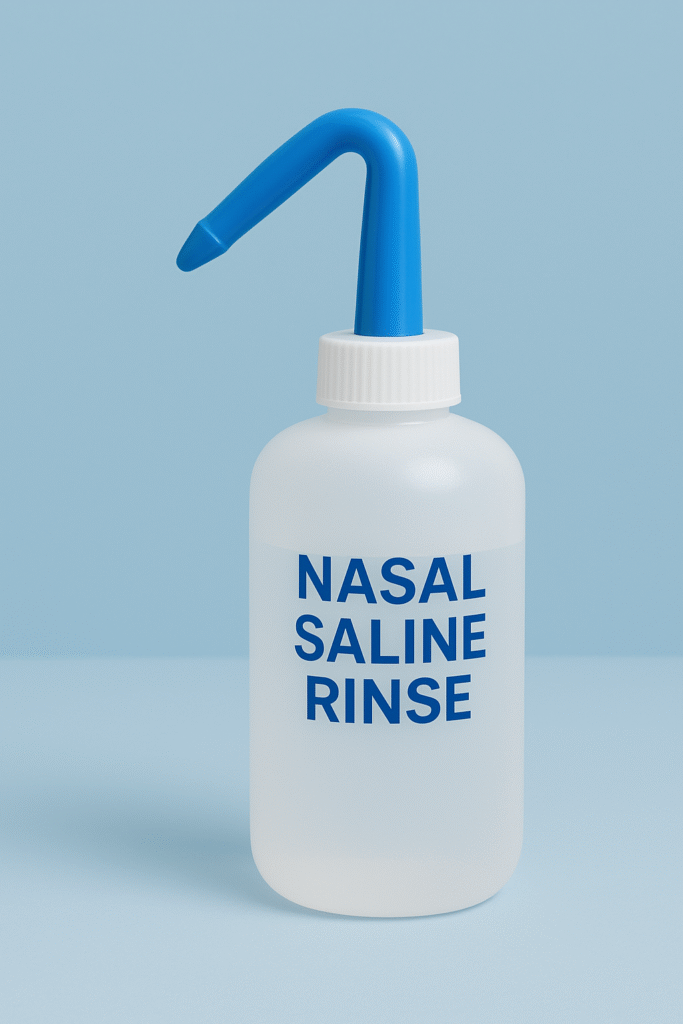
Nasal saline rinse
It clears mucus and allergens from nasal passages.
- You can buy a saline spray from a store or make your own by mixing one cup of cooled, boiled water with half a teaspoon of salt and a dash of baking soda.
- A nasal saline rinse instructions can be especially useful when it is humid
- Lean your head slightly and rinse each nostril gently once a day throughout humid week.
Drying and sunning fabrics
Drying and sunning clothing.
- Lastly, drying and sunning clothing is an easy and effective practice in minimizing mold spores and dust mites.
- As the rain stops, put pillows, blankets, and rugs out in direct sunlight for two to three hours.
- Sunlight’s natural antibacterial powers keep the clothing clean and safe to use indoors.

✅Household and environment measures that matter
☁Good indoor air quality is critical during the monsoon season. Leave windows open for short periods of controlled duration to encourage ventilation but not excess dampness indoors. Utilize dehumidifiers or air conditioners to keep indoor humidity between 40–60%, which inhibits mold growth and transmission of respiratory viruses.
☁Clean AC filters regularly every two to four weeks to avoid dust and spore accumulation. Dry and sun mattresses, cushions, and bedding where practicable, or cover with protective covers to avoid dust mite exposure. Dispose of or deep-clean mouldy products like carpets, curtains, or wet cardboard boxes as soon as possible because they can release spores that trigger asthma, allergies, and infection.
☁Indoor allergen and moisture management not only enhances comfort but also minimizes seasonal peaks in respiratory disease, particularly among those who are susceptible.
👩⚕️When to see a doctor — red flags
If you become short of breath or breathe with difficulty, have a high fever for over three days, sputum containing blood, or wheezing that doesn’t get better with your inhaler, call for medical assistance immediately.
These signs may portend more severe breathing disease that needs immediate intervention. Keep all medications for asthma or COPD as directed, and never abruptly discontinue them without a doctor’s advice. It is best to act early to avoid complications and hasten recovery.
📜Final tips
The three most important steps for protecting your respiratory health this monsoon are controlling indoor humidity and keeping air clean, supporting your immune system with nourishing foods and remedies, and acting quickly if symptoms worsen.
Prevention works best when you are consistent and proactive. If you are looking for a ready-to-use resource, just subscribe now, and you’ll get your own Printable Monsoon Respiratory Kit-a comprehensive package with a prevention checklist, easy remedy recipes, and a doctor visit planner to keep you and your family safe this season.
💡FAQs
Can kids drink ginger water?
Yes, for children over 2 years, in small amounts.
Will honey help?
It can soothe coughs — avoid in children under 1 year.
How often do you clean AC?
Every 2–4 weeks in monsoon.
Are natural remedies safe with asthma meds?
Generally, yes, but check with your doctor if you’re on multiple medications.
Got more questions? Drop them in the comments below — we’ll try to answer them in our next update. Do not forget to follow us on news on similar topics in the future.