🥑Find out benefit no-oil, whole-food plant-based diet can be transformative for weight loss, glowing skin, overall being and heart health.
📈The increasing popularity of no-oil plant-based eating is more than a passing trend it is a way of life supported by sound science and an abundance of health advantages. Across the world, from the health-aware communities of the US and Canada to the plant-based movements of the UK and India, the whole-food plant-based diet is popularizing as a sustainable and healthy mode of living.
🍎In essence, this diet is about nutrient-rich, whole plant foods fruit, vegetables, whole grains, legumes, nuts, and seeds excluding extracted oils. Its proponents emphasize its cholesterol-lowering, inflammation-reducing, and healthy weight-regulating possibilities without having to compromise on taste. Whether it is the creamy depth of blended cashews instead of butter or the rich, savory taste of dry-roasted spices, the oil-free plant-based diet shows you can pleasure and heal at the same time.
⚡Here, we uncover the life-transforming advantages of this diet, real-world steps to adopt a WFPB diet, healthy tips for oil-free healthy cooking from experts, and flavorful regional dishes from nourishing British soups to colorful Indian curries. Regardless of how far you have come, the whole-food vegan diet provides a tasty, cardiovascular-friendly route to sustained wellness.
🥗What Is No-Oil & Whole-Food Plant-Based Eating?
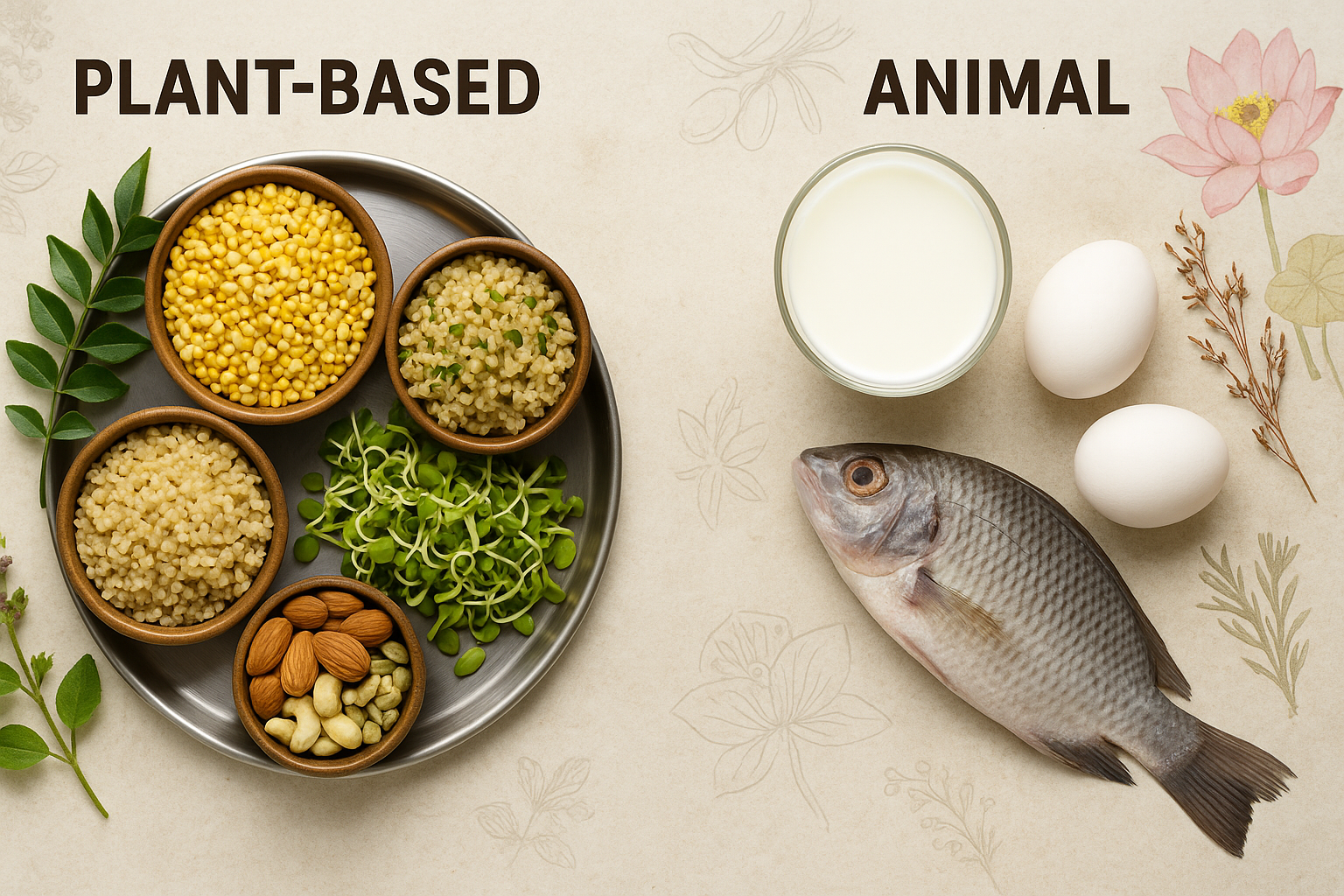
No-oil plant-based eating is an approach that is health-driven and reduces all processed oils such as olive, coconut, and sunflower oil with an emphasis on nutrient-rich, unprocessed plant foods. These include unprocessed, fresh vegetables, fruits, whole grain, legumes, nuts, and seeds, which contain natural, healthy fats in their natural state.
In contrast to a general plant-based or vegan diet, which can still contain refined oil and processed foods, the WFPBNO (Whole-Food Plant-Based No-Oil) diet is centered around whole, minimally processed foods and absolutely no added oil. The whole-food plant-based diet optimizes nutrition, limits excess fat-derived calories, and can promote better heart health and weight control.
By embracing an oil-free plant-based diet, people get to eat nutritious-dense plant-based meals that provide flavor without sacrificing health utilizing methods such as steaming, baking, dry-roasting spices, or preparing foods using vegetable broth in place of oil. This renders the oil-free vegan lifestyle sustainable and tasty.
🎯Why Go Oil-Free & Whole-Food Plant-Based?
❤️Health Benefits
Shifting to no-oil plant-based eating provides revolutionary health benefits. Its low-calorie density naturally and the high-fiber whole foods abundance enable easy weight management feeling satisfied without counting calories. This whole-food plant-based diet provides robust clinical evidence for cholesterol reduction and the lowering of blood pressure, preventing and even reversing heart disease, rendering it a genuine heart-healthy plant-based diet.
Current wellness reporting, such as India Today, pointed out benefits of no-oil plant-based diet for the skin brighter face, less acne, and even energy due to antioxidant-dense, unprocessed plant foods. Most also experience enhanced digestion and less inflammation, conducive to an active, radiant lifestyle.
🔬Scientific & Cellular Impact
Studies indicate that a WFPB diet has the ability to affect longevity at the cellular level by extending telomeres, decreasing oxidative stress, and enhancing antioxidant defenses the hallmarks of slowing down the aging process. This whole-food plant-based diet for weight and skin care not only promotes internal health but also an outer glow.
In addition to individual health, this oil-free whole food plant-based diet decreases your environmental impact, diminishes carbon emissions, and supports values of compassionate, sustainable eating. WFPBNO is an investment in improved wellness, ethical living, and global wellbeing evidence that food decisions really do determine our future.
🔥Overcoming Common Challenges
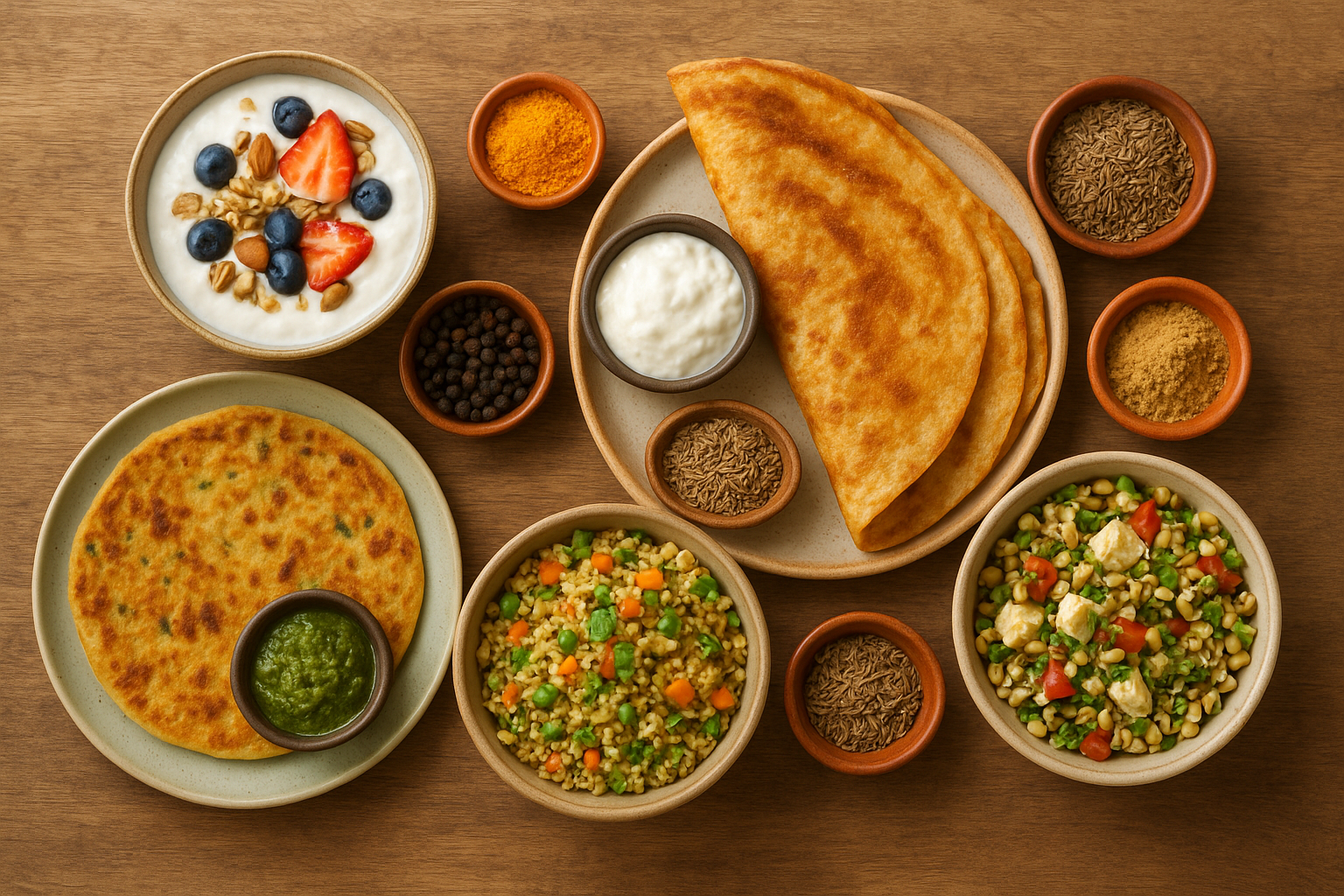
Switching to no-oil plant-based eating may seem overwhelming, particularly for those accustomed to oil-based cooking traditions. In Indian cuisine, the “tadka” taste usually comes from oil, yet oil-free healthy cooking practices such as dry-toasting spices, nut or seed paste use, or the addition of powdered nuts can achieve depth without the use of additional fat. These methods ensure WFPBNO dishes remain flavorful and nutrient-rich.
With a whole-food plant-based diet, awareness of nutrients is crucial. Pay attention to plant-based protein sources and be mindful of sufficient levels of Vitamin B12, iron, zinc, iodine, and omega-3s particularly in more restrictive oil-free plant-based diets.
Social and taste adaptation is also a challenge. Flavor layering with spices, herbs, lemon, and garlic keeps oil-free vegan recipes engaging. Establishing community through online forums, cooking classes, or potlucks makes adhering to the whole-food vegan diet a more feasible endeavour while reaping the benefits of no-oil plant-based diet for heart health and wellness.
📝How to Start—Practical Tips & Meal Ideas
Initiating no-oil plant-based diets does not necessarily need to be daunting. You can start by substituting refined oils with whole-food fats like avocado, mixed nuts or seeds, hummus, or tahini. These ensure sources of healthy fat sources from nuts and seeds while maintaining meals nutrient-dense. A gradual strategy is best start with oil-free plant-based diet breakfasts and lunches and progress to dinners as you become more confident.
Oil-free cooking is simpler using the proper equipment. Steam vegetables, air-fry without oil free for crunchy textures, sauté in water or vegetable broth, or roast and bake for deep, complex flavors. These oil-free vegan cooking methods allow you to retain all the whole-food diet benefits without compromise.
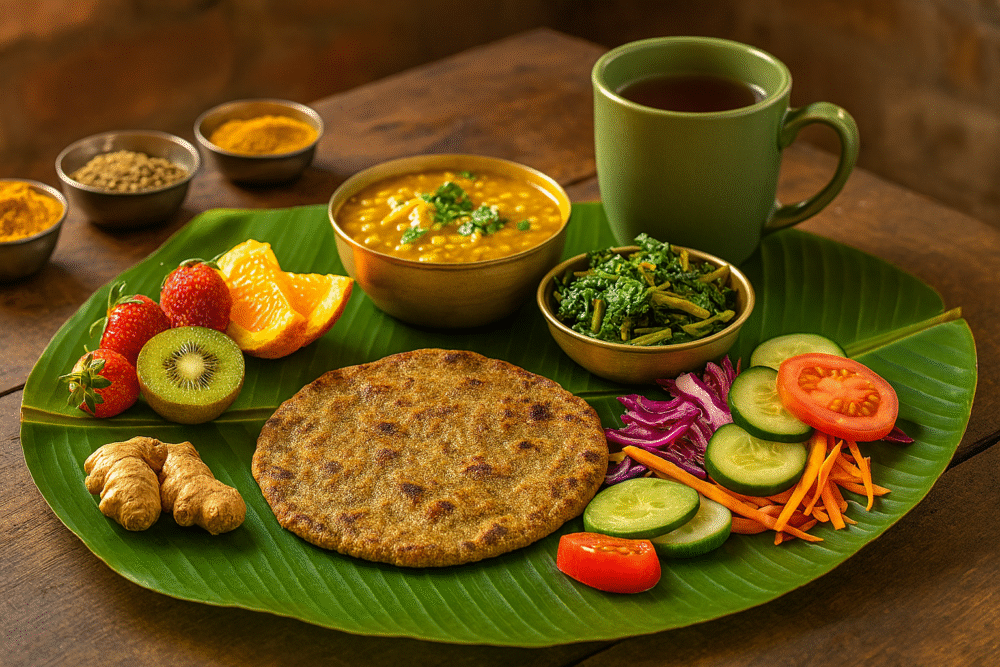
🍽️Sample Meal Ideas:
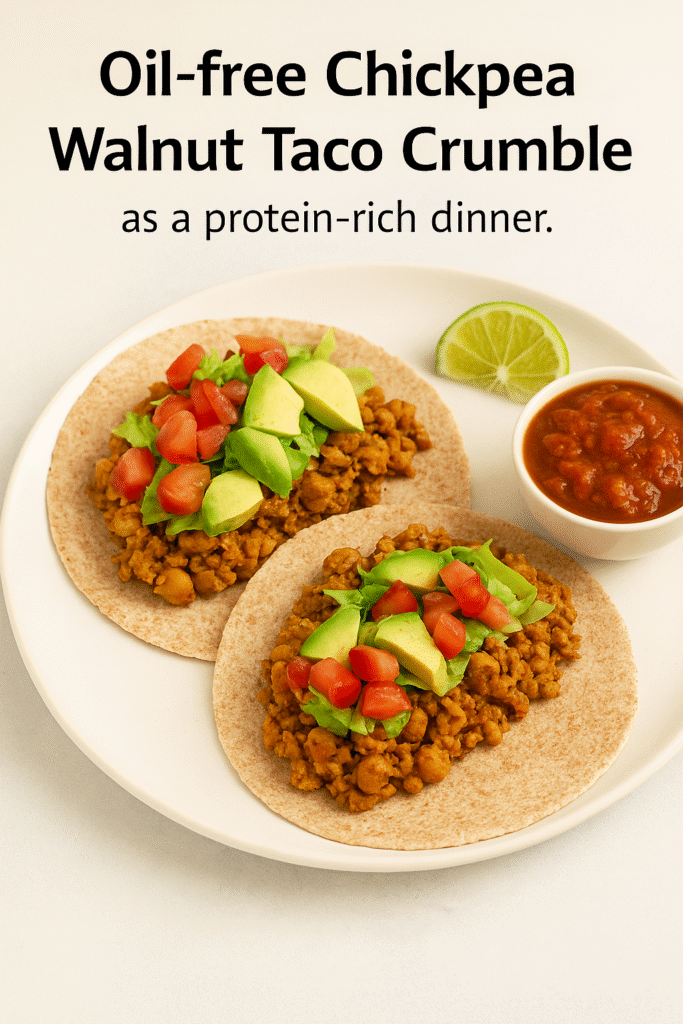
Oil-free chickpea walnut taco crumble as a protein-rich dinner.
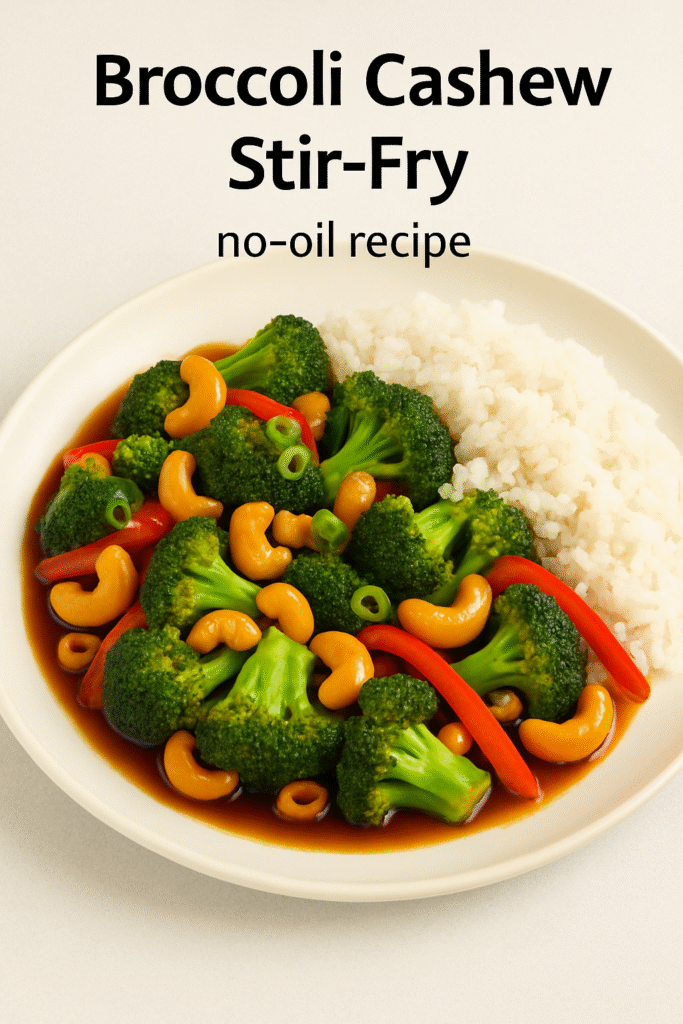
Broccoli cashew stir-fry no-oil recipe packed with high-fiber whole foods.
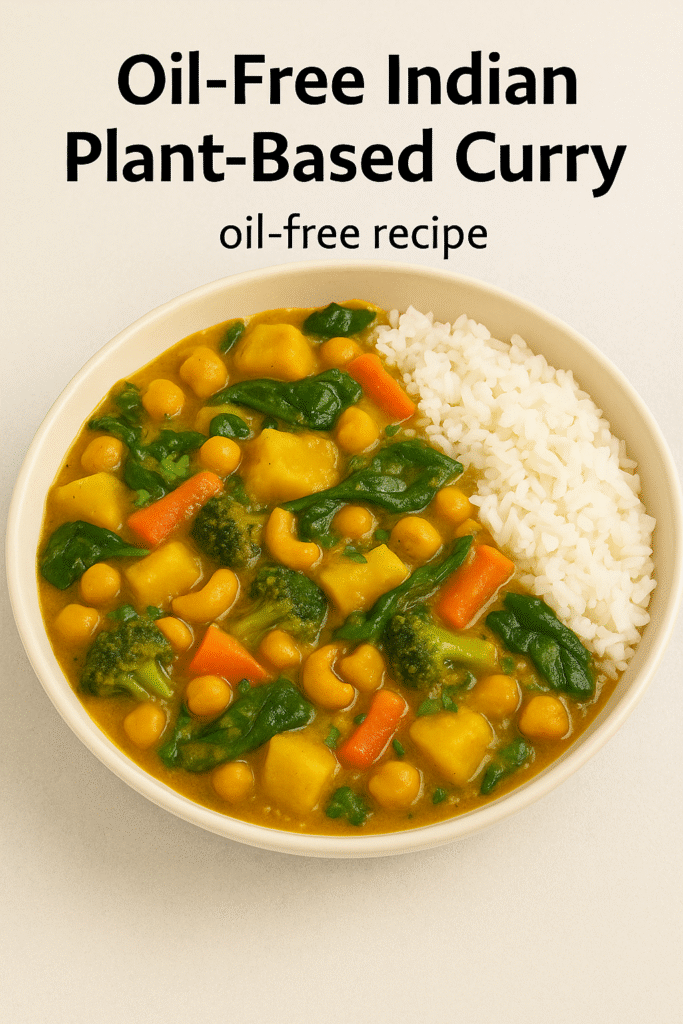
Oil-free Indian plant-based curry recipe relying on nut pastes for creaminess.
No-oil whole grain porridge with fruit—a healthy beginning for the day.
This philosophy of the WFPB diet promotes plant-based diet for weight loss, cardiovascular health, and even cosmetics, as in the whole-food plant-based diet for glowing skin.
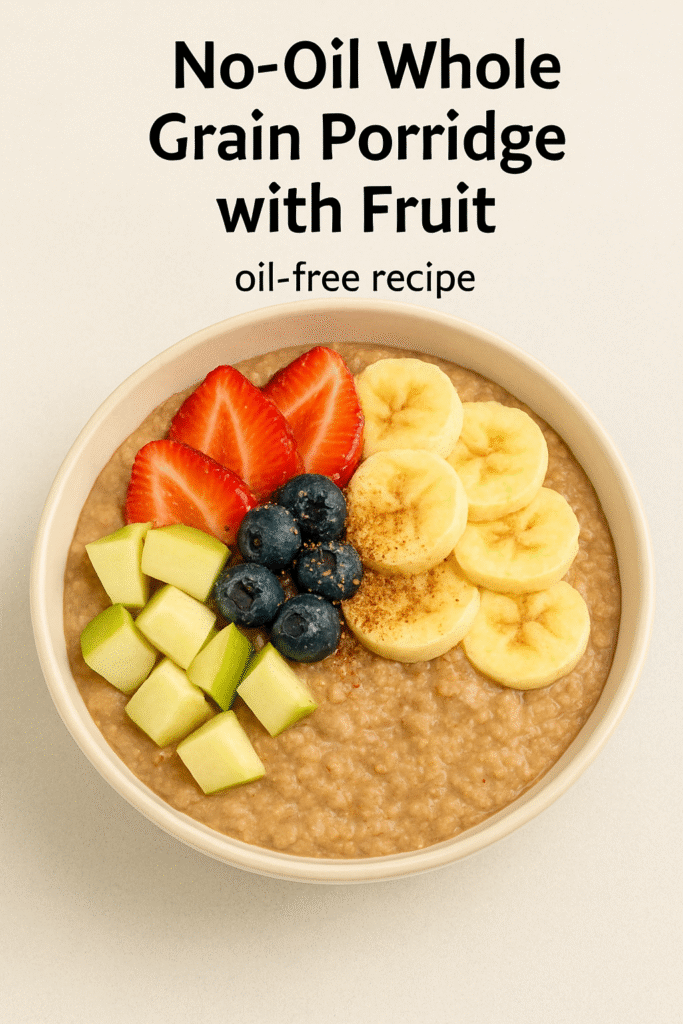
With a bit of imagination, each meal can be tasty, nutritious, and oil-free.
🌍Regional Adaptations
No-oil plant-based eating transitions flawlessly through cultures. North American staples such as avocados, beans, and wholesome whole food grain bowls ensure no-oil plant-based lunch North America lunch options are simple to prepare. WFPB diet favorites incorporating twists include oil-free vegan soups, lentil stews, and chili filled with high-fiber whole foods.
In the UK, the WFPB (whole-food plant-based) diet celebrates root vegetables, legumes, and oats. Air-fried “fishless” patties, spiced with cinnamon, nutmeg, and herbs, are comforting oil-free—ideal WFPB recipes UK.
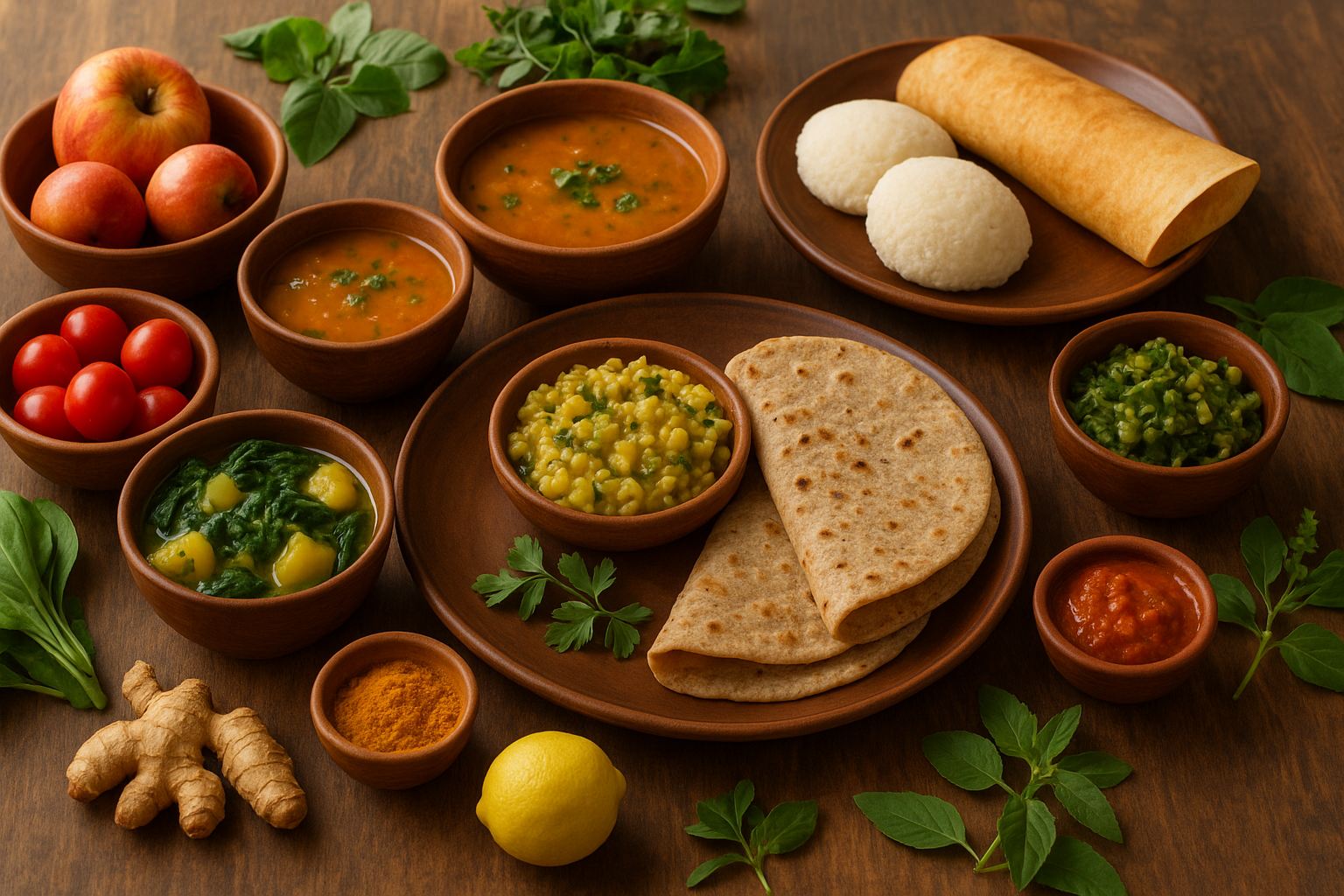
In India, authentic oil-free Indian whole-food plant-based diet can involve dals, idlis, and steamed vegetables, with the addition of dry-roasted spices. Nut and seed gravies and sour chutneys introduce complexity without extracted oils. These WFPB Indian oil-free recipes preserve originality while providing the whole-food diet benefits in enhanced heart health and digestion.
Regardless of where you are, the whole-food vegan diet has internationally inspired, delectable, and nutritionally dense options.
✅Call To Action
The no-oil plant-based eating can revolutionize your health—promoting heart health, slowing down aging, bettering skin radiance, and saving the planet. Through the whole-food plant-based diet, you achieve personal energy and environmental action through nutrient-dense plant-based meals and sustainable practices.
Ready to get started? Get our free 7-day WFPBNO meal planner specific to your location and take a look at simple, delicious oil-free vegan recipes. Join the movement sign up for notifications or post your own oil-free plant-based diet journey and favourite recipes in the comments. Let us make the whole-food vegan diet a movement, not merely a meal plan.