🌸 Have you ever sipped a cup of tea brewed from wild jungle flowers?
From the blue magic of Butterfly Pea to the heart-healing Rhododendron and the sweet tribal Mahua, India’s forests hold centuries-old secrets in every bloom. These organic flower teas of India aren’t just beverages — they are Ayurvedic elixirs for wellness, beauty, and balance.
Biodiversity
The vast biodiversity in India is also the fragrant ancient secret of India that holds Ayurvedic wisdom within the rare Indian flower teas. Ayurvedic and organic flower teas India are still one of the most popular methods for people to not only feel refreshed but also fulfil the nutrient needs of the body.
Flower teas from Indian jungles are considered to be Ayurvedic elixirs that are infused with wellness and beauty. Quite a large population of the tribal communities still use flowers like Butterfly Pea, Rhododendron, Mahua, and Desert Roses for healthcare as well as refreshments alongside modern medicine.
Another factor is that these trees can be planted in every household providing the needs regularly which reduces the need for extensive plantation and farming requirements, making them highly sustainable.
Ready to taste India’s wild wellness in a cup? Let’s get into a journey through regions like Northeast India, Himalayas, Western Ghats, Central forests, and desert forests to find the best flower teas from Indian jungles.
Northeast India – The Magic of Blue and Tart
Northeast India is rich with sirenic beauty as well as natural gifts and resources influenced by ancient wisdom of plants and trees. Teas here are painted in vivid color making due to the use of unique ingredients found in only this region of India.
Butterfly Pea & Hibiscus: Color-Changing and Vitamin-Rich
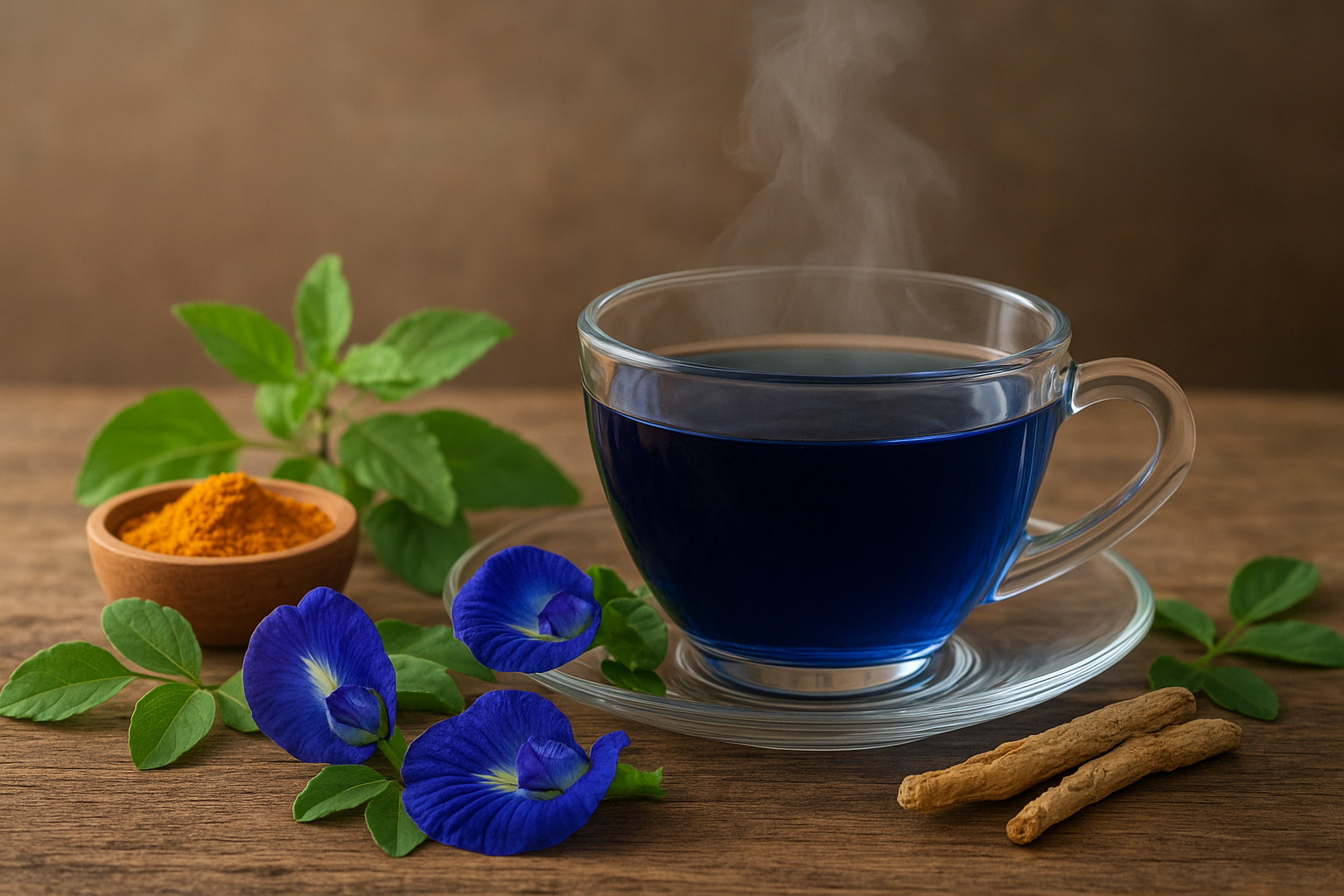
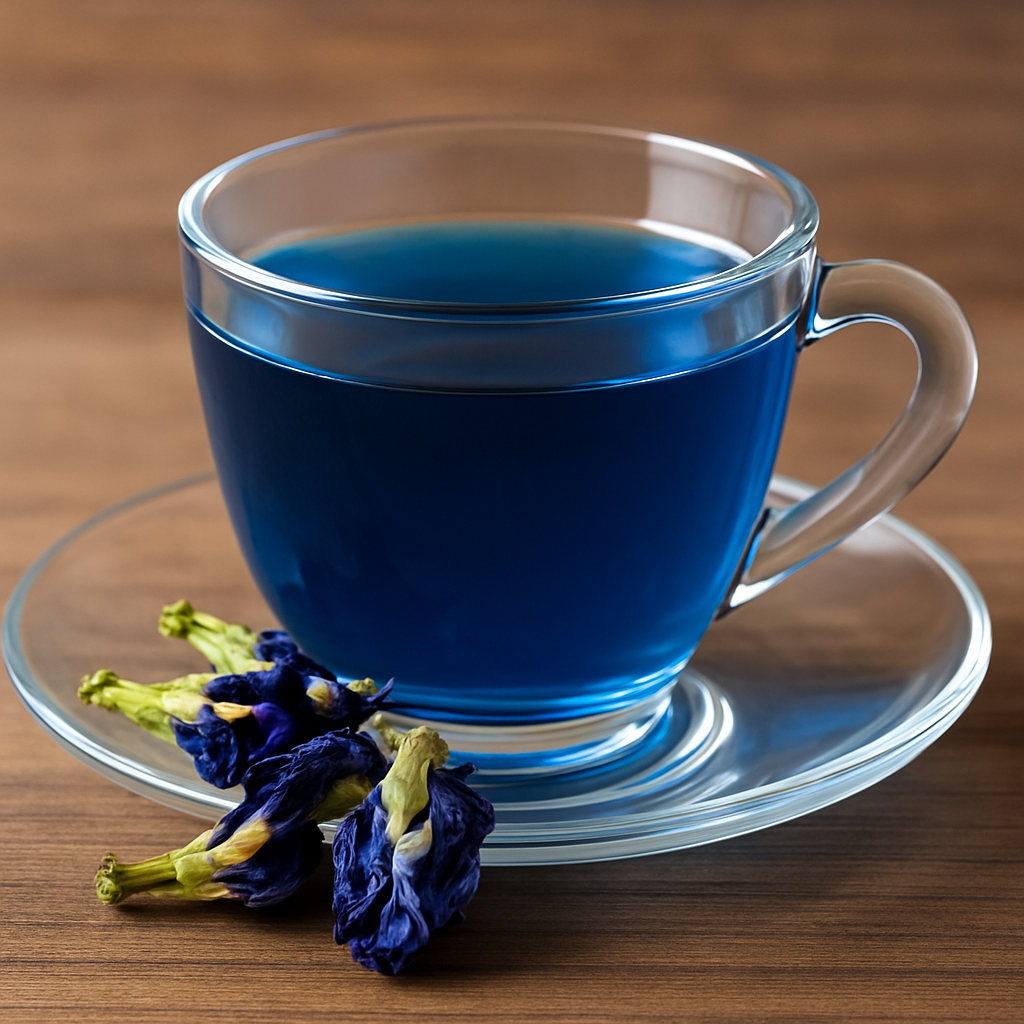
Butterfly Pea Tea (Clitoria ternatea): Clitoria ternatea or Asian pigeonwings known as Aparajita in India is a jewel flower.
It is rich with anthocyanins promoting eye health, stress relief, and youthful skin.
It has a vivid blue hue which transforms to purple with citrus.
It is popular for herbal infusions due to its attractive colours but traditionally it is also used as a natural food colorant.
Butterfly pea tea from Northeast India is popularly consumed for revitalization and refreshment among the people.
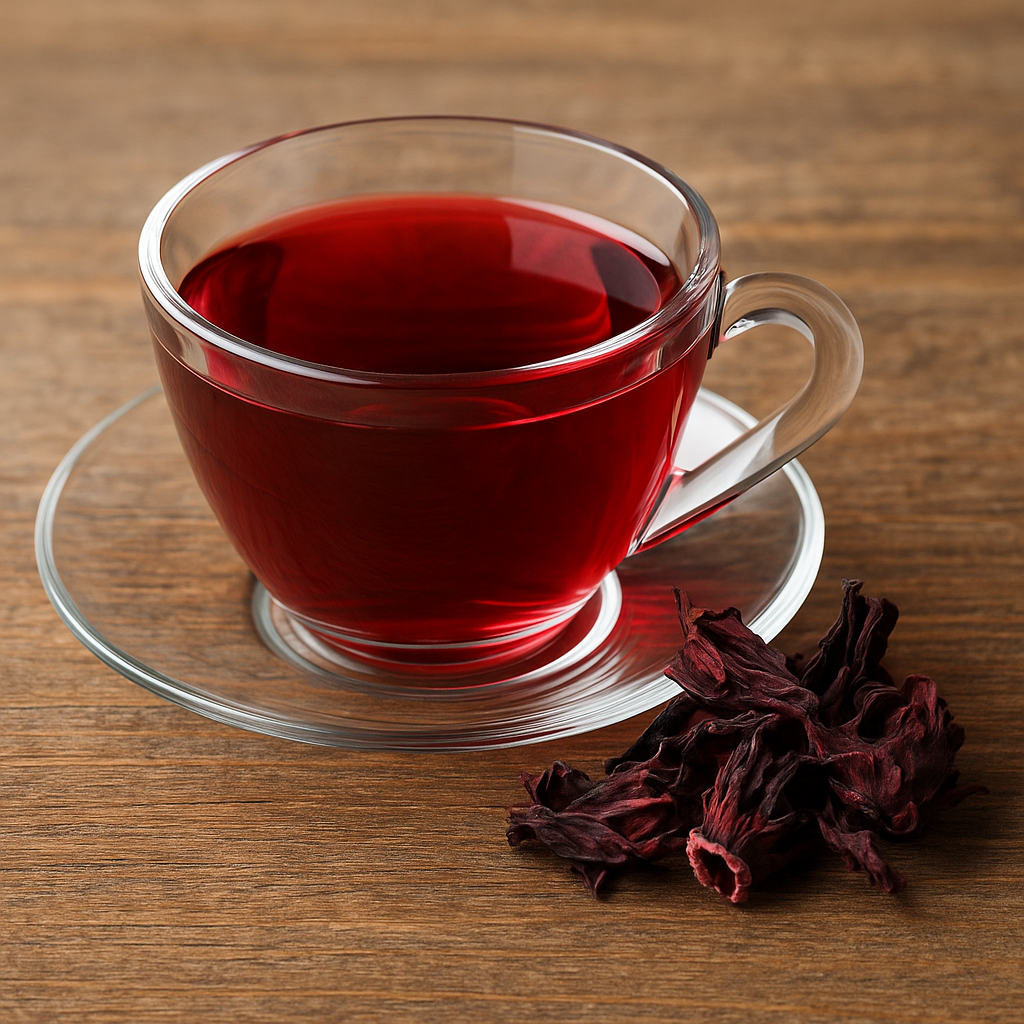
Wild Hibiscus (Roselle/Kongmong): Wild hibiscus is cherished for its tangy and refreshing nature.
However, it is also high in vitamin C and helps with digestive aid.
Hibiscus tea is a highly popular wellness floral tea of India and tribal communities of the Northeast often use it as a revitalizing tonic.
It is also an Ayurvedic flower tea India used for its ability in balancing excess heat or pitta.
Overall, wellness floral teas India are mainly used for refreshments and revitalizing tonics in the Northeast part of India.
Himalayan Foothills – Alpine Calm
Himalayan foothills are home to a lot of therapeutic blooms including rhododendron and chamomile. Traditional tribal teas of Himalayan culture are the cradle to some of the most popular and helpful organic flower teas India.
Rhododendron & Chamomile: High-Elevation Herbal Elixirs
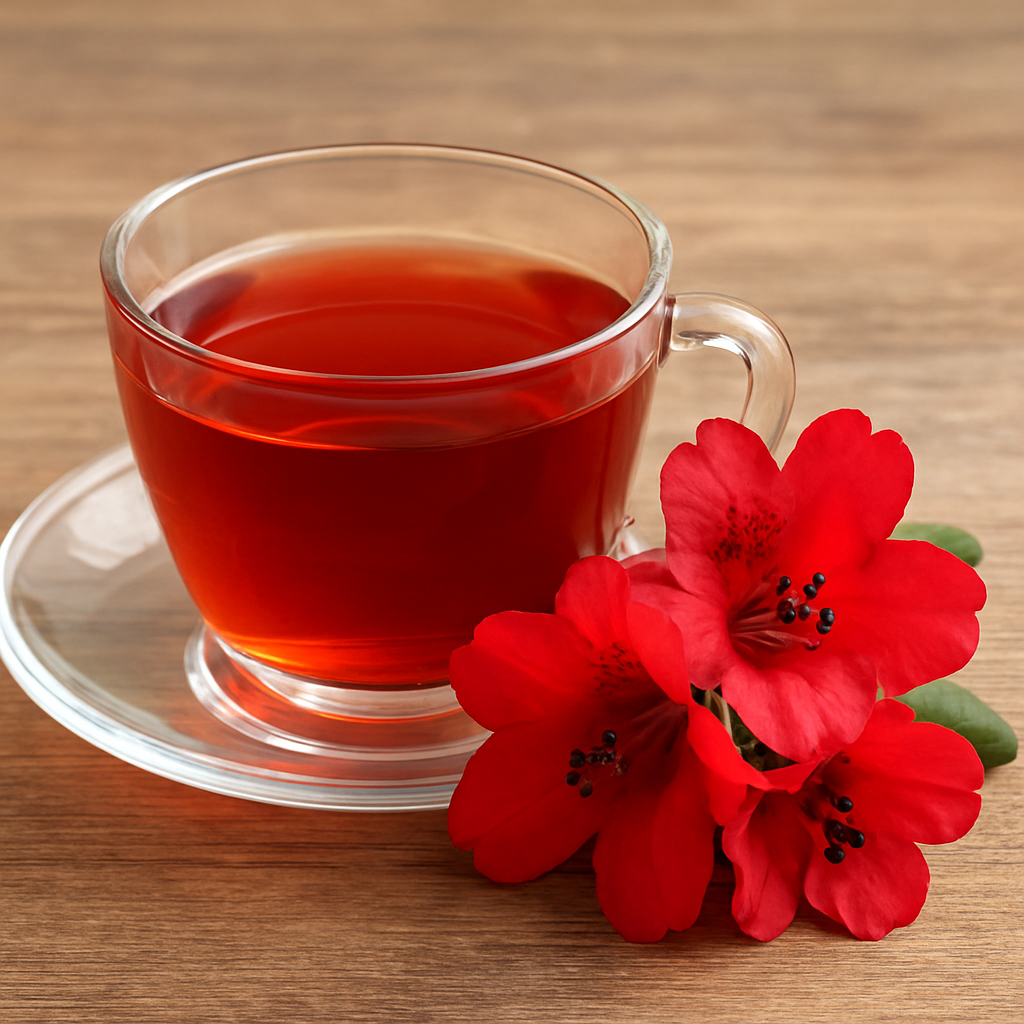
Rhododendron (Buransh) Tea: Rhododendron or Buransh is fiery red in color and rich in antioxidants.
In popular folklore from the region of Uttarakhand and Sikkim, this is also known to be linked with vitality.
Villagers in this area not only prepare teas from these flowers but also sherbets for refreshments.
However, beyond folklore, modern studies show that these organic flower teas of India’s jungles are very good heart tonic.
Benefits of Rhododendron tea Uttarakhand uses include supporting cardiovascular health and boosting immunity.
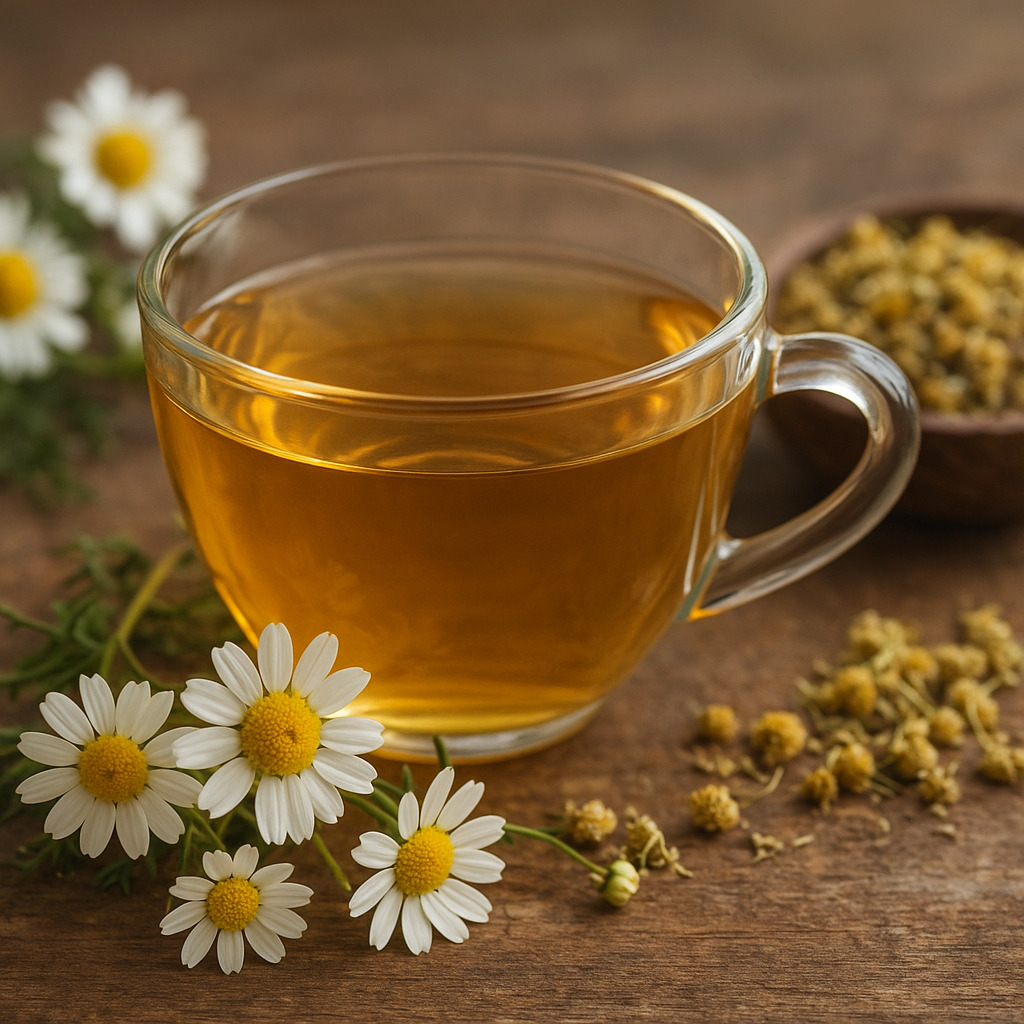
Wild Chamomile: Along with Wild Chamomile blooms, a calming flower loved everywhere.
Himalayan Chamomile tea in India is a bridge between global wellness and Ayurvedic flower tea culture.
Its soothing infusion promotes sleep, eases anxiety, and calms the mind perfect for mountain evenings.
It is among the highly popular botanical teas used for stress relief and improved focus.
Consumption of this Ayurvedic flower tea India can also improve sleep.
Combined, these herbal teas embody serenity and healing. Whether Uttarakhand’s Rhododendron tea or calming Chamomile teas, every sip embodies the ancient tribal teas of Himalayan culture and Ayurveda’s emphasis on balancing mind with body.
Western Ghats – Aromas of the South
South India’s lush Western Ghats are renowned for their flower perfumes and Ayurvedic health beverages. Ayurvedic wellness beverages are embedded into the culture of this region as people consume flower teas from Indian jungles for wellness.
Jasmine, Tulsi & Brahmi Flowers: Aroma, Immunity, Brain Power
Jasmine Flower Tea: Amongst the scented treasures is Jasmine Flower Tea, a calming tea that reduces stress and enhances mood.
Its calming floral scent has positioned it as a top natural beauty tea for skin renewal and relaxation.
Tulsi (Clove Basil): Equally popular is Tulsi (Clove Basil) Bloom Infusion, a highly respected Ayurvedic herb that is also known as the “Queen of Herbs.” When infused with its scented flowers, Tulsi tea boosts immunity, supports respiratory well-being, and battles infection naturally and is among the best organic flower teas India.
Brahmi Flower Tea: A close second favorite is Brahmi Flower Tea, also renowned in Ayurveda for its memory-boosting, concentrating, and clearing-the-brain properties. A staple favorite among students and health enthusiasts who crave natural mental acuity.
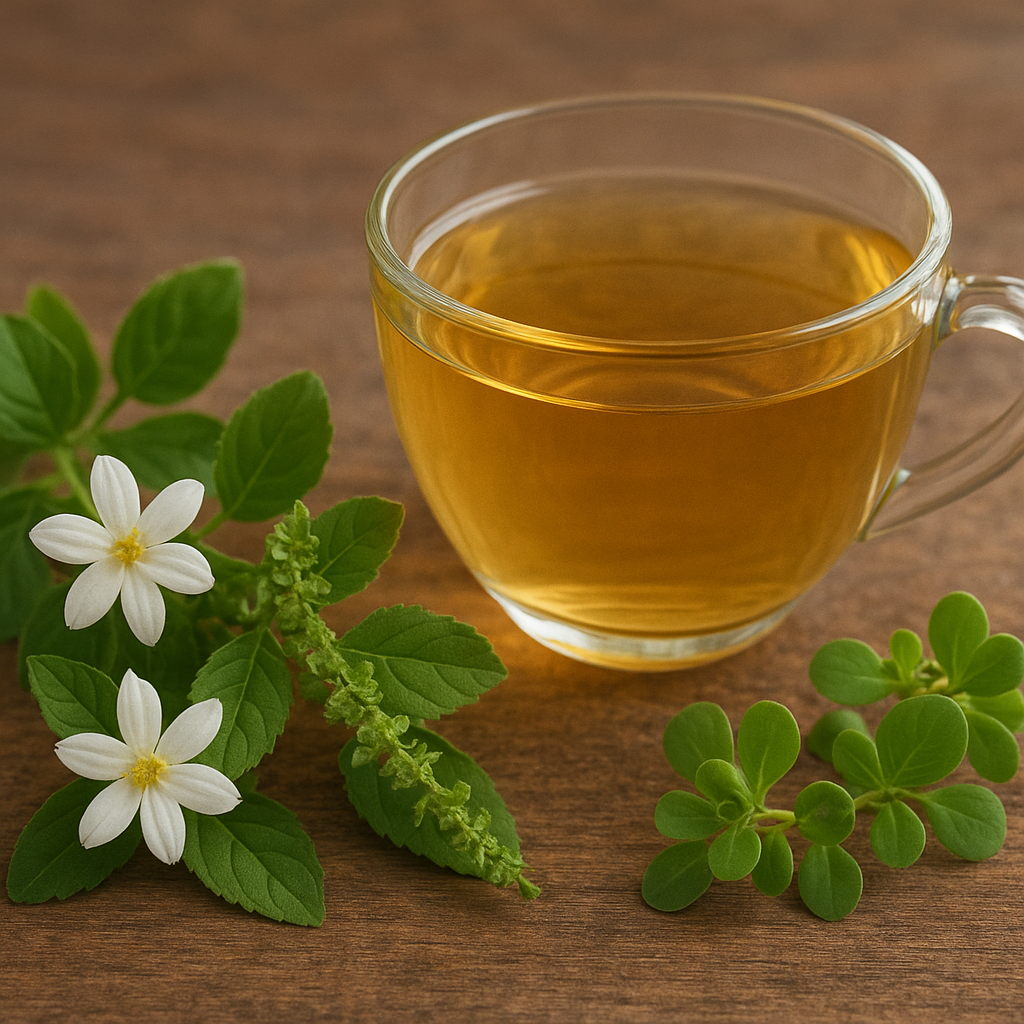
Together, Jasmine, Tulsi, and Brahmi package Indian jungle flower teas that blend herbal infusions with science-supported well-being. Every cup of these Ayurvedic flower tea India provides not just health benefits, but a glimpse of South India’s floral heritage.
Central India – Tribal Treasures & Heirlooms
In central India dense forests can be found and dense forests often indicate that there are rare floral Ayurvedic wellness beverages and botanical teas. In this region of India Mahua flower and Palash flower are very popular for wild-harvested flower blends. These organic flower teas India are popular not only due to their effectiveness in wellness but also for their taste.
Mahua & Palash: Tribal Heritage in Every Sip
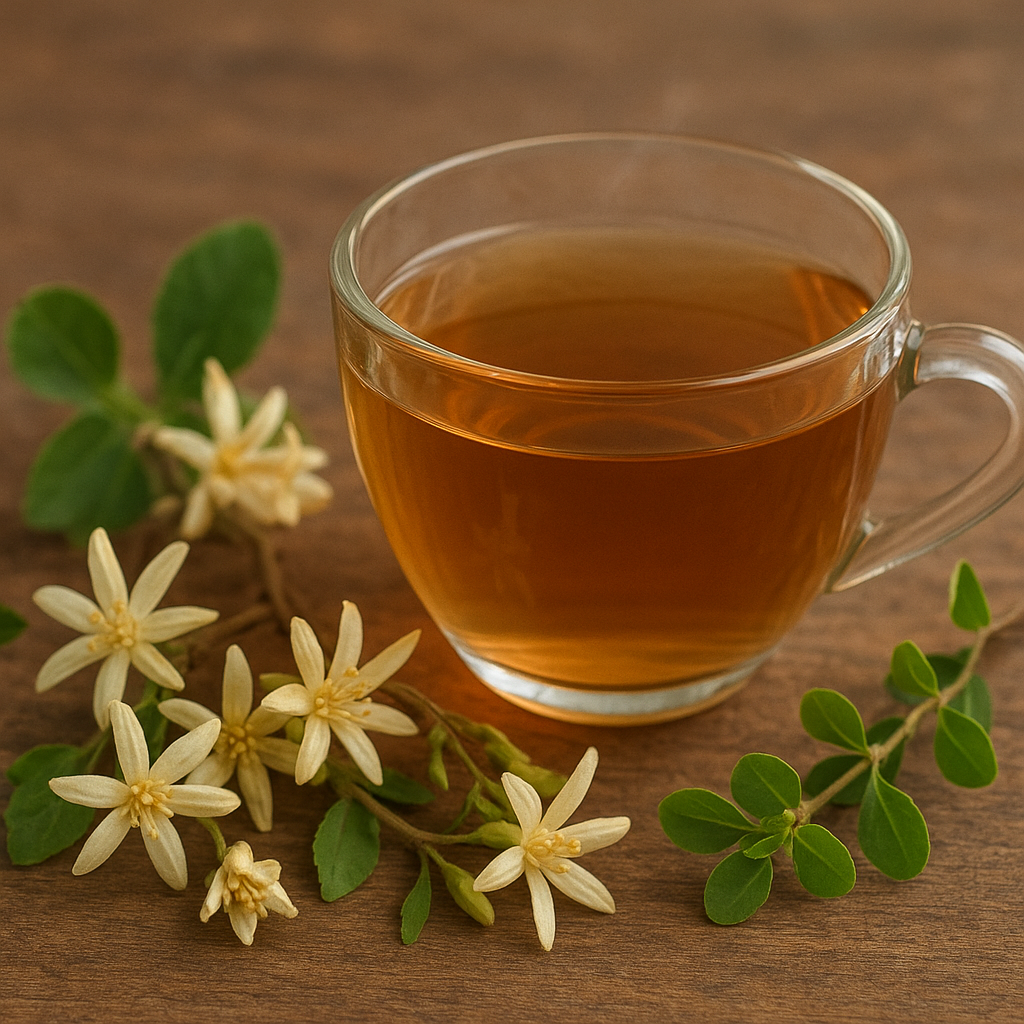
Mahua Flower Tea: The Mahua flower (Madhuca longifolia) is sacred and closely associated with tribal culture.
Though fermented drinks are commonly associated with this flower, Mahua flower tea tribal India benefits include soothing effects.
They are highly nutritious while it is also sweet by nature. Mahua flower tea from the tribal regions is increasingly recognized today as a novel health beverage.
These are for both for its cultural significance and its ability to promote well-being among the organic flower teas India.
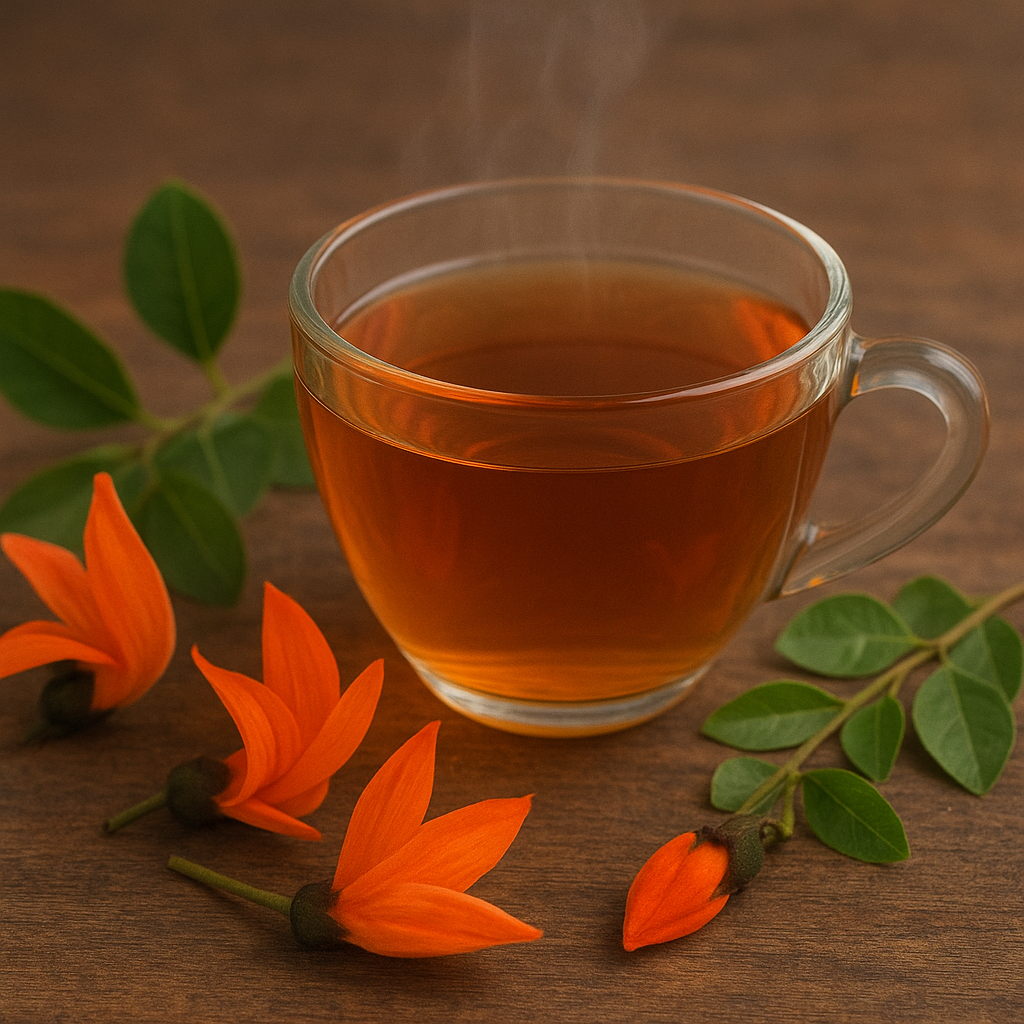
Palash (Flame of the Forest) Infusion: Another signature flower is the Palash (Flame of the Forest), whose orange flowers embody strength and vigor.
Used as an infusion, Palash tea is an anti-inflammatory and detoxifying beverage among the rare Indian flower teas.
Historically, it is served during festivities and rituals, demonstrating the strong affinity between nature and tribal faith.
These wild-harvested Ayurvedic wellness beverages not only introduce consumers to rare Indian flower teas but also bring into focus the significance of traditional tribal teas in carrying forward the legacy.
With each sip of Mahua or Palash, tea consumers connect with the ancient knowledge of Central India’s forests.
Desert & Dry Forests – Floral Survival
The flowers in the arid regions of India are a reminder of its resilience and the tea brewed from such flowers are also very good for health and wellness. Rare Indian flower teas from this region often focus on detoxification and cooling. The floral teas from this region are consumed mainly for comfort.
Desert Roses & Safflower: Beauty & Resilience
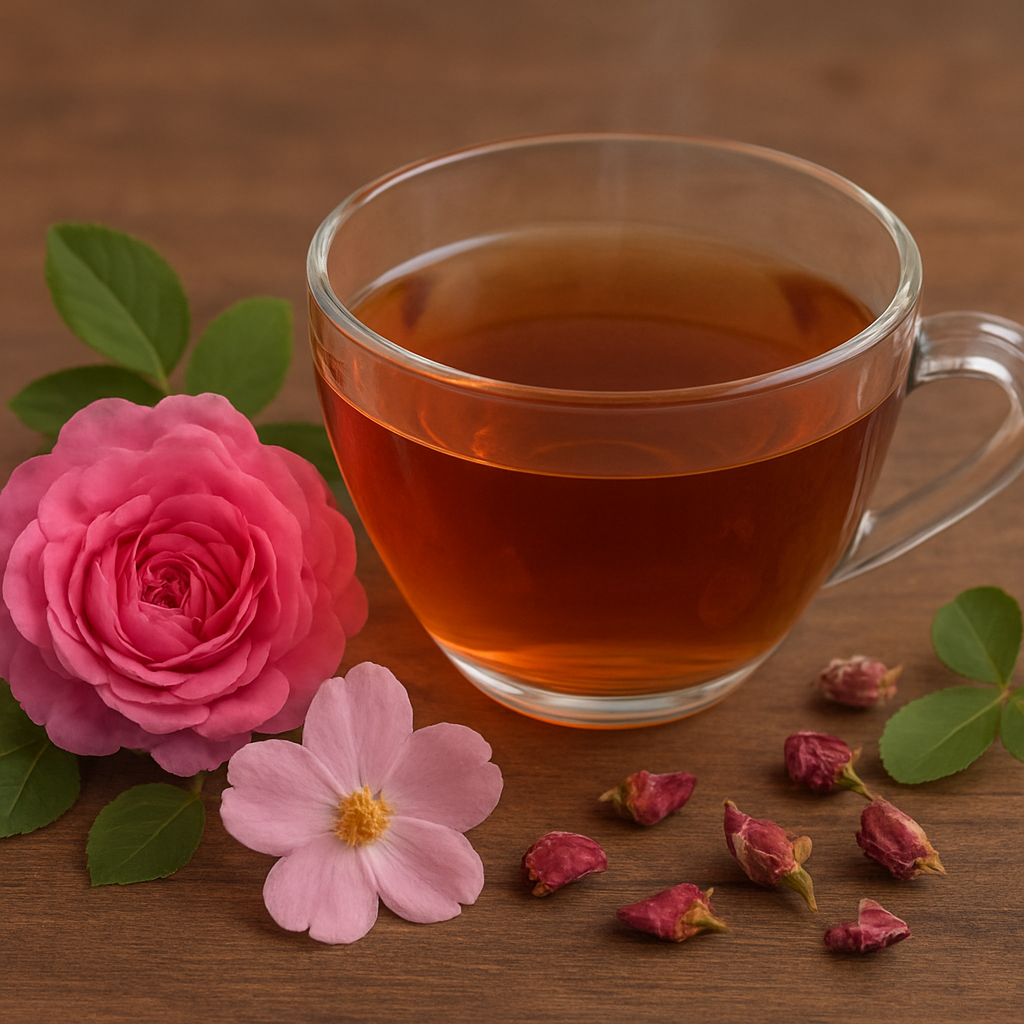
Rajasthan’s Rose Teas (Damask & Desert Rose): Rajasthan’s Rose Teas made from Damask and Desert Roses are valued as natural beauty teas.
They nourish the body, balance heat excess, and enhance radiant skin.
Historically, they served as hospitality teas to calm desert travelers.
This is among the natural beauty teas of India focused on hydrating, skin-soothing and cooling.
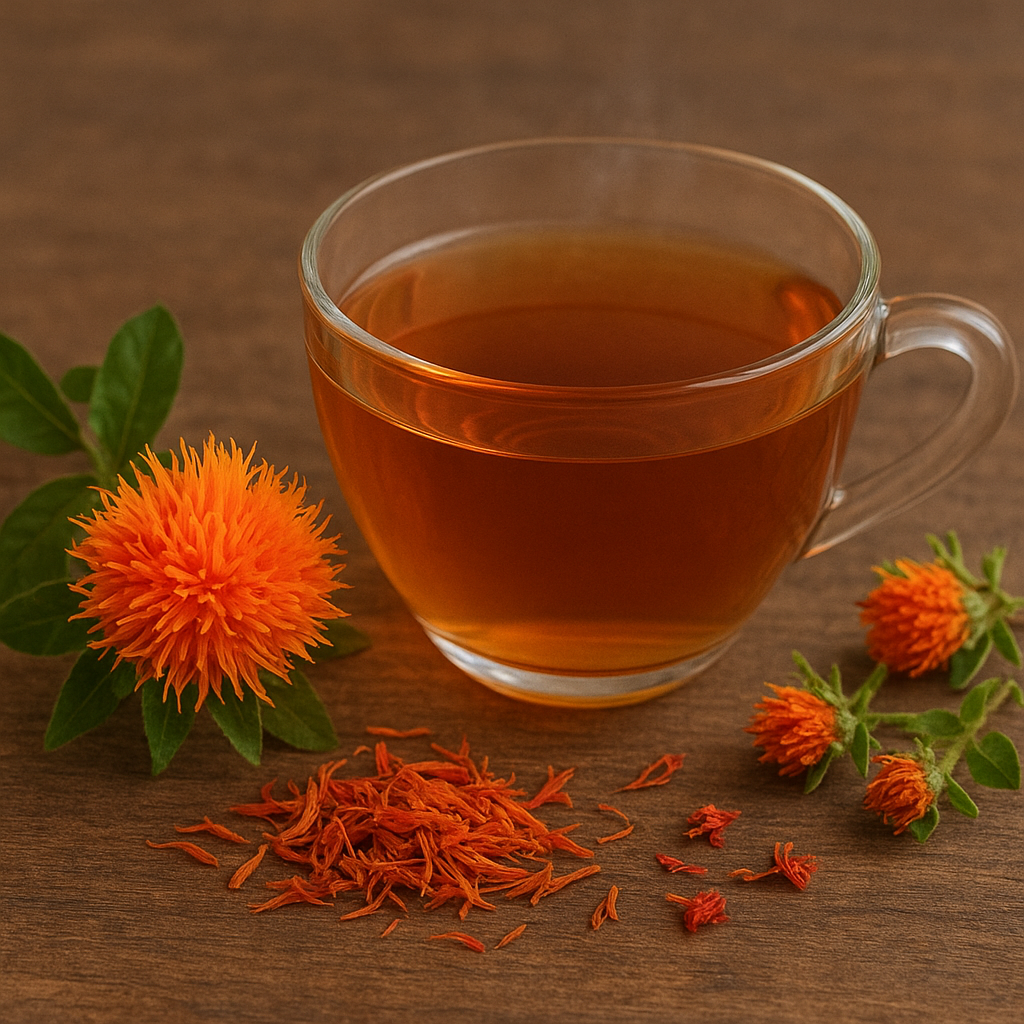
Safflower (Kusum) Flower Infusion: The Safflower (Kusum) Infusion, a highly colored golden-red tea, has been a vitality elixir for centuries.
It is associated with enhancing circulation and overall wellness.
This Ayurvedic flower tea is vibrant, used traditionally for health and vitality.
It is also popular as one of the organic flower teas India due to being an effective detoxifier.
These Indian jungle and dry forest organic flower teas show how resilience and beauty can flourish even under rough conditions. They also speak of green tea sourcing, as desert communities depend on these resilient flowers for livelihood and health.
Health & Beauty Benefits: Wellness in Every Bloom
From antioxidant-laden Butterfly Pea to heart-healthy Rhododendron and skin-nourishing Rose teas, each Indian floral tea is a natural powerhouse of wellness. The herbal teas are not just scented cups but are filled with nutrients, flavonoids, and curative compounds. Regular consumption nourishes digestion, immunity, stress relief, glowing skin, and cardiovascular health, and is therefore a healthy complement in our modern-day lifestyles. In Ayurveda, flower teas are recognized as gentle tonics that restore balance between mind, body, and spirit.
Each flower has a unique dosha-balancing quality: Chamomile calms vata by easing the nervous system, Hibiscus douses excess pitta by reducing internal heat, and Tulsi (Holy Basil) builds up kapha with its immunity-building and respiratory action.
This resonance with the body’s constitution renders Indian Ayurvedic flower teas not only medicinal but also extremely individualistic treatments for total well-being.
What contributes to such teas being so popular these days is their status as green wellness choices. From India’s varied habitats, they nourish environment-friendly farming and preserve traditional wisdom while keeping pace with modern health needs.
As people increasingly look away from sugar-laden processed drinks towards natural ones, Indian flower teas are gaining global popularity as everyday draughts of inner composure, outer beauty, and preventive healthcare.
Sustainability & Tribal Heritage: From Jungle to Cup – Ethical Sourcing & Heritage
The past of Indian organic flower teas is intertwined with that of people who grow them.
Harvested in the wild and processed traditionally by tribal communities of the Western Ghats, Himalayas, and forests of central India for generations.
The expertise of these flowers, seasons, and natural balance passed on to them makes the infusions not only medicinally beneficial but environmentally friendly as well.
By harvesting flowers from the forest themselves, they preserve ecological balance and cultural tradition.
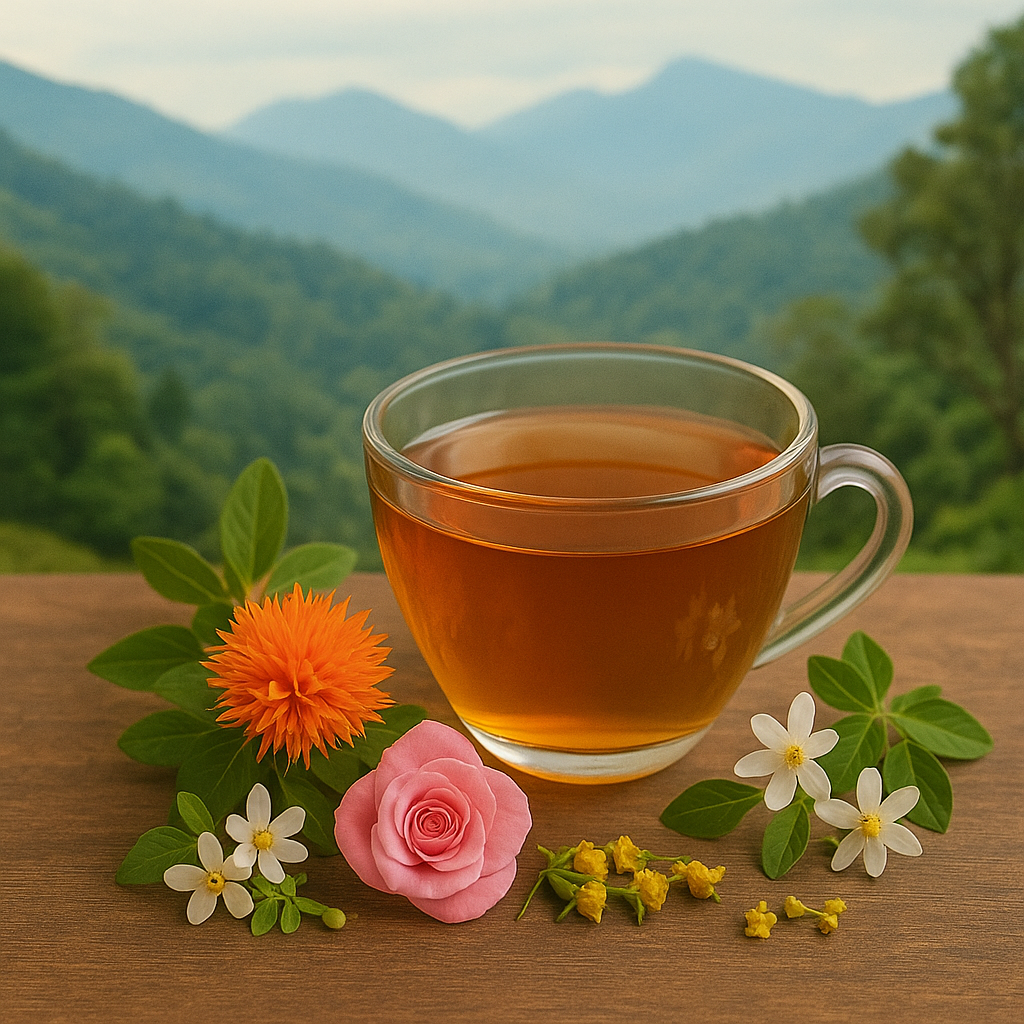
In recent times, environmentally aware companies and tribal co-operatives have come together to introduce these wild-harvested flower infusions into international markets.
Their collaboration guarantees equitable trade, community empowerment, and biodiversity conservation along with offering consumers authentic, chemical-free teas steeped in tradition. Each blend is a testament to endurance, heritage, and respect for nature.
Thus, with every cup of flower tea produced from the jungle, one is participating in a wellness ritual that is an ethical consumption act. With every sip, one supports tribal livelihoods, helps protect India’s rich biodiversity, and honors generations of passed-down knowledge.
In this way, these teas are not only beauty and health from the inside out but also capture the spirit of sustainability and social conscience, and therefore, they are body and earth treasures.
How to Brew and Enjoy: Brew Your Jungle Flower Tea at Home
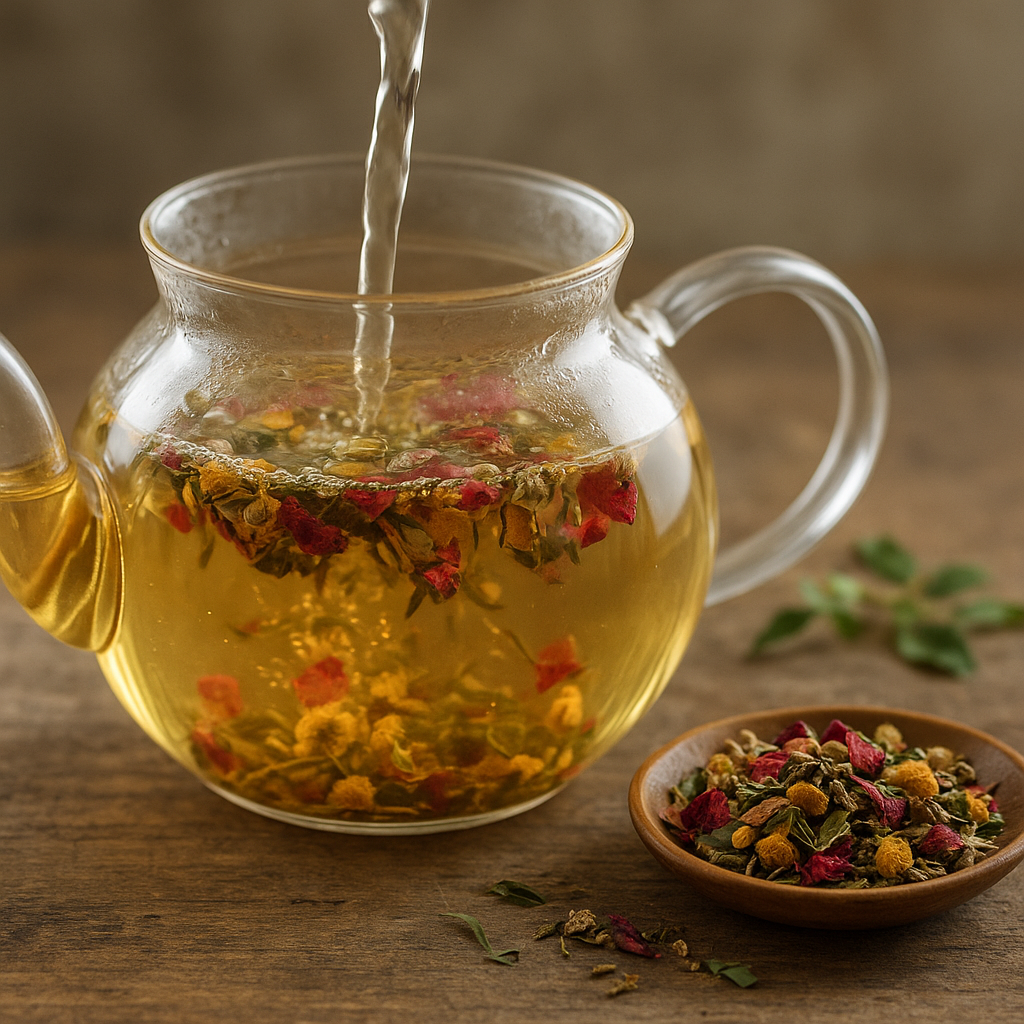
Indian floral tea is easy but lovely to brew. Take 1 teaspoon of dried flowers per cup, add hot (not boiling) water, and steep for 3 to 5 minutes.
With delicate flowers such as Chamomile and Jasmine, don’t over-steep to avoid bitterness.
For a bit of whimsy, try Butterfly Pea Tea, see it change from blue to purple when you squeeze in lemon.
Enjoy Hibiscus with honey for a sour delight, or drink Mahua plain for its sweetness.
Discovering how to make Indian floral tea at home makes the experience not only healthy but also enchanting.
FAQs
Q1. What are the most popular organic flower teas from India’s jungles?
A1. Some of the most popular varieties are Butterfly Pea tea of Northeast India, Rhododendron tea of Uttarakhand, Mahua tea of the tribal tracts of Central India, Hibiscus tea, and Rose tea of Rajasthan.
Q2. Are Indian jungle flower teas safe for daily consumption?
A2. Yes, flower teas in general are safe to use in moderation. But one must use organic and pesticide-free teas. Pregnant women, lactating mothers, or those with health issues should first take a doctor’s advice for regular usage.
Q3. What are the health benefits of drinking flower tea?
A3. Organic flower teas are packed with antioxidants, vitamins, and natural phytonutrients. They are said to aid digestion, stress relief, radiant skin, immunity, and heart health.
Q4. How do I brew flower tea at home for maximum benefits?
A4. Add 1 teaspoon of dried flowers to a cup, pour hot water (not boiling), and steep for 3–5 minutes. Add honey or lemon to taste. Don’t over-steep, as it will become bitter.
Q5. Where can I buy authentic jungle-sourced organic flower teas from India?
A5. Most eco-friendly tea companies and tribal co-operatives now market wild-harvested flower teas online. Be on the lookout for certified organic, fair-trade, and sustainable sourcing certifications before buying.
Call To Action
Overall, organic flower teas India is rooted in culture and Ayurvedic practices which can help with refreshment but it can also be something more than refreshment and support long term wellness. Discover the rare beauty of organic flower teas from India’s jungles and try them yourself. Want to share something? Comment below and for similar articles on Ayurveda follow us here.