“Hair fall, fatigue, weak immunity—could low protein be the cause?”
I don’t know how I will explain it to you but ….. Protein is a highly essential nutrient for your body. Proper protein intact helps to strengthen our immunity, muscle, nourishment for skin and hair while giving us a steady energy the whole day.
Yet, unknowingly millions of Indian people are currently suffering from protein deficiency without even realizing it. A survey statistic of 2024 suggested, protein deficiency in India is more than 70% which is the worst scenario for people to live their lives.
Lack of protein rich foods, cereal heavy diets following increasing protein deficiency among Indian people.
Make you prepare for the further ways; in this blog you will be able to identify protein deficiency symptoms in your body.
Able to discover protein deficiency home remedies through Ayurveda that will restore your body balance.
And with me you will learn how to balance the natural life structure of diet foods without using supplements.
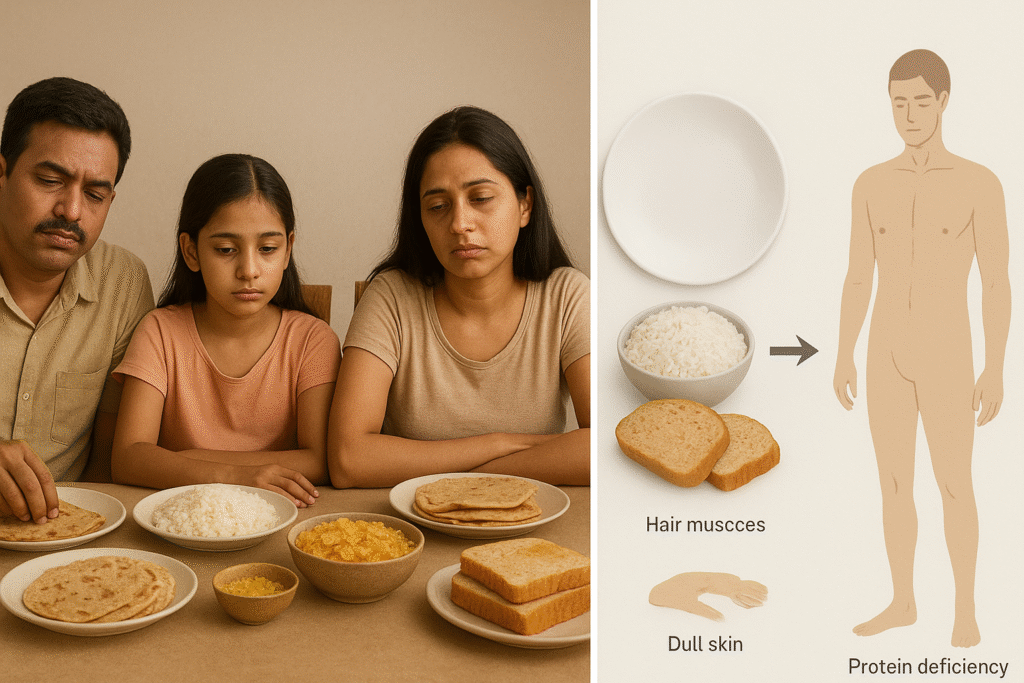
What Is Protein Deficiency?
Protein deficiency highlights or the protein deficiency symptoms show when your body is not getting enough protein to meet the daily needs of energy, growth and repair. The signs of low protein in body are:
- Insufficient quantity of eating or not having enough protein rich foods every day.
- Poor quality protein such as relying on an incomplete amino acid profile including plant heavy foods without properly combining those forms.
Protein deficiency India mostly kicks in when people have high wheat, rich, starchy foods, whether lack of consuming dairy, pulses like quality protein as sources.
Economic constraints, vegetarian protein sources, cultural preferences are another I noticed that increasing protein deficiency symptoms in India highly.
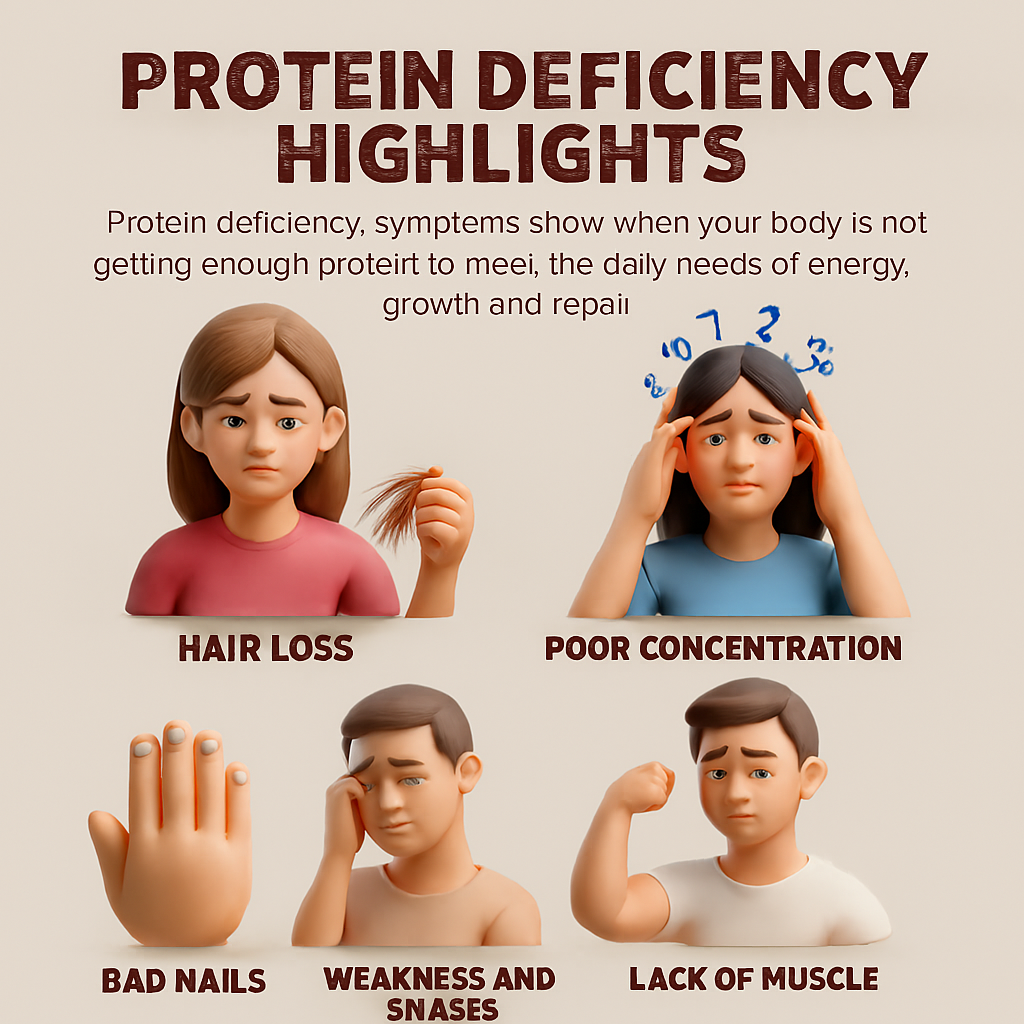
Recognizing the Symptoms — Early Warning Signs of Low Protein
Signs of low protein in body you should consider in early stage, and those I am showing you right next in the page:
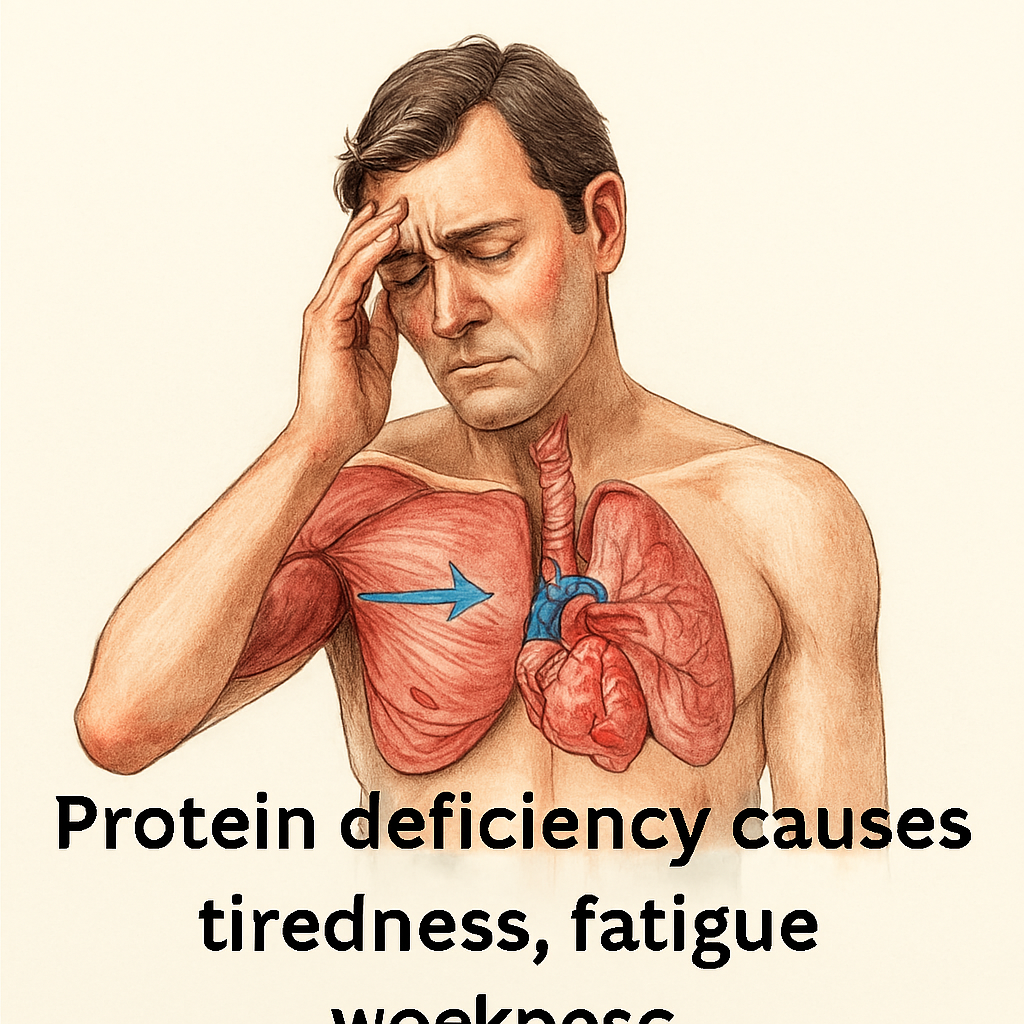
Constant Fatigue, Weakness & Muscle Loss:
- Protein deficiency causes persistent tiredness, fatigue weakness due to low protein
- Loss of strength & muscle health waste gradually
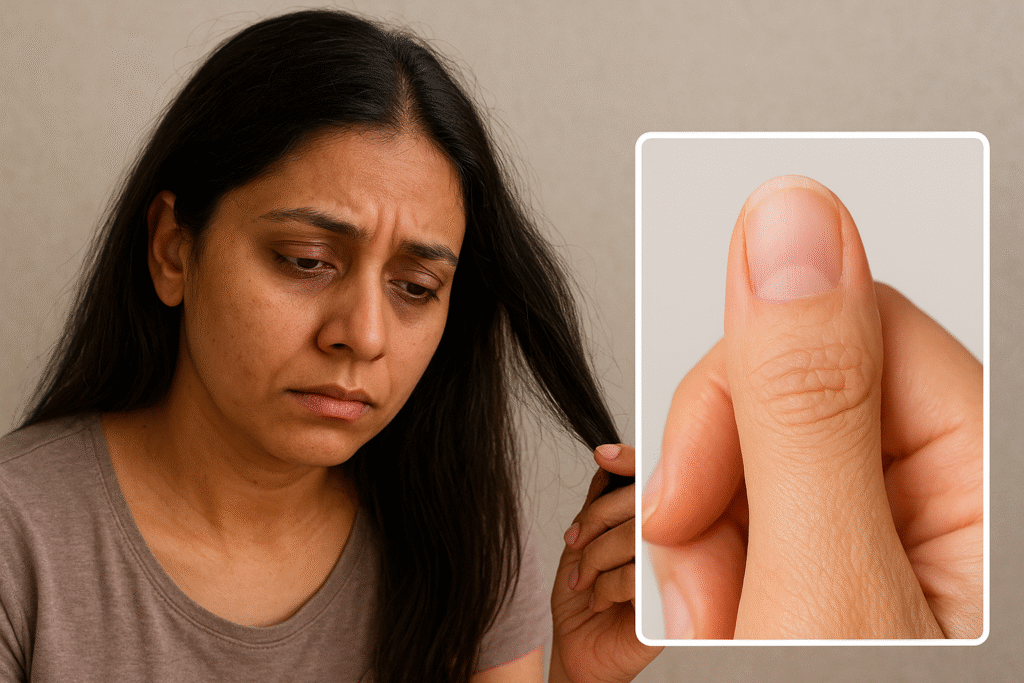
Hair Thinning, Brittle Nails and Skin Issues:
- Falling hair with dullness and weak
- Fragile nails for low protein and immune health
- Flaky and extra dry skin
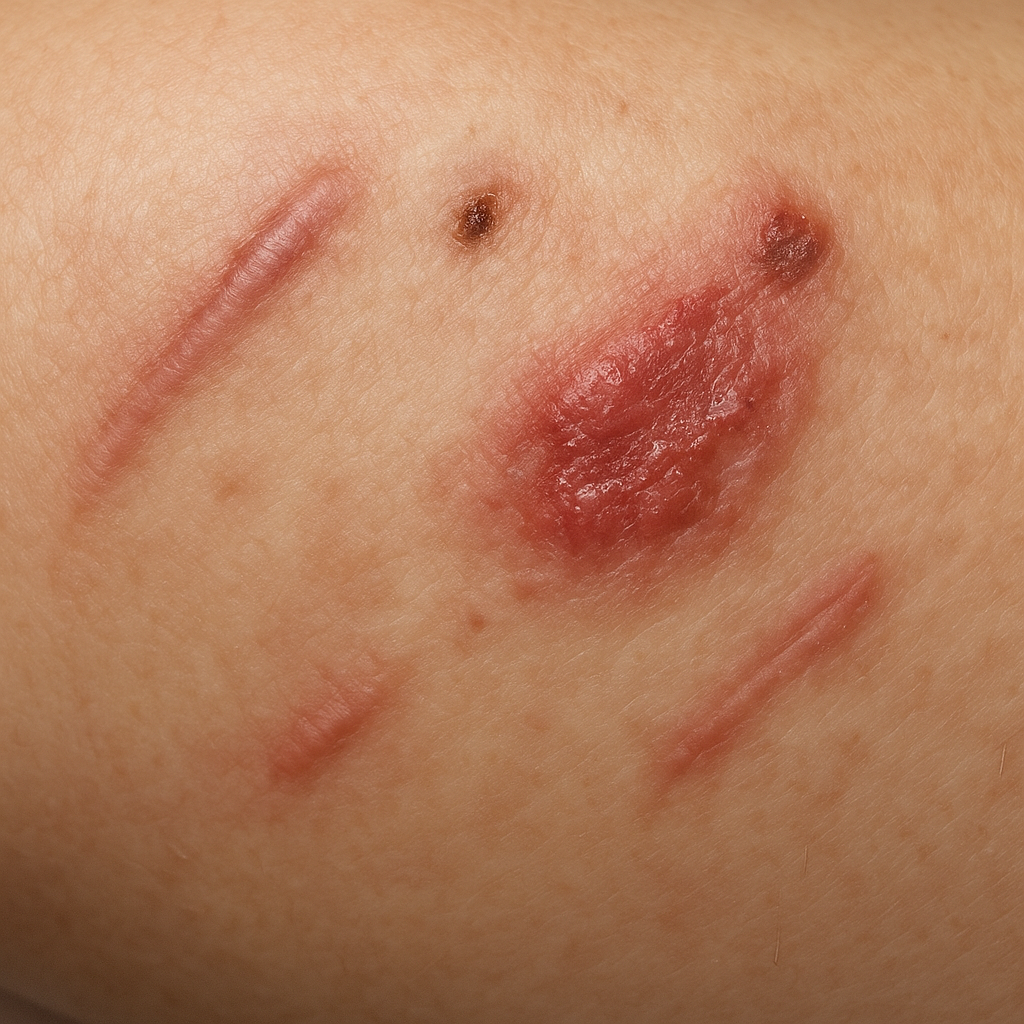
Slow Healing of Wounds:
- Scarps and cuts taking longer time to recover
- Growth of minor infections

Edema, Puffiness (Swollen Feet, Puffy Face):
Lower albumin in blood for low water retention highlights edema swelling low protein
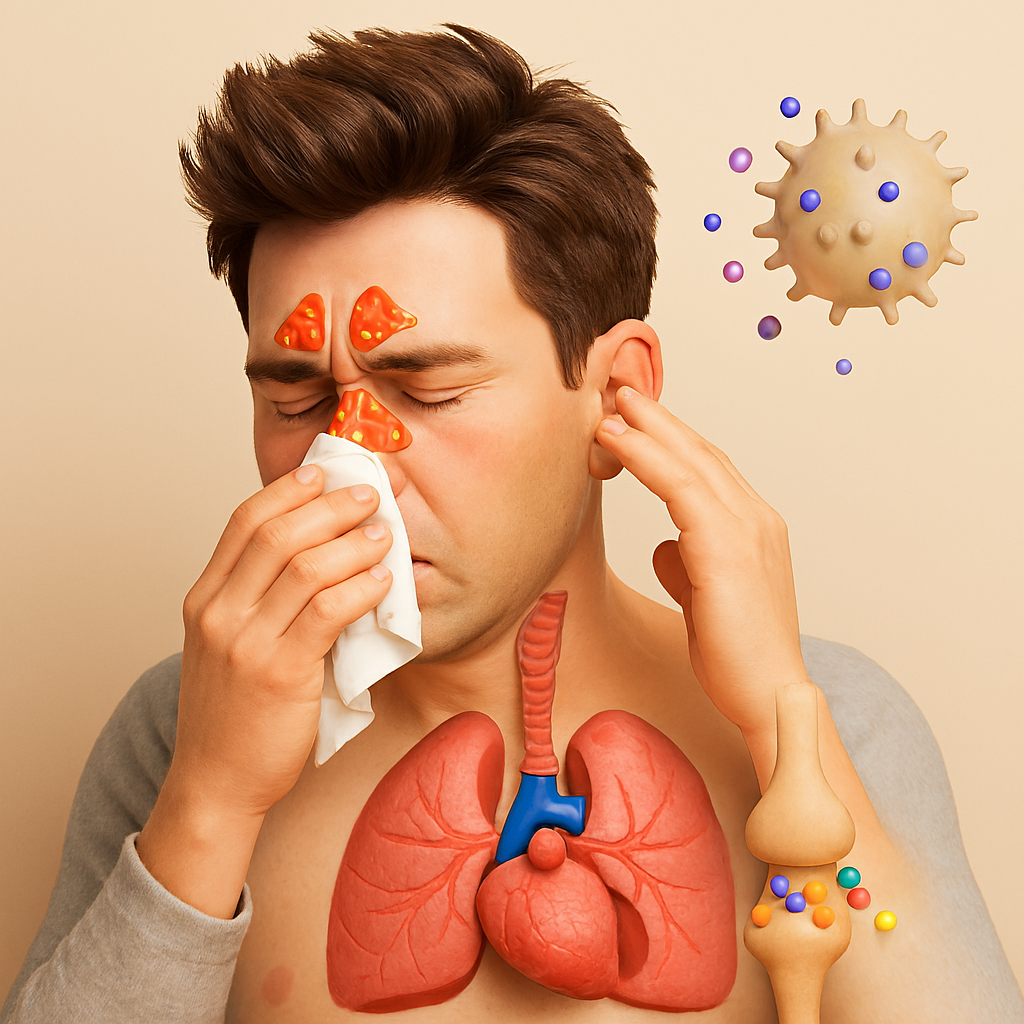
Frequent Illnesses & Lower Immune Response:
Constant cold, cough and recovering difficulty
Mood Changes, Cravings & Appetite Alterations:
- Constant mood swings, anxiety
- Craving for junk foods with high curbs
Why It Happens — Causes of Protein Deficiency in India
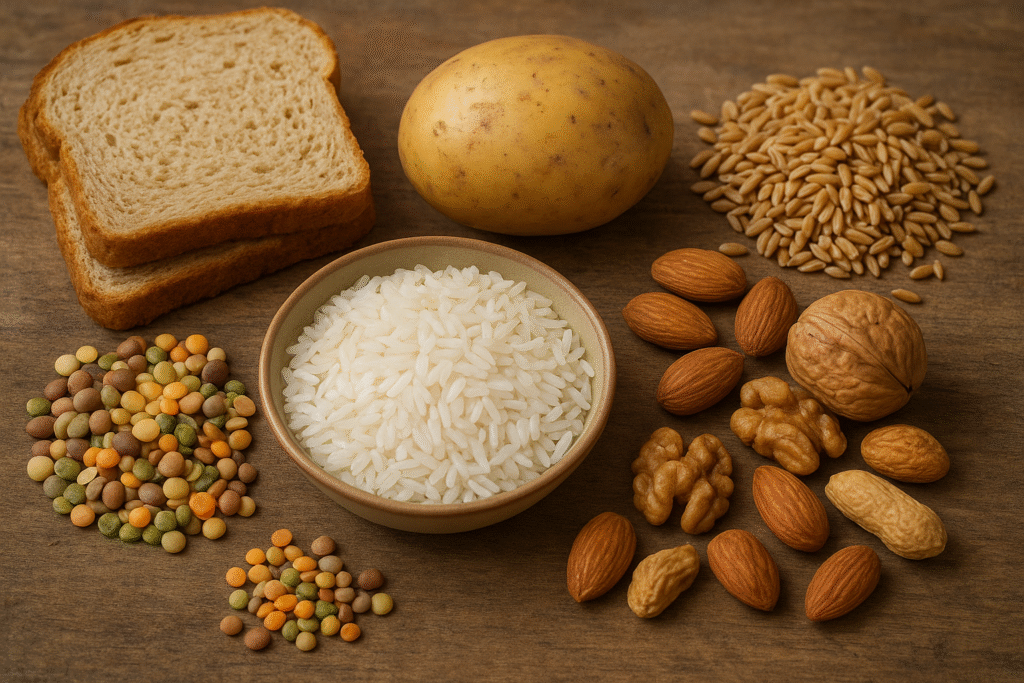
Diets too heavy in starches, cereals without sufficient pulses/legumes.
- Protein deficiency causes with having potatoes, wheat, rice meals which crowding out protein
Poor protein quality / low bioavailability.
- Excessive having of vegetarian protein sources by lacking amino acid of animal protein
Economic / access / awareness constraints.
- Dairy, pulses, nuts are getting costly instead of accessibility.
Vegetarian / Vegan choices without strategic combinations.
- Vegetarians skip the cereal pulse pairing structure as per the requirements of their body which sometimes defines protein deficiency symptoms in children.
Ayurvedic & Natural Home Remedies to Fix Protein Deficiency
How to know if you have protein deficiency symptoms in an Indian diet? You also want to know easy home remedies to fix low protein. Here I am sharing some proper plans to fix your protein deficiency at home.
Incorporate Protein-Rich Ayurvedic Foods
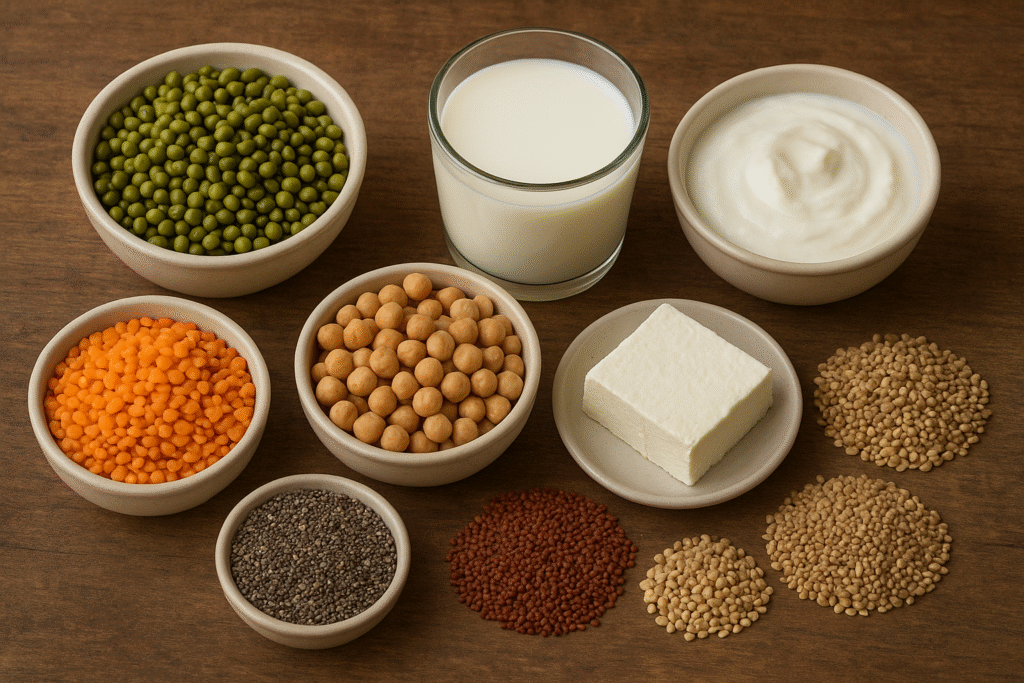
- Pulses & legumes like moong, chana, lentils tips on how to cook them to improve digestibility ensures high protein Indian home foods for vegetarians regularly.
- Dairy include milk, yoghurt, paneer which I would suggest preferably homemade protein rich foods India
- Nuts & Seeds like almonds, peanuts, sesame, chia, flaxseed dairy protein vs plant protein for stability
- Traditional grains & millets like ragi, bajra, jowar are natural ayurvedic remedies for protein deficiency.
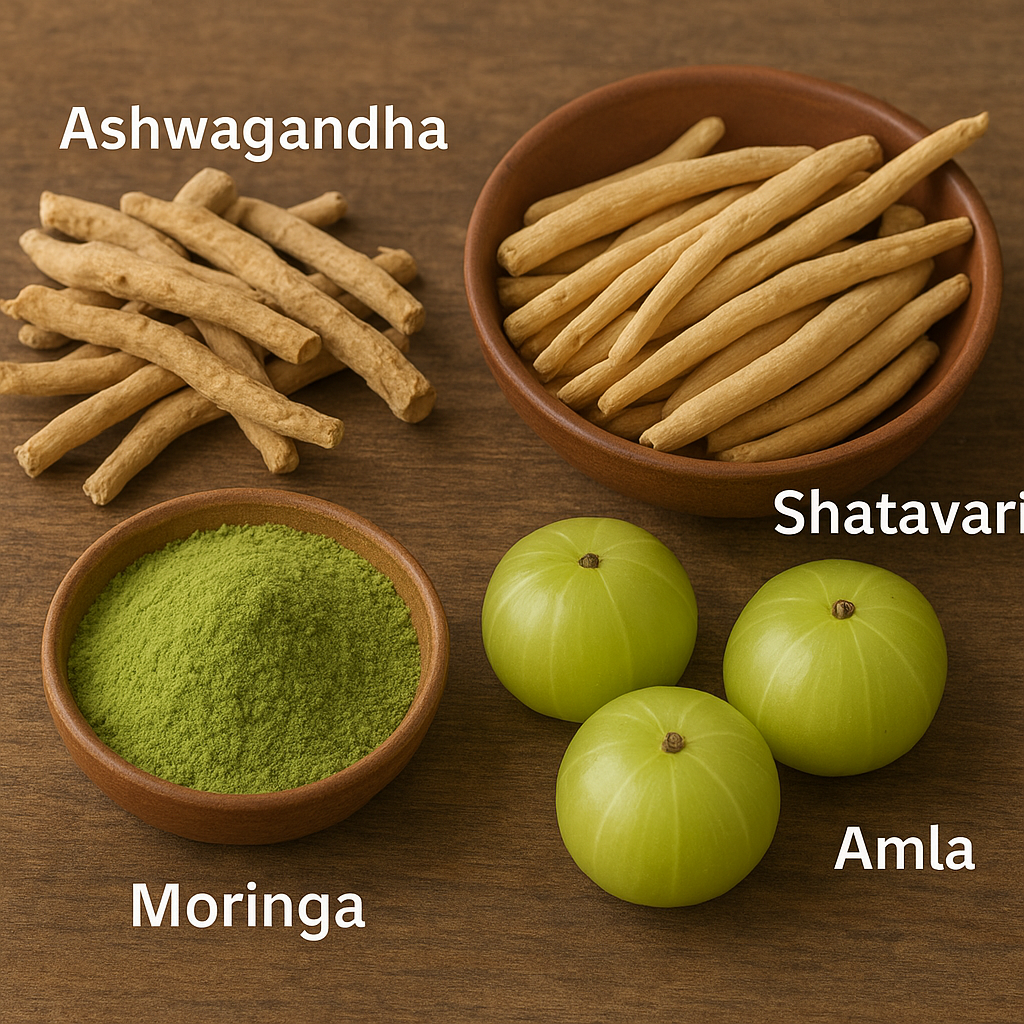
Herbal/Ayurvedic Herbs That Support Protein Absorption & Repair
Ashwagandha: Improves muscle strength and stamina for pulses and legumes for protein
Shatavari: Intend tissue nourishment as protein absorption tips
Moringa: Rich plant protein and micronutrients as herbal sources of protein
Amlaki: Develop digestion and nutrients malnutrition India
All of these Ayurvedic herbs you can get in the form of powder, so just mix it with water and drink.
Cooking Practices & Combinations to Enhance Protein
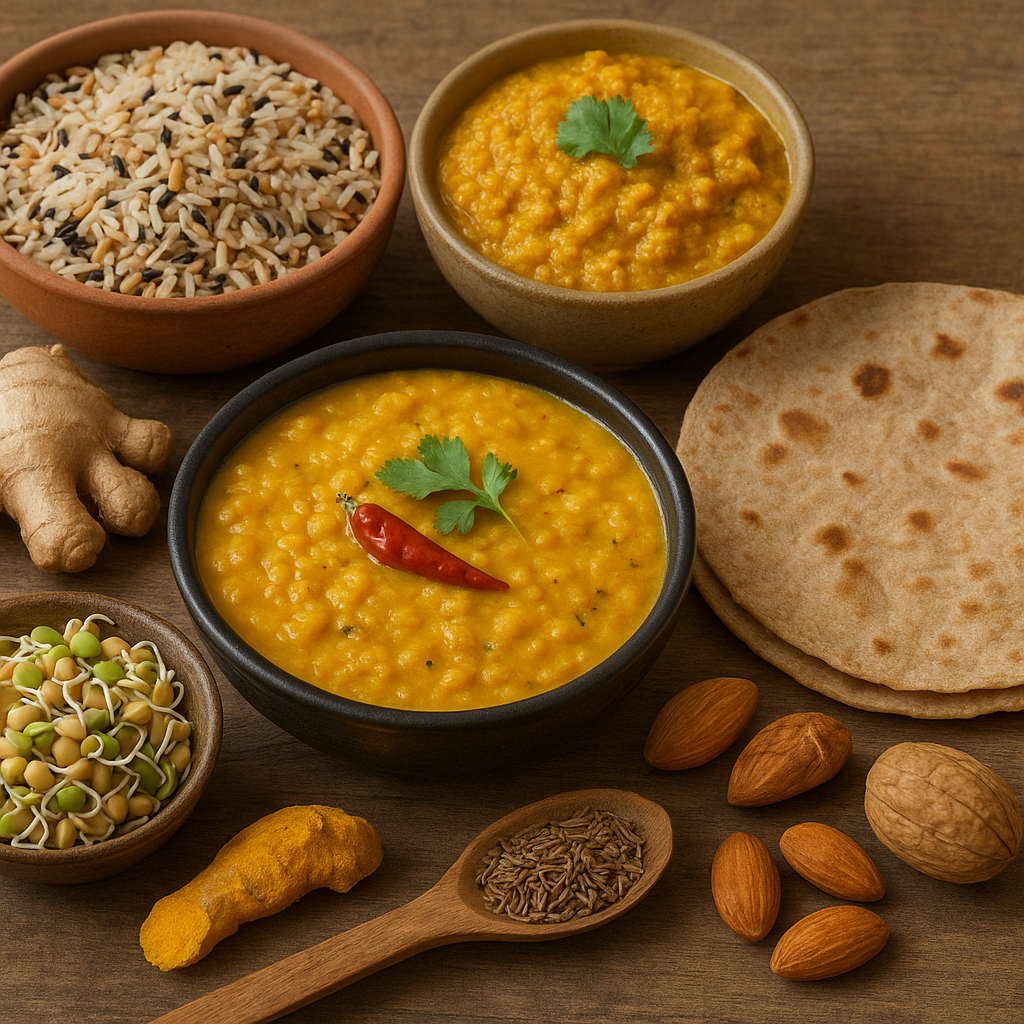
- Pairing cereals + pulses for complete amino acid set.
- Taking an example of rice with dal or chapati with dal and besan curry are natural remedies for protein deficiency.
- Soaking / sprouting pulses & legumes before cooking is the Ayurvedic tradition to improve nutrients and vegetarian protein sources.
- Ginger, turmeric, cumin are the spices that to solve the question of yours how to increase protein intake naturally by balancing your metabolism strength.
Daily Habits & Lifestyle Tips
- I would suggest to include some specific protein for every meal to get natural remedies for protein deficiency
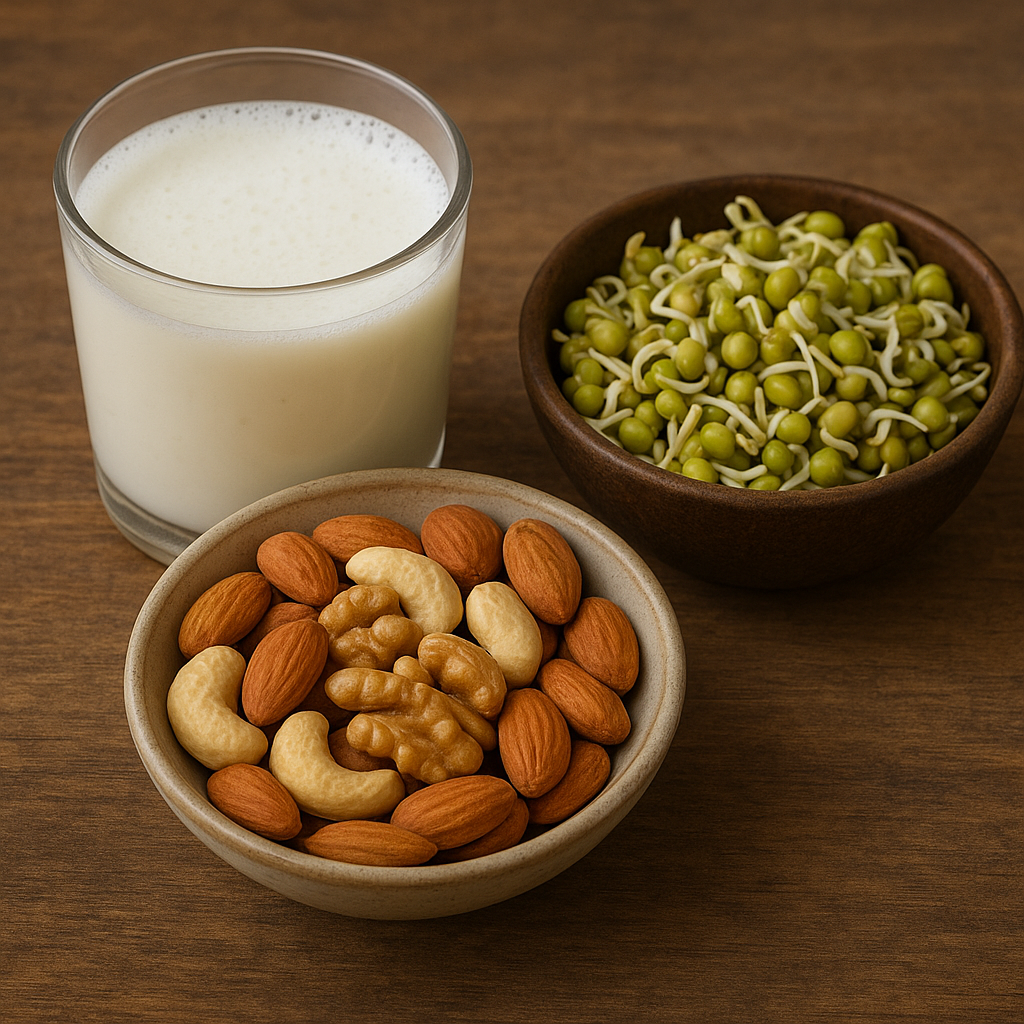
- Opt for small snacks like nuts, buttermilk, sprouts
- Prioritise digestion and sleep as per Ayurveda as natural ayurvedic remedies for protein deficiency that repair tissues.
Sample High-Protein Indian Home Remedies / Recipes
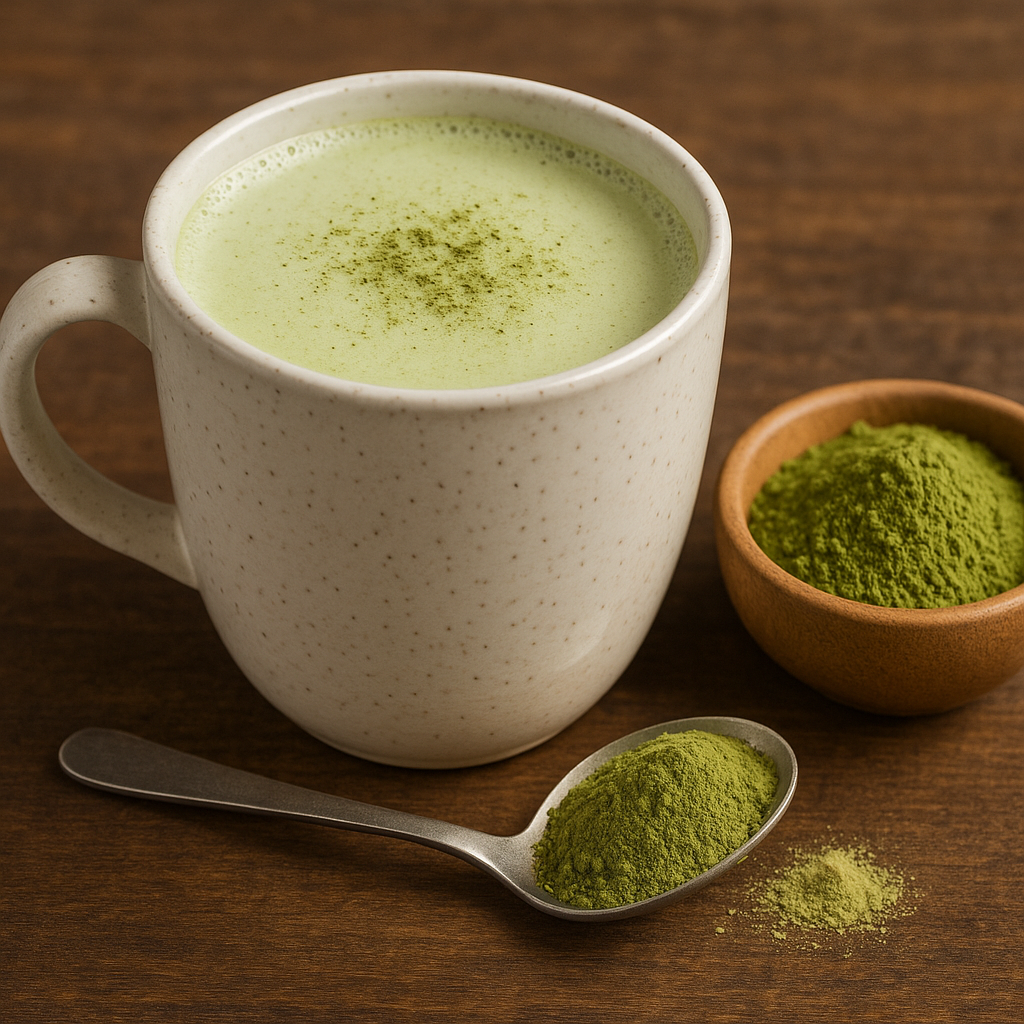
Early Morning Drink with Moringa & Milk
Protein: Almost 8g
Ingredient: 1 cup of warm milk, 1 teaspoon moringa powder with a pinch of cardamom
Method: Drink it on empty stomach
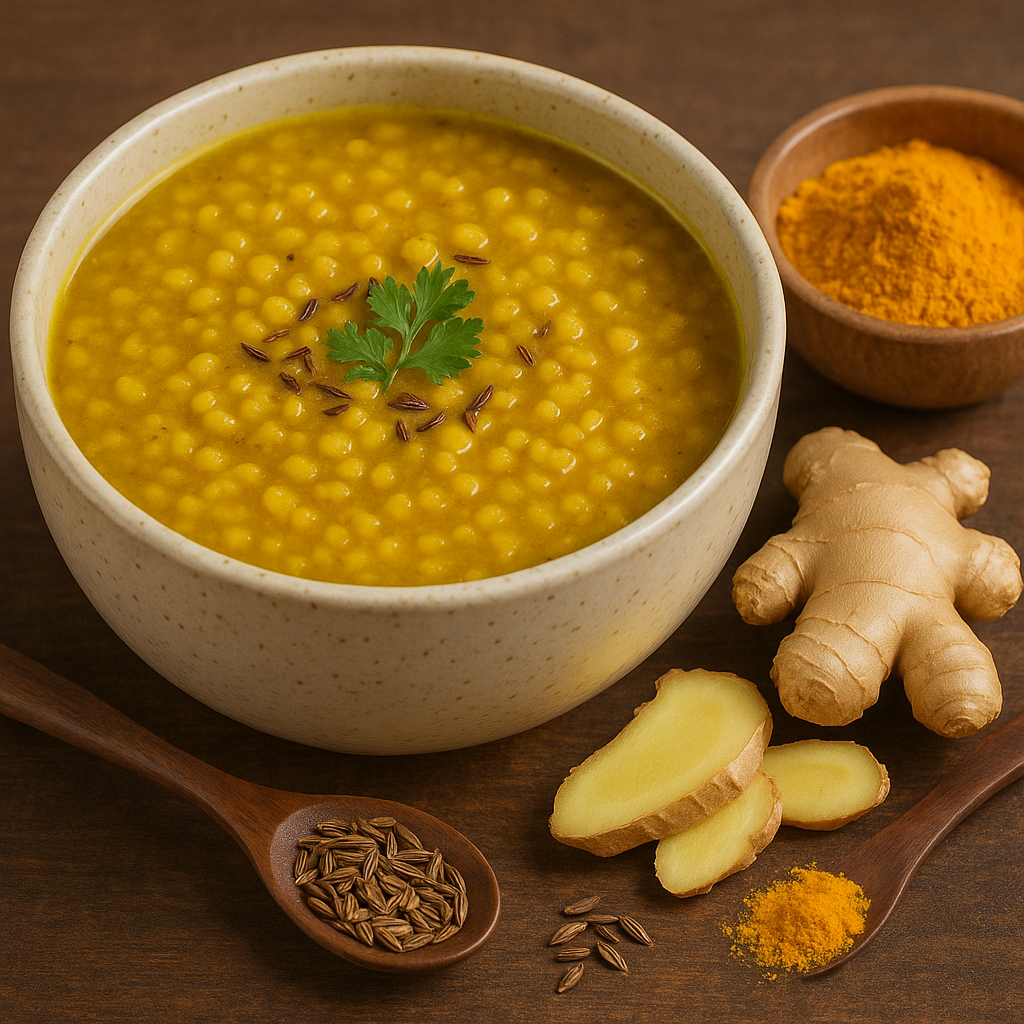
Herbal Mung Bean Soup with Ginger & Turmeric
- Ingredient: ½ cup of moong dal, turmeric, ginger and cumin
- Method: Temper it with spices and ghee and boil it
- Protein: 12g in per bowl
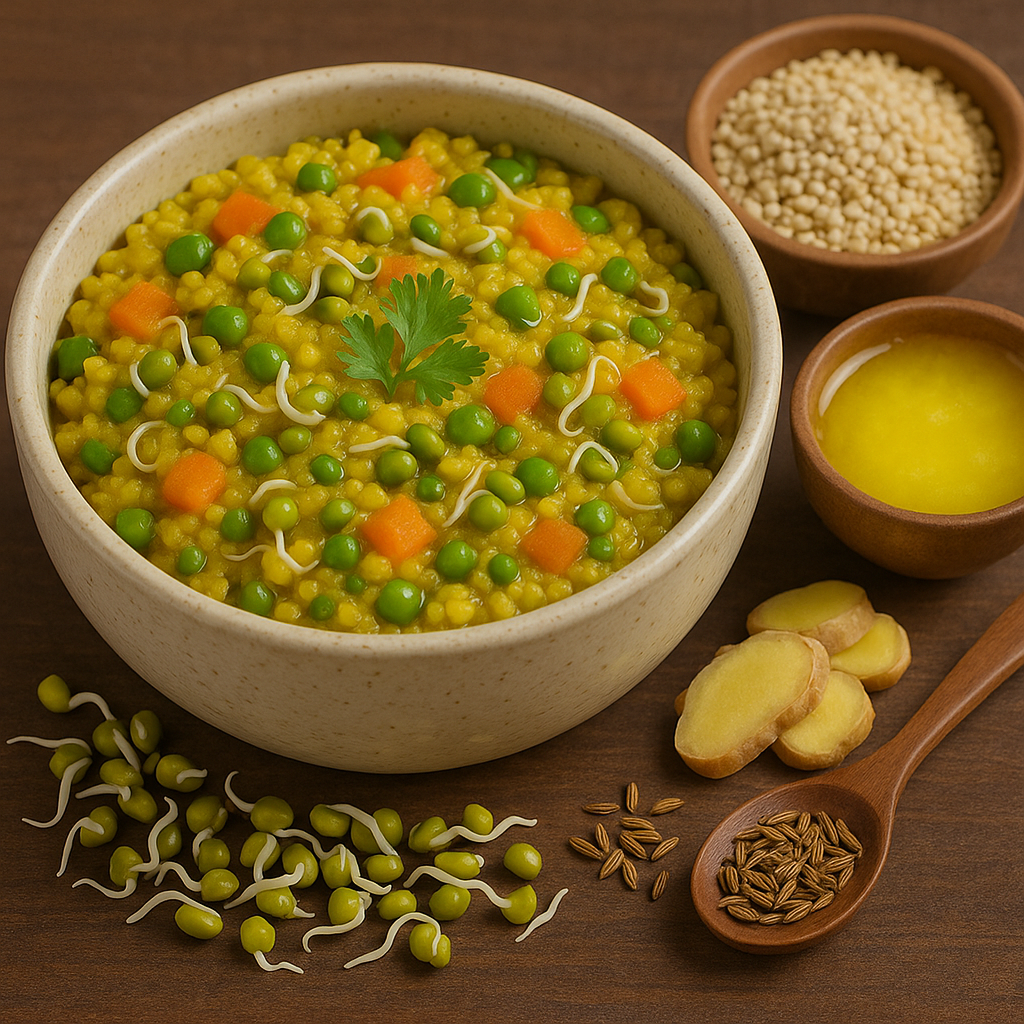
Millet Khichdi with Sprouted Moong & Ghee
- Ingredient: ½ of sprouted moong, millet, ghee and vegetables
- Protein: serving as 14g per protein
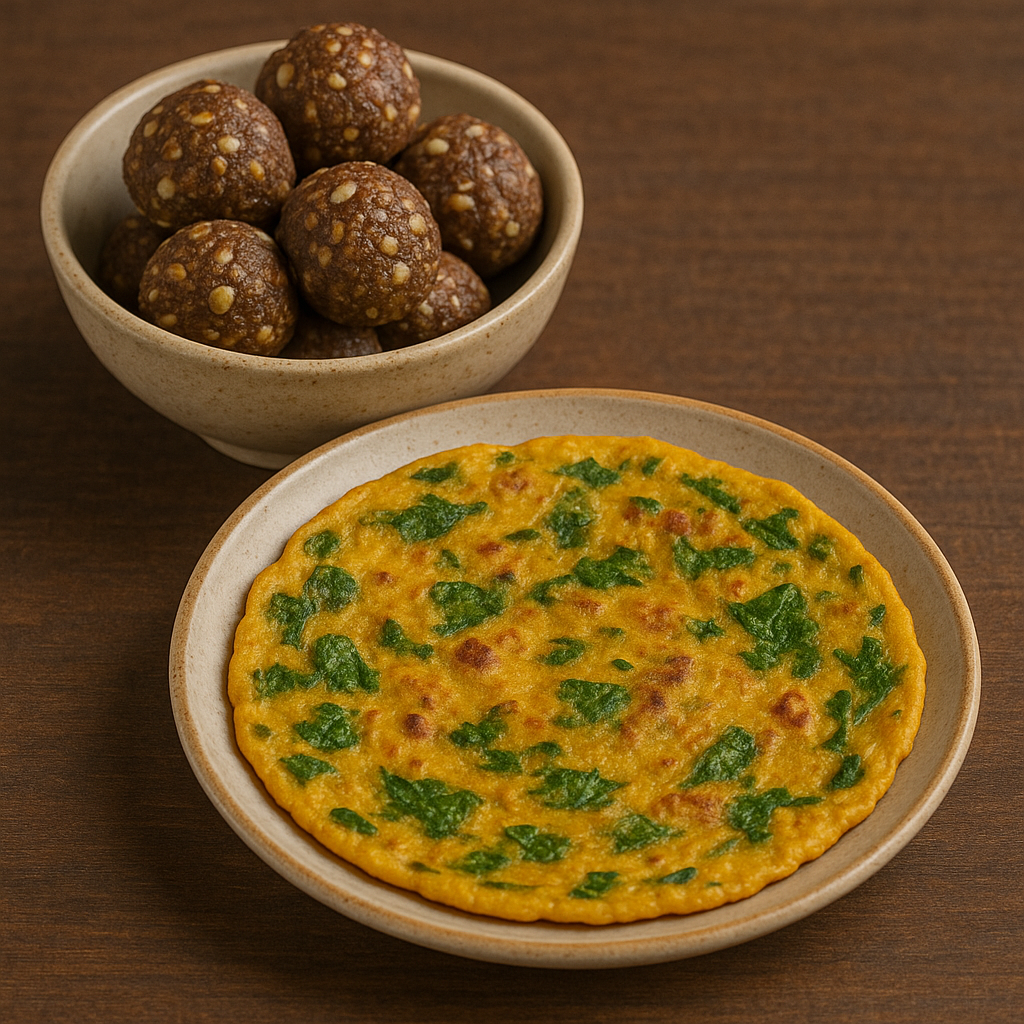
Nut & Seed Laddu (homemade, no sugar overload)
Protein: 6-9g in each laddu
Ingredient: Roasted peanuts, sesame, flaxseed and jaggery
Paneer / Besan Chilla with Spinach
- Ingredient: Make a besan or paneer batter, spices and chopped spinach
- Protein: 10-15g of protein in each chilla
When To See a Doctor / Warning Signs
- Edema swelling low protein
- Stunted growth detects protein deficiency symptoms in children
- Unexplained weight loss with protein deficiency symptoms hair skin nails
- Symptoms persist despite diet changes highlights protein deficiency symptoms
For these, consulting a doctor and doing possible blood tests like serum albumin, total protein are highly recommended to manage.
FAQ Section
FAQ 1: What is the recommended daily protein intake in India?
Around 0.8 — 1 g per kg of theory body weight required for each adult of India.
FAQ 2: Can vegetarians meet protein needs without supplements?
Yes, of course, having quality dairy, nuts, pulses and cereal strategically and in combination form.
FAQ 3: Which Ayurvedic herbs help with muscle recovery and health?
‘Ashwagandha, Shatavari, and Moringa’ are excellent to repair tissues and core strengths.
FAQ 4: How long does it take to reverse mild protein deficiency with diet?
Maintaining the consistent format, it would take 4–8 weeks for improvement.
FAQ 5: Are protein powders necessary or safe for everyone?
No, not always. Whole types of foods are preferable. Powders are mostly recommended by doctors in any emergency cases, not always.