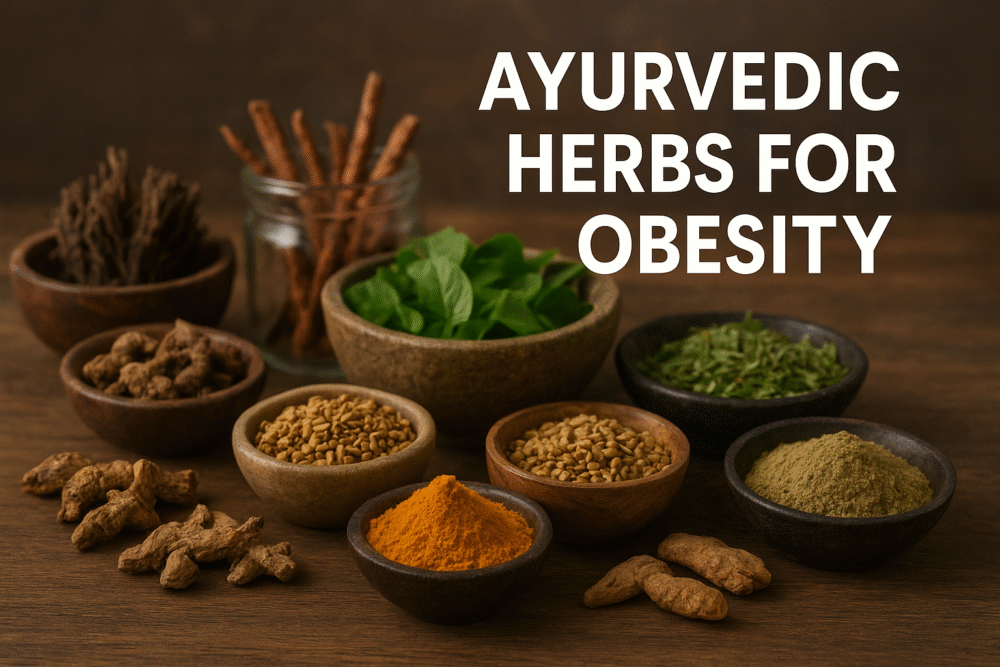
Globally, obesity has nearly tripled since 1975, with 1 in 4 heart attacks linked to poor diet and sedentary lifestyle
Obesity is a rising global health issue as it has tripled since 1975. High intake of refined sugar and processed food has become one of the leading reasons for obesity around the world. On top of such a bad diet, lack of physical activity creates metabolic stress leading to obesity.
Obesity does not only increase chances of heart attacks directly but also increases the chances of various other complicated diseases which further increases the chances of a heart attack in the future. A high-fiber diet Ayurveda is needed to minimize heart related health issues. Lack of fiber in diet and increased sugar intake instead is one of the main reasons for obesity as well as elevated risks of heart attack.
From an Ayurvedic perspective, Ahara (diet) and Vihara (daily activity) are highly important for maintaining physical health in the human body. Let’s learn more about obesity and heart attack as well as the Ayurvedic diet for heart health improvement.
How Poor Diet, Obesity and Sedentary Lifestyle Trigger Heart Attacks
Poor diet planning is one of the major reasons for obesity. As a matter of fact, the increased rate of refined sugar and processed food consumption is identified to be among the major issues that can significantly affect lives of the people.
When our unhealthy food consumption increases as well as we live an inactive life it disrupts the metabolism and digestion within the body.
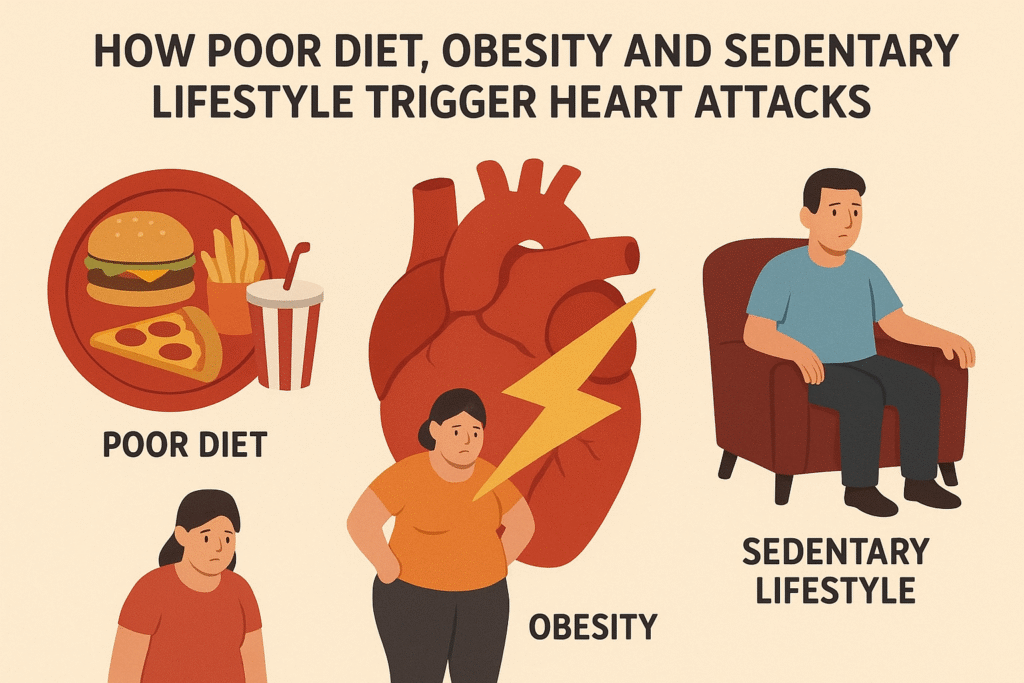
It results in toxic buildup which is also known as ama in Ayurveda blocking srotas or body channels or blood flow within the body.
It severely increases the risks of heart diseases such as arrhythmia, heart failure and heart attacks. Sedentary lifestyle health risks also includes chances of heart diseases and obesity.
Processed Foods and Sugar – Hidden Heart Killers
More sugar consumption creates insulin resistance.
Evidently, later on leads to diabetes, a great risk factor for cardiovascular disease.
Processed junk such as fried foods, processed carbohydrates, and sweet beverages directly cause obesity and metabolic syndrome.

Ayurveda describes this as Ama formation—toxic waste that stops the heart’s energy channels.
Research indicates that a diet rich in fast foods increases metabolic syndrome risk by 40%.
It highlights how detrimental processed foods are.
Obesity – The Silent Strain on the Heart
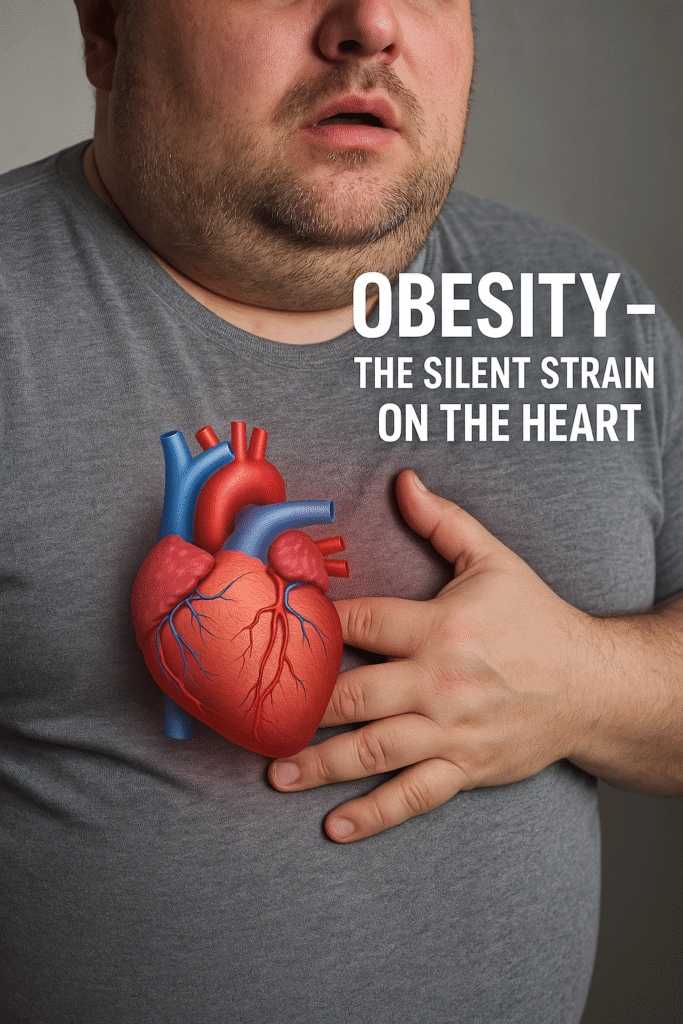
Excess weight puts extra pressure on the blood vessels.
Evidently, it causes them to elevate blood pressure, cholesterol, and triglyceride levels, constantly taxing the heart.
Belly fat or central obesity is the greatest risk indicator for heart attack.
This condition is known as Medo Roga in Ayurveda, an imbalance of fatty tissues due to inappropriate diet and a lifestyle of physical inactivity.
Obesity is not about looks alone; it quietly hurts arteries, enhancing the risk for coronary artery disease as well as stroke.
Sedentary lifestyle Heart Disease – Sitting is the New Smoking
Sitting for hours at desks or screens causes poor blood flow, slow metabolism, and increased stress.
Studies indicate that sitting over 8 hours a day raises the risk of heart attack by 20–30%.
Ayurveda recognizes idleness as an imbalance of Kapha, where metabolism is slowed and toxins pile up.
Daily movement and natural food, however, have been shown to guard the heart and keep energy levels up.

Ayurvedic View – Balance Diet, Activity and Mind for Heart Health
As per Ayurveda, a poor diet causes excess Kapha and Ama accumulation which also indicates a connection between unhealthy diet and heart attack. Inactivity can further lead to obesity and obesity indicates Medo Dhatu (fat tissue) imbalance.
Lack of activity dulls Agni (digestive fire) and stops circulation and can affect blood flow within the body.
The only answer is a Satvik diet which also includes Medo Roga Ayurvedic remedies (healthy, vegetable-based foods), conscious control over portions.
Regular Vyayam (exercise) customized to suit one’s body type.

Kitchen Shelf Remedies for Weight Loss and Heart Protection
Common kitchen spices can powerfully aid weight loss and heart protection and here are a few natural weight loss remedies.
Turmeric reduces cholesterol, fenugreek facilitates digestion and blood sugar control, whereas cinnamon improves insulin sensitivity.
Black pepper and ginger increase metabolism and burn visceral fat.
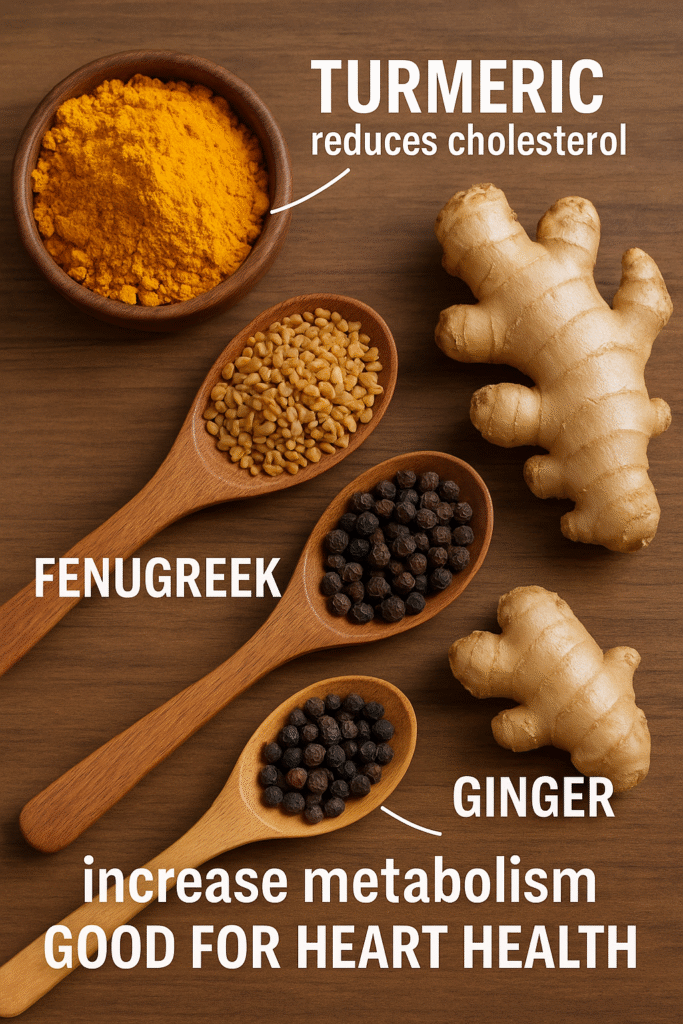
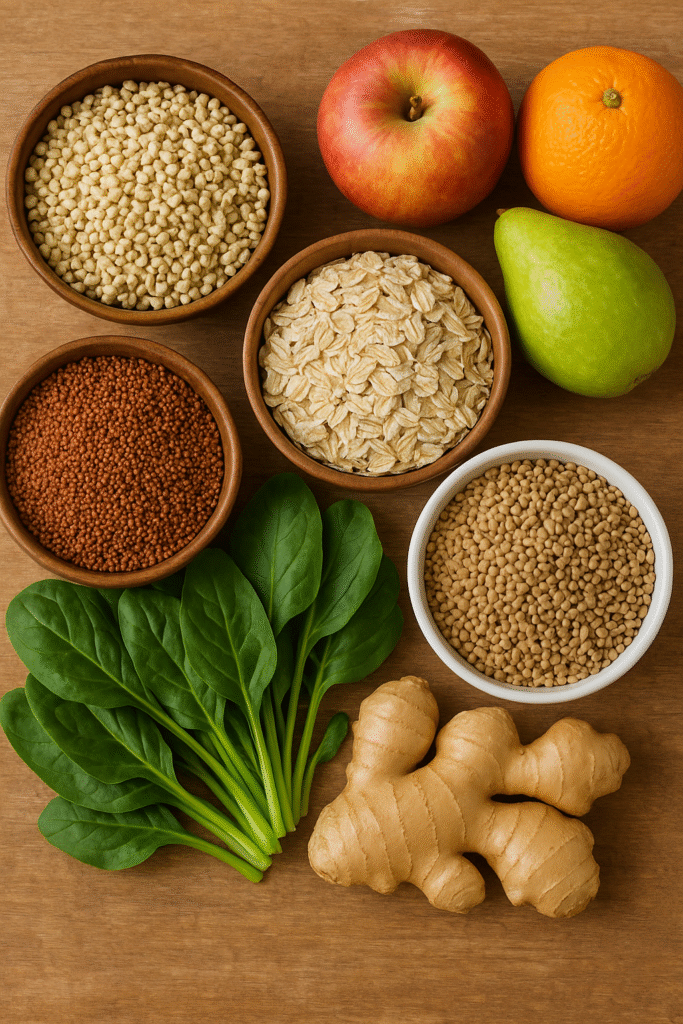
Coupled with these, millets, oats, pulses, fruits, and greens provide fiber, protein, and antioxidants for artery protection.
All these together constitute a natural, sustainable solution to heart health and weight management.
These ingredients also serve as Ayurvedic foods to reduce obesity and prevent heart attack.
High-Fiber Ayurvedic Diet for Heart Health
Millets such as ragi, jowar, and bajra help in reducing cholesterol and weight loss.
Oats, which are high in soluble fiber, lower LDL and facilitate better digestion.
Pulses and legumes contain plant protein and increase satiation and weight regulation.
Fresh fruits and green leafy vegetables supply potent antioxidants, guarding arteries.
It increases overall heart health naturally by way of a balanced and nutrient-dense diet favoring cholesterol regulation, digestion, and overall long-term cardiovascular health.
Portion Control and Mindful Eating
Ayurveda instructs: “Eat until 80% full.” Frequency of small meals maintains metabolism. Refrain from late-night meals, greasy fried foods, and overeating. Following Satvik, eating light, simple, vegetarian foods aids digestion, avoids obesity, and nurtures the heart.
A fiber- rich diet is more likely to maintain a healthy digestive system and can reduce the chances of toxin buildup within the body. Effective portion control weight loss is also an effective method of minimizing the toxin buildup within the body and is the best Ayurvedic diet plan for obesity and cholesterol.
Spices and Herbs from Kitchen Shelf
Turmeric reduces inflammation and lowers cholesterol, while fenugreek normalizes blood sugar and supports digestion. Cinnamon increases insulin sensitivity, which aids weight control.
Black pepper and ginger boost metabolism and encourage fat burning. All these spices combined provide rich natural remedies for weight loss and heart health that enhance digestion, normalize blood sugar, promote heart health, and maintain healthy weight control when added to everyday diet.
Simple Home Practices for Daily Activity
30–45 minutes of walking increases blood circulation and decreases stress, whereas Surya Namaskar, Trikonasana, and Bhujangasana yoga asanas enhance circulation and metabolism. Pranayama exercises Kapalbhati for weight loss and Anulom Vilom for stress reduction to further optimize well-being.
Ayurveda focuses on the selection of exercise intensity based on body type (Vata, Pitta, Kapha) for proportionate and long-term well-being. Yoga and Ayurveda lifestyle for heart health can also reduce chances of obesity and promote heart health.
Modern Science with Ayurveda – A Balanced Path to Heart Health
Current science verifies that fiber-rich foods, weight management, and exercise significantly reduce heart disease risk. Ayurveda enhances this by emphasizing plant-based, high-fiber diets, conscious eating, and exercise daily for equilibrium and energy.
Combined, regular medical check-ups and Ayurvedic prevention protocols achieve a complete strategy, guaranteeing healthier arteries.
It lowered cholesterol, improved weight control, and overall heart health over time through the balance of modern medicine and ancient wisdom. The connection between obesity and heart attacks are strong as per even modern science.
FAQs
Q1. How does obesity increase the risk of heart attack?
Extra pounds boost blood pressure, cholesterol, and risk of diabetes all primary heart attack triggers.
Q2. Which Ayurvedic foods are best for heart health?
Millets, oats, pulses, ginger, turmeric, and leafy greens prevent obesity and offer heart protection and are considered obesity prevention natural remedies.
Q3. Can I lose weight naturally with Ayurveda?
Yes, with portion control, spices (fenugreek, cinnamon), and yoga/pranayama regularly; however when heart diseases are involved, it is better to consult with a healthcare professional.
Q4. Is walking enough to prevent heart disease?
Daily walking for heart health enhances circulation, weighs less, and decreases heart risk, but diet and lifestyle modification are also required.
Q5. How does Ayurveda view obesity?
Obesity is Medo Roga, a result of poor digestion, incorrect foods, and lack of exercise cured by diet, herbs, and exercise.
Call To Action
Your heart health starts in your kitchen and daily routines. Steer clear of processed food, reduce sugar, and adopt Ayurveda’s natural remedies: millets, pulses, spices, walking, and mindful eating.
Take control today! Begin with one small adjustment, switch junk food with millets, or include a daily walk. Shield your heart with Ayurveda’s age-old remedies. Comment below to let us know about anything you want to know about and subscribe for more natural wellness tutorials.